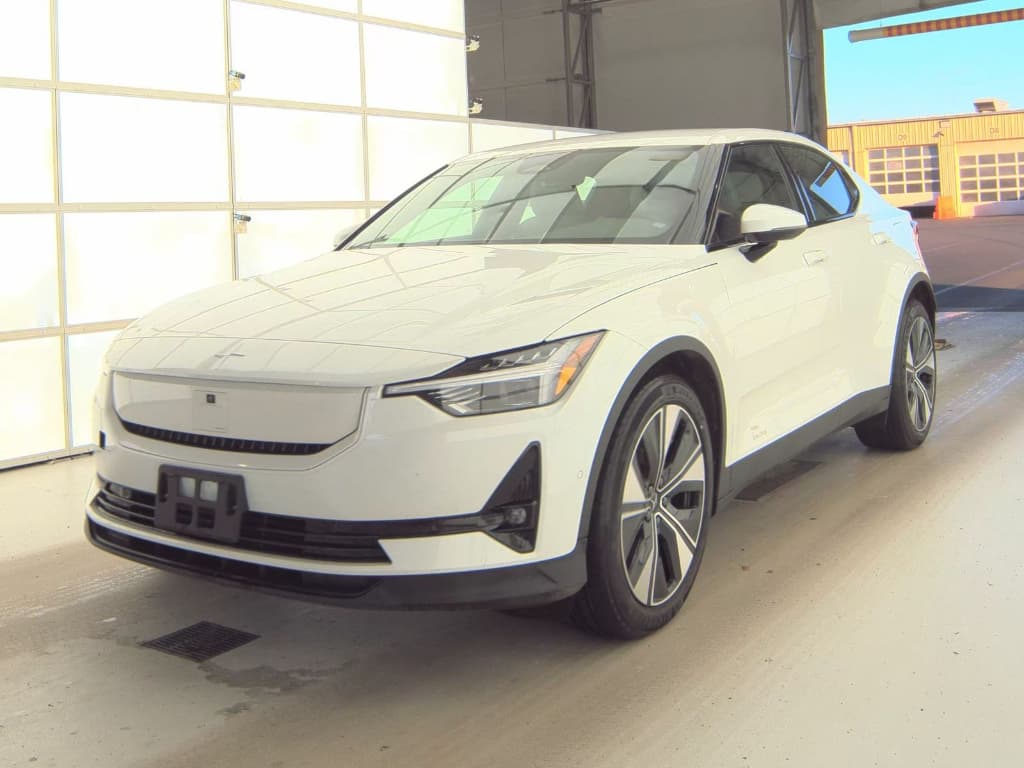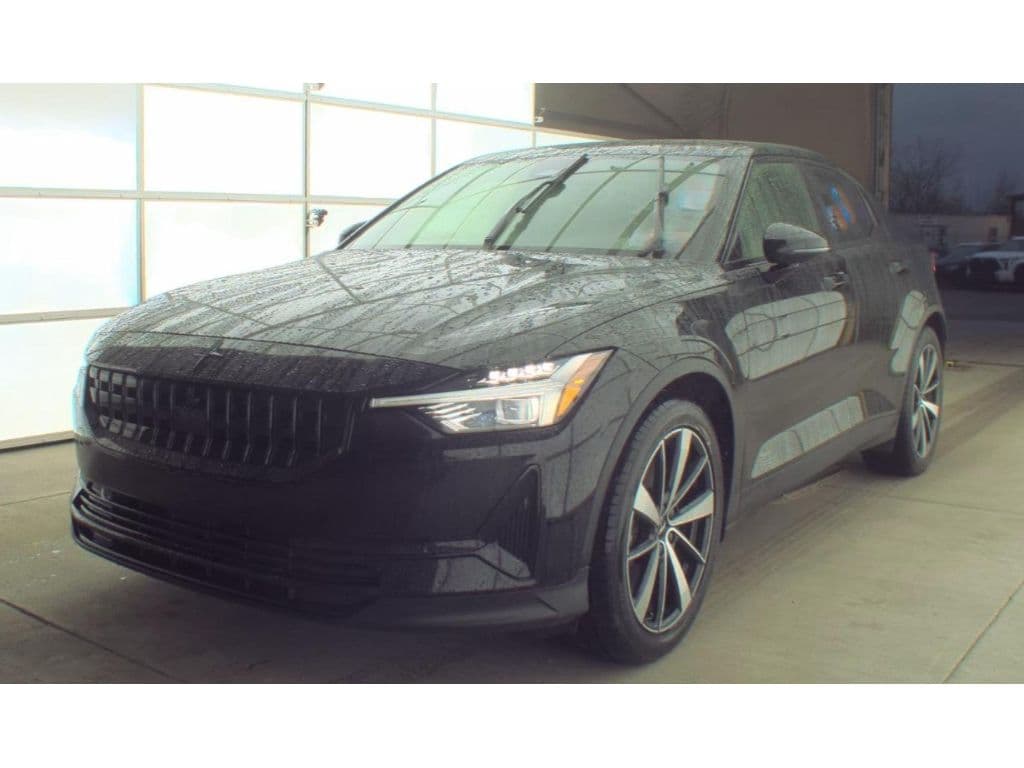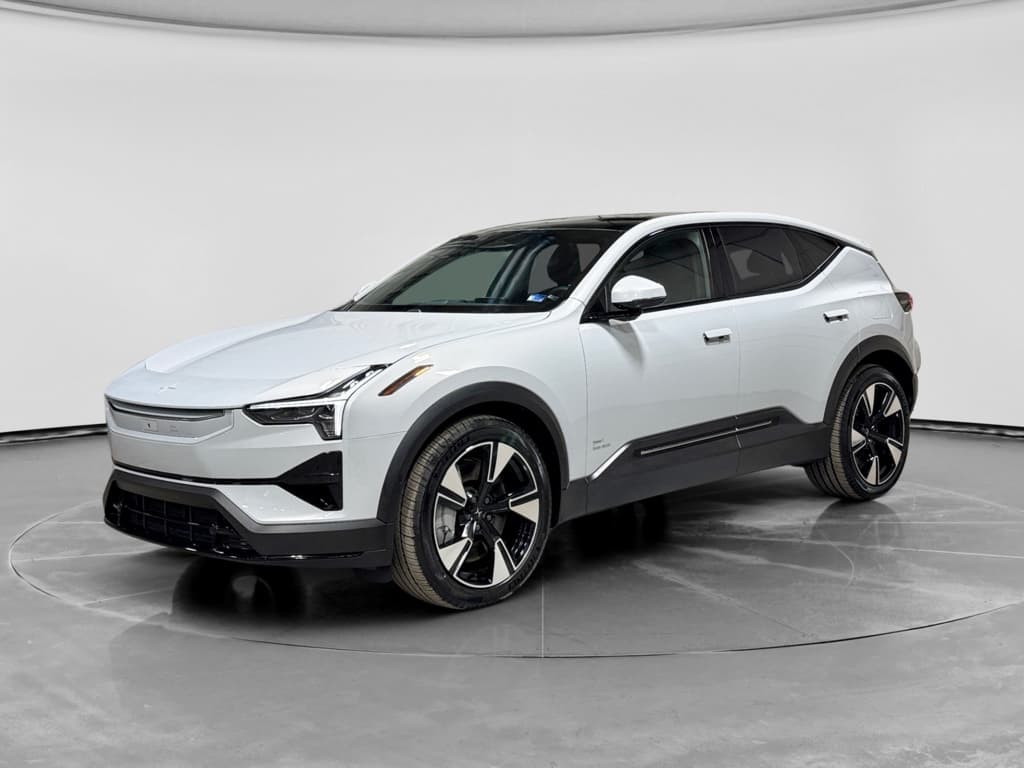
If you’re looking at a Polestar 2, odds are you care as much about safety as you do about Scandinavian design and Google-powered tech. The good news is that in independent crash tests the Polestar 2 safety rating and crash test performance land it firmly among the safest compact EVs on the road. But like any modern EV, there are nuances, especially if you’re shopping used, that are worth understanding before you sign anything.
Big picture on Polestar 2 safety
Polestar 2 safety at a glance
Headline safety scores for the Polestar 2
In European testing, the Polestar 2 earned a five‑star overall Euro NCAP rating with excellent sub‑scores for adult and child protection plus strong safety assist performance. In the U.S., it’s positioned similarly to other premium compact EVs like the Tesla Model 3 and Hyundai Ioniq 5, with a rigid structure, standard advanced driver assistance, and an emphasis on pedestrian and cyclist protection.
Quick takeaway for shoppers
Crash test ratings: How did the Polestar 2 score?
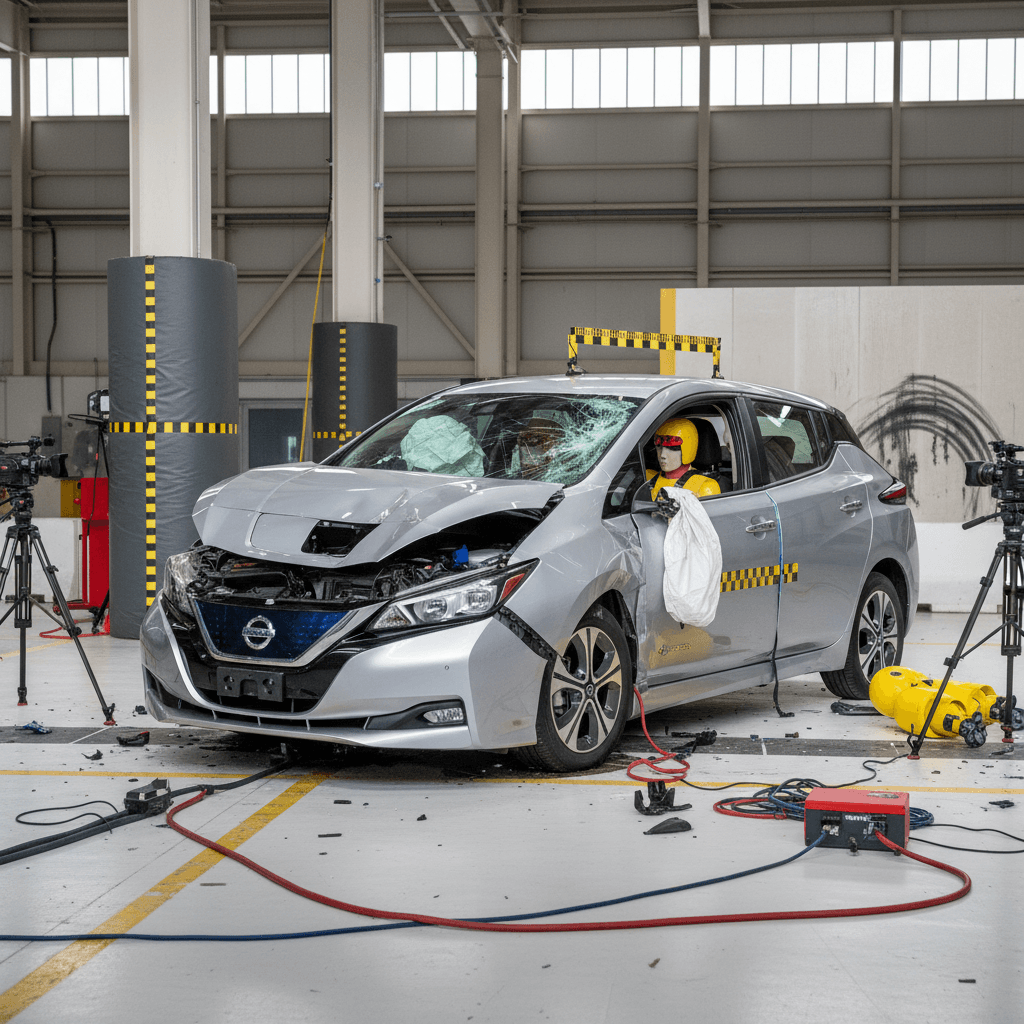
Crash tests are where the Polestar 2 safety rating really earns its credibility. Euro NCAP, Europe’s leading independent safety body, subjected the Polestar 2 to a full slate of frontal, side, rear‑impact and safety‑assist evaluations. The car responded with some of the strongest results in its class.
Euro NCAP Polestar 2 crash-test results
Key Euro NCAP scores that underpin the Polestar 2’s five‑star rating.
| Category | Score | What it means |
|---|---|---|
| Overall rating | 5 stars | Maximum rating for combined crash protection and active safety. |
| Adult occupant protection | 92% | Very low injury risk in most frontal and side impact scenarios. |
| Child occupant protection | 89% | Strong performance with both 6‑ and 10‑year‑old dummies in front and side impacts. |
| Vulnerable road users | 80%+ | Bonnet and bumper design help reduce injury to pedestrians and cyclists. |
| Safety assist | 86% | High-performing AEB, lane-keeping and speed assistance systems. |
Euro NCAP tested the Polestar 2 under its then‑latest 2021 protocols, which were already more demanding than earlier EV tests.
Euro NCAP highlights include excellent side‑impact performance, strong protection against whiplash in rear‑end crashes and a center airbag between the front seats that reduces head‑to‑head contact in lateral impacts. The Polestar 2 also includes multi‑collision braking, which automatically applies the brakes after an initial impact to reduce the chances of secondary collisions.
What about IIHS and NHTSA in the U.S.?
How the Polestar 2 compares to Tesla Model 3 and others
On safety, the Polestar 2 plays in the same sandbox as the Tesla Model 3, Hyundai Ioniq 5, Kia EV6 and Volkswagen ID.4. All of these are fundamentally modern, rigid EV platforms with big front crash structures, strong passenger cells, and large battery packs integrated into the floor.
Polestar 2 vs key compact EV rivals
Where the Polestar 2 stands out, and where it’s similar.
Crash protection
Polestar 2 matches or exceeds rivals on core crash protection, with a five‑star Euro NCAP score and especially strong side‑impact and whiplash performance.
Active safety tech
Standard AEB, lane‑keeping and speed assist put it on par with Tesla and Hyundai/Kia. The interface is more Volvo‑like: conservative, clear, and focused on avoiding distraction.
Driver‑assist philosophy
Polestar leans toward driver support rather than hands‑off automation. Pilot Assist keeps you centered and at a safe distance, but keeps you clearly in charge, closer philosophically to Volvo than to Tesla Autopilot or FSD marketing.
Where Polestar 2 looks especially strong
- Five‑star Euro NCAP rating with high adult and child occupant scores.
- Center airbag and robust side‑impact protection, unusual in this segment when launched.
- Conservative driver‑assist tuning that tends to err on the side of caution.
- Volvo heritage in crash engineering and restraint design.
Where you should look closely
- Software‑driven safety functions (cameras, parking assist, emergency braking) that depend on staying current with updates.
- Rear‑camera reliability issues that have led to multiple recalls in the U.S.
- Some owners report overly sensitive automatic emergency braking, which can be startling until recalibrated or updated.
Key Polestar 2 safety features and tech
The Polestar 2 leverages Volvo’s decades of crash research but layers it with a modern Google‑based interface and software‑defined features. Some equipment varies by model year and package, but most U.S. cars are generously equipped on the safety front.
- Multiple airbags including driver, passenger, side, curtain and a center airbag between the front seats on many trims.
- Advanced seat design with strong whiplash protection in front and rear seats.
- Autonomous emergency braking (AEB) with vehicle, pedestrian and cyclist detection.
- Lane keeping aid and lane departure warning, often paired with Pilot Assist adaptive cruise.
- Road sign information and intelligent speed assistance in many markets.
- Blind‑spot monitoring with steering assist and rear cross‑traffic alert on well‑equipped cars.
- Run‑off road mitigation and oncoming lane mitigation (market dependent).
Pilot Assist vs. “self‑driving” claims
Battery protection and structural safety
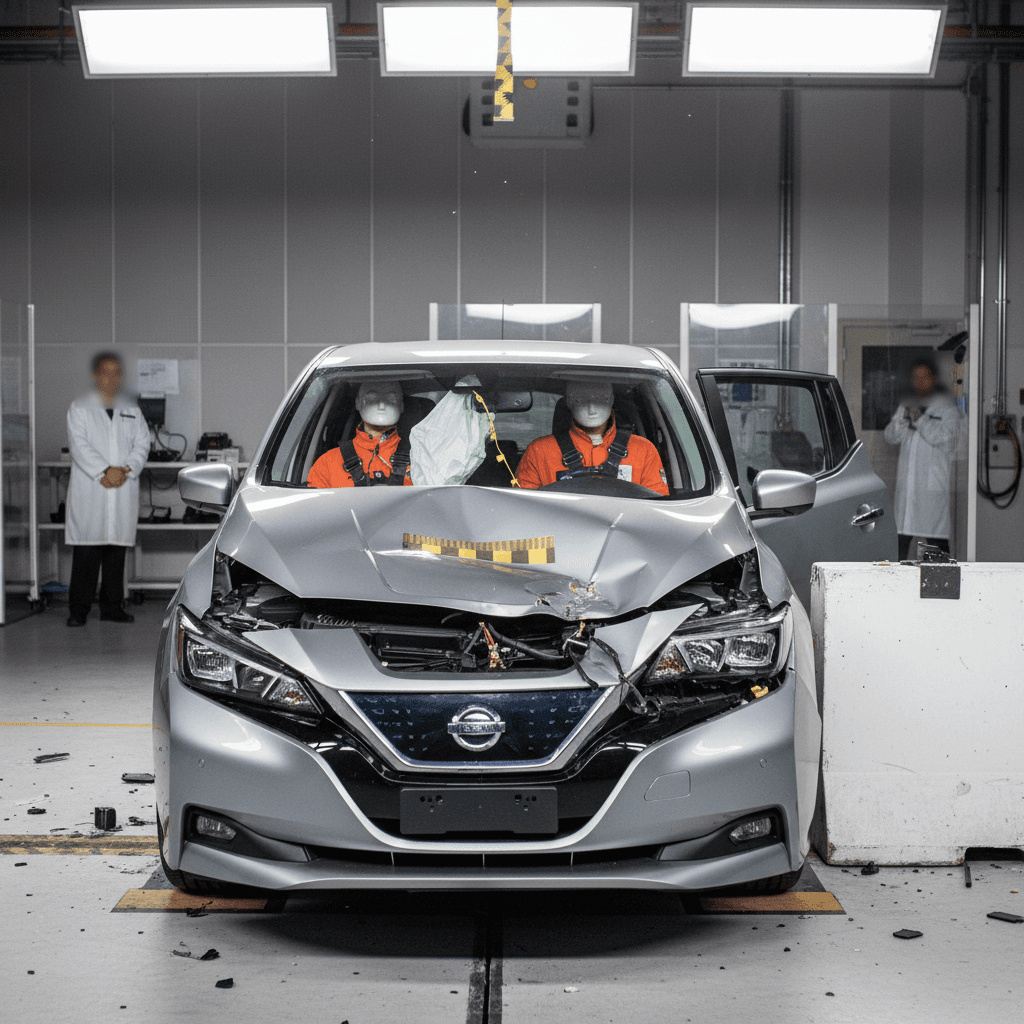
Because the Polestar 2 is a clean‑sheet EV, its structure is designed around the battery pack from day one. That’s different from converted gasoline platforms, and it matters in crash performance and fire risk.
How the Polestar 2 protects its battery and occupants
Under‑the‑skin engineering that matters more than marketing names.
Battery pack integration
The large traction battery is mounted low in the floor within a strong frame. This lowers the center of gravity, reducing rollover risk, and keeps mass between the axles, which improves crash energy management.
Crash load paths
Dedicated crash structures at the front, sides and rear help steer impact forces around the battery and passenger cell. Strong sills and crossmembers resist deformation in side impacts.
Like its Volvo cousins, the Polestar 2 also includes a multi‑collision braking function and an automatic e‑Call system in many markets. Multi‑collision braking reduces the risk of the car ricocheting into secondary impacts after a first crash, while e‑Call automatically notifies emergency services with your location if the airbags deploy.
What about EV fire risk?
Real‑world safety issues and recalls
Crash tests tell you how a car behaves in a controlled lab environment. Real‑world safety also depends on software reliability, driver‑assist tuning, defect management and how quickly the automaker responds when things go wrong. The Polestar 2’s record here is mixed: structurally excellent, but with some camera and software headaches you should know about.
Recent Polestar 2 U.S. safety-related recalls to know about
Not exhaustive, but highlights the issues most relevant to safety and day‑to‑day use.
| Issue | Model years most affected | Why it matters |
|---|---|---|
| Rear-view camera failures | Approx. 2021–2025 | Camera image may not display when reversing, increasing backing‑up crash risk. Multiple recall rounds have focused on software and hardware within the infotainment unit. |
| Overly sensitive AEB / driver-assist quirks | Various | Some owners report abrupt automatic braking or false positives, especially in steep driveways or complex parking scenarios; typically addressed with software updates. |
| Other software-related fixes | Various | Updates to stability control, warning systems and driver‑assist behavior; less dramatic than a structural defect but still important to apply. |
Always run a VIN check with Polestar or NHTSA to see the full recall history for a specific car.
Why the rear camera recall matters
It’s also worth noting that Polestar, like Tesla and Rivian, is still learning how to run large‑scale aftersales operations in North America. Owners sometimes report slow parts availability and frustrating software‑update experiences. That doesn’t negate the underlying crash safety of the car, but it does mean that you should pay extra attention to maintenance records, recall completion and dealer or service‑center support in your area.
Buying a used Polestar 2? Safety checklist
From a safety perspective, a well‑maintained Polestar 2 can be an excellent used buy: top‑tier crash performance, layers of active safety tech, and Volvo‑inspired crash engineering. The trick is making sure the specific car in front of you still delivers the level of protection it had when it left the factory.
Used Polestar 2 safety checklist
1. Run a VIN recall check
Use Polestar’s website or the NHTSA database to confirm all safety recalls, especially those involving the rear‑view camera and software, have been completed. Ask for documentation if work was done at a dealer.
2. Test the rear camera and parking aids
With the car in reverse, make sure the rear‑view image comes on immediately and stays stable. Try a few maneuvers, including steep driveways or tight spaces, to look for glitches or error messages.
3. Verify driver‑assist features work as advertised
On a safe, familiar road, gently test adaptive cruise, lane‑keeping and AEB alerts. You’re not trying to trigger full automatic braking, just checking that warnings and steering assistance feel predictable, not erratic.
4. Inspect for crash repairs around the battery area
Look for signs of poorly repaired structural damage along the sills, floor and underbody. Any serious crash near the battery warrants a professional inspection, ideally with EV‑specific expertise.
5. Review software update history
Ask the seller for service records showing recent software updates. Cars that are many versions behind can have outdated safety logic or unresolved bugs that affect daily usability.
6. Consider an independent EV inspection
If you’re new to EVs, or just want peace of mind, consider a third‑party inspection. At Recharged, every vehicle gets a <strong>Recharged Score Report</strong> that includes battery health diagnostics, which complement the crash‑safety story by telling you how healthy the energy system is.
How Recharged can help
Ready to find your next EV?
Browse VehiclesPolestar 2 safety: Frequently asked questions
Common questions about Polestar 2 crash tests and safety
Bottom line: Is the Polestar 2 a safe EV to buy?
Taken on its own merits, the Polestar 2 is a genuinely safe compact EV. Its five‑star Euro NCAP rating, strong structural performance, and Volvo‑inspired restraint systems put it in rarefied company. The main safety‑adjacent concerns today are about software execution, rear‑view camera reliability, sometimes‑quirky driver‑assist behavior, and the growing pains of a young brand scaling up service and support.
If you verify recall completion, test the active‑safety systems in real driving, and choose a car with a clean structural history, there’s every reason to treat the Polestar 2 as a top‑tier choice. And if you’d like help finding a used Polestar 2 with verified battery health and transparent safety history, Recharged can guide you through financing, trade‑in, and nationwide delivery so you end up with the right car, not just the closest one on a lot.