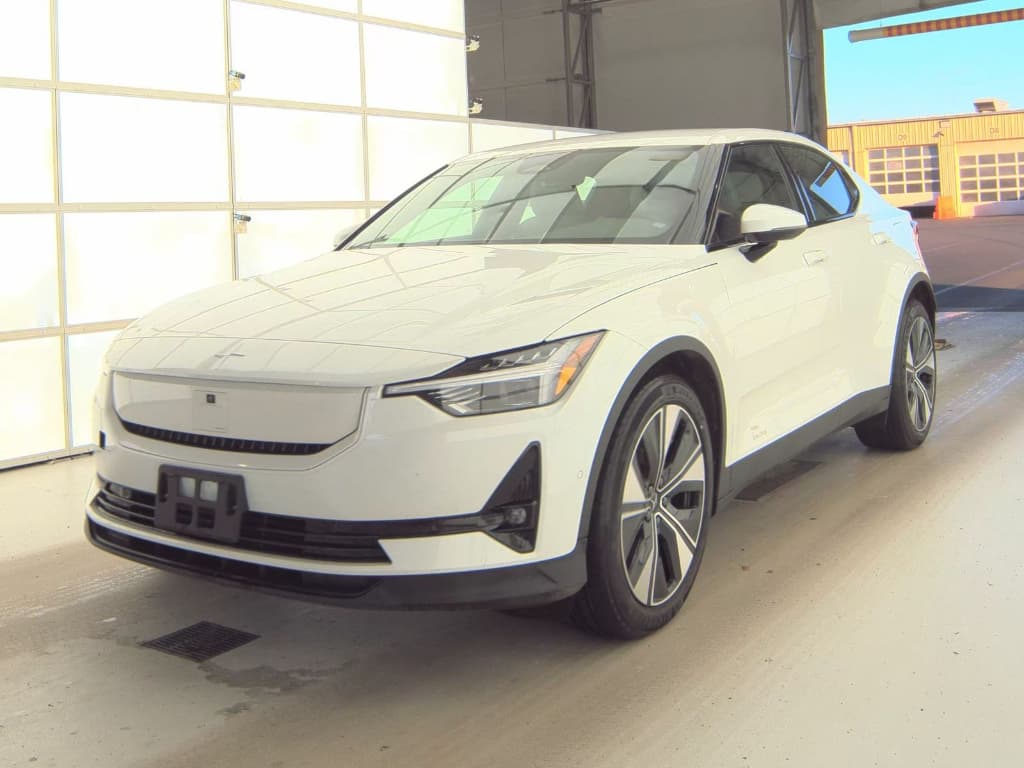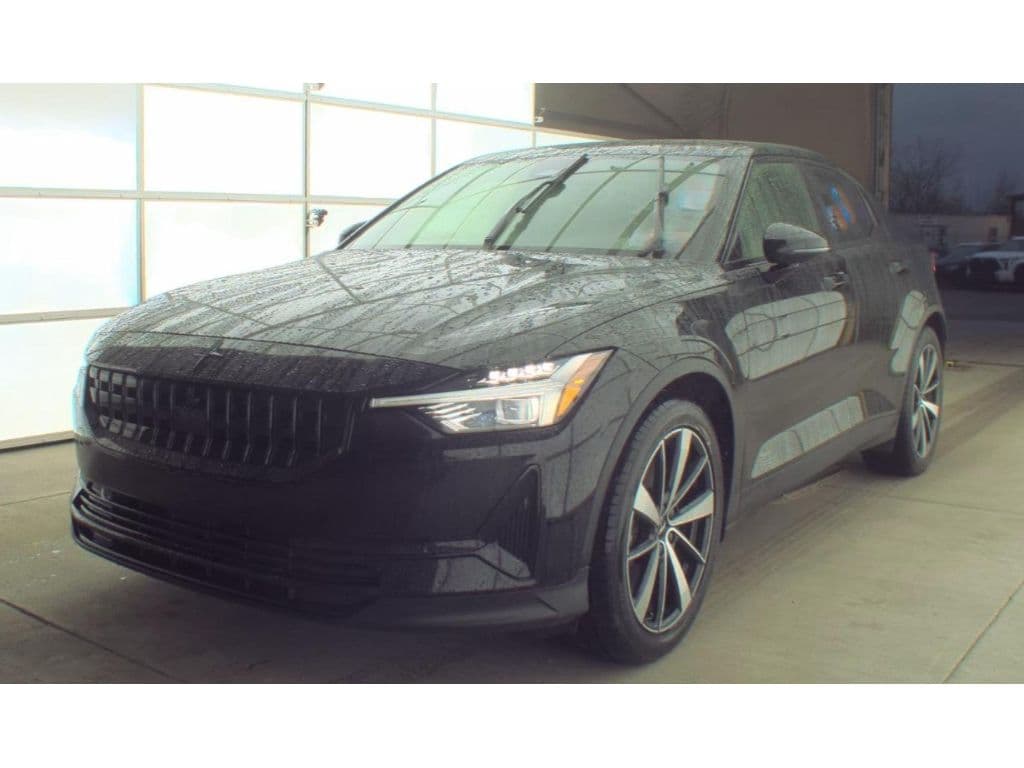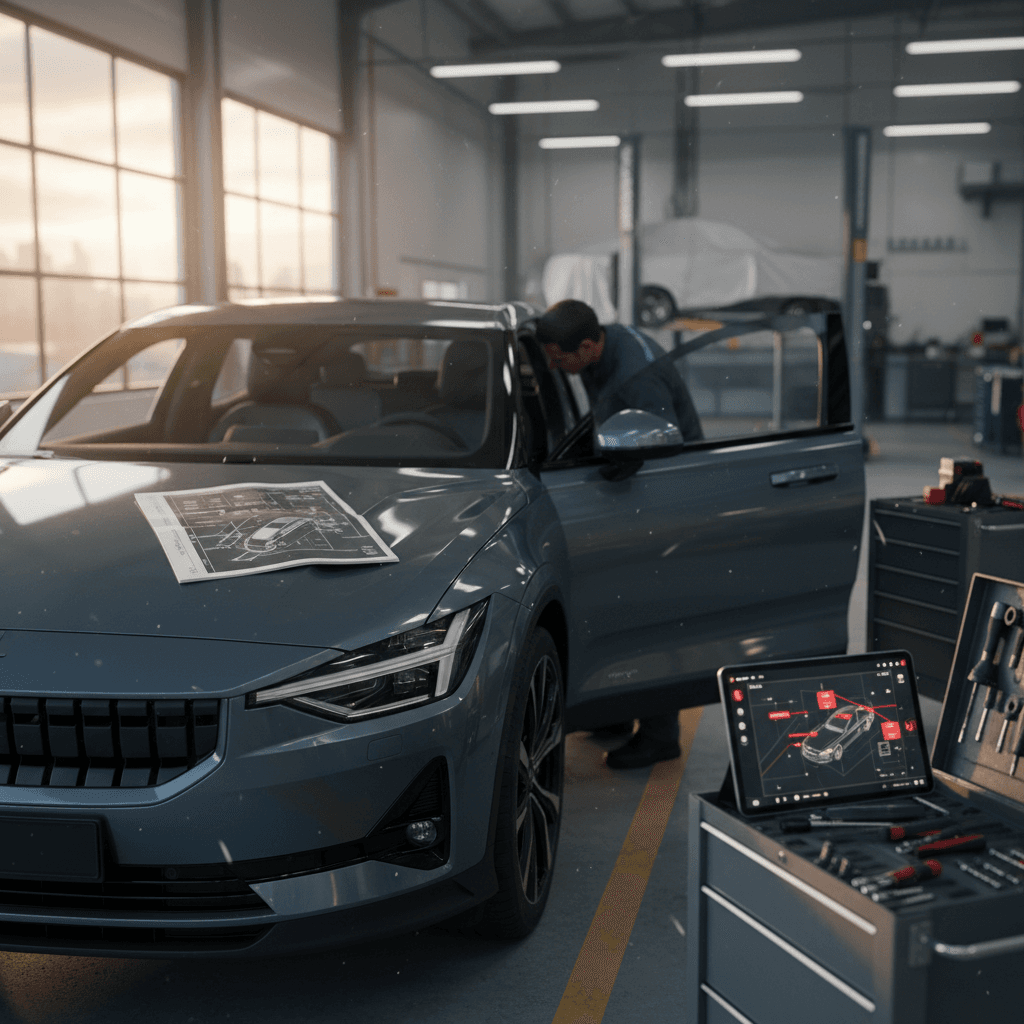
If you own or are considering a used Polestar 2, you’ve probably heard about a handful of recalls, especially the one involving the rear‑view camera software. This guide brings together the latest Polestar 2 recalls list for U.S. vehicles, what each campaign actually fixes, and how it should factor into your ownership or purchase decision in 2026.
Quick take
Polestar 2 recalls overview: what’s on the list?
Polestar launched the Polestar 2 in the U.S. for the 2021 model year. Since then, the car has seen a small but important set of recalls, most of them related to software and electronics rather than core battery or motor hardware. That’s typical for a tech‑heavy EV built around an Android‑based infotainment system and extensive over‑the‑air (OTA) updates.
- A major U.S. recall for the rear‑view camera image failing to display because of infotainment software (RP1016 / NHTSA 24V477000).
- A follow‑up or expanded campaign in 2025 targeting similar rear‑camera visualization problems on 2021–2025 Polestar 2 vehicles, fixed with updated software.
- Smaller, market‑specific Polestar 2 campaigns globally (for example, telematics or eCall/TCAM behavior) that may or may not overlap with U.S. cars, but are still important when looking at imports or reading owner forums.
From a safety perspective, regulators have focused on whether the car always shows a compliant rear‑view image when you shift into Reverse. That’s why the most prominent U.S. recall targets the infotainment head unit and camera behavior rather than braking or battery‑pack hardware.
Polestar 2 recall snapshot (U.S. focus)
Tip for buyers
Major Polestar 2 recalls by year (U.S.)
Here’s a high‑level, plain‑English look at the most notable U.S. Polestar 2 recalls and campaigns by model year. Exact coverage can vary slightly by build month and drivetrain, so always confirm with a VIN check.
Key U.S. Polestar 2 recall campaigns by model year
Approximate coverage for major publicly reported safety recalls affecting the Polestar 2 in the U.S. Always verify using the VIN tools linked below.
| Model year | Primary recall focus | Typical fix | Notes |
|---|---|---|---|
| 2021 | Rear‑view camera image may not display when reversing (infotainment head unit software) | Free infotainment/infotainment head unit (IHU) software update; often OTA, sometimes at a service center | Covers a large share of early U.S. production; recall code often referenced as RP1016. |
| 2022 | Same rear‑camera visualization issue on affected builds | Same IHU software update campaign | Software behavior is the root cause; hardware replacement is rare unless diagnostics demand it. |
| 2023 | Continuation/expansion of rear‑camera software recall | Same IHU update; may be pre‑installed on later‑built cars | Many 2023 cars already shipped with updated software, but some still show as open until updated. |
| 2024 | Rear‑camera IHU software compliance update (FMVSS 111 visibility requirements) | OTA or dealer‑performed software update | Recall report filed with U.S. regulators in mid‑2024 covering 2021–2024 vehicles. |
| 2025 | Rear‑camera display fixation / synchronization update for 2021–2025 builds | Updated IHU and camera‑communication software, plus improved error‑handling logic | Applies to cars built as late as November 2024; Polestar ended Polestar 2 production for the U.S. around this time. |
This table is a simplified overview. Use the VIN check tools for definitive information on your specific car.
Important
Rear‑camera / infotainment software recall (RP1016)
The headline item on most Polestar 2 recalls lists is the rear‑camera software campaign, often referenced by Polestar’s internal code RP1016 and the associated NHTSA number. It affects a large population of 2021–2024 Polestar 2s in the U.S., and Polestar later extended software fixes to 2025 model‑year cars built through late 2024.
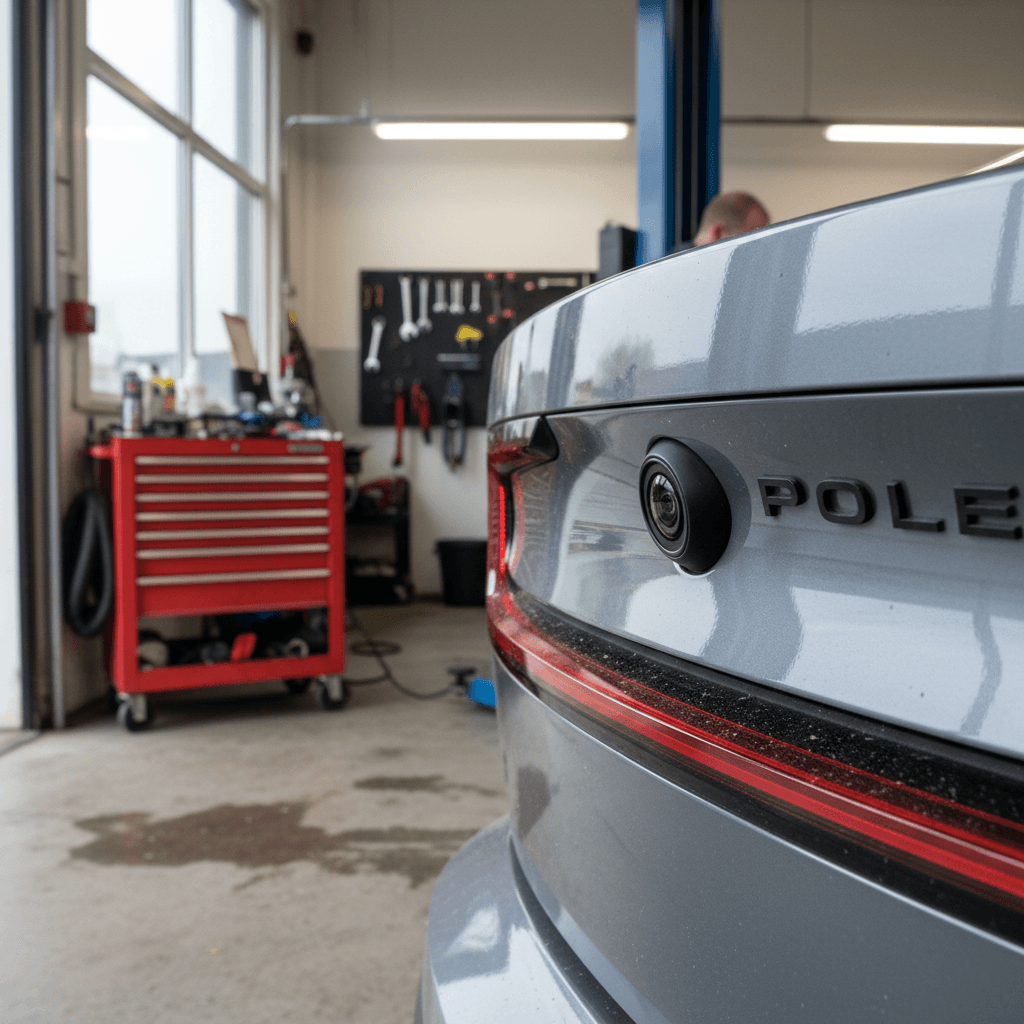
What owners typically see with the rear‑camera issue
Most symptoms are intermittent and linked to the infotainment system, not the camera lens itself.
Blank or frozen image
“Camera unavailable” message
Infotainment glitches
Regulators care because U.S. law requires a compliant rear‑visibility image whenever you’re backing up. When the camera feed doesn’t appear, even if it’s intermittent, crash risk goes up, especially in parking lots and tight driveways.
What the rear‑camera recall fix usually includes
1. Updated IHU software
Polestar deploys an infotainment head unit (IHU) software package that changes how the system talks to the parking camera and handles errors.
2. Stronger signal handling
The updated code keeps the high‑speed video connection to the camera alive instead of toggling it on and off, which reduces the chance of sync errors.
3. Automatic reset behavior
If the system detects a synchronization problem, the software now resets the video receiver hardware instead of just throwing an error message.
4. OTA or in‑person update
Many owners receive the fix as an over‑the‑air update. Others have it installed at a Polestar or Volvo service center during a scheduled visit.
Good news for used‑EV shoppers
How to check if your Polestar 2 has an open recall
There’s an official "recalls list" out there, but it’s tailored to your exact car, not just the model line. The safest move is always to run a VIN search before you make a purchase or schedule service. You can do this in a few minutes from your phone.
Two reliable ways to run a Polestar 2 recall check
Use both for a complete picture, especially for U.S.‑titled cars.
1. Polestar’s official VIN checker
Go to Polestar’s U.S. support page and use the Recall information / VIN check tool. Enter the full 17‑character VIN (it’s on the dash plate, driver‑side door jamb, or registration).
This will show open campaigns and product updates specific to your car’s build and market.
2. NHTSA’s recall search
Visit the U.S. National Highway Traffic Safety Administration’s VIN lookup and plug in the same number. NHTSA’s tool lists all federal safety recalls that have not yet been completed on that vehicle.
If you see "0 unrepaired recalls," you’re up to date as far as regulators are concerned.
What to screenshot and save
Living with a recalled Polestar 2: safety, drivability, resale
An open recall doesn’t automatically make a Polestar 2 dangerous or undriveable, but you do want to treat safety campaigns with respect. Here’s how to think about day‑to‑day use if your car is subject to an outstanding recall.
Can I still drive the car?
For the rear‑camera recall, Polestar and NHTSA have not issued a blanket “do not drive” warning. Most owners can continue using the car normally, with extra care when reversing, until the software is updated.
That said, if your backup camera frequently fails or you rely on it heavily (tight urban parking, kids or pets at home), scheduling the update sooner rather than later is smart.
Does it affect range or performance?
This particular recall is about visibility and infotainment, not battery management or power delivery. You may see some infotainment reboots during or after the update, but range and acceleration are not the target of this campaign.
If you notice big changes in efficiency or charging behavior, that’s a separate diagnostic conversation with a service center.
When a recall should park the car
Resale is where recall documentation really becomes currency. A Polestar 2 that’s up to date on all software and campaigns, with clean documentation, will almost always sell faster and for more money than a comparable car with unknown recall status.
Recalls and used Polestar 2 shopping: what buyers should do
If you’re shopping a used Polestar 2, whether from a private seller, a traditional dealer, or an online marketplace, you want to treat recall status the same way you’d treat a pre‑purchase inspection. It’s one of the easiest parts of the deal to control.
Used Polestar 2 recall checklist for shoppers
1. Run the VIN through Polestar and NHTSA
Before you even go see the car, ask the seller for the VIN and run the recall checks. If they hesitate, that’s a red flag.
2. Ask for proof of software updates
Polestar 2 updates are often OTA, but service centers can still print a history report. Ask for records showing the IHU / rear‑camera recall was completed.
3. Test the backup camera repeatedly
On the test drive, shift in and out of Reverse multiple times. Watch for laggy image loading, black screens, or error messages.
4. Scan the dash for warning lights
Before and after the drive, look for any persistent warnings, especially related to camera, airbag, or braking systems.
5. Fold in third‑party inspection
Even with clean recall status, a used EV deserves a mechanical and battery‑health check. At Recharged, every vehicle gets a <strong>Recharged Score battery report</strong> and a digital inspection you can review line by line.
How Recharged handles Polestar 2 recalls
Recall work done vs. “problem car”: how to tell the difference
Recalls sometimes scare shoppers away, but as a used‑vehicle reporter, I see a bigger long‑term risk in unaddressed issues. The trick is distinguishing a normal recall history from a pattern of chronic, unresolved problems.
Healthy recall history
- One or two recalls listed, all marked "completed" with recent dates.
- Service records show corresponding visit dates or OTA confirmations.
- Owner reports no ongoing symptoms related to the campaign (for example, the camera has behaved normally for months).
This is what you expect from a modern EV: issues found, fixed, and documented.
Red‑flag pattern
- Same complaint (e.g., camera failing, car “bricking” after updates) across multiple service visits.
- Service notes that reference "could not duplicate" or "no fault found" while the problem continues.
- Owner resorting to repeated manual battery resets or roadside calls for the same issue.
At that point, you’re not just dealing with a recall, you’re evaluating how well the underlying issue was diagnosed and repaired.
Watch for software band‑aids only
FAQ: Polestar 2 recalls list & ownership questions
Frequently asked questions about Polestar 2 recalls
Bottom line: should recalls scare you off a Polestar 2?
Viewed in context, the Polestar 2 recalls list is relatively modest for a first‑generation EV. The most visible campaign is a rear‑view camera software fix that’s free, widely deployed, and doesn’t fundamentally change how the car drives or how long the battery lasts. The bigger differentiator for used‑EV shoppers isn’t whether a Polestar 2 ever had a recall, it’s whether those campaigns were completed promptly and backed up by solid service records.
If you’re considering a Polestar 2, treat recall checks as step one, then dig into battery health, charging behavior, and day‑to‑day software stability. Working with an EV‑focused retailer like Recharged can simplify that process: every car comes with a Recharged Score battery health report, verified recall status, and expert support from search to delivery. Taken together, those pieces offer a clearer picture than any recall headline by itself.