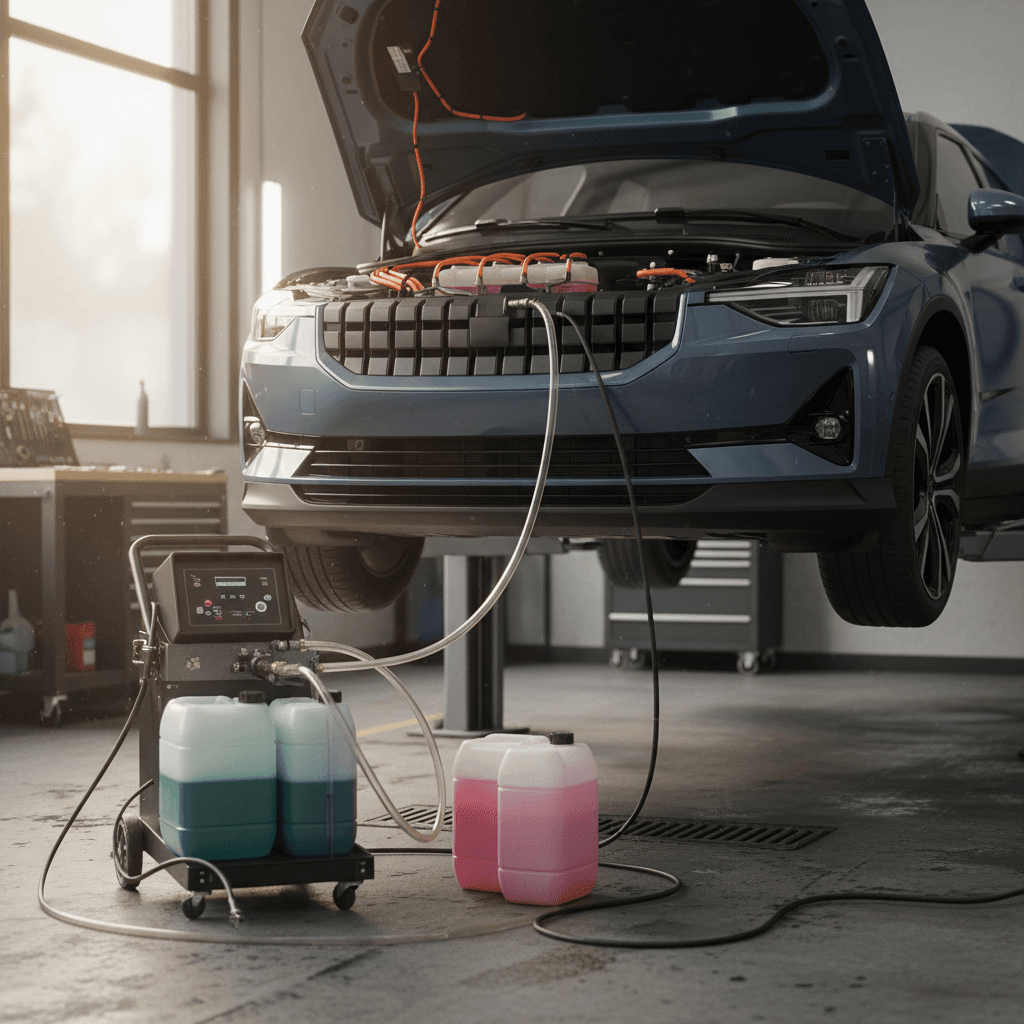
If you own or are shopping for a Polestar 2, you’ve probably heard that EV maintenance is cheaper than gas cars. That’s generally true, but the coolant system that keeps your battery, motors and power electronics at the right temperature still needs occasional attention. Understanding typical Polestar 2 coolant flush cost, service intervals, and where to get the work done can help you budget accurately and avoid expensive thermal-system repairs down the road.
Quick takeaway
Why the Polestar 2 Needs Coolant Service
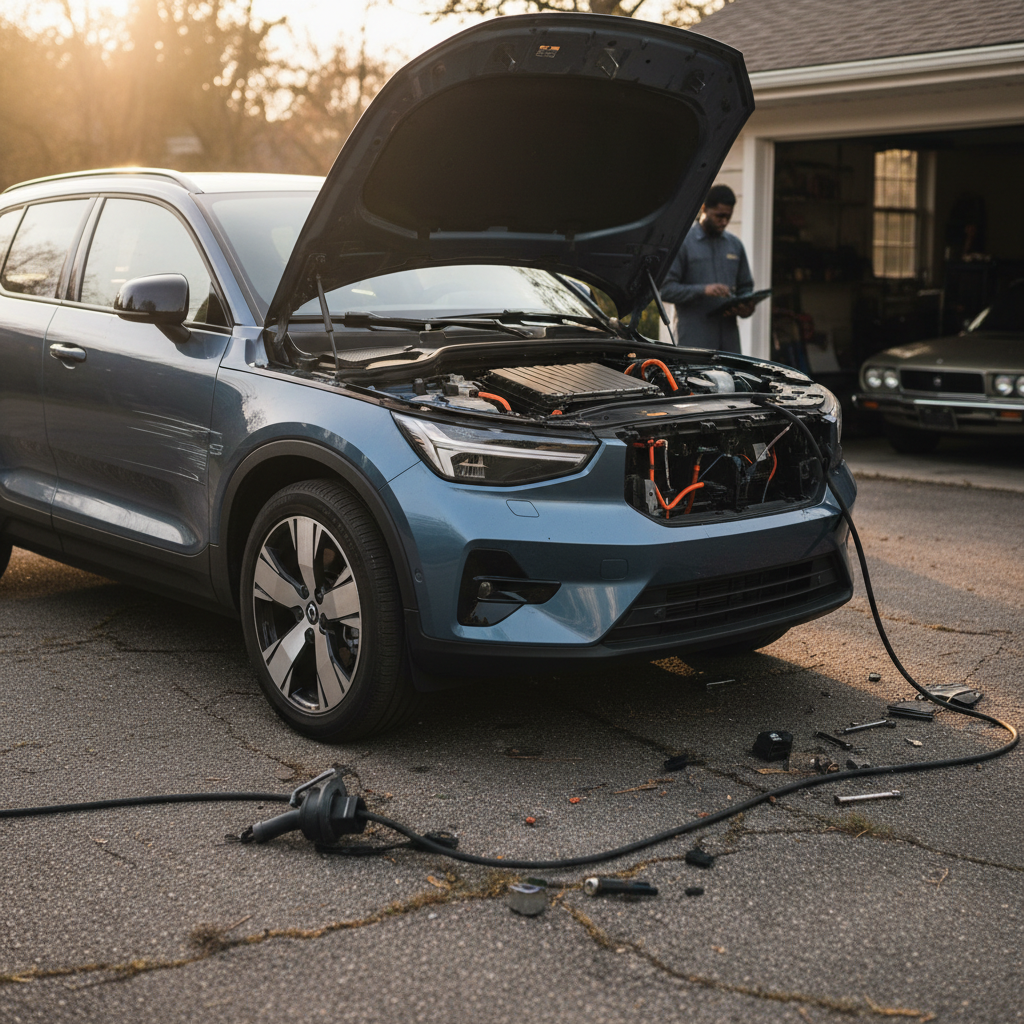
Unlike a gas car, the Polestar 2 doesn’t need oil changes or transmission fluid. But it still relies on a complex liquid thermal management system. Multiple coolant loops control temperatures for the high‑voltage battery pack, drive units (motors and inverters), on‑board charger, and cabin heating and cooling. Over time, coolant can degrade, pick up contaminants, or lose its corrosion protection, especially in a system with aluminum and other dissimilar metals.
What the coolant actually does
- Stabilizes battery temperature during fast charging and heavy acceleration.
- Prevents overheating of inverters and motors under load.
- Supports heat pump or HVAC operation in some configurations.
- Helps the car pre‑condition the pack for fast DC charging.
Why it eventually needs service
- Additive packages in coolant break down over time.
- Small amounts of air or moisture can enter the system.
- Corrosion inhibitors get used up protecting components.
- Any past repair can introduce debris or trapped air.
Even if you don’t see leaks, preventative coolant service helps protect expensive high‑voltage hardware.
High‑voltage safety reminder
How Often Do You Need a Coolant Flush on a Polestar 2?
Polestar’s official maintenance schedule for the Polestar 2 is more conservative than a traditional gas car, and coolant service is infrequent. In broad terms, you should think in terms of years and mileage, not annual flushes the way some legacy service centers might suggest.
- For many EVs in this class, initial coolant replacement is typically recommended around the 8–10 year mark or well past 100,000 miles, unless there’s a leak or component replacement.
- Interim checks during regular services will include coolant level and visual condition, plus leak inspection.
- If your Polestar 2 has had a high‑voltage component replaced (battery module, drive unit, on‑board charger), the shop may have already done a partial drain, refill, and bleeding procedure.
Check your specific schedule
Polestar 2 Coolant Flush Cost Breakdown
Because EV‑specific labor rates and coolant prices vary by region and dealer, there’s no single nationwide number. But based on typical European and North American dealer pricing for modern EVs with multi‑loop cooling systems, you can build a realistic range for Polestar 2 coolant flush cost.
Typical Polestar 2 Coolant Service Ranges
Estimated Polestar 2 Coolant Service Cost Breakdown
These are illustrative ranges for a standard service visit, not quotes. Always request a written estimate for your VIN and location.
| Line item | Dealer estimate | Independent EV shop | Notes |
|---|---|---|---|
| Coolant (OEM EV coolant, several liters) | $60–$90 | $50–$80 | Special long‑life EV coolant formulated for aluminum and mixed‑metal systems. |
| Labor (drain, refill, bleed, system checks) | $100–$160 | $80–$140 | Higher at dealers in major metros; independents may have lower hourly rates. |
| Diagnostic scan & documentation | $20–$40 | Often included | Some shops bill a small amount for scan/report time. |
| Shop supplies & environmental fees | $10–$25 | $10–$20 | Cleaning materials, disposal, small parts. |
| Total estimated service visit | $190–$315 | $150–$260 | Final price depends on labor rate, taxes, and any additional work. |
Example Polestar 2 coolant service pricing components at a typical U.S. dealer vs. independent EV shop.
How to sanity‑check a quote
Dealer vs. Independent Shop: Where to Service Your Polestar 2
Because the Polestar 2’s coolant loops interact with the high‑voltage battery and power electronics, the choice of service provider matters. You’re balancing expertise, equipment, warranty implications, and price.
Pros and Cons: Dealer vs. Independent EV Shop
Both can handle coolant service, but one may fit your situation better.
Polestar dealer or certified service partner
- Factory‑approved coolant type and procedures.
- Technicians regularly trained on the Polestar 2 platform.
- Direct access to official software, diagnostics, and campaigns.
- Often required for work that could affect warranty coverage.
- Usually the higher‑priced option, especially in big cities.
Independent EV specialist
- Can be 15–25% less expensive on labor in many markets.
- May use OEM or equivalent coolant; always confirm brand and spec.
- Good option once your factory warranty is expired.
- Look for shops with EV‑specific training and high‑voltage certifications.
- Ask for proof of experience with Polestar, Volvo, or similar EV platforms.
Avoid generic quick‑lube shops
Signs Your Polestar 2 May Need Coolant Attention
Most owners will simply follow the factory service schedule and never need an early coolant flush. Still, there are warning signs that something in the Polestar 2 cooling system deserves a closer look.
- Visible coolant leaks under the car or around hose connections.
- Repeated coolant‑level warnings or messages in the driver display.
- Unusual whining or gurgling from the front of the car after parking, beyond normal pump noises.
- The car limits power or charging speed unexpectedly, especially during fast DC charging in warm weather.
- A history of collision damage or underbody impact near coolant lines or the battery pack.
Don’t ignore thermal‑system alerts
How Coolant Service Impacts Battery Health and Resale Value
Coolant service on a Polestar 2 is not just about keeping the dash free of warning lights. It’s directly tied to long‑term battery health and, by extension, resale value, especially in the used EV market where buyers are laser‑focused on pack condition.
Battery health and performance
- Stable coolant performance helps the car keep cell temperatures in the ideal window, limiting degradation over time.
- Properly maintained cooling allows the pack to accept more power during DC fast charging, which drivers notice at public chargers.
- As packs age, any additional thermal stress from poor coolant condition can have an outsized impact.
Resale value and buyer confidence
- Documented coolant service is one of several signals used EV buyers (and platforms like Recharged) look for.
- Alongside a strong battery health report, a clean coolant history supports a higher market valuation.
- If you plan to sell or trade in, having recent, documented thermal‑system maintenance is a simple way to stand out.
How Recharged factors this in
Ready to find your next EV?
Browse VehiclesHow to Save Money on Polestar 2 Coolant Service
Because coolant service is infrequent, it’s tempting to ignore it altogether, or to overpay when a dealer finally brings it up. With a little planning, you can keep your Polestar 2’s thermal system healthy without overspending.
Cost‑Saving Tips for Polestar 2 Coolant Flushes
1. Bundle services in a single visit
If your Polestar 2 is due for a coolant change around the same time as other scheduled work (brake fluid, cabin filter, rotation), ask about bundling. You’ll pay only one shop‑supply fee and may catch a better labor rate.
2. Ask for an itemized estimate
Before you approve a coolant flush, request a line‑by‑line estimate. This makes it easier to compare against another dealer or independent EV shop and to spot unnecessary add‑ons.
3. Compare dealer and EV specialist quotes
Get at least two quotes: one from a Polestar dealer and one from a trusted EV specialist shop. Make sure both specify the coolant brand and part number, plus the estimated labor hours.
4. Confirm use of OEM‑spec coolant
Whether you choose a dealer or independent, insist on coolant that meets the Polestar/Volvo spec. Cutting corners on fluid quality is a false economy with high‑voltage hardware at stake.
5. Use maintenance history when buying used
If you’re shopping a used Polestar 2, a recent documented coolant service can justify a slightly higher price, or give you confidence that you won’t face those costs immediately after purchase.
Coolant Service Checklist for Used Polestar 2 Buyers
If you’re evaluating a used Polestar 2, whether at a dealer, from a private seller, or on a marketplace like Recharged, coolant isn’t the first thing you’ll think about. But it should be on your due‑diligence list, right behind battery health and high‑voltage warranty coverage.
What to Ask About the Cooling System on a Used Polestar 2
1. Has the coolant ever been replaced?
On higher‑mileage or older Polestar 2s, ask for documentation of any coolant flush or replacement. If the car is at or beyond the manufacturer’s suggested interval and nothing has been done, factor that cost into your offer.
2. Any history of leaks or component failures?
Request service records for any cooling‑system work: leaks, pump replacements, or battery‑related thermal repairs. A clean history is ideal; repeated leaks or unexplained coolant top‑offs deserve closer scrutiny.
3. Has the car had collision or underbody damage?
Impact repairs near the front end, underbody, or battery pack area can affect coolant lines or radiators. Make sure any repair work was done at a shop familiar with EV structural and cooling systems.
4. Are there current warning lights or messages?
Turn the car on and check for active warnings related to the battery, drive system, or thermal management. Even intermittent alerts can point to cooling issues that may cost more than a simple flush.
5. Is there a recent battery‑health assessment?
Pair coolant‑system history with objective battery‑health data. At Recharged, for example, the <strong>Recharged Score</strong> gives you a clear view into pack condition and helps you judge whether maintenance has been effective.
FAQ: Polestar 2 Coolant Flush Cost and Maintenance
Frequently Asked Questions
Bottom Line: What to Budget for Polestar 2 Coolant Flushes
Overall, coolant service on a Polestar 2 is infrequent and affordable compared to major combustion‑engine maintenance, but it still matters. Budget a couple hundred dollars for a full coolant service at some point in long‑term ownership, and make sure any shop you use follows Polestar’s fluid specifications and high‑voltage procedures.
If you already own a Polestar 2, check your maintenance schedule and service history so you’re not caught off guard. If you’re shopping used, pair documented thermal‑system care with a solid battery‑health report, such as the Recharged Score that comes with every EV sold through Recharged. That way, you’re not just guessing about coolant flush cost; you’re seeing the full picture of long‑term EV ownership and value.