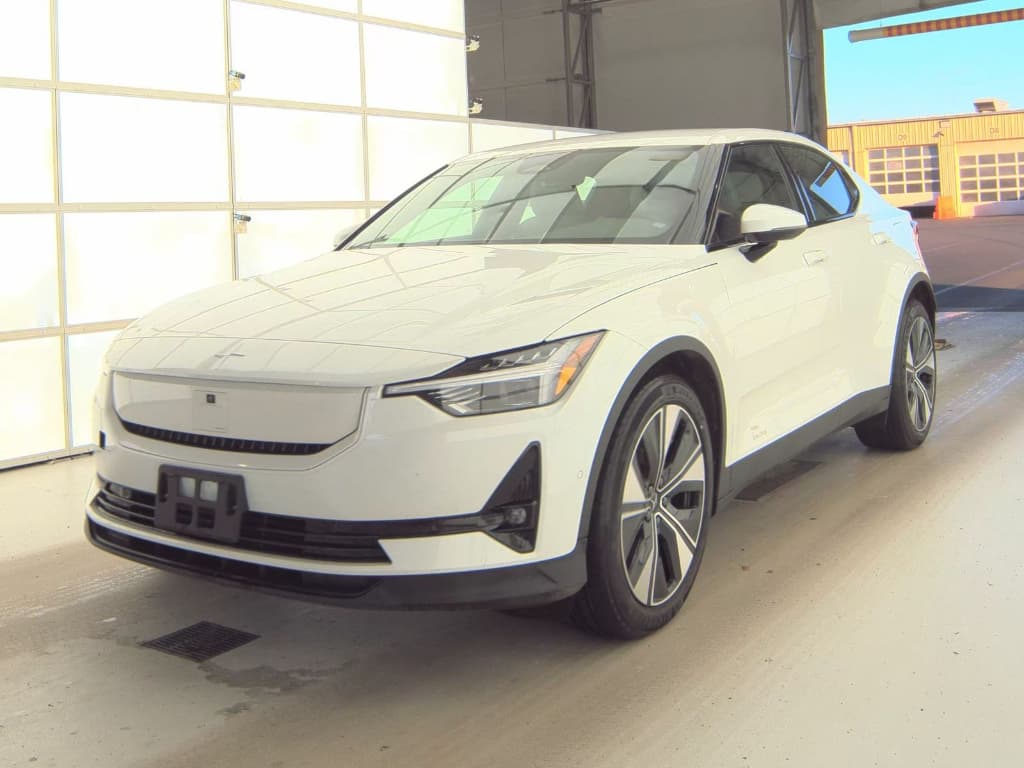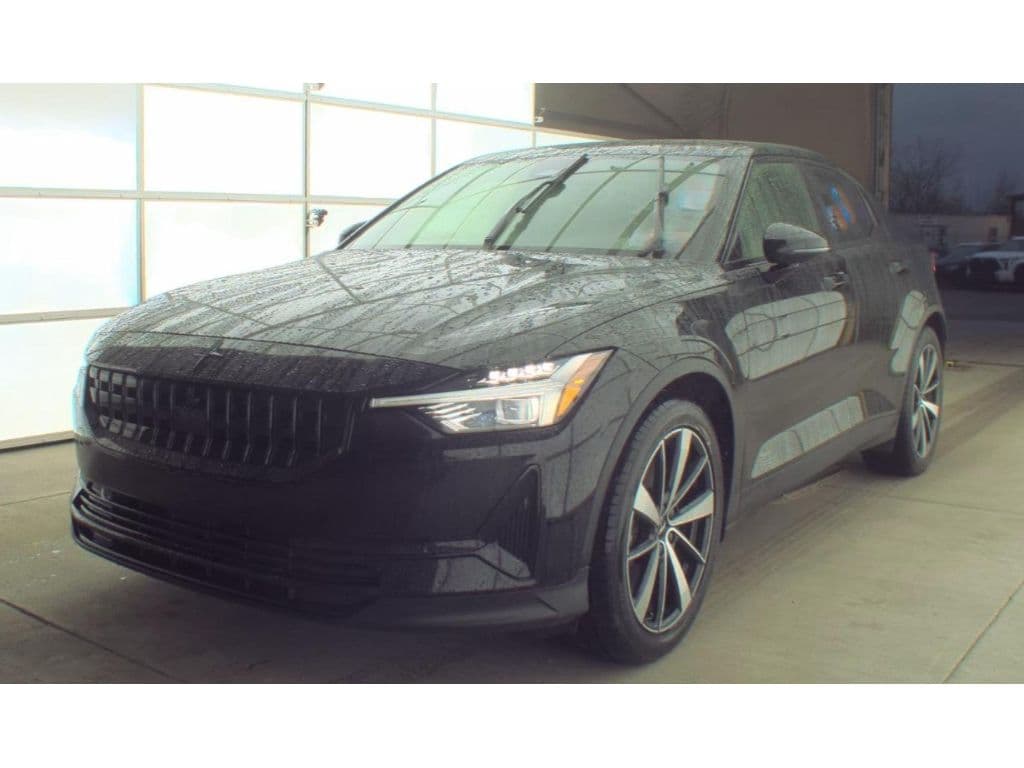
If you’re eyeing a Polestar 2, or already own one, you’re probably asking a simple question with a complicated answer: how fast does the Polestar 2 really charge? On paper you’ll see numbers like 135 kW, 155 kW, even 205 kW. In this Polestar 2 charging speed test guide, we translate those specs into real-world 10–80% times, home charging expectations, and road-trip strategy, with a special focus on what matters if you’re shopping used.
Key takeaway up front
Polestar 2 charging speed overview
Polestar has steadily improved the 2’s charging hardware since launch. Early cars (2021–2023) used smaller batteries and peaked at 135–155 kW DC. For 2024–2025, the big change is a new 82 kWh pack and higher DC fast‑charging ceilings, especially for the Long Range Single Motor variant, which can now accept up to about 205 kW on paper. In the real world, that translates into competitive charging times that make the Polestar 2 a viable road‑trip companion alongside rivals like the Tesla Model 3 and Hyundai Ioniq 5.
Polestar 2 fast-charging at a glance
Spec sheet vs. reality
Polestar 2 battery sizes and charging specs
Before you dig into charging tests, you need to know which Polestar 2 you’re dealing with. Battery size and max DC rate differ by model year and drivetrain. Here’s a simplified view for North American shoppers:
Polestar 2 battery and DC fast-charging specs (North America, core trims)
Approximate gross battery sizes and peak DC ratings by configuration. Always verify exact specs for your VIN and model year.
| Model / years | Battery (gross) | Usable capacity* | Peak DC fast charge | Onboard AC (Level 2) |
|---|---|---|---|---|
| 2021–2023 Standard Range Single Motor (mainly Europe) | 69 kWh | ~64 kWh | 135 kW | 11 kW |
| 2021–2023 Long Range Single Motor | 78 kWh | ~75 kWh | 155 kW | 11 kW |
| 2021–2024 Long Range Dual Motor | 78 kWh | ~75 kWh | 155 kW | 11 kW |
| 2024–2025 Long Range Single Motor (updated pack) | 82 kWh | ~79 kWh | Up to 205 kW | 11 kW |
| 2025 Long Range Dual Motor (updated pack) | 82 kWh | ~79 kWh | Typically 155 kW | 11 kW |
Later model years gained larger packs and higher DC peaks, especially for Long Range Single Motor.
Usable vs. gross battery
DC fast charging speed test results (10–80%)
Let’s translate those specs into the kind of “charging‑stop math” you’ll actually use. Below are representative 10–80% DC fast‑charge times for healthy Polestar 2 packs on a good charger (150–350 kW unit, moderate temperatures, preconditioned battery where available). These numbers synthesize independent tests and manufacturer data.
Typical Polestar 2 10–80% DC fast-charge times
Assumes strong charger, mild weather, and a warmed-up pack
Standard Range Single Motor (69 kWh)
Estimated 10–80%: ~28 minutes
- Peaks near 135 kW when low on charge
- Average power over the session closer to 70–80 kW
- Best suited to shorter highway hops
Long Range Single Motor (78–82 kWh)
Estimated 10–80%: ~28–32 minutes
- Early cars peak around 155 kW
- Newer pack can briefly reach ~205 kW
- Excellent balance of range and stop length
Long Range Dual Motor
Estimated 10–80%: ~32–35 minutes
- Peak DC typically ~155 kW
- Higher consumption means slightly more kWh to add
- Still competitive with other AWD performance EVs
Aim for 10–60% on busy days
Example: Long Range Single Motor session
Imagine you pull into a 350 kW charger at 15% SoC in a Long Range Single Motor Polestar 2 with the newer pack:
- Initial power jumps toward 180–200 kW if the pack is warm.
- By ~40% SoC you’re cruising closer to 120–140 kW.
- Around 65–70%, you’ll likely see 70–90 kW.
- By 80%, tapering can bring you down near 40–50 kW.
Total time from 15–80% will usually land in the low‑30‑minute range, adding well over 200 miles of highway range in good conditions.
Example: Long Range Dual Motor session
Take a Long Range Dual Motor on a similar charger, arriving at 15% SoC:
- Peak power is closer to 150–155 kW.
- The higher consumption means each added kWh yields fewer miles.
- You’ll still typically go from 15–80% in roughly 32–35 minutes.
The stop is similar in length, but you’ll leave with slightly fewer miles in the “bank” versus the more efficient Single Motor car.
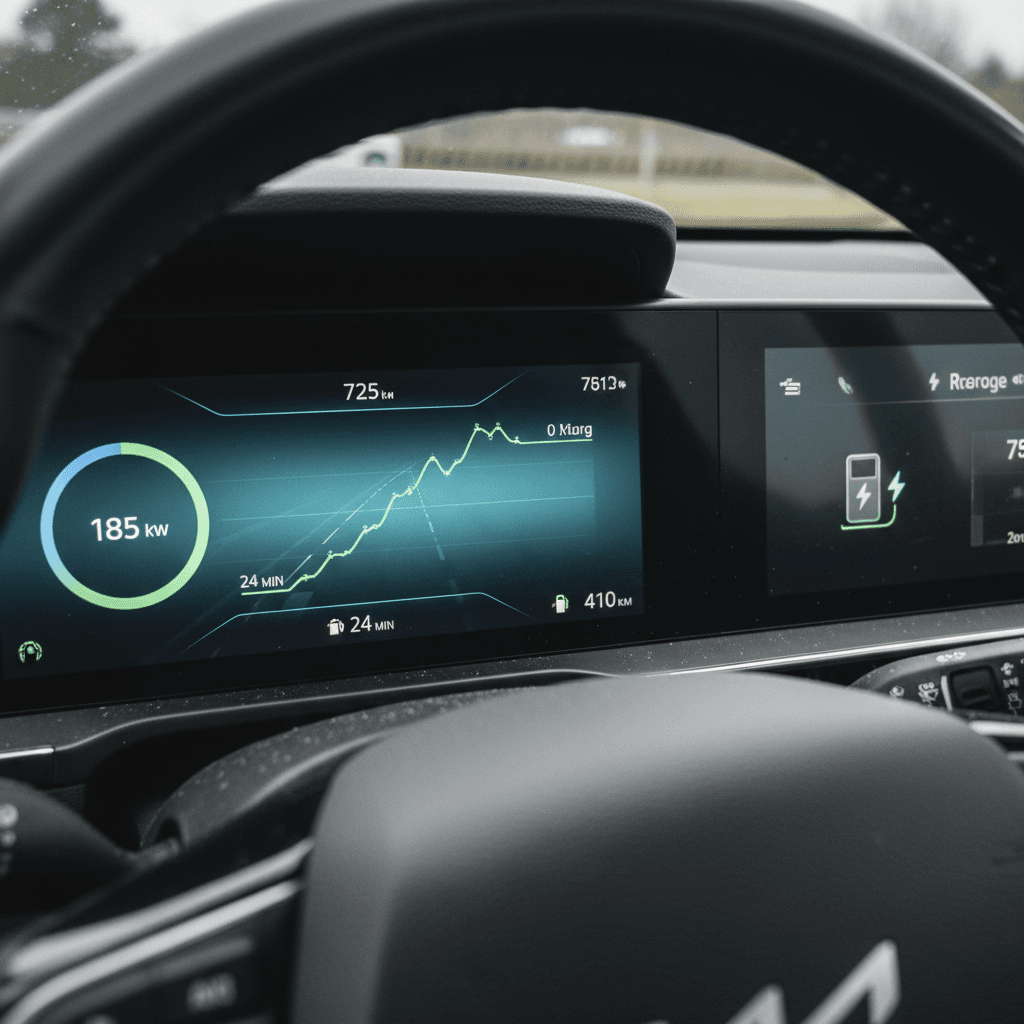
Understanding the Polestar 2 charging curve
Every EV has a distinct charging curve, how power rises and falls as the battery fills. The Polestar 2’s curve is tuned to front‑load speed between about 10% and 60–70% state of charge, then taper to protect the pack. Thinking in rough bands is more useful than obsessing over moment‑by‑moment kW numbers.
- 0–10%: The car may limit power a bit to protect a very low battery, especially if it’s cold. Once past 10%, speed ramps quickly.
- 10–30%: You’ll see the highest power, up toward 135 kW on smaller packs, 150–205 kW on newer Long Range cars if the charger can deliver it.
- 30–60%: Power gradually steps down, but you’re still adding miles quickly. This is the “sweet spot” for road‑trip charging.
- 60–80%: Taper steepens. Power may fall into the 60–90 kW range, depending on trim and temperature.
- 80–100%: Power drops sharply into the 20–40 kW neighborhood. This is slow, and usually only worth doing before a very long stretch with few chargers.
Cold battery, slow charging
Home and Level 2 charging performance
For day‑to‑day living, DC numbers matter less than how the Polestar 2 behaves on a Level 2 home charger. The good news: all trims come with an 11 kW onboard charger, which is plenty for overnight top‑ups at home or at work.
Approximate Polestar 2 home charging times
Realistic Level 2 and Level 1 charging expectations for a healthy battery. Times are rounded estimates.
| Charging setup | Power | Standard Range (69 kWh) 10–80% | Long Range (78–82 kWh) 10–80% | 0–100% (both packs) |
|---|---|---|---|---|
| Level 2, 240 V, 48 A wallbox | ~11 kW | ~4–4.5 hours | ~4.5–5 hours | ~7–9 hours |
| Level 2, 240 V, 32 A (portable) | ~7.7 kW | ~6–7 hours | ~7–8 hours | ~10–12 hours |
| Level 1, 120 V household outlet | ~1.4 kW | Over 30 hours | Well over 30 hours | Multiple days |
A 40–48 amp Level 2 charger is the sweet spot for most Polestar 2 owners.
Right-size your home charger
If you don’t already have a home charger, this is exactly where a retailer like Recharged can help. When you buy a used EV through Recharged, you get EV‑specialist guidance on home charging options, including how to match charger size to your breaker panel and driving habits, so you don’t overspend on hardware or installation.
Real-world road trip charging strategy
On the highway, you’re not chasing theoretical peak kW; you’re trying to minimize door‑to‑door travel time. For the Polestar 2, your playbook is fairly simple and works across trims.
Polestar 2 road trip charging game plan
1. Start the day around 90–100%
Before a long leg, charge higher than your usual 80% daily cap. This gives you a bigger buffer to skip crowded chargers or construction backups.
2. Target 10–15% arrival SoC
Plan stops so you arrive at fast chargers around 10–15%. Lower SoC means higher average charging power and fewer wasted minutes above 70–80%.
3. Use 150 kW+ stations when you can
The Polestar 2 can take advantage of 150–350 kW chargers, especially newer Long Range packs. Even though you won’t always hit the max, higher‑rated hardware usually means thicker cables and better cooling.
4. Stop early if the pack is cold
In winter, make a shorter first hop to warm the battery and the cabin. The second stop of the day is usually your quickest because the pack is at its happiest temperature.
5. Don’t chase 100% on DC
Unless you truly need it for a long barren stretch, unplug around 70–80% and get back on the road. The extra 20% can easily add 20–30 minutes for relatively few extra miles.
6. Build in one “flex” stop
On unfamiliar routes, keep one optional charger in your back pocket in case of a broken station, long wait, or bad weather that increases consumption.
How it feels in practice
Used Polestar 2 charging & battery: what to look for
If you’re shopping a used Polestar 2, charging performance and battery health should be near the top of your checklist. A car that’s been fast‑charged exclusively, stored at 100% for long periods, or driven hard in extreme climates may see slightly slower charging or reduced usable capacity over time.
Charging and battery checks for a used Polestar 2
Simple tests that reveal a lot about the car’s history
Check displayed range at 100%
On a test drive, look at the projected range at or near 100% SoC in the car’s display.
- Compare to period‑correct EPA numbers (roughly 270–320 miles depending on year and trim).
- A modest drop is normal; a large gap can hint at degradation or calibration issues.
Time a short fast-charge session
If possible, plug into a DC fast charger from around 20–60% and note:
- Peak kW shown on the charger screen or in the car.
- How many minutes it takes to add ~40%.
- Whether power fluctuates wildly (which can indicate charger, not car, problems).
How Recharged evaluates used batteries
- Ask the seller how the car was usually charged (home Level 2 vs. frequent DC).
- Look for software updates, OEM updates can improve charging logic and efficiency.
- Inspect the charge port and cable for physical damage or corrosion.
- Verify that DC fast charging works at multiple networks when possible.
FAQ: Polestar 2 charging speed & ownership
Frequently asked questions about Polestar 2 charging speed
Bottom line: Is the Polestar 2 fast enough to live with?
The short answer: yes. The Polestar 2 isn’t the outright fastest charger in the EV world, but with 10–80% DC fast‑charge times in the 28–35 minute window and robust 11 kW Level 2 capability, it fits comfortably in the “road‑trip ready” category. The newer Long Range Single Motor cars, in particular, combine strong range with a respectable DC curve that makes long‑distance travel straightforward if you plan your stops intelligently.
If you’re considering a used Polestar 2, pay close attention to battery health, real‑world range, and how quickly the car gains charge on both DC and Level 2. That’s exactly where Recharged can simplify things: every EV we sell includes a Recharged Score Report with verified battery health, transparent pricing, and expert EV support from first test drive to delivery. That way, when you take your own Polestar 2 on its first charging speed test, the results match your expectations, and your trip stays on schedule.