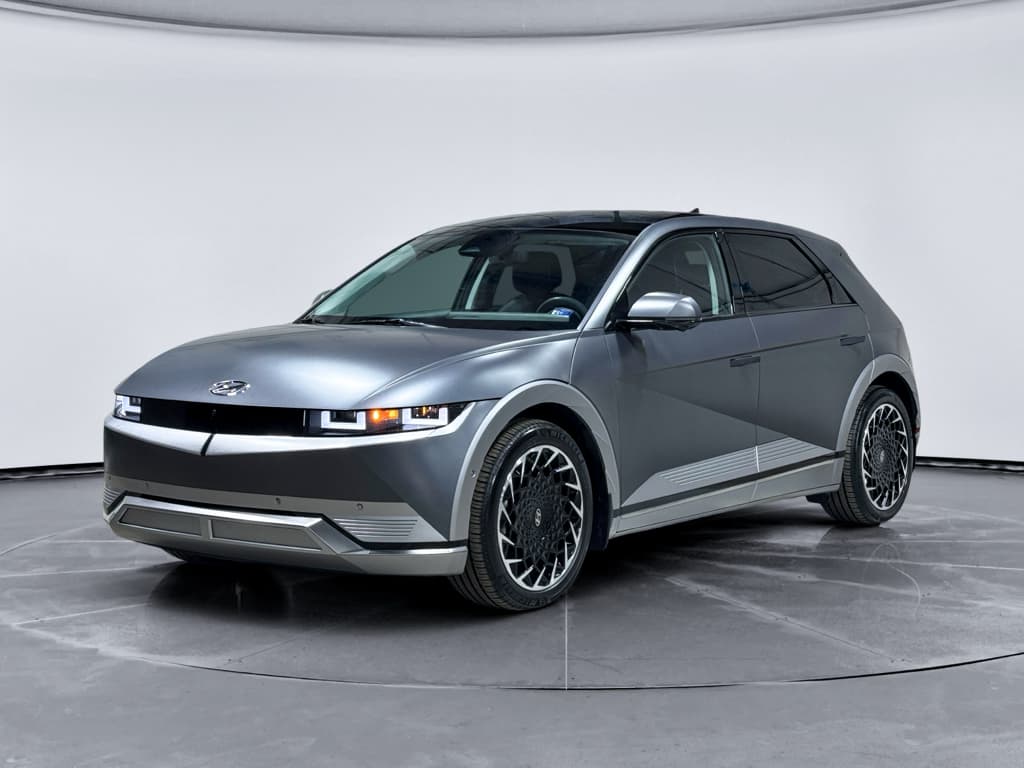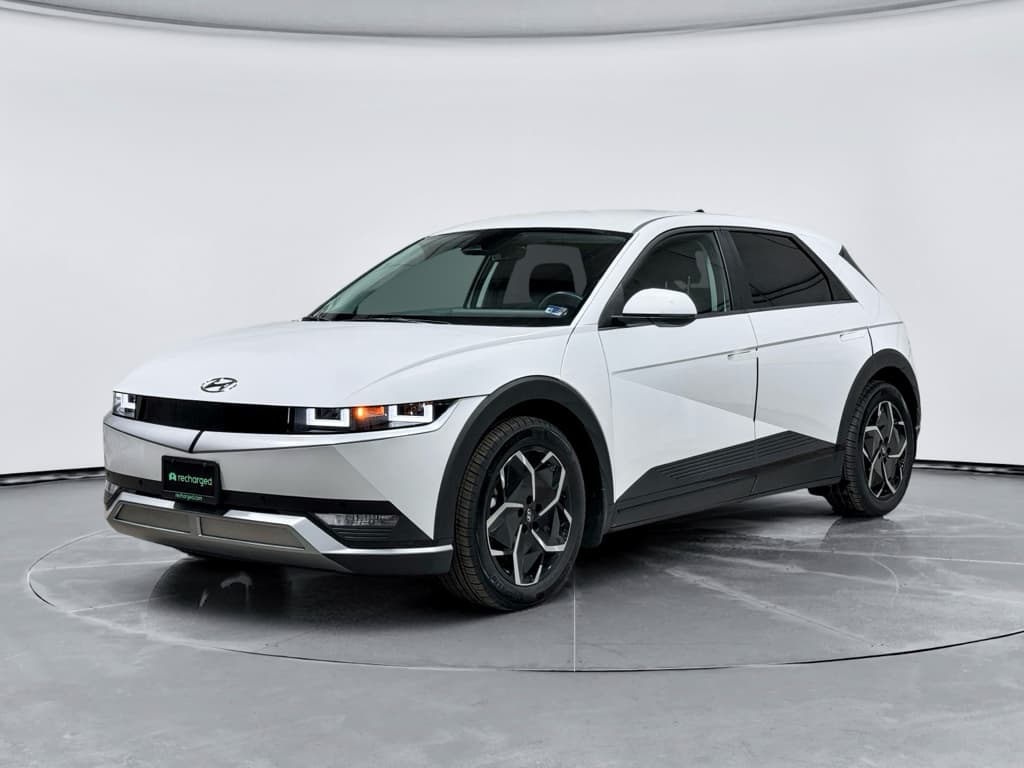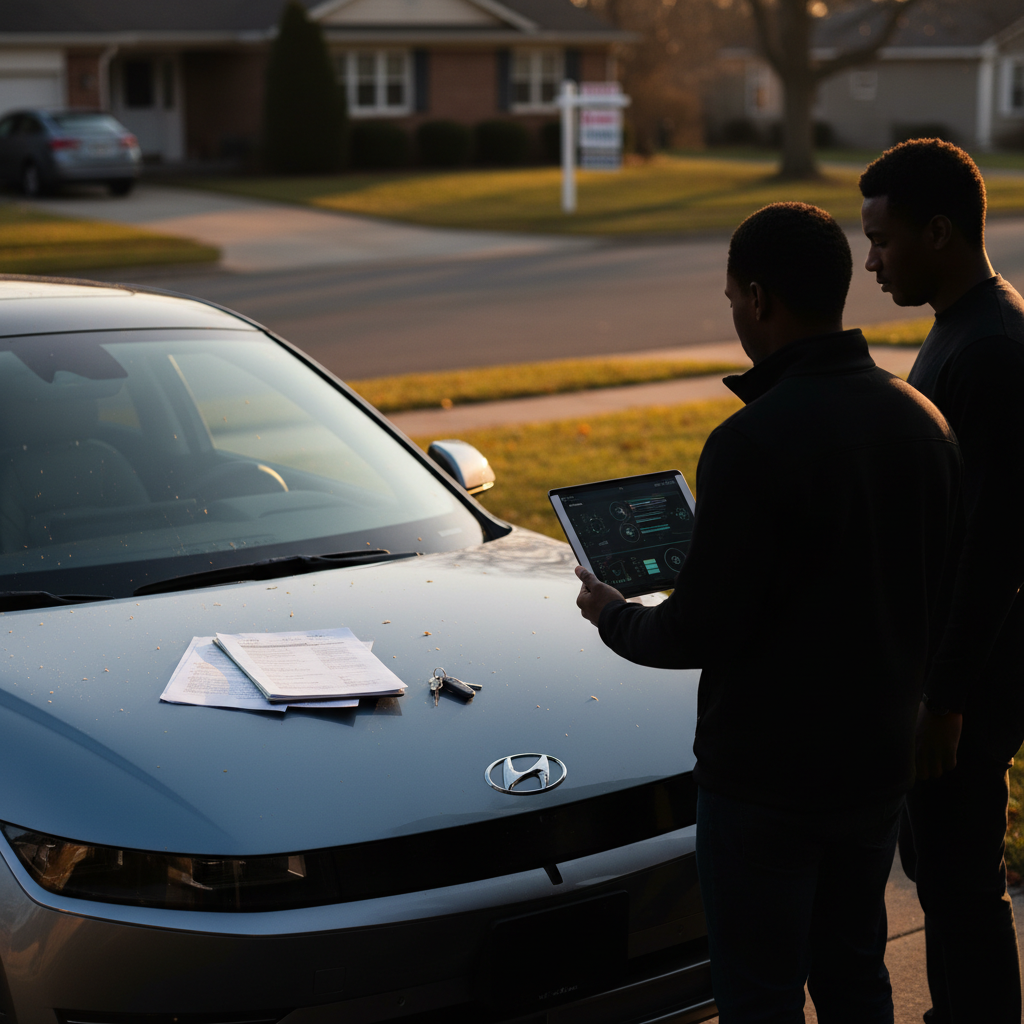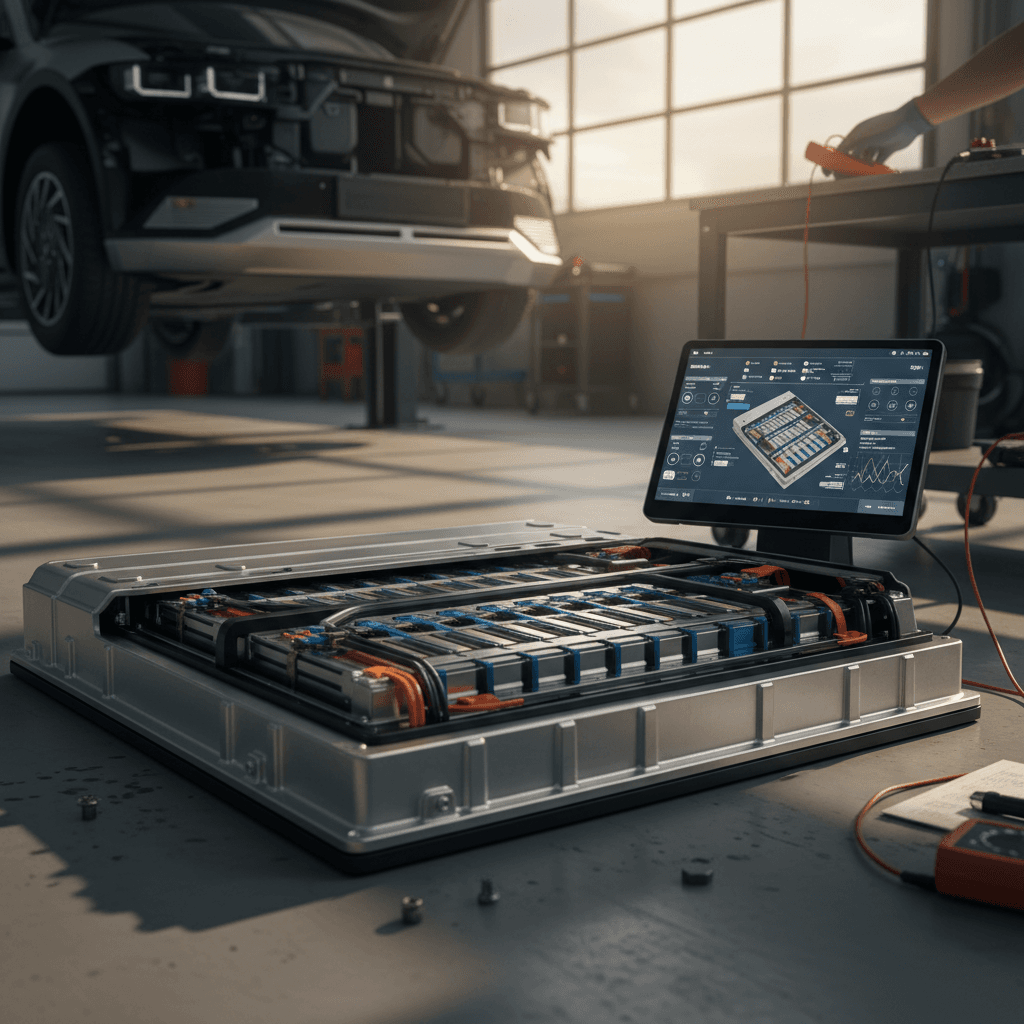
If you’re driving, or thinking about buying, a Hyundai IONIQ 5, understanding the battery warranty details isn’t optional. The high‑voltage pack is the most expensive component in the car, and the warranty is your safety net against defects and abnormal degradation. This guide breaks down the Hyundai IONIQ 5 battery warranty in plain English, so you know exactly what’s covered, for how long, and what to watch out for, whether you’re buying new or shopping the used market with a partner like Recharged.
Quick take
Hyundai IONIQ 5 battery warranty at a glance
IONIQ 5 battery warranty snapshot (North America)
Hyundai doesn’t hide from its battery warranty the way some brands do. The company has long marketed industry‑leading coverage on its electrified vehicles, and the IONIQ 5 benefits from that approach. Still, the exact terms depend on where the car was sold, the model year, and whether any regional programs apply, so you always want to anchor your understanding in the specific car in front of you.
How long the IONIQ 5 battery warranty lasts (years and miles)
For U.S.–market Hyundai IONIQ 5 models, the high‑voltage battery is generally covered under Hyundai’s EV battery warranty for at least eight years or 100,000 miles, whichever comes first. Many official materials and dealer communications also reference up to ten years of battery coverage on certain fully electric models, but the precise limit for your car is spelled out in the original warranty booklet and window sticker.
- Typical U.S. IONIQ 5 battery coverage: 8–10 years / 100,000 miles (whichever comes first).
- European and many global markets: often 8 years / 160,000 km for the lithium‑ion polymer pack.
- Basic vehicle warranty: usually 5 years / 60,000 miles in the U.S., separate from the high‑voltage battery coverage.
- Federal emissions and EV component coverage can overlap but don’t replace Hyundai’s own EV battery warranty.
Check your specific car
If you’re looking at a used IONIQ 5, the calendar clock starts on the date the car was first put into service, not the day you buy it. A 2022 IONIQ 5 first registered in March 2022, for example, will see its 8‑year battery coverage expire in March 2030, regardless of how long you’ve owned it.
What the Hyundai IONIQ 5 battery warranty actually covers
The IONIQ 5’s battery warranty is meant to protect you from manufacturing defects in the high‑voltage pack and its associated components, not from normal wear and tear. Hyundai also adds protection for excessive capacity loss, up to a point.
Core parts typically covered by the IONIQ 5 battery warranty
Exact language varies by region, but these components are at the heart of the coverage.
High‑voltage battery pack
Covers the lithium‑ion polymer traction battery modules, pack casing, and internal electronics when they fail due to defects, not accidents or misuse.
Battery management & HV electronics
In many markets Hyundai also covers related high‑voltage components such as the Battery Management System (BMS), inverter, onboard charger, and other EV‑specific control units.
Labor & diagnostics
If a covered defect is confirmed, Hyundai typically pays for diagnostics, labor, and parts needed to repair or replace the high‑voltage battery under warranty.
The important nuance is that Hyundai will usually decide whether to repair individual modules or replace the entire pack. From your standpoint, what matters is that capacity and safety are brought back within spec, and that it costs you $0 if it’s a covered claim.
Good news for used‑EV shoppers
Ready to find your next EV?
Browse VehiclesBattery degradation: when will Hyundai repair or replace?
All EV batteries lose some capacity over time, that’s normal. Hyundai’s warranty is designed to catch cases where the pack is degrading faster than expected.
- For most IONIQ and other Hyundai EVs, Hyundai specifies that the battery should retain at least about 70% of its original capacity over the warranty period.
- If capacity drops below that threshold under normal use within the time and mileage limits, Hyundai may repair or replace the battery under warranty.
- The company bases this on a combination of software‑based State of Health (SoH) readings and dealer diagnostics, not just your estimated range on a cold day.
Capacity vs. range
In practice, that means you won’t get a new battery just because your winter range feels shorter or your favorite DC fast charger only peaks at 160 kW instead of the headline number. But if diagnostics show that the pack can’t hold the minimum warranted capacity, and you’re within the years and miles, Hyundai is on the hook.
What’s not covered: common warranty exclusions
Like every automaker, Hyundai draws a line between defects and abuse. The battery warranty only applies when the car has been used and maintained within Hyundai’s guidelines.
Typical Hyundai IONIQ 5 battery warranty exclusions
Always confirm against your own warranty booklet, but these are common carve‑outs across EV warranties.
| Area | Usually Not Covered | Why It Matters |
|---|---|---|
| Accident or collision damage | Battery damage from crashes, flooding, fire, hail, or improper lifting/towing | Insurance, not the battery warranty, is supposed to cover this kind of damage. |
| Unauthorized modifications | Aftermarket tuning, non‑approved repairs, or tampering with high‑voltage components | Hyundai can deny claims if the battery or BMS has been altered. |
| Improper charging equipment | Damage from non‑compliant chargers, incorrectly wired home circuits, or unsafe adapters | You’re expected to use chargers that meet safety standards and proper electrical installation. |
| Neglect and misuse | Ignoring warning lights, continuing to drive with known faults, severe over‑ or under‑storage | If you abuse the pack, Hyundai may argue the failure is on you. |
| Commercial or fleet use (in some regions) | Taxis, ride‑share, rentals, or delivery service sometimes have shorter or different coverage | High‑mileage use can be treated differently from private consumer use. |
If you’re buying used, ask how the car was used and maintained, these items can make the difference between full coverage and an expensive repair.
Don’t ignore warning lights
Real‑world IONIQ 5 battery life and degradation data
On paper, the warranty is reassuring. In the real world, the IONIQ 5’s battery performance has been even more encouraging, with several high‑mileage cars making headlines for how little capacity they’ve lost.
- A Hyundai‑documented IONIQ 5 in Korea reportedly logged around 580,000 km (about 360,000 miles) in under three years before Hyundai replaced the motor and battery free of charge, with the original pack still showing around 87–88% State of Health.
- Independent road tests and third‑party analyses suggest that typical IONIQ 5 degradation is in the low single‑digit percentages after the first few years of mixed use, even when owners use DC fast charging regularly.
- Enthusiast and owner‑community reports often show IONIQ 5 packs retaining over 90% capacity past 100,000 miles when reasonably cared for, especially with a mix of Level 2 charging and occasional fast charging.
"Data from high‑mileage IONIQ 5 vehicles, some driven more than 400,000 miles, shows battery health remaining in the high‑80% range even after years of heavy DC fast‑charging use."
For you as a buyer or owner, that means the warranty is an important backstop, but the odds are good you’ll never need a full pack replacement, especially if you treat the battery with some basic care.
New vs. used IONIQ 5: how battery warranty transfers
Buying a new IONIQ 5
- You get the full battery warranty term (for example, 8–10 years / 100,000 miles) starting from the date of first registration.
- You control the car’s charging and storage habits from day one, which helps both battery health and resale value.
- Hyundai’s basic bumper‑to‑bumper and EV component warranties are also at full strength, minimizing early‑ownership risk.
Buying a used IONIQ 5
- The high‑voltage battery warranty is usually fully transferable, so you inherit whatever remains on the original term.
- The car’s early‑life charging, storage, and maintenance history is more of an unknown, this is where a third‑party battery health report from something like the Recharged Score becomes extremely valuable.
- As the car approaches the end of its battery warranty window, buyers will look more closely at capacity and any warranty repairs on record.
Pro move when shopping used
How to protect your IONIQ 5 battery, and keep coverage intact
The IONIQ 5’s pack is robust, but a few simple habits will stack the odds in your favor, both for long‑term capacity and for keeping Hyundai on your side if a warranty claim ever comes up.
Simple habits that support battery life and warranty claims
1. Use 20–80% for everyday driving
For daily use, try to keep the state of charge between about 20% and 80%. Reserve 100% charges for road trips or when you know you’ll need the full range.
2. Limit unnecessary DC fast charging
The IONIQ 5 is built to handle fast charging, but living on DC fast chargers every day can accelerate wear. Use home or Level 2 public charging when it’s convenient.
3. Avoid long‑term extreme temperatures
Whenever possible, don’t leave the car sitting for days at 0% or 100% in blazing heat or deep cold. A garage or shaded parking spot helps, and plugging in lets the thermal‑management system do its job.
4. Follow Hyundai’s maintenance schedule
Keep up with scheduled service and recall work. If a high‑voltage warning appears, get it inspected and documented quickly at a Hyundai dealer.
5. Use proper charging equipment
Have home circuits installed by a licensed electrician and use chargers that meet safety standards. Improper wiring that damages the pack may not be covered.
6. Keep good records
Save service receipts, recall documentation, and any dealer notes related to the battery or charging system. If you ever need a warranty claim, or want to sell, the paper trail works in your favor.
Home charging and battery health
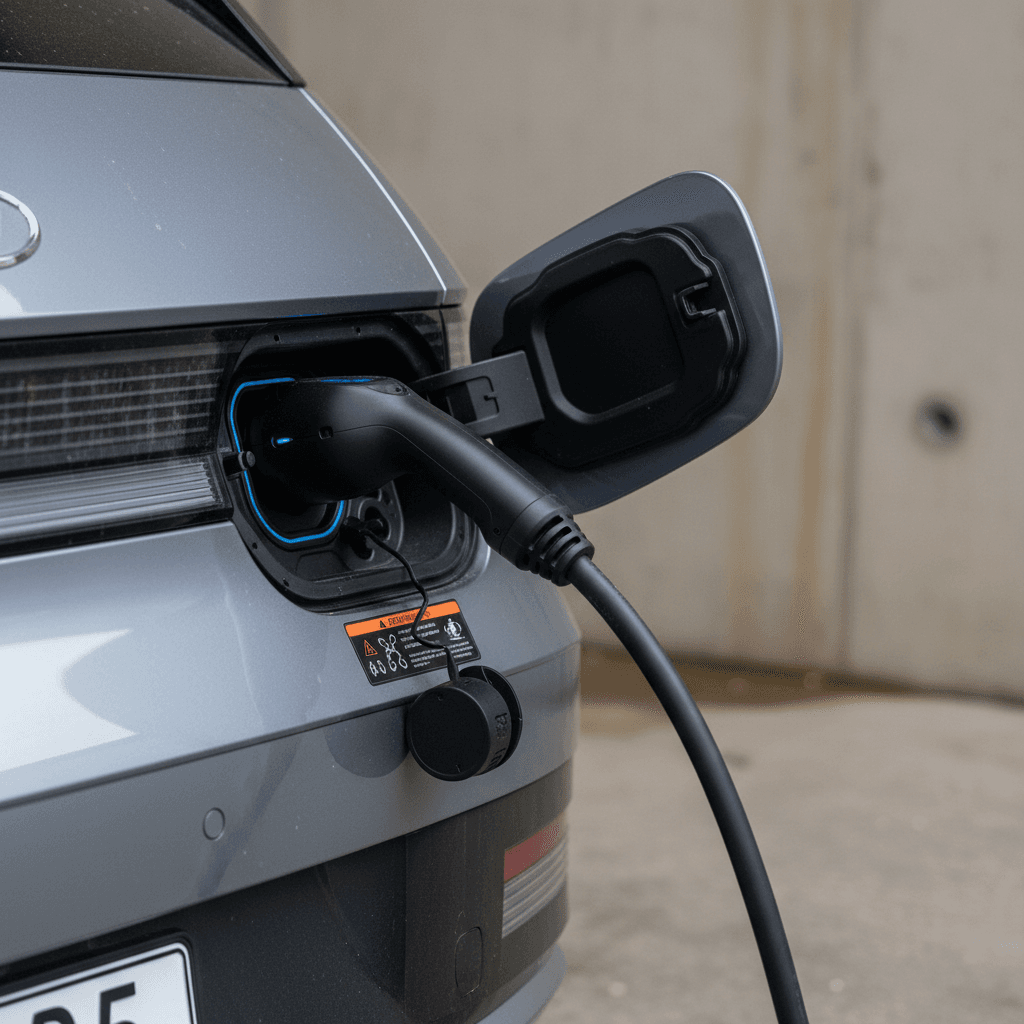
Battery replacement cost and resale value implications
Full pack failures on the IONIQ 5 are rare, but it’s fair to ask: what would it cost if the battery did need replacement outside of warranty?
- Hyundai does not publish fixed retail pricing for IONIQ 5 battery packs, but for modern long‑range EVs, out‑of‑warranty replacements can easily run into five figures when you include parts and labor.
- Because the IONIQ 5’s pack tends to hold up well, we’re more likely to see module‑level repairs or refurbished packs in the long run rather than everyone paying for brand‑new units.
- Strong real‑world durability plus a long battery warranty are two reasons the IONIQ 5 has been a relatively stable used‑EV buy, especially compared to early EVs with smaller, air‑cooled packs.
How Recharged helps here
Hyundai IONIQ 5 battery warranty FAQ
Hyundai IONIQ 5 battery warranty: frequently asked questions
Bottom line: how to think about the IONIQ 5 battery warranty
The Hyundai IONIQ 5’s battery warranty is one of the reasons the car has earned such a strong reputation among EV shoppers. You’re looking at at least 8 years and roughly 100,000 miles of high‑voltage coverage in most markets, along with protection against abnormal capacity loss. Combine that with real‑world examples of IONIQ 5s racking up hundreds of thousands of miles with only modest degradation, and the long‑term risk profile looks better than many shoppers expect.
That said, the warranty is only as good as your understanding of it. Know your car’s in‑service date, keep an eye on range trends, react quickly to warning lights, and treat the pack with basic respect. If you’re shopping used, insist on independent battery‑health verification and clear documentation. At Recharged, every IONIQ 5 we list comes with a Recharged Score Report, financing options, and EV‑specialist support, so you can step into ownership with your eyes open and your questions answered.