If you own a Nissan Versa, you’ve probably heard a dozen different answers about how often to change the oil: every 3,000 miles, 5,000, 7,500, “whenever the light comes on.” The reality is simpler and less mystical. Your Nissan Versa oil change interval depends on the model year, the oil you use, and how you actually drive the car.
Short answer
Why your Nissan Versa oil change interval matters
The Versa’s little four‑cylinder works hard. It spends its life doing exactly what engines hate: short trips, cold starts, stop‑and‑go traffic. Over time, oil breaks down, collects fuel and moisture, and stops protecting bearings and timing components the way it should. Stick to a sensible oil change interval and the engine will usually outlive the rest of the car. Stretch it too far, and you’re inviting timing‑chain noise, sludge, and expensive repairs that make a cheap car suddenly not so cheap.
Nissan Versa maintenance: why intervals aren’t just theory
Warranty reality check
Typical Nissan Versa oil change intervals by model year
Nissan adjusts its official maintenance schedules over time, but the pattern for U.S. Versa models is fairly consistent. Think of these as ballpark intervals; your specific car’s manual always wins the argument.
Typical Nissan Versa oil change intervals (U.S., gasoline models)
Approximate intervals drawn from Nissan maintenance schedules and common dealer guidance. Always confirm with your VIN‑specific maintenance schedule or owner’s manual.
| Model years | Engine examples | Normal service interval* | Severe service interval* | Notes |
|---|---|---|---|---|
| 2012–2019 Versa / Versa Note | 1.6L HR16DE | Every 5,000 miles or 6 months | Every 3,750–5,000 miles | Many manuals state 5,000 mi / 6 months as the standard service interval. |
| 2020–2024 Versa | 1.6L revised HR16DE | Every 5,000–7,500 miles or 6 months | Every 5,000 miles or 6 months | Some schedules show shorter early break‑in intervals, then stretch toward 7,500 mi with synthetic oil. |
| 2025+ Versa (current guidance) | 1.6L gasoline | Dealer‑recommended 5,000–7,500 miles | Dealer‑recommended 5,000 miles | Dealers commonly set reminders at 5,000 mi; oil‑life monitors may stretch longer in light use. |
Use this as a reference, then check your glovebox manual to confirm your exact schedule.
What “whichever comes first” really means
Normal vs “severe” driving: which schedule are you on?
Normal service (how the brochure imagines you)
- Regular highway driving
- Trips long enough for the engine to fully warm up
- Moderate climate (not constant sub‑freezing or extreme heat)
- Mostly light loads, no towing
If this sounds like you, your Nissan Versa oil change interval can usually follow the longer mileage shown in the table.
Severe service (how most Versas actually live)
- Frequent short trips under 5 miles
- Stop‑and‑go traffic in cities or heavy commuting
- Very hot or very cold climate
- Idling for long periods, or lots of hills
In severe use, it’s smart to treat 5,000 miles or 6 months as your upper limit, even with synthetic oil.
A simple rule of thumb
What oil type does a Nissan Versa use?
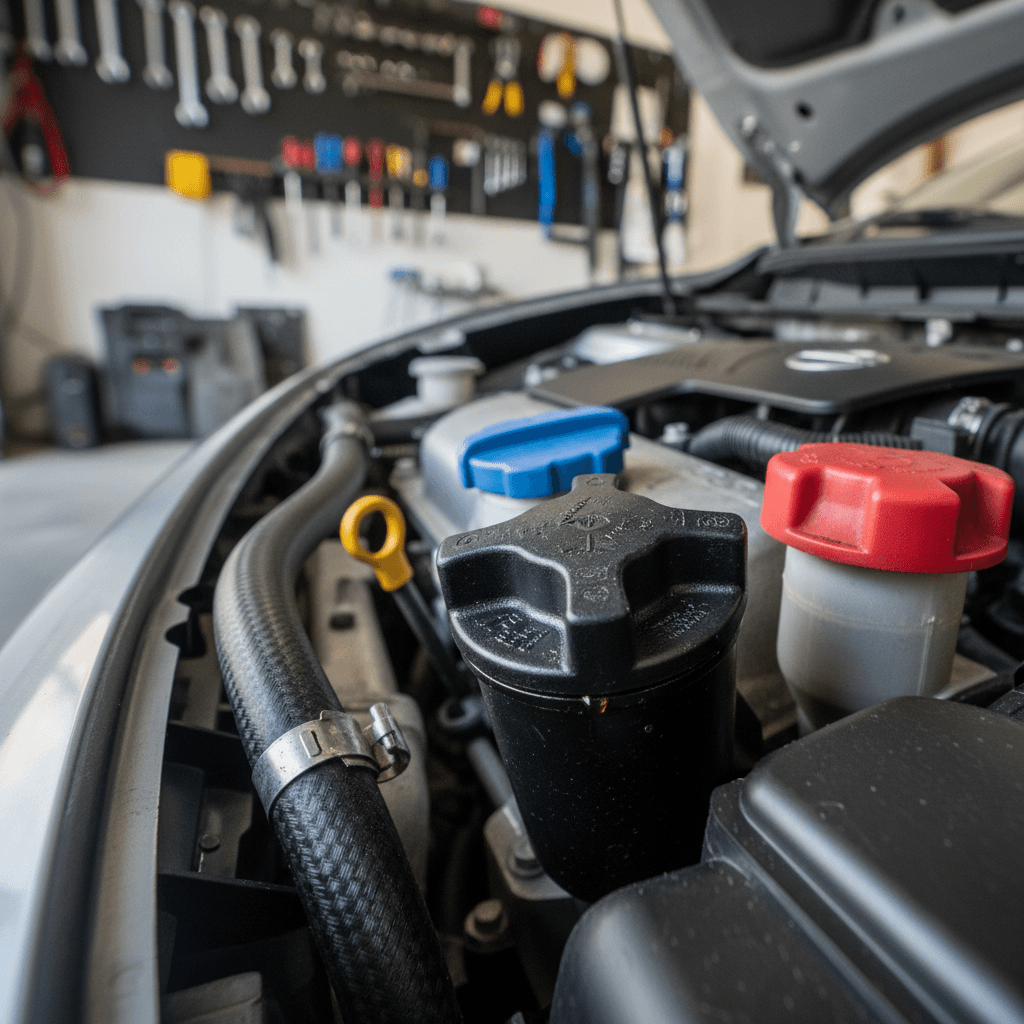
Most U.S.‑market Versa sedans from the last decade are factory‑filled with a low‑viscosity synthetic like 0W‑20 or 5W‑30, depending on the model year and engine. That thin oil isn’t some conspiracy to destroy your engine; it’s how Nissan meets modern fuel‑economy and emissions regulations. The trick is to use the exact viscosity and specification printed in your owner’s manual or on the oil filler cap.
Common Nissan Versa engine oil specs
Always double‑check your manual, but this is what most U.S. owners will see.
2012–2019 Versa / Versa Note
Typical spec: 5W‑30 or 0W‑20 SN‑rated oil, depending on market and year. Many U.S. manuals allow 5W‑30, especially in warmer climates.
2020–2025 Versa
Common spec: 0W‑20 full synthetic. Nissan increasingly standardizes on 0W‑20 for efficiency; running a thicker oil without approval can affect fuel economy and warranty coverage.
API / ILSAC ratings
Look for bottles labeled API SP and ILSAC GF‑6 (or newer). Reputable brands meeting these specs are fine; Nissan does not require a single specific brand.
Don’t freestyle your viscosity
Signs your Versa needs an oil change sooner than scheduled
Intervals are a planning tool, not a guarantee. Oil doesn’t know the odometer reading; it responds to how you drive and the conditions you drive in. If you notice any of the following, your Versa might be asking for fresh oil ahead of schedule.
- Oil change or maintenance light illuminated, and you’re close to or beyond your usual interval
- Oil on the dipstick looks very dark, thick, or gritty when rubbed between your fingers
- The engine sounds a bit harsher at idle or under load than it used to
- You smell burning oil or see light smoke from the exhaust
- Fuel economy has dropped noticeably without another obvious cause
Check the dipstick, not just the dash
Oil change costs for a Nissan Versa (and DIY vs shop)
Versa ownership is all about low operating cost, and oil changes are the cheapest insurance policy you can buy for the engine. You don’t need boutique race oil; you just need the right spec, changed on time.
Typical Nissan Versa oil change costs (U.S.)
Approximate market prices in late 2025. Actual costs vary by region, oil brand, and promotions.
| Service type | What’s included | Estimated cost range |
|---|---|---|
| DIY, conventional oil | Oil + filter + drain plug washer | $30–$45 |
| DIY, full synthetic 0W‑20 | Name‑brand synthetic oil + quality filter | $45–$75 |
| Independent shop | Synthetic blend or full synthetic, quick inspection | $70–$120 |
| Nissan dealer | Genuine Nissan filter, multi‑point inspection | $90–$150 |
Remember: quality oil and filters are still cheaper than engine work.
DIY or dealer?
How good maintenance helps when you trade in or go electric
Oil changes don’t just keep the engine alive; they also show future buyers that you’re the sort of person who doesn’t neglect the boring stuff. When you’re ready to move on from your Versa, maybe into a used electric like a Leaf, Bolt, or Model 3, those maintenance records turn into dollars.
Why staying on top of oil changes pays off
Especially when it’s time to move on from your Versa.
Higher trade‑in value
A Versa with a folder of documented 5,000‑mile oil changes is a much easier car to appraise. Buyers and retailers see that and assume the rest of the car has been treated the same way.
Easier jump to an EV
When you’re ready to switch into a used EV, retailers like Recharged look for well‑maintained trade‑ins. A clean Carfax and consistent service history make it easier to get a strong offer and step into a battery‑powered car with fewer moving parts to worry about.
At Recharged, every used EV we sell comes with a Recharged Score Report that does for battery packs what oil‑change history does for engines: it tells you, in plain English, whether the important stuff is still healthy. If you’re looking at life after the Versa, it pays to treat the car well now.
Quick checklist for planning your next oil change
Nissan Versa oil change planning checklist
1. Confirm your official interval
Open the glovebox, pull out the owner’s manual, and look up the maintenance schedule. Note the recommended interval for engine oil under both normal and severe service.
2. Decide if your driving is severe
If you mostly do short trips, heavy traffic, or live in extreme climates, treat your Versa as severe service and plan on a 5,000‑mile or shorter interval.
3. Choose the correct oil and filter
Match the viscosity (0W‑20, 5W‑30, etc.) and specifications in the manual. Buy a reputable brand and a quality filter; cheap filters are false economy.
4. Track mileage and time
Write your last oil change mileage and date on a piece of tape in the door jamb, or set a reminder in your phone for 6 months or 5,000 miles from now, whichever you’ll hit first.
5. Keep your receipts
Whether you DIY or use a shop, save receipts and jot the mileage on them. This protects your warranty now and helps your resale value later.
6. Pair it with other service
Oil changes are a perfect time to rotate tires, check brakes, and inspect fluids. Small cars like the Versa stay cheap to run if you catch problems early.
Nissan Versa oil change interval: FAQ
Frequently asked questions about Nissan Versa oil changes
The Nissan Versa was designed to be inexpensive to buy and inexpensive to keep alive. Respect the recommended oil type, follow a 5,000–7,500‑mile oil change interval that matches how you actually drive, and the engine will likely outlast your patience with drum‑brake economy‑car life. And when you’re ready to trade piston rings for battery cells, showing that you cared for the basics will make your exit from Versa ownership, and your entry into a used EV from Recharged, a lot easier.