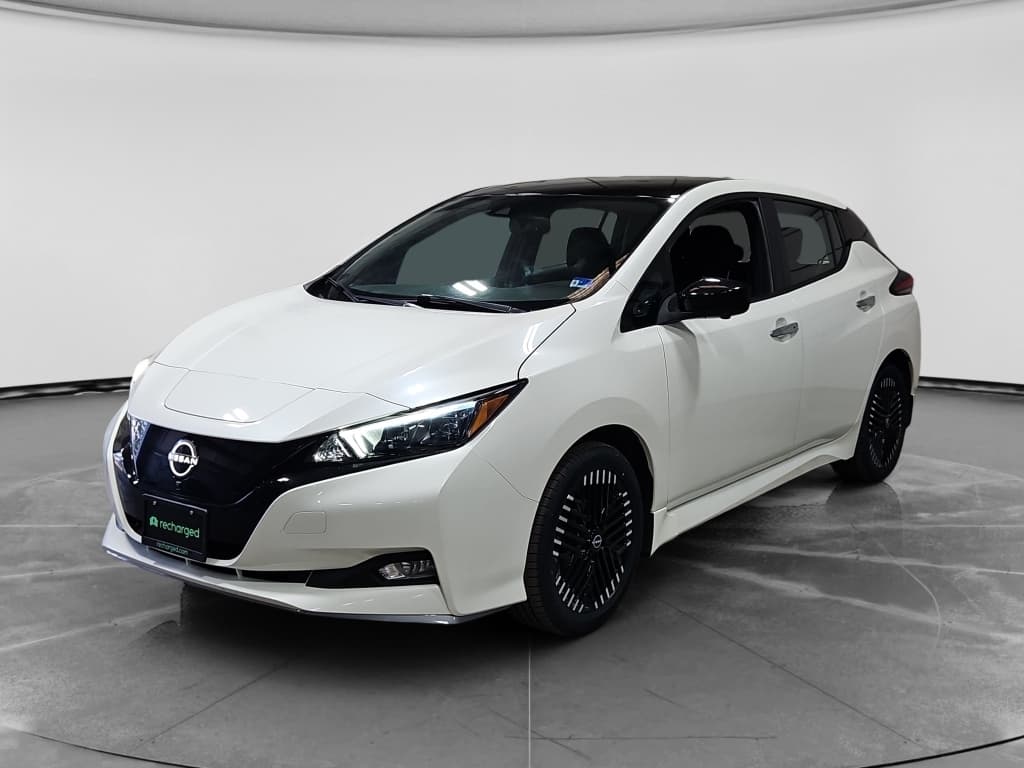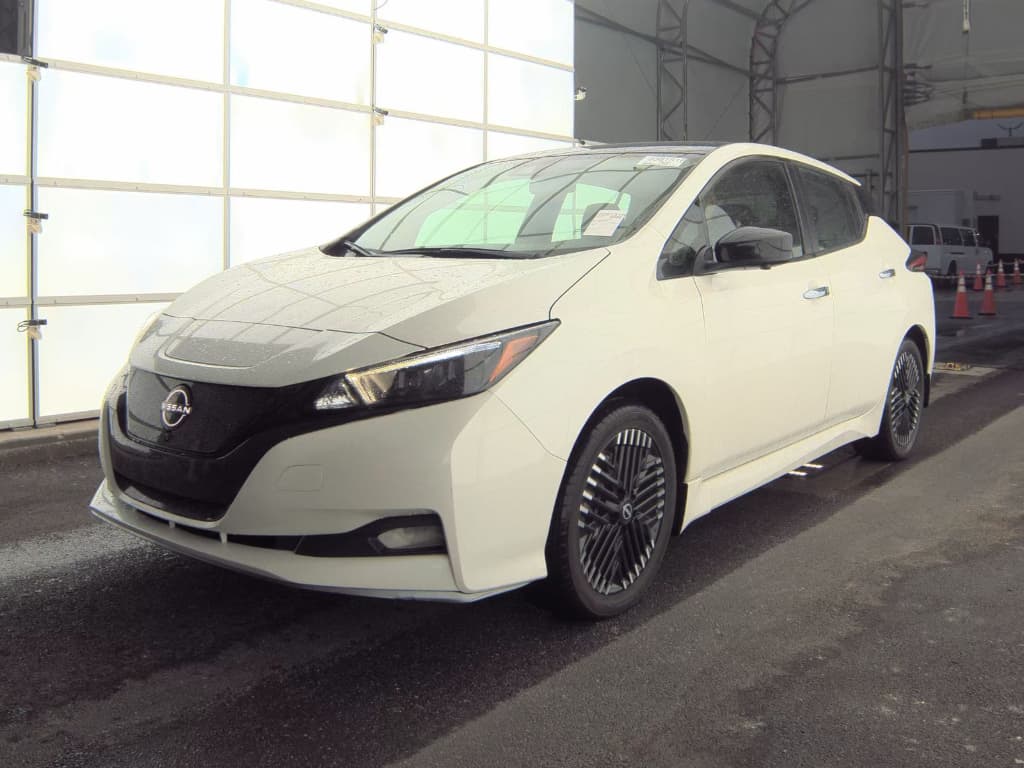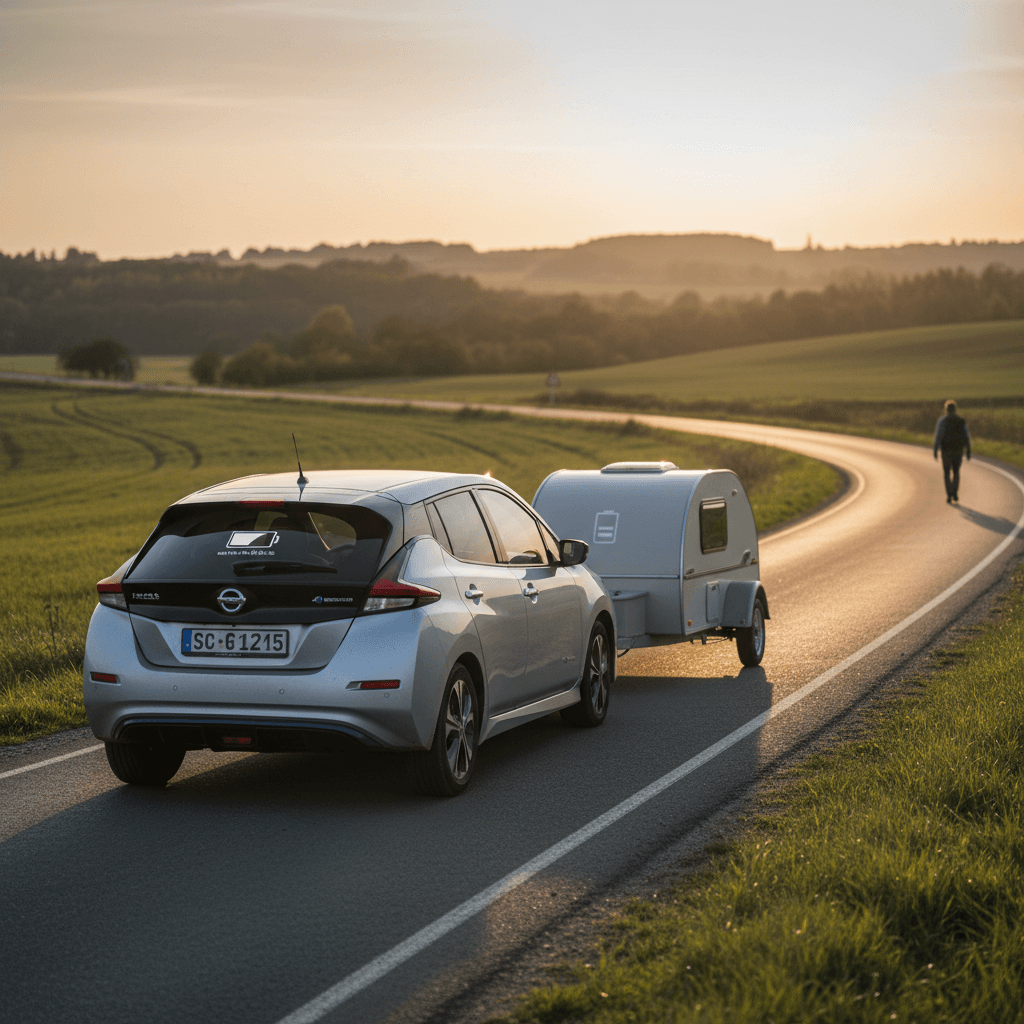
If you own a Nissan Leaf, sooner or later you look at that flat load floor and think, “Could this little EV tow a trailer or carry more gear?” The answer is yes, with some big asterisks. Understanding **Nissan Leaf towing capacity and range loss** is crucial before you bolt on a hitch, hook up a trailer, and head out of town.
Quick take
Can a Nissan Leaf tow at all?
Let’s get the uncomfortable truth out first: in the United States, **Nissan does not publish an official tow rating for the Leaf**. In most owner’s manuals and roadside assistance guides, the company positions the car as *not designed for trailer towing* and focuses instead on flatbed-only recovery and transport. That’s the letter of the law from the factory side.
In the real world, though, Leaf owners are a resourceful bunch. Since the first‑generation cars showed up in 2011, people have been quietly adding **aftermarket receiver hitches** and pulling: - Small utility trailers with mulch, lumber, or yard waste - Light camping or teardrop trailers - Personal watercraft or small boats - Bike racks and cargo baskets When you’re reading about **Nissan Leaf towing capacity and range loss**, you’re really piecing together two things: 1. What the *hardware* (hitch + car) can tolerate. 2. How towing affects your usable **battery range** on a given drive.
Official Nissan Leaf towing capacity vs real‑world use
What Nissan says (U.S. market)
- No published towing capacity in most model years.
- Owner’s materials discourage trailer towing.
- Roadside guides emphasize flatbed towing only.
- Warranty is written with non‑towing use in mind.
What owners actually do
- Install Class 1 or specialized hitches from brands like Curt and EcoHitch.
- Use the hitch for bike racks and cargo carriers almost routinely.
- Tow small trailers (often 500–1,000 lb loaded) at modest speeds.
- Report noticeable, but manageable, range loss when towing.
Important disclaimer
Outside North America, certain Leaf variants have carried small **official tow limits** in local markets, typically in the 600 kg (about 1,320 lb) ballpark for a braked trailer, and much less tongue weight. That tells you the platform can physically manage a modest trailer, but it doesn’t override the “no tow rating” stance for U.S. cars.
Hitch ratings, tongue weight, and what they actually mean
When you start shopping for Leaf hitches, the numbers you see are **hitch ratings**, not Nissan ratings. Two common options:
Typical aftermarket hitch options for Nissan Leaf
What the labels say, and how to interpret them
Class 1 receiver hitch (e.g., Curt)
- Often labeled for **2,000 lb gross trailer weight**.
- Typical **tongue weight rating ~200 lb**.
- Bolts to Leaf’s rear structure or subframe.
- Common choice for bike racks and light trailers.
EcoHitch or similar hidden hitches
- Designed specifically for the Leaf’s structure.
- Some list **tongue weight ratings up to ~300 lb**.
- Marketed primarily for racks and cargo trays.
- Still not an official Nissan tow endorsement.
Hitch rating vs. vehicle limits
For a Nissan Leaf, the more important practical number is **tongue weight**, how much downforce you’re putting on the rear of the car at the hitch: - Many Leaf‑specific hitches: **~200–300 lb tongue weight**. - A 4‑bike rack with four e‑bikes can flirt with that limit fast. - A small utility trailer with gear can easily push 100–150 lb on the ball if it’s not loaded carefully. As a rule of thumb, you want **10–15% of the trailer’s weight** on the tongue for stability. If your tongue weight limit is 200 lb, that naturally keeps the *trailer* itself in the roughly 1,000–1,500 lb range at most, and that’s before you think about braking distances and range loss.
Where to find your real limits
How towing affects Nissan Leaf range
Every EV loses range when you hang more weight and more aerodynamic drag behind it. The Leaf is no exception, and because its battery pack is smaller than a big SUV’s, you feel those losses sooner.
Nissan Leaf range basics (recent U.S. models)
Those percentage ranges line up with broader **EV towing data**: small, low trailers often cost you roughly **30–40%** of your usual range, medium boxy campers more like **40–60%**, and big, tall loads can chew through **60–70% or more** on highway runs. The Leaf’s modest battery simply means you hit those reduced ranges quickly.
Remember, that range loss is a blend of: - **Extra weight**: More mass to accelerate and climb hills. - **Aerodynamic drag**: Tall, square trailers act like a parachute. - **Rolling resistance**: More tires on the ground, often at lower pressures. - **Higher speeds**: Drag goes up with the square of speed, so 75 mph hurts far more than 55 mph. A Leaf that usually delivers 4.0 mi/kWh solo might drop to 2.5–3.0 mi/kWh with a small, tidy trailer and into the low 2s with a boxy camper at interstate speeds.
Real‑world Leaf towing scenarios and range loss
Owners have shared countless anecdotes in forums and social channels. While every route and driver is different, some patterns emerge. Use these as **ballpark planning tools**, not guarantees.
Typical Nissan Leaf towing setups and range impact
These are conservative estimates based on owner reports and general EV towing data. Always test on your own routes before committing to long trips.
| Setup | Example load | Speed focus | Estimated range loss | What that means in miles (40 kWh / 60 kWh) |
|---|---|---|---|---|
| Empty hitch or 1–2-bike rack | Hitch installed, light bike rack, no bikes or 1–2 lightweight bikes | City + highway | 0–5% | Barely noticeable: 145–149 → ~140–149 mi (40 kWh), 205–212 → ~200–212 mi (60 kWh) |
| Heavier rack or cargo basket | 2–4 bikes including e‑bikes, or rear cargo tray with ~150 lb of gear | Mixed, up to 65 mph | 5–15% | Plan for ~125–140 mi (40 kWh), ~180–200 mi (60 kWh) |
| Small utility trailer | 4x6 or 5x8 trailer, 500–800 lb loaded, kept low and tidy | Mostly 45–60 mph | 25–40% | Realistic ~85–110 mi (40 kWh), ~130–160 mi (60 kWh) |
| Teardrop or compact camper | Streamlined camper ~1,000–1,500 lb loaded | 55–65 mph | 35–50% | Roughly 75–95 mi (40 kWh), ~110–140 mi (60 kWh) |
| Tall boxy trailer near limits | Tall cargo box, small toy hauler, poor aero, heavy | 65–70+ mph | 50–60%+ | Can drop to ~60–75 mi (40 kWh), ~90–110 mi (60 kWh), or worse in wind/hills |
Estimate your own Leaf towing range by starting from your normal no‑trailer highway or mixed‑driving range, then applying the percentage loss below.
Don’t plan on EPA range when towing
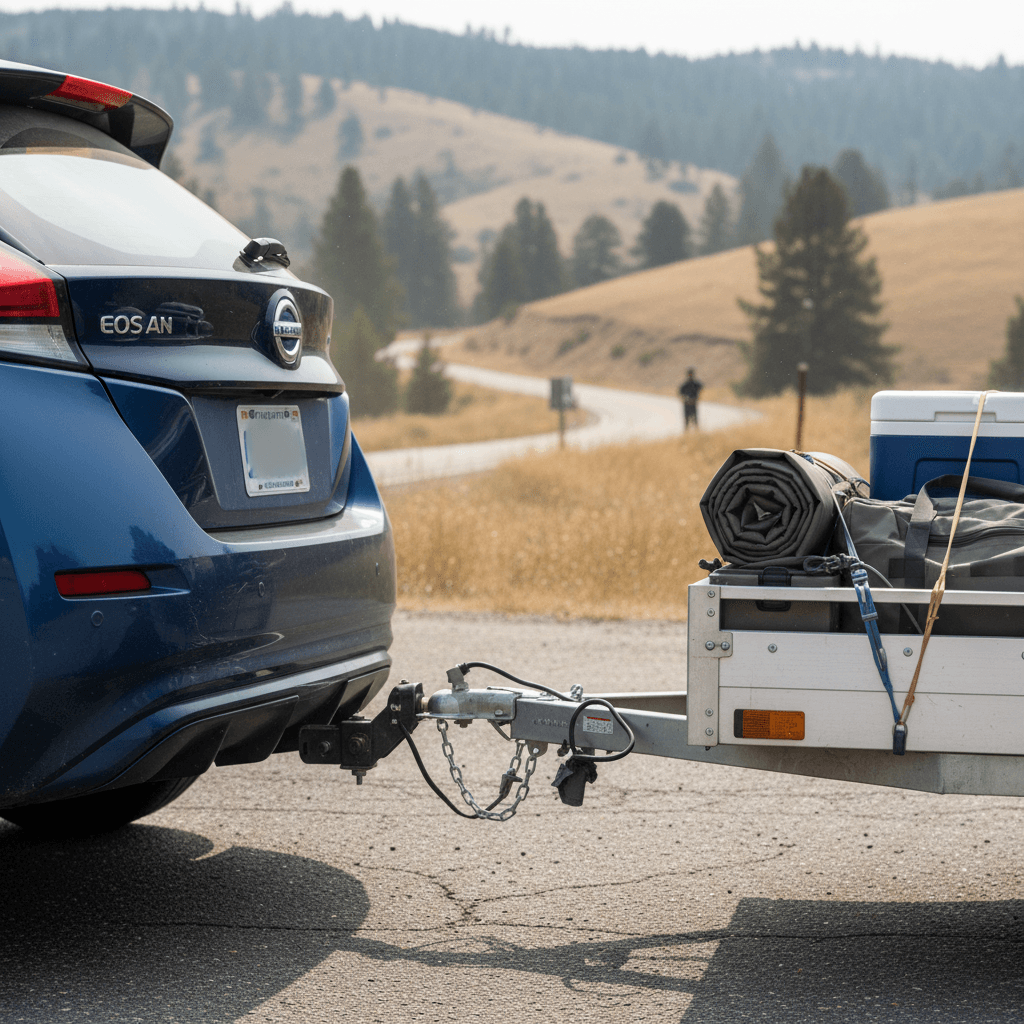
Is it safe to tow with a Leaf?
Safety is where you have to think like an engineer, not just a driver. The Leaf has instant torque, a relatively short wheelbase, and front‑wheel drive. That combination can tow a little, but it can also get squirrelly and overheat components if you push it.
Leaf towing safety checklist
1. Stay well under hitch and tongue weight limits
If your hitch is rated for 200 lb tongue weight, treat 150 lb as a practical ceiling. That extra margin helps with emergency maneuvers, potholes, and rough roads.
2. Keep trailer weight reasonable
Think in terms of **500–1,000 lb loaded** for a 40 kWh Leaf, maybe up to ~1,500 lb for a 60 kWh car in flat country. That’s not a rule, but it’s a sensible, conservative band.
3. Mind braking distances
The Leaf’s brakes were sized for the car alone. No factory‑integrated brake controller, no heavy‑duty tow package. Leave far more space ahead of you, especially downhill.
4. Avoid high crosswinds and steep grades
Short‑wheelbase EV + tall trailer + crosswind is a bad cocktail. If you must tow in windy or mountainous areas, slow down, stay in the right lane, and cut trip legs shorter.
5. Watch motor and battery temps
High power output on long climbs can heat the motor, inverter, and battery. If your Leaf starts limiting power or kicks the cooling fans into overdrive, back off and take a break.
6. Practice locally before road‑tripping
Load your trailer and do a full‑charge loop close to home: braking tests, lane changes, hill starts. Note your mi/kWh and how the combination behaves before venturing far.
Great use cases for a Leaf hitch
Tips to cut range loss when towing with a Leaf
You can’t cheat physics, but you can work with it. A few thoughtful choices can turn a nerve‑wracking trip into a calm, predictable one.
Smart ways to protect your Leaf’s range while towing
Simple adjustments that add real miles back to the battery gauge
Prioritize aerodynamics
Keep your trailer **low and narrow**. Stack cargo below roofline if you can, and use rounded fronts or nose cones where possible. Aero drag, not weight, is your biggest highway enemy.
Slow down
Dropping from 70 to 60 mph can claw back a surprising amount of range. On a Leaf, that can be the difference between reaching your next fast charger comfortably or arriving on electrons and prayers.
Shorter legs, more stops
Plan **shorter hops between chargers** than you would in solo driving, especially on unfamiliar routes. Think 50–70 miles between DC fast charges, not 110–130.
Pack light and smart
Leave the anvil at home. Strip non‑essentials, distribute weight forward but within tongue‑weight limits, and keep heavy items low in the trailer or cargo tray.
Respect weather and terrain
Cold weather, headwinds, and hills each take a bite out of range. All three together can be brutal. Dial back speed and use **Eco** or **B‑mode** to ease the load on the battery.
Use apps and on‑board data
Watch your mi/kWh as you drive. If you were counting on 3.5 mi/kWh and you’re seeing 2.2, adjust on the fly: slow down, shorten your next leg, or pick a closer charge stop.
Plan charging with the trailer in mind
Buying a used Nissan Leaf for light towing
If you’re shopping the used market and you know you’ll want a hitch, maybe for bikes, maybe for a tiny camper, you can absolutely spec a Leaf to suit that life. You just have to shop a little differently.
Battery and range considerations
- For any towing, the **larger battery (Leaf Plus / SV Plus)** is your friend. More kWh means more buffer when range dips.
- Ask for a **battery health report**, Recharged includes a Recharged Score with verified pack condition on every car.
- If you routinely drive longer legs, favor newer model years with better remaining capacity and, where available, faster DC charging.
What to inspect on a hitch‑equipped Leaf
- Look for **clean, rust‑free hitch mounting points** and hardware.
- Check the rear structure around the hitch for any signs of bending or impact.
- Ask how the previous owner used it: **bikes and cargo**, or **regular heavy towing**?
- Confirm wiring quality if the car has trailer lights, no hacked harnesses or scotch‑locks into high‑voltage wiring.
Working with a used‑EV specialist like Recharged helps here. We focus on EVs only, run **battery health diagnostics** on every car, and can walk you through what kind of daily driving, or occasional towing, a particular Leaf is realistically suited for. If you want to add a hitch after purchase, our team can also talk through best practices and how that might affect your range expectations.
Frequently asked questions about Nissan Leaf towing
Nissan Leaf towing FAQs
Bottom line: Can a Nissan Leaf handle your towing needs?
If your idea of towing is a **30‑foot camper and a cross‑country run**, the Leaf is the wrong tool for the job. It simply wasn’t engineered or rated for that life. But if you’re picturing **bikes on a rack, a cargo basket for camping gear, or a small utility trailer** for weekend projects, a Nissan Leaf, especially a Leaf Plus, can absolutely play that role with the right expectations.
Treat the Leaf’s towing ability as **light‑duty and range‑sensitive**. Respect hitch and tongue‑weight limits, keep speeds reasonable, and plan shorter legs between charges when you’re pulling a trailer. Do that, and you’ll discover that this little EV can move an impressive amount of stuff while still being one of the easiest, lowest‑cost commuters you can own.
If you’re shopping for a used Leaf with towing in mind, working through Recharged means every car comes with a **Recharged Score Report**, verified **battery health**, and EV‑specialist support that’s happy to talk honestly about what each Leaf can, and shouldn’t, be asked to do. That way, when you finally back up to that trailer, you’ll know exactly what you and your Leaf are getting into.