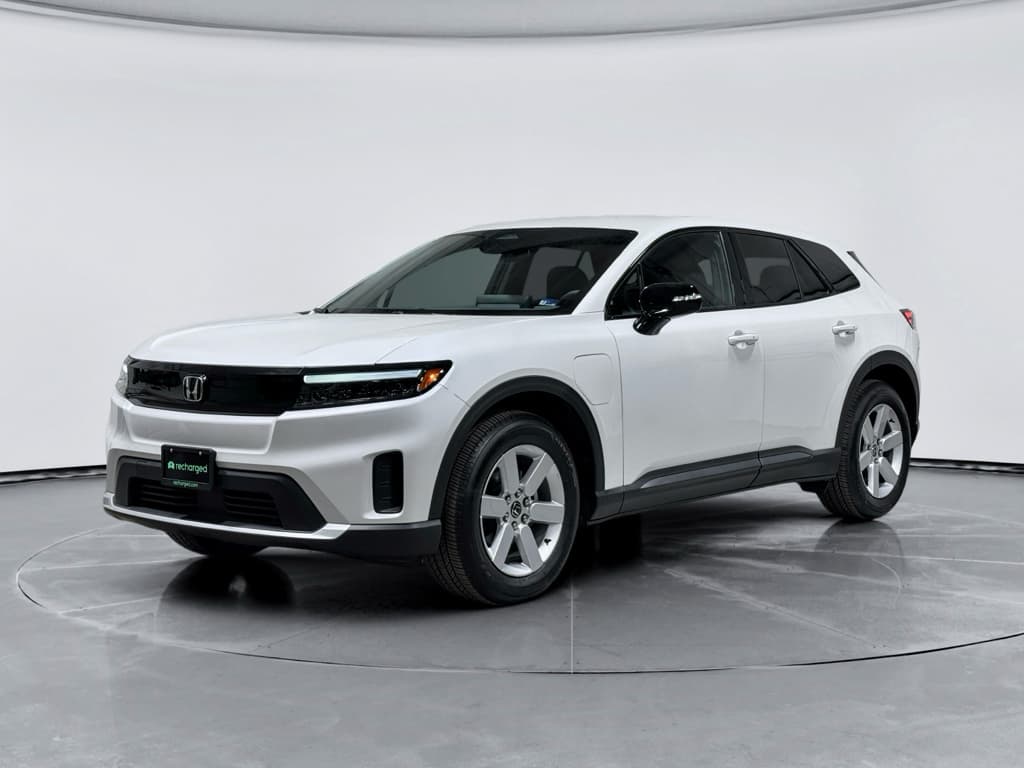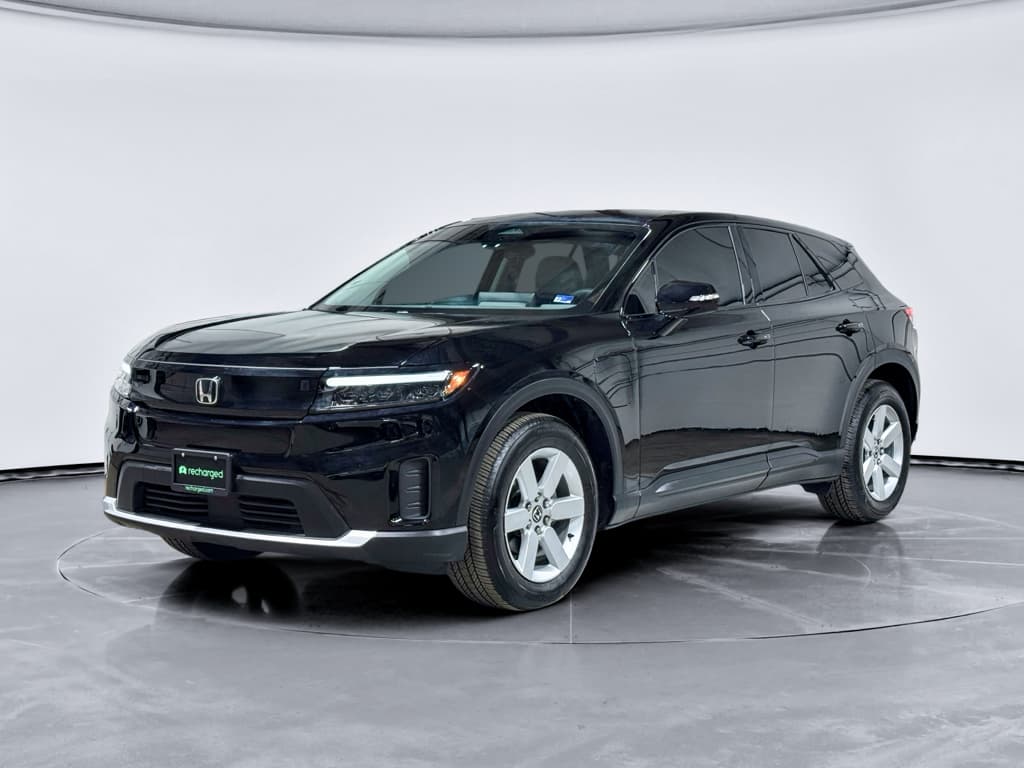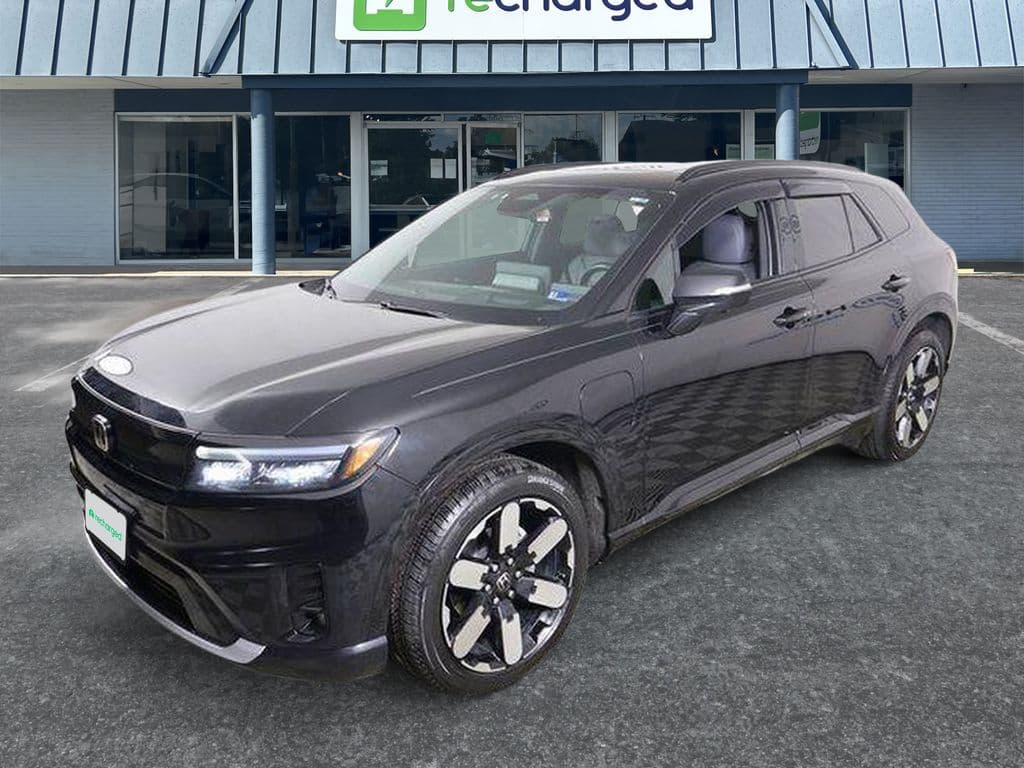
If you live where the plows wake you up before sunrise, you’re right to wonder whether the Honda Prologue is best for snow and ice driving, or if you should look elsewhere. The Prologue is a mid-size electric SUV on GM’s Ultium platform, with available dual‑motor all‑wheel drive, generous ground clearance, and a full suite of driver‑assist tech. But like every EV, its winter personality depends heavily on which version you choose and how you set it up.
Key takeaway up front
Quick answer: Is the Honda Prologue good in snow and ice?
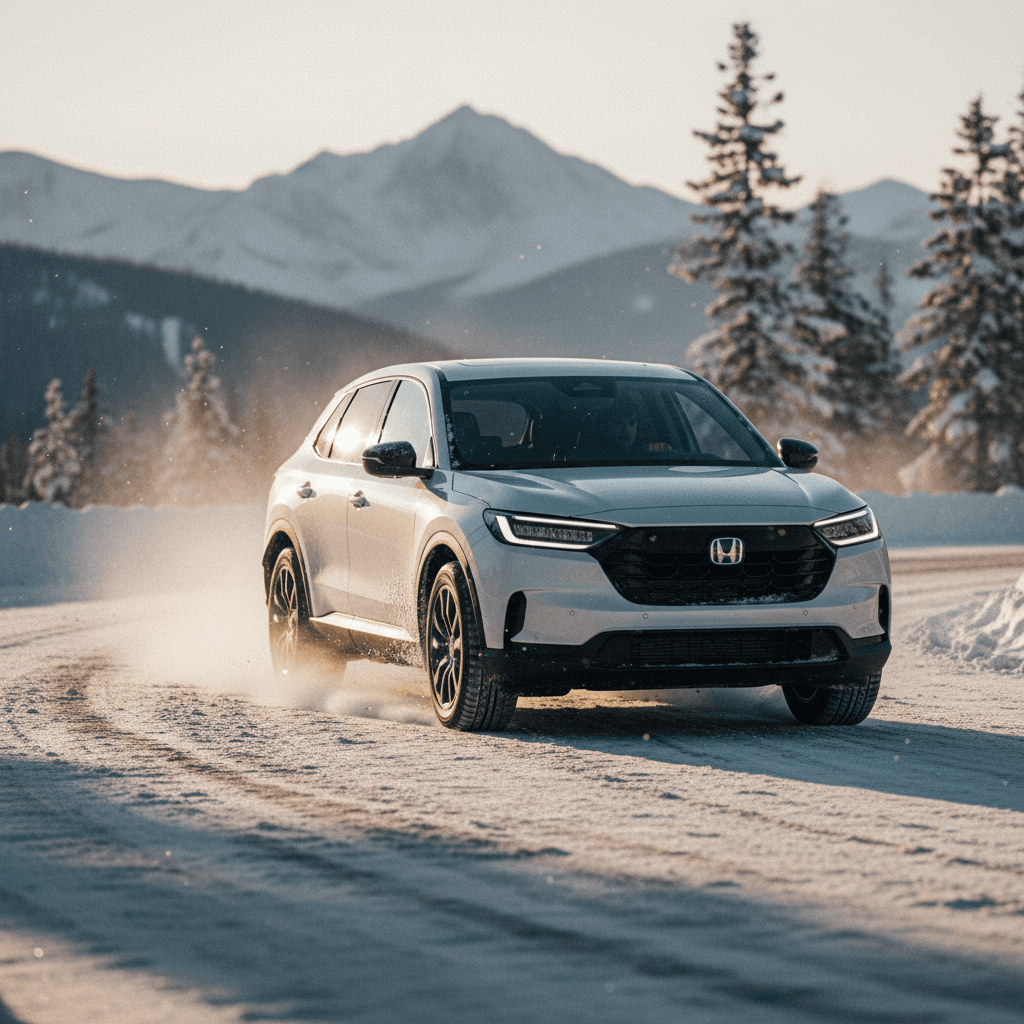
- Yes, for most winter conditions: The Prologue’s dual‑motor AWD, heavy battery pack, and modern stability control give it sure‑footed traction on plowed or lightly snow‑covered roads.
- Borderline in unplowed, deep snow: Around 7–7.8 inches of ground clearance (depending on trim) is solid for a crossover but not skid‑plate SUV territory. Once snow is to the rocker panels, any crossover starts to drag.
- Tires are everything: Owners who run dedicated winter tires report excellent traction and braking. Those on OEM all‑season EV tires see very mixed results in ice and packed snow.
- Cold affects range more than traction: Expect noticeable winter range loss from battery chemistry and cabin heating; that’s normal for any EV, and you can plan around it.
Don’t confuse traction with stopping power
Honda Prologue winter strengths and limitations
Where the Honda Prologue shines, and where it struggles, in winter
Understanding the hardware makes it easier to decide if it fits your climate.
Winter strengths
- Low center of gravity from the underfloor battery keeps the Prologue planted on slick roads and during evasive maneuvers.
- Smooth electric torque and precise traction control mean less wheelspin drama pulling away from stop signs.
- Available dual‑motor AWD offers confident acceleration on snow and wet pavement.
- Modern safety tech like stability control, ABS, Honda Sensing, and available surround‑view cameras all help in poor visibility and low grip.
Winter limitations
- Range drop in cold: Expect meaningful range loss in sub‑freezing temps, especially at highway speeds.
- OEM tires may be marginal: Stock all‑seasons are tuned for efficiency and comfort, not blizzard duty.
- Not a rock crawler: Ground clearance is good for a crossover, not a lifted 4x4. Deep ruts and plow berms still pose a risk.
- Weight cuts both ways: Heavier curb weight helps traction but increases stopping distances if tires can’t bite into the surface.
AWD vs FWD: Which Honda Prologue is best for snow?
Honda offers the Prologue in both single‑motor front‑wheel drive (FWD) and dual‑motor all‑wheel drive (AWD) configurations. If winter is a fact of life where you live, this choice matters more than trim color or wheel design.
Honda Prologue FWD vs AWD for winter driving
How the two powertrains stack up when the forecast turns ugly.
| Feature | FWD Prologue | AWD Prologue | |||
|---|---|---|---|---|---|
| Traction from a stop | Good with proper tires | Stronger, especially on hills | |||
| Handling on slick roads | Stable but can understeer if pushed | More neutral, power can shift front/rear | |||
| Climbing snowy driveways/hills | Can struggle if steep or icy | Noticeably better confidence | Efficiency / range | Slightly better EPA range | Sacrifices some range for traction |
| Purchase price | Lower | Higher (but often minor vs total cost) | |||
| Best for | Mild winters, mostly plowed city driving | Snow belts, mountains, unplowed side roads |
If winter matters, prioritizing AWD usually makes more sense than chasing maximum range.
Best winter choice
That doesn’t mean FWD is useless in snow. Plenty of drivers manage harsh winters in FWD cars every year. The Prologue’s weight over the driven wheels helps there. But if you’re shopping specifically with snow and ice in mind, and especially if you’re looking at a used Prologue, put “AWD” at the top of your must‑have list and verify it on the window sticker or build sheet, not just the badge.
Ground clearance, weight, and chassis for winter roads
On paper, the Honda Prologue sits right where you’d expect a modern electric crossover to land. It’s not a towering truck, but it isn’t a low‑slung hatchback either. That middle ground is exactly what many winter drivers want.
Honda Prologue specs that matter in winter
Think clearance, not just AWD
How the chassis behaves on winter roads
- Independent suspension on all four corners keeps the tires in better contact with broken, frozen pavement.
- Sophisticated stability control can trim torque at individual wheels faster than any human could react with a throttle pedal.
- Low center of gravity from the battery calms body roll in emergency maneuvers, even on slick surfaces.
Where you still need to be cautious
- Deep ruts, unplowed roads, and heavy wet snow can still high‑center a crossover‑height vehicle.
- Hidden ice at intersections or under slush will catch out any car whose driver is overconfident.
- That extra EV weight means extra momentum, leave more following distance than you would in summer.
Tires: The real make-or-break factor for snow and ice
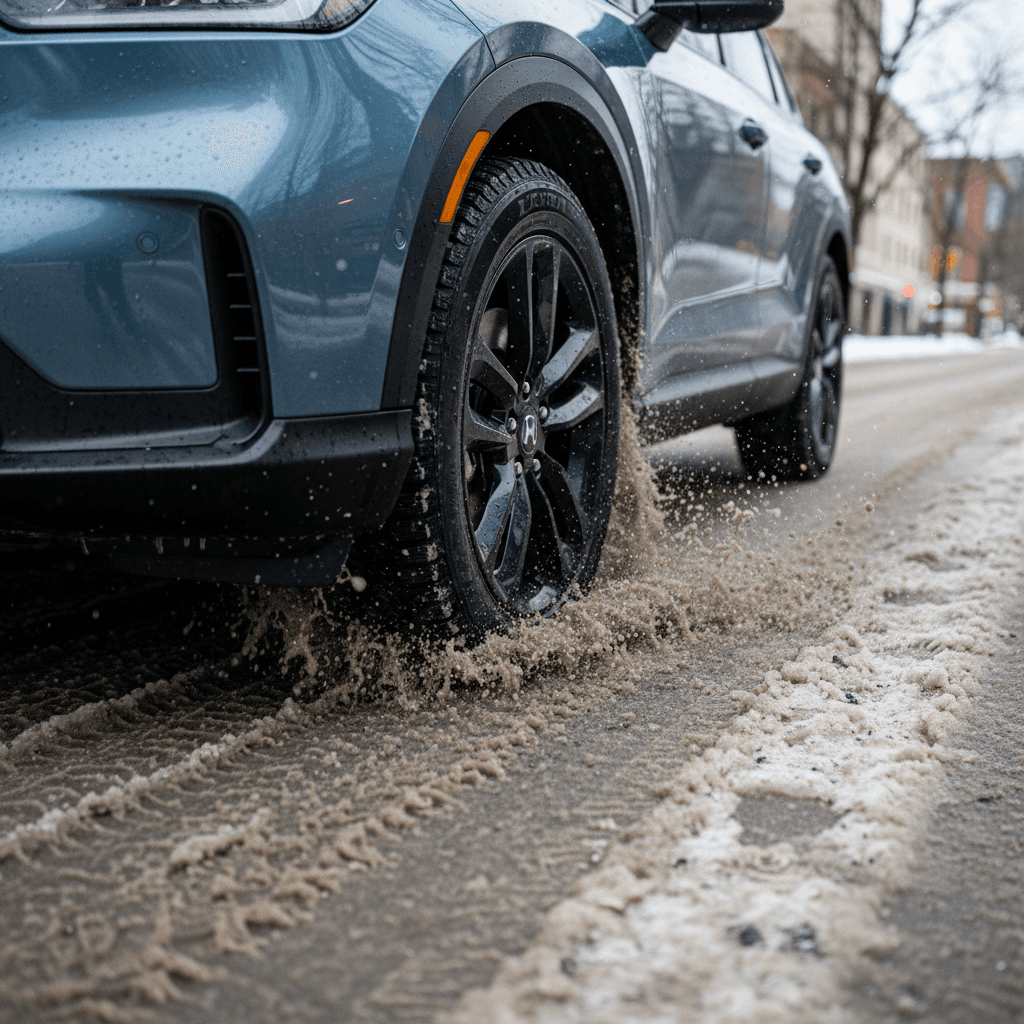
Scroll through Prologue owner discussions and you’ll see the same split you find with almost any EV: drivers on proper winter tires swear the car is a beast in snow, while drivers on the factory all‑seasons complain about sliding and long stopping distances. The car didn’t change, the tires did.
Choosing the right tires for your Honda Prologue
Match the rubber to your climate, not your Instagram feed.
Dedicated winter tires
Best choice for real snow belts.
- Use from late fall to early spring.
- Softer compound that stays grippy in cold temps.
- Deeper tread and biting edges for packed snow and ice.
- Often wear faster in warm weather, swap back to summers/all‑seasons in spring.
All‑weather (3PMSF) tires
Great compromise if winters are unpredictable.
- Look for the Three‑Peak Mountain Snowflake symbol on the sidewall.
- More winter grip than normal all‑seasons; can stay on year‑round for many drivers.
- Usually slightly louder and less efficient than summer‑biased tires.
Standard all‑season EV tires
Fine for light snow, not storms.
- Tuned for low rolling resistance and comfort, not deep‑snow traction.
- Can feel skittish on ice or in packed snow.
- If you keep them, drive like it’s winter, not like it’s July, longer stopping distances and gentle inputs.
The most important winter upgrade
Winter range loss and cold-weather charging
Traction is one half of the winter driving story. The other half is how far you can go between charges when the temperature plummets, the heater’s on full blast, and you’re crawling through traffic behind a plow.
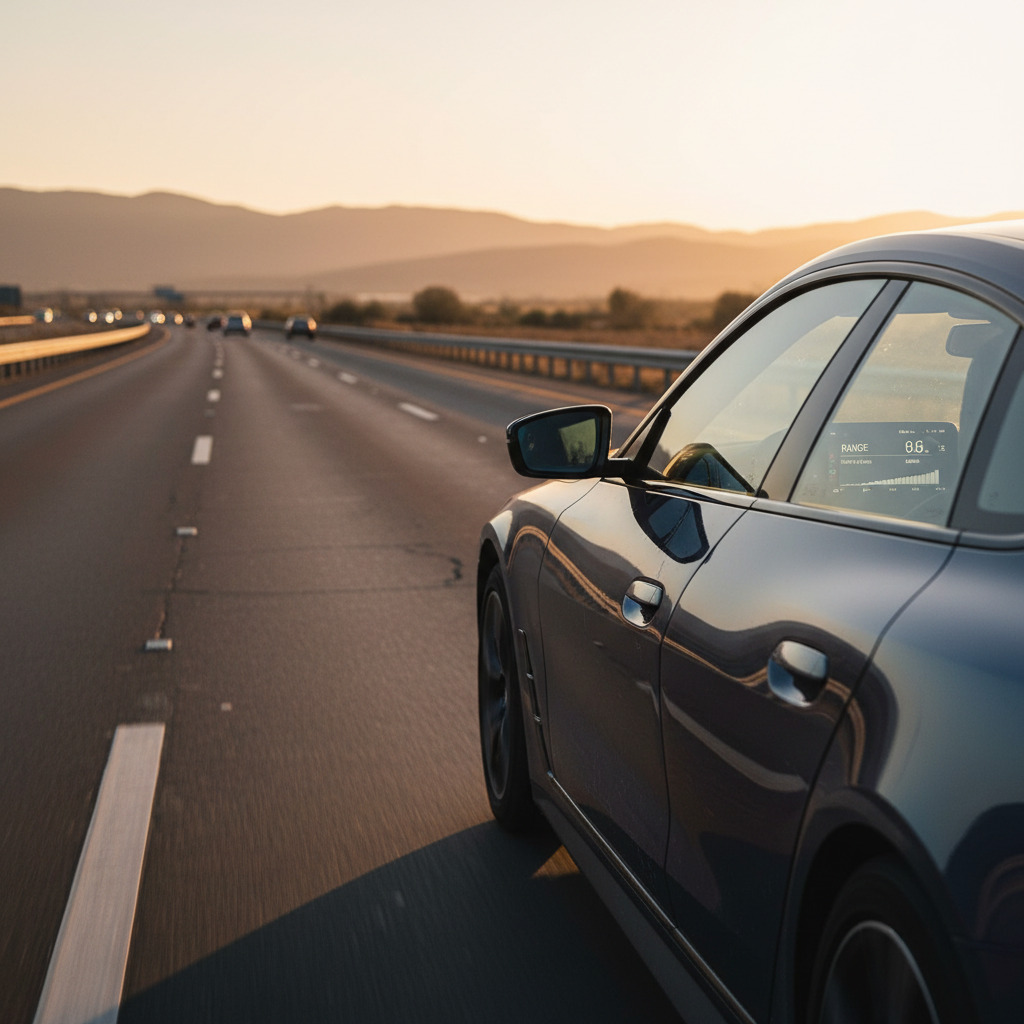
- Like most EVs, the Honda Prologue’s usable range drops in cold weather. Short‑trip, stop‑and‑go driving in sub‑freezing temps with a warm cabin can be especially hard on efficiency.
- At steady highway speeds in winter, you’ll likely see range well below the EPA label, plan your charging stops with a buffer instead of running it down to single digits.
- The Prologue’s battery and thermal management system are designed to protect the pack, so DC fast‑charging speeds may be slower when the pack is very cold. Using preconditioning on your way to a charger helps.
- Preconditioning the cabin while the car is still plugged in, whether at home or at public Level 2, means you’re using grid power, not precious battery range, to warm things up.
Cold-weather charging habit
Recharged has a dedicated guide to Honda Prologue winter range loss, including how city versus highway driving and cabin‑heat settings change what you see on the dash. If you’re cross‑shopping EVs in snow country, that kind of detail is just as important as horsepower numbers.
Winter driving modes and safety tech on the Prologue
The Prologue doesn’t pretend to be a rally car, but it comes armed with the software tools that help turn a slippery commute into something routine instead of white‑knuckle.
Winter features to pay attention to when you test‑drive a Prologue
1. Drive modes and traction behavior
Experiment with Normal, Sport, and any Snow or Low‑Traction settings your trim offers. You’re looking for smooth, progressive torque delivery rather than a hair‑trigger launch.
2. Stability and traction control
On a safe, empty, snowy lot, slowly try accelerating and gentle steering inputs. A well‑tuned system will cut power and apply brakes subtly, keeping the car composed rather than snapping back and forth.
3. Anti‑lock braking system (ABS) feel
In a controlled environment, brake firmly and see how straight the Prologue stays. Modern ABS will pulse quickly; you steer where you want to go and let it sort out wheel slip.
4. One‑pedal or high‑regen driving
Regenerative braking can be a blessing or a curse on ice. In many EVs, dialing regen back a notch in slippery conditions makes the car feel more predictable.
5. Visibility and defrosting
Check how quickly the windshield and mirrors clear. Heated mirrors, a good defogger, and an effective rear defroster do as much for safety as AWD does.
6. Cameras and sensors in slush
Test how quickly parking sensors and cameras get covered in road grime. In heavy winter use, you want systems that recover quickly after a quick wipe at the next stop.
Setup checklist: Prepping your Honda Prologue for winter
Whether you’re taking delivery of a new Prologue in October or buying a used one in February, a little prep work goes a long way toward making snow and ice feel like no big deal.
Step‑by‑step: How to set up your Prologue for winter
1. Decide on winter vs all‑weather tires
If you regularly see storms measured in feet, get a full winter set on separate wheels. If your winters are milder but still icy, look for all‑weather tires with the Three‑Peak Mountain Snowflake symbol.
2. Check tire pressures in the cold
Tire pressure drops as temperatures fall. Verify pressures at least monthly; running too low hurts range and stability, while overinflated tires reduce the size of the contact patch.
3. Protect the underbody and paint
Road salt is no friend to metal. Consider an underbody wash routine and a fresh coat of sealant or ceramic protection before the season. Pay attention to wheel‑well liners and the rear bumper area where spray collects.
4. Dial in your charging routine
If you can, park indoors and plug into Level 2 each night. Use scheduled departure times so the cabin and battery are warmed from grid power instead of the pack.
5. Build a winter kit for the cargo area
Pack an ice scraper, compact shovel, traction aids (like sand or boards), a warm blanket, gloves, and a portable charger or adapter that fits your local public charging network.
6. Learn how your range gauge behaves
Spend a couple of weeks watching how your indicated range drops in your typical winter commute. Once you know its personality, planning trips around the weather becomes second nature.
Is a used Honda Prologue a good choice for snow states?
If you’re eyeing a used Honda Prologue in a place like Minnesota, Colorado, or upstate New York, the winter question gets even more important. You’re not just wondering how it behaved fresh off the showroom floor, you want to know how it’s been treated through a couple of winter cycles.
What to check on a used Prologue in snow country
- AWD vs FWD: Confirm drivetrain with documentation, not just a salesperson’s word.
- Tire history: Ask whether the previous owner ran winter tires, and inspect current tread depth and age.
- Underbody condition: Look for excessive rust or corrosion on suspension arms, brake lines, and fasteners from repeated salt exposure.
- Charging behavior in cold: If possible, test‑drive and fast‑charge the car on a genuinely cold day to see how it behaves.
How Recharged can help
At Recharged, every used EV, including the Honda Prologue, comes with a detailed Recharged Score Report that covers battery health, real‑world range estimates, and fair market pricing.
- Our EV‑specialist team can talk through how a specific Prologue performed in previous winters based on owner data and climate.
- We can help you compare Prologues against other winter‑worthy EVs you’re considering.
- Nationwide delivery and a fully digital buying experience mean you don’t have to settle for whatever’s on your local lot.
Smart winter shopping move
Ready to find your next EV?
Browse VehiclesFAQ: Honda Prologue in snow and ice
Frequently asked questions about the Honda Prologue in winter
Bottom line: Should you trust a Prologue in winter?
If your main question is whether the Honda Prologue is best for snow and ice, the honest answer is this: it’s not a rock‑crawling snow machine, but it’s a very competent, reassuring winter companion when you choose the right version and set it up intelligently. Dual‑motor AWD, sensible winter or all‑weather tires, and realistic expectations about cold‑weather range turn it into exactly what most drivers need, an electric SUV that shrugs off bad weather and gets you home.
If you’re considering a Prologue, new or used, as your year‑round family hauler, Recharged can help you sort through the details that matter in snow country: drivetrain, tire options, battery health, and charging habits. With expert EV support, transparent Recharged Score Reports, and nationwide delivery, you can shop for a winter‑ready Prologue from your couch instead of a freezing dealer lot.