Can you take a Nissan Leaf on a real road trip, or is that just social‑media fantasy and range‑anxiety bait? The honest answer: it depends which Leaf you have, where you’re driving in the U.S., and how much inconvenience you’re willing to chalk up as “adventure.” This road trip review walks through real‑world highway range, the shrinking CHAdeMO fast‑charging network, and what it actually feels like to cross a few states in a Leaf, especially a used one.
TL;DR: Who the Leaf Road Trip Is For
Can You Actually Road Trip a Nissan Leaf?
You can road trip almost anything with four wheels and a title; the real question is how tolerable it is. In a gasoline car, a road trip is measured in playlists; in a Nissan Leaf, it’s measured in charging sessions and weather forecasts. Highway speed kills range. Headwinds nibble at your battery. The wrong fast‑charger being out of order can turn a three‑hour hop into an overnight in a motel with Level 2 charging in the parking lot.
But that doesn’t mean the Leaf is a bad road‑trip car. It means it’s a different kind of road‑trip car. Drive within its limits, plan routes around 60–140 mile legs depending on your battery, and the Leaf can be a surprisingly relaxing long‑distance companion, especially if you’re willing to take the scenic route and stop often.
Know Your Use Case
Which Nissan Leaf Are We Talking About? Generations & Batteries
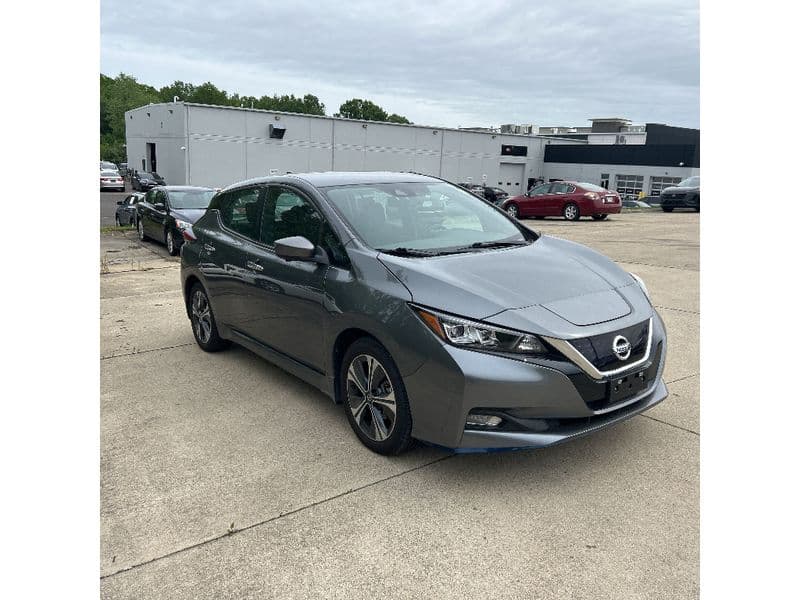
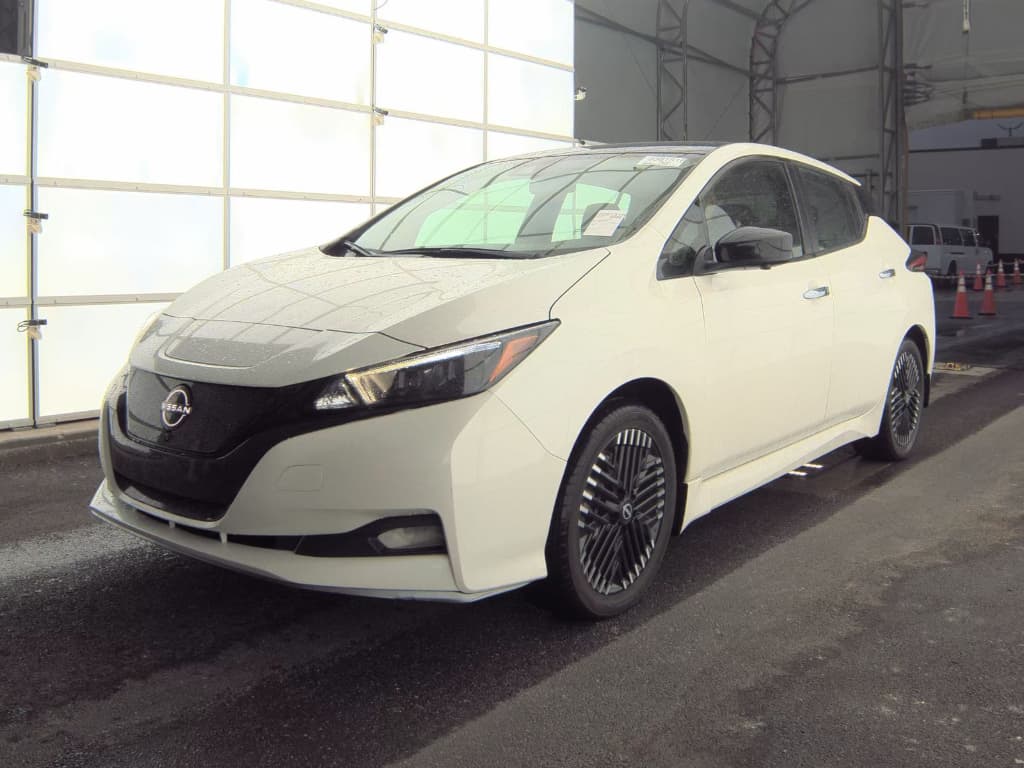
“Nissan Leaf” covers a lot of ground. For road trips, the battery pack matters more than the paint color or trim name. Here’s the quick hierarchy from least to most road‑trip‑friendly:
Nissan Leaf Batteries & EPA Range by Era
Why some Leafs are weekend‑getaway capable and others are coffee‑shop‑commuter specials.
| Model years | Battery size | EPA rated range (approx.) | Road-trip suitability |
|---|---|---|---|
| 2011–2015 | 24 kWh | 73–84 miles | City only; emergency‑level road trips |
| 2016–2017 | 30 kWh | 107 miles | Short hops; very careful planning |
| 2018–2024 S / base | 40 kWh | 149–151 miles | Regional trips with planning |
| 2019–2024 SV Plus / e+ (60–62 kWh) | 212–226 miles | Genuinely usable for 200–400 mile days | |
| Upcoming 3rd‑gen (52 & 75 kWh, Europe) | Up to mid‑300s (claimed) | If/when it reaches the U.S., would be a true road‑trip EV |
Newer, bigger batteries push the Leaf from city car into modest road‑trip territory.
On the used market in the U.S. today, you’ll mostly be choosing between 24 kWh and 30 kWh first‑gen cars, and 40 kWh or 62 kWh second‑gen cars. For road trips, the safe advice is simple: if you want any kind of relaxed long‑distance ability, start your search at 40 kWh and up.
Note on Recent Leaf Battery Recalls
Real-World Highway Range: What the Leaf Really Delivers
EPA range numbers assume a mix of city and highway. Real road trips are mostly 65–75 mph highway, often with climate control humming. That’s where Leafs show their limits.
Typical Real-World Highway Range (Mild Weather)
Weather Moves the Goalposts
Battery health also matters. Early 24 kWh Leafs in hot climates often show 20–30% degradation by now. A car that left the factory with an 80‑mile EPA rating might behave like a 55‑mile car at highway speed today. Later 40 and 62 kWh packs, when treated well, tend to hold capacity much better, but you still want hard data, not optimism.
Road-Trip Rule of Thumb
Charging on the Road: CHAdeMO vs. the Modern World
Here’s the big asterisk on any Nissan Leaf road trip in North America: CHAdeMO. The Leaf is one of the last mainstream EVs here using this older DC fast‑charging standard. The rest of the market has moved to CCS and now NACS (Tesla’s plug), and charging networks are following the money. New sites increasingly skip CHAdeMO entirely.
Leaf Fast-Charging vs. Modern EVs
The Leaf will charge; it just won’t charge like a 2026‑spec road warrior.
Limited Speed
Aging Standard
Longer Stops
The One-Port Problem
The workaround is careful route planning: hugging corridors with older DC fast‑charge infrastructure, layering in backup stations, and being ruthless about not arriving near 0%. If you’re used to Tesla’s Supercharger experience, where the network is half the product, the CHAdeMO hunt in a Leaf feels like stepping back a decade.
What a Leaf Road Trip Actually Feels Like
On the Highway
The Leaf is quietly competent at 65–70 mph. Instant torque makes on‑ramps easy, and the car tracks straight. Wind and road noise are present but not oppressive, especially in the second‑gen cars. You feel more fatigue from managing the battery than from the chassis.
Run the heater on a cold day, see the projected range shrink, and you start thinking like a sailboat captain: what’s the next harbor, how hard is the wind blowing, do we trim speed to conserve?
At the Charger
Pulling into a CHAdeMO site in a Leaf in 2026 is like showing up at a party late with the wrong plug adapter, there’s a spot for you, but you’re aware the room has moved on. The positive spin: longer stops mean real meals, actual conversations, and walking around instead of wolfing fries at the pump.
On a healthy 40 or 62 kWh car, you’re typically adding 60–120 miles in a 35–50 minute stop. Enough time to eat, scroll, and re‑route if needed.

Cabin comfort is one of the Leaf’s underrated strengths on a long day. The seats are soft, visibility is excellent, and the e‑Pedal one‑pedal driving mode makes city and mountain descent driving a breeze. This is an easy car to live in for eight hours; you’re just not covering the same distance as you would in a long‑range EV.
Planning Strategies to Make a Leaf Road Trip Work
If you approach a Leaf like a 400‑mile‑range Tesla, you’ll be disappointed. If you approach it like a well‑mannered electric hatchback with finite stamina, you can design the trip around its strengths.
Leaf Road Trip Planning Checklist
1. Start With Honest Range
Base planning on your <strong>real highway range</strong>, not the dash estimate. Do a full‑to‑20% test run at 65–70 mph before your trip and see how many miles you actually cover.
2. Use Apps That Still Love CHAdeMO
Tools like PlugShare, A Better Routeplanner (ABRP) and some network apps still flag CHAdeMO stations clearly. Filter for CHAdeMO only, then build in backup options along the route.
3. Keep Legs Shorter Than You Think
Aim to arrive with at least 10–15% remaining. In a 40 kWh Leaf, that often means 80–110 mile legs. In a 24 or 30 kWh car, think 40–70 mile hops, especially in winter or hills.
4. Prefer Multiple-Charger Sites
Favor locations with several CHAdeMO plugs or at least redundancy nearby. A lone CHAdeMO on the edge of town is a last resort, not a backbone stop.
5. Build Your Day Around Charging
Plan meals at charging stops, choose hotels with Level 2, and treat long DC sessions as breaks you were going to need anyway. Frustration comes from expecting gas‑station speed.
6. Mind Elevation and Weather
Climbs, headwinds, and cold combine to eat range. If your route crosses mountains or open plains, dial back cruising speed and leave extra buffer between stops.
Think in Segments, Not Destinations
Used Nissan Leaf Buying Tips for Road-Trip Duty
Most Leafs on the road in the U.S. are used, and the used market is where the Leaf becomes incredibly tempting: low prices, simple mechanicals, proven reliability. For road trips, though, not every cheap Leaf is your friend.
Best & Worst Leafs for Road Trips
If you want to travel, battery first, everything else second.
Better Choices
- 2018–2024 40 kWh with strong battery health (11–12 capacity bars).
- 2019–2024 62 kWh / SV Plus / e+, the most relaxed Leaf for long drives.
- Cars from milder climates with full service history.
Tough Love Choices
- Early 24 kWh Leafs with 8–9 bars or less: great city cars, stressful on highways.
- 30 kWh Leafs with questionable battery health: range may be fine today but can slide quickly if heavily fast‑charged or overheated in the past.
- Any Leaf with unresolved battery or charging recalls.
Why Battery Health Matters More Than Odometer
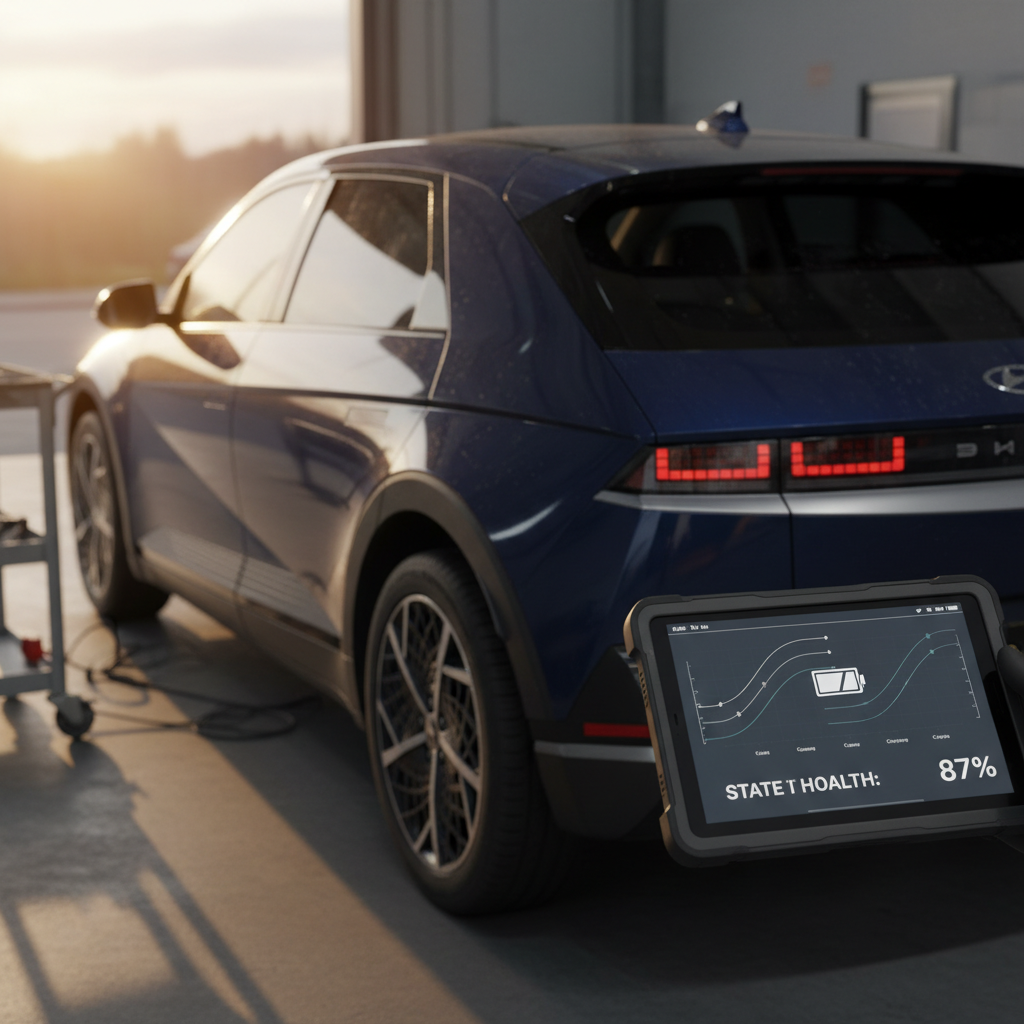
When you’re shopping used, you want objective battery data, not just a hopeful seller and a freshly washed car. Tools like Leaf Spy can read state‑of‑health via OBD‑II; professional diagnostics go a step further and test actual usable capacity under load. That’s the difference between planning around 140 miles of highway range and discovering, halfway across Kansas, that you really have 95.
How Recharged Helps If You Want a Road-Trip-Capable Leaf
If you’re hunting specifically for a road‑trip‑viable used Leaf, the spread between a “pretty good” battery and a “quietly tired” one is the whole story. That’s exactly the gap Recharged is built to close.
- Every used EV on Recharged comes with a Recharged Score Report that includes verified battery health, not just capacity bars on a dash.
- Our diagnostics quantify usable kWh so you can estimate realistic highway range before you ever see the car.
- EV specialists can help you decide whether a 40 kWh or 62 kWh Leaf fits your driving and road‑trip ambitions, or whether you’d be happier in something longer‑range altogether.
- You can finance, arrange a trade‑in, and have the car delivered nationwide, then use our team as a sounding board while you plan your first big EV trip.
Turning "Can It Do It?" into "Will I Enjoy It?"
Nissan Leaf Road Trip Pros and Cons at a Glance
What the Leaf Gets Right on Road Trips
- Comfortable, upright seating that keeps fatigue low on long days.
- Smooth, quiet drivetrain that makes 65–70 mph feel calm and unhurried.
- Excellent visibility and compact size for old downtowns, tight parking, and scenic detours.
- Affordable used pricing that frees up budget for nicer hotels and experiences.
- Later 40 and 62 kWh packs can genuinely support 200–350 mile days with planning.
Where It Trails Modern Long-Range EVs
- Limited highway range compared with 280–350 mile rivals.
- Slow DC charging (~50 kW) and an aging CHAdeMO standard.
- Patchy fast‑charging coverage off major corridors, especially in rural areas.
- Older, degraded packs can turn every 40–60 miles into a non‑negotiable stop.
- Less future‑proof as networks increasingly prioritize CCS and NACS hardware.
FAQ: Nissan Leaf Road Trips
Frequently Asked Questions About Nissan Leaf Road Trips
Bottom Line: Should You Road Trip a Leaf?
The Nissan Leaf was never designed as a cross‑continent grand tourer. It’s an honest, efficient hatchback that arrived a decade early to the EV party and is now trying to hold its own in a room full of 300‑mile rockets. That history shows on road trips: limited highway range, modest charging speeds, and an aging CHAdeMO standard all demand patience and planning.
But within its limits, the Leaf rewards you with a quiet cabin, gentle manners, and an oddly pleasant, slower rhythm of travel. For weekend getaways, national‑park loops, and 200–400 mile days where the journey is part of the point, a healthy 40 or 62 kWh Leaf can make a lot of sense, especially at today’s used prices.
If you’re shopping used and road‑trip capability matters, the non‑negotiable is verified battery health. That’s where tools like the Recharged Score, financing support, and EV‑specialist guidance can turn a cheap Leaf into the right Leaf for the way you actually drive. Start with the battery, plan around realistic highway range, and you’ll know whether your next big trip should be in a Leaf, or whether it’s time to step up to something with a bigger tank of electrons.