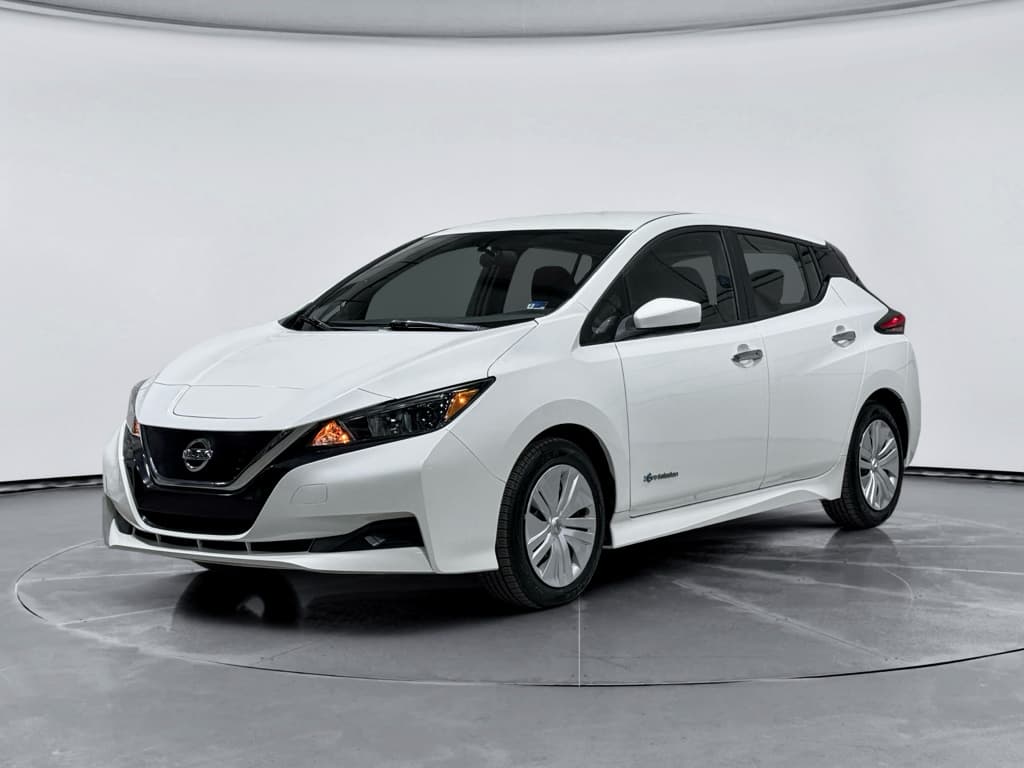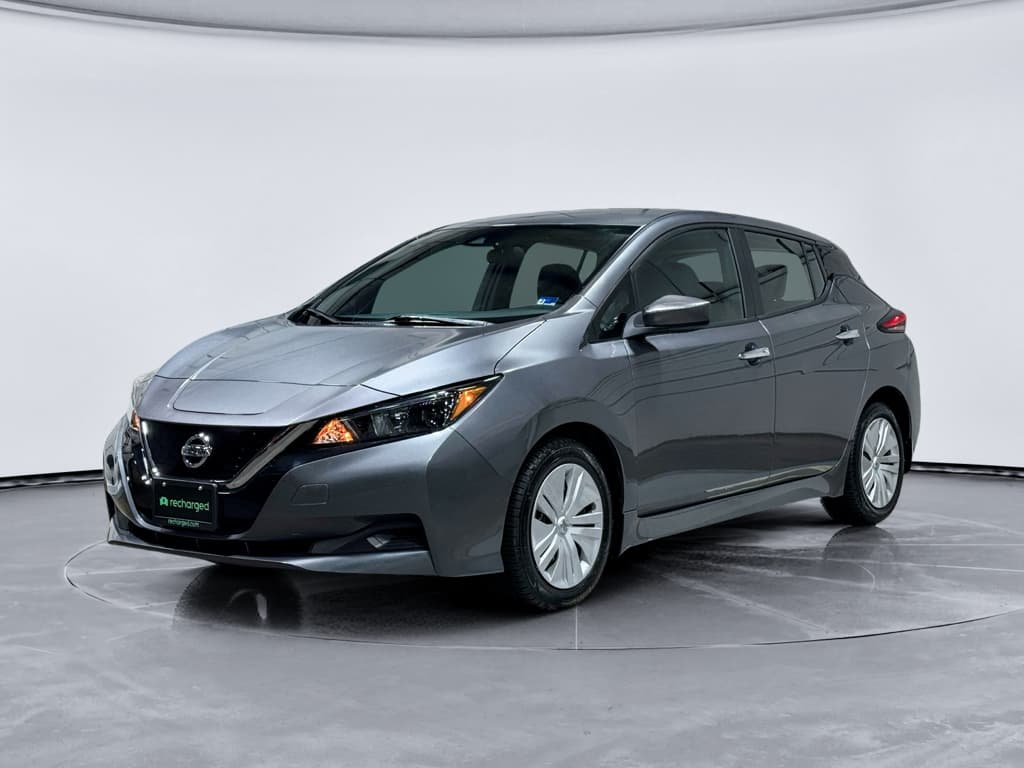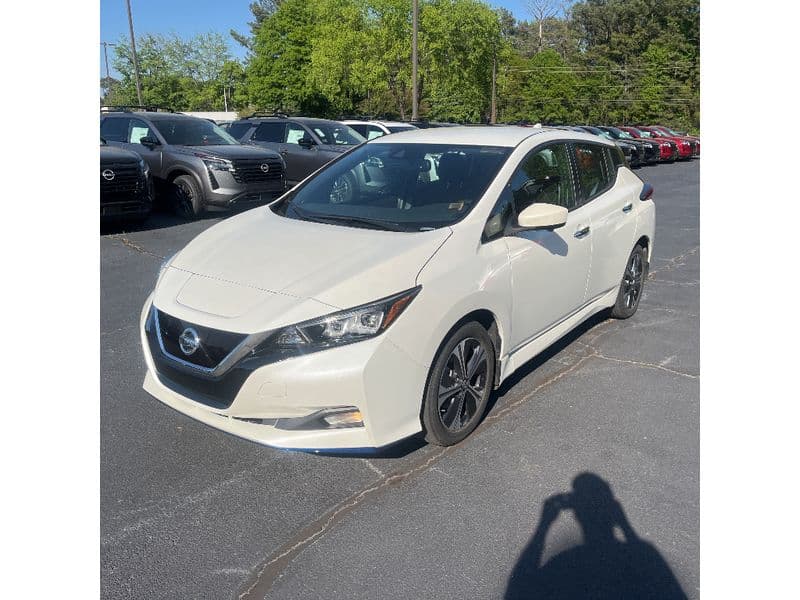
If you own a Nissan Leaf or you’re shopping the used market in 2025, resale value is front and center. The Leaf is one of the most affordable used EVs you can buy, but it’s also a textbook case of fast depreciation. Understanding where Nissan Leaf resale value sits in 2025 – and what really drives it – can help you avoid leaving thousands on the table, whether you’re selling or buying.
Quick takeaway
Nissan Leaf resale value in 2025: the big picture
Nissan Leaf resale snapshot in early 2025
The headline: Nissan Leaf resale value in 2025 is weaker than most newer EVs, but that’s exactly why shoppers are snapping them up on the used market. Studies of five‑year depreciation consistently show the Leaf losing around 64% of its value over five years – worse than the average car and behind many newer‑generation EVs. At the same time, market trackers show average used Leaf prices in the low teens, often thousands less than comparable Chevrolet Bolt EV, Hyundai Kona Electric, or Tesla Model 3 listings.
For owners, that means you shouldn’t expect your Leaf to be a resale champ. For buyers, it means you can access a fully electric hatchback for compact‑car money – especially if you know how to evaluate battery health, charging capability, and range for your daily use.
How fast does a Nissan Leaf depreciate?
To understand Nissan Leaf resale value in 2025, you need to look at the depreciation curve. Different data sources slice it in slightly different ways, but the story is consistent: the Leaf falls quickly in the first five years, then levels off.
- Several independent studies place the Leaf’s five‑year depreciation at roughly 64% of original MSRP, meaning a typical Leaf retains about 36% of its sticker price after five years.
- Depreciation trackers following specific model years (like 2019) show Leafs losing well over a third of their value in the first two years alone, then sliding more gradually as they age.
- Compared with other mass‑market EVs, the Leaf tends to lose more than a Tesla Model 3 or Hyundai Ioniq 5, and lands closer to early luxury EVs and older battery tech when it comes to long‑term value.
What this means for 2025–2026 owners
Typical used Nissan Leaf prices by model year in 2025
Used EV pricing moves quickly, but market trackers in early 2025 show a clear band for Leaf values. Exact numbers vary by region, trim, mileage, and battery condition, but you can use these ballpark ranges to sanity‑check any asking price you see online.
Approximate U.S. used Nissan Leaf prices in 2025
Illustrative price bands based on national listing data and depreciation curves. Real‑world values depend heavily on mileage, battery health, trim, options, and regional demand.
| Model year | Typical price band (USD) | What you usually get |
|---|---|---|
| 2015–2016 | $6,000–$9,000 | Older 24–30 kWh packs, limited range; often high mileage; great city runabout but weakest highway car. |
| 2017–2018 | $8,000–$11,000 | 30–40 kWh packs in many cars, modest range; plenty of lease returns; watch battery degradation closely. |
| 2019–2020 | $10,500–$13,500 | 40 kWh standard, some 62 kWh Plus models; better DC fast charging and safety tech. |
| 2021–2022 | $11,500–$14,500 | Mainstream 40/62 kWh mix, newer infotainment and driver‑assist features. |
| 2023–2024 | $13,500–$17,000 | Low‑mileage cars, often still under battery warranty; prices vary dramatically by trim and incentives at purchase. |
| 2025 (lightly used) | $16,000–$20,000+ | Near‑new cars with minimal miles; some sellers still anchoring to new‑car pricing. |
Use these ranges as a starting point, then adjust for condition and battery health reports.
How to use these price bands
Why Nissan Leaf resale value trails some other EVs
Nissan deserves credit for launching one of the first truly mass‑market EVs. It also means the Leaf has to live with early‑generation battery tech and charging hardware. Those choices, along with market forces, help explain why Leaf resale value in 2025 is softer than some rivals.
Main reasons Leaf values lag newer EVs
Useful context if you’re comparing Leafs to Bolt, Kona EV, or Tesla Model 3
Early battery chemistry
First‑ and second‑gen Leafs use older battery chemistries that lack liquid thermal management. In hot climates, this can accelerate degradation, which used buyers now know to look for.
Limited highway range
Many Leafs still offer 100–150 miles of realistic range, while newer EVs routinely push 250–300 miles. That caps demand among road‑trip and long‑commute drivers.
Charging limitations
Earlier Leafs rely on the CHAdeMO fast‑charging standard, which is being phased out in North America in favor of CCS and NACS (Tesla). That shrinks long‑term fast‑charging options.
Tech has moved quickly
Rapid advances in range, charging speed, and driver‑assist tech make older EVs feel outdated faster than equivalent gas cars, amplifying depreciation.
Heavy incentives upfront
Many Leafs were sold with big discounts and tax credits. When a car starts life with a lower effective transaction price, resale values a few years later can look brutal on paper.
Segment competition
Shoppers can now cross‑shop used Leafs against newer designs like the Kona Electric, Bolt EV/EUV, and Model 3 – often with more range and similar prices.
Key factors that move Leaf resale value up or down
Even within the same model year, Leaf resale value in 2025 can swing by several thousand dollars. Here are the levers that really matter when you’re pricing a Leaf – or deciding whether a listing is fair.
Checklist: what pushes a Nissan Leaf’s value higher or lower
Trim and battery size
Plus models with the 62 kWh pack and longer range almost always command a premium over standard 40 kWh cars. Know which one you’re looking at before comparing prices.
Mileage vs. age
Low mileage helps, but <strong>battery wear doesn’t strictly follow miles</strong>. A 6‑year‑old, low‑mile Leaf parked outdoors in a hot climate can have a worse pack than a higher‑mile car from a cooler region.
Battery health documentation
A verifiable battery health report can swing value more than a clean Carfax. Sellers with documentation can justify stronger pricing; buyers should treat it as non‑negotiable on older cars.
Remaining battery warranty
Newer Leafs with years of factory battery coverage left usually sell faster and closer to asking price, because the downside risk is limited for the next owner.
Charging hardware and cables
Cars that include both Level 1 and Level 2 cables, and are in areas with at least some CHAdeMO fast‑charging still active, tend to be easier to move than stripped‑down examples.
Cosmetic and tire/brake condition
Used EV shoppers are increasingly picky. Curb rash, worn tires, or a tired interior can turn a fair asking price into an expensive reconditioning project.
Good news for careful owners
Battery health: how much it really matters for Leaf value
On a Nissan Leaf, battery health is the single biggest driver of resale value. Two cars that look identical on paper – same year, trim, and mileage – can be thousands of dollars apart once you dig into the pack’s actual condition.
How buyers evaluate Leaf batteries
- Dashboard bars: The Leaf’s simple state‑of‑health bars are a coarse indicator. Losing several bars means reduced capacity and range.
- Diagnostic scans: Third‑party tools and dealer diagnostics can pull more precise metrics, like state of health (SOH) percentage and cell balance.
- Real‑world range tests: Savvy buyers will look at how far the car actually travels on a full charge in mixed driving.
How battery health hits your resale price
- Healthy pack (80–90%+ SOH): Supports top‑of‑market pricing for that model year and trim.
- Moderate degradation (70–80% SOH): Expect a discount vs. book value; fine for city duty but less attractive for commuters.
- Severe degradation (<70% SOH): Many buyers treat the car as a short‑range runabout only and price it accordingly.
For early‑generation Leafs, a strong battery report can be the difference between a bargain and a headache.
Why a third‑party battery report pays for itself
Selling your Nissan Leaf in 2025: practical steps
If you’re thinking about selling or trading in your Leaf in 2025, your goal is simple: maximize value while minimizing hassle. The used EV market is more educated than it was a few years ago, which means preparation matters more than ever.
Step‑by‑step: getting the best resale value for your Leaf
1. Document battery health and service history
Gather charging records if you have them, print out key service visits, and get a third‑party battery health report. This reduces buyer anxiety and supports firmer pricing.
2. Research real‑world pricing, not just book values
Look at current listings for Leafs similar to yours in mileage, trim, and region. Price toward the upper half of that band if your battery and cosmetics are strong.
3. Decide where to sell: trade‑in, instant offer, or private party
Trade‑ins and instant offers can be lower on price but higher on convenience. Private‑party sales can net more money if you’re willing to manage ads, test drives, and paperwork.
4. Refresh photos and listing details
Highlight battery health, remaining warranty, home‑charging readiness, and total cost of ownership. Many buyers are new to EVs; spell out why your Leaf is a smart first EV.
5. Time your sale around season and incentives
In many markets, EV interest ticks up in spring and early summer. Local utility rebates or HOV perks can also make your Leaf more attractive at certain times of year.
6. Be realistic – and ready to move quickly
EV values can shift quickly when incentives change or new models launch. If you get a fair offer aligned with your research, it often pays to take it rather than chasing a few hundred extra dollars.
Don’t ignore fast‑changing EV pricing
Buying a used Nissan Leaf in 2025: where the deals are
From a shopper’s perspective, 2025 is one of the best times to buy a Nissan Leaf used. Industry studies now list the Leaf among the best‑value used EVs: prices are low, early‑life depreciation is already baked in, and most cars have proven more durable than skeptics predicted.
Where the strongest Nissan Leaf deals usually live
These patterns can help you target the right cars – and skip the problem children
3–6‑year‑old Leafs
Cars in the 3–6‑year range have taken the steepest depreciation hit but often still have solid range and, in many cases, remaining battery warranty.
Cool‑climate vehicles
Leaf batteries tend to age better in mild or cool climates. Cars from northern states often show healthier packs than those from hot Sun Belt regions.
Plus models with 62 kWh packs
If you plan longer drives, target Leaf Plus trims. You’ll pay more, but get meaningfully better range and a car that will be easier to resell later.
Cars with full documentation
Listings that show service records, charging habits, and a recent battery report are usually safer bets – and worth paying a bit more for.
Primarily home‑charged cars
Vehicles charged mostly at home on Level 2, rather than abused on repeated DC fast charges, often exhibit healthier long‑term battery performance.
Verified clean history
A clean accident history and no flood or salvage markers still matter. EVs are no different: structurally sound cars hold value better.
Use total cost of ownership, not just price, to compare EVs
How Recharged helps you value and buy a used Leaf
Because the Nissan Leaf’s resale value hinges so heavily on battery condition and local market dynamics, it’s an ideal case for a more transparent approach to used EV retailing. That’s where Recharged comes in.
See the real value, not just the asking price
- Every vehicle on Recharged comes with a Recharged Score Report that includes verified battery health and a view of how that Leaf compares to similar cars.
- We benchmark fair market pricing using current used‑EV data, so you can see if a Leaf is under‑ or over‑priced for its age, mileage, and pack condition.
- If you’re selling or trading in, our instant offer and consignment options are designed specifically for used EVs – not squeezed into gas‑car templates.
Make the logistics painless
- Shop and complete your purchase fully online, or visit our Experience Center in Richmond, VA if you prefer to see vehicles in person.
- Tap into EV‑specialist support to compare Leafs with other used EVs and understand how range and charging fit your life.
- Take advantage of financing, trade‑in, and nationwide delivery so you can focus on choosing the right car, not juggling paperwork and transport.
Whether you’re upgrading from a Leaf to a longer‑range EV or buying your first electric hatchback, Recharged is built to make the process simple and transparent.
Nissan Leaf resale value 2025: FAQ
Frequently asked questions about Nissan Leaf resale value in 2025
In 2025, Nissan Leaf resale value is a story of opposites: painful depreciation for original owners, and some of the best used‑EV deals on the market for informed buyers. If you can live with modest range and plan your charging around where you actually drive, the Leaf offers an affordable on‑ramp to EV ownership. The key, on both sides of the deal, is understanding how age, trim, and especially battery health translate into real dollars. With transparent tools like the Recharged Score, instant offers, and EV‑specialist guidance, you don’t have to guess what a Leaf is worth – you can see it clearly before you make your move.