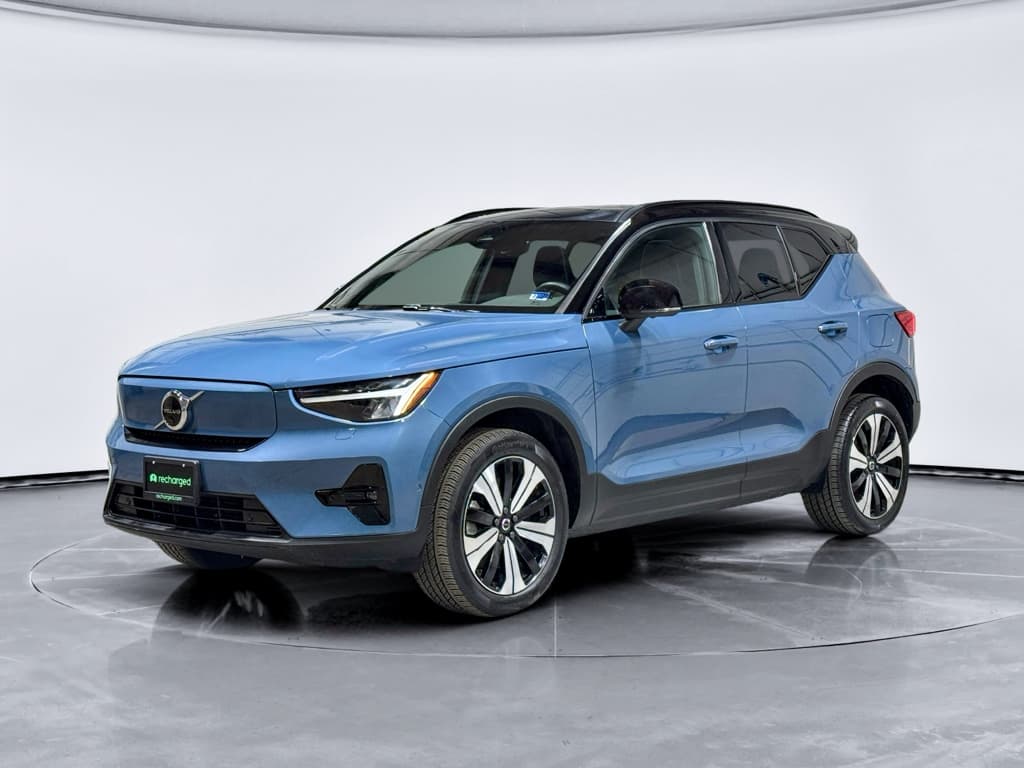
You’re shopping for a small electric car and you’ve narrowed it down to two very different flavors of fun: the Volvo EX30, a shrunken Scandinavian SUV, and the Mini Cooper Electric, a retro-styled city hatchback. On paper they both promise style, personality, and zero tailpipe emissions, but they solve your life in very different ways.
Two Different Generations of Mini Electric
Volvo EX30 vs Mini Cooper Electric: Quick Overview
Who Each EV Is Really For
SUV-leaning pragmatist vs. city-loving minimalist
Volvo EX30: Tiny SUV, Big-Car Job
The Volvo EX30 is a subcompact electric SUV, think city-friendly footprint with real-car duties:
- Up to ~261 miles of EPA-estimated range in Single Motor form
- Available Twin Motor Performance with 422 hp and 0–60 mph in about 3.4 seconds
- Seats 4–5 adults, ~30+ cu ft of cargo with seats down
- Modern driver-assistance and a premium, minimalist cabin
If you want one EV to commute, run Costco missions, and occasionally road-trip, the EX30 is the more versatile tool.
Mini Cooper Electric: Urban Toy With an Edge
The Mini Cooper SE Hardtop is a 3-door hatch that feels like an electric go-kart:
- EPA range ~114 miles (current U.S. model)
- Front‑drive, ~181 hp, 0–60 mph in roughly 7 seconds
- 4 seats, tight rear bench, 7–28 cu ft of cargo
- Huge fun in the city, tiny footprint for street parking
If you live in a dense area, have a short commute, and view driving as sport, the Mini is the charmer, as long as you can live with its range and space.
U.S. Availability Check
Key Specs: Volvo EX30 vs Mini Cooper Electric
Core Specs: Volvo EX30 vs Mini Cooper SE (U.S. Market Focus)
Numbers here reflect typical U.S.-market figures you’re likely to encounter shopping new or lightly used in 2026.
| Spec | Volvo EX30 Single Motor | Volvo EX30 Twin Motor Performance | Mini Cooper SE Hardtop (current US) |
|---|---|---|---|
| Power / Drivetrain | 268 hp, RWD | 422 hp, AWD | ~181 hp, FWD |
| 0–60 mph (approx.) | ~5.1 sec | ~3.4 sec | ~7 sec |
| Battery (usable) | ~64–69 kWh | ~64–69 kWh | ~32–33 kWh |
| EPA Range | Up to ~261 miles | ~250–253 miles (lower for Cross Country) | ~114 miles |
| DC Fast Charge (10–80%) | ~28 min (up to ~153 kW) | ~28 min (similar peak rate) | ~35–40 min (peak ~50 kW) |
| Seats | 5 | 5 | 4 |
| Length | ~167 in | ~167 in | ~152 in |
| Max Cargo (seats folded) | ~30–32 cu ft | ~30–32 cu ft | ~28 cu ft |
| Towing | Up to ~2,000 lbs | Up to ~2,000 lbs | Not rated for towing |
| New MSRP ballpark* | Low–mid $40Ks+ (Single Motor) | High $40Ks–low $50Ks+ | Low $30Ks (when new) |
| *Before incentives | Often lease-only incentives or tax advantages, varies by year | Same | Federal tax credit status has changed over time; many buyers now look used for value |
Always check the specific car’s window sticker or Recharged Score Report for exact specs.
How to Read These Numbers
Space and Practicality: SUV Versus City Hatch
Volvo EX30: Small But Surprisingly Useful
The EX30 is short, about 167 inches, but it’s tall and boxy. That shape matters. You get genuinely usable rear seats for adults on short to medium trips and enough cargo room for a big grocery run or a couple of suitcases.
- Seats 5 on paper, realistically 4 adults in comfort
- Roughly 30 cu ft of cargo with rear seats folded
- Rear hatch opens high and wide like a scaled‑down XC40
- Roof rails and 2,000‑lb tow rating open the door to bike racks and small trailers
It feels less like a toy and more like a real family appliance that just happens to fit in narrow city parking spots.
Mini Cooper Electric: Packaging Tetris
The 3‑door Mini Cooper SE is almost 15 inches shorter than the EX30 and lower to the ground. Inside, it’s cozy to the point of intentional theatricality:
- 4 seats, but rear passengers need to be tolerant and flexible
- About 7–8 cu ft of cargo with the seats up; 28 cu ft or so with them folded
- Excellent visibility and easy placement in tight streets
- No towing, limited roof‑rack options compared with an SUV
Think of it as a personal statement piece that also hauls a week’s groceries, not a family hauler with a quirky paint job.
Practicality Shortcut
Performance and Driving Feel
How They Drive: Numbers and Emotions
Spec sheets are one thing; personality is another.
Volvo EX30: Silent Assassin
In Twin Motor Performance form, the EX30 is quietly outrageous: 422 hp, about 400 lb‑ft of torque, and 0–60 mph in roughly 3.4 seconds. That’s supercar pace wrapped in a Scandi shoebox.
The Single Motor version is more than quick enough at ~5 seconds to 60, still faster than most hot hatches. Steering is light but accurate, and the car feels planted thanks to its EV battery slab under the floor.
Mini Cooper Electric: Electric Go‑Kart
The Mini has less power on paper (~181 hp), but it’s smaller and lighter, and its front‑drive chassis is tuned for hyperactive fun.
- Instant torque makes city gaps disappear
- Quick steering and short wheelbase = cartoon agility
- Great for darting through traffic and bombing on‑ramps
At sane speeds, the Mini is more engaging than the Volvo. It talks back through the wheel and encourages bad behavior, in the best sense.
Ride & Noise
The EX30 rides like a modern small luxury SUV: firm but refined, with more road noise than bigger Volvos but much calmer than the Mini on broken pavement.
The Mini’s short wheelbase and stiff suspension make it lively over potholes. It’s part of the charm when you’re in the mood, and a bit wearing when you’re not.
Mind the Traction
Range and Charging: Daily Use and Road Trips
Range and Charging At a Glance
This is where the Volvo EX30 simply plays in a different league. With roughly double the usable battery and more than double the EPA range of the current Mini SE, the EX30 doesn’t just stretch your daily radius, it changes your relationship with charging. You can miss a few nights on the plug and still be fine. The Mini demands routine; skip a charge and your next day gets complicated.
- Home charging: Both cars are happiest on a 240V Level 2 charger. The EX30’s larger pack means an overnight 8‑ish hour 10–90% charge; the Mini’s smaller battery fills faster, around 4 hours from empty.
- Public fast charging: The EX30 can take advantage of higher‑power DC fast chargers, adding a meaningful chunk of range in 25–30 minutes. The Mini charges more slowly and each minute buys you fewer miles because the battery is smaller and the range shorter.
- Cold weather: Both will lose range in winter, but when you only start with ~114 miles in the Mini, a 25–30% winter haircut hurts more. The EX30 has more margin for error.
If You Road‑Trip, the Mini Is a Specialist Tool
Tech, Safety, and Comfort
Volvo EX30: Screen‑Forward Scandinavian
The EX30 leans hard into minimalism: almost all physical controls are replaced by a big central touchscreen running Google built‑in. You get native Google Maps, Assistant, and a genuinely modern EV interface.
- Standard suite of advanced driver assistance (AEB, lane keeping, blind‑spot monitoring, etc.)
- Available Pilot Assist for lane‑centering and adaptive cruise on highways
- Optional Harman/Kardon soundbar, panoramic glass roof, and upscale recycled materials
- Heat pump and efficient HVAC to protect range in bad weather
The experience feels like an iPad welded to a design‑y Swedish living room.
Mini Cooper Electric: Charm Over Minimalism
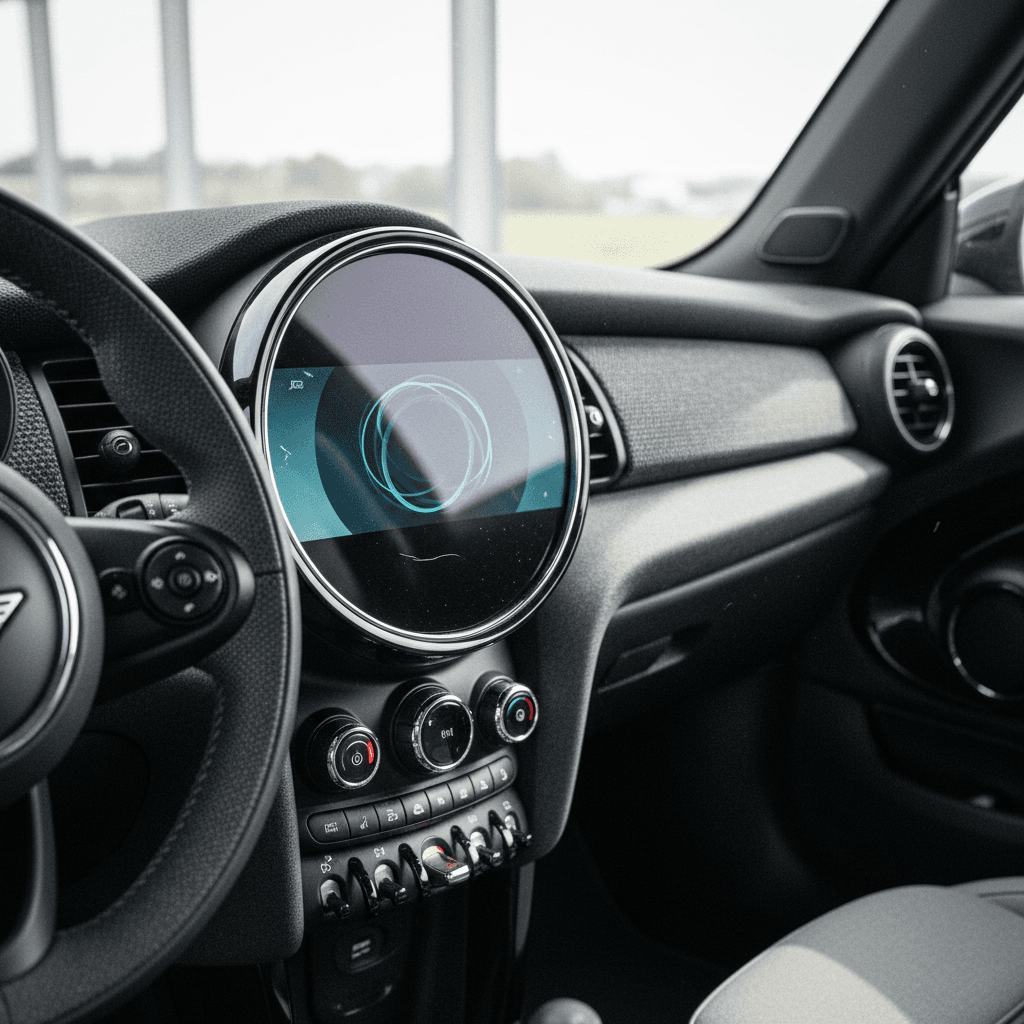
The Mini goes the other way: toggle switches, circular motifs, and a cabin that looks like it was designed by a slightly tipsy industrial designer in the best possible way.
- Less screen, more theater; newer Minis add a circular OLED center display
- Modern safety features are present but generally less comprehensive and less hands‑off than Volvo’s suite
- Seats are snug but supportive; driving position is excellent if you like a low, sporty feel
- Cabin materials range from playful to premium depending on trim
If the EX30 is a Scandinavian hotel lobby, the Mini is a design‑forward studio apartment filled with witty furniture.
Safety Reputation
Ownership Costs, Availability, and Resale
Sticker price only tells part of the story with these cars. Incentives, dealer markups, and, importantly, the used market all tilt the equation in interesting ways.
Cost & Availability Snapshot
What it looks like when you’re actually shopping in 2026.
Volvo EX30: New and Pricey, but Versatile
As the EX30 settles into the U.S. market, real‑world pricing has crept higher than early promises, especially as the single‑motor model rolls out at higher trims first. And because it’s built outside North America, federal purchase credits have been inconsistent and often replaced by lease‑only incentives.
On the other hand, the EX30 has the hardware to be your only car. When you factor in replacing both a commuter and a small SUV with a single EV, the cost picture improves dramatically.
Mini Cooper Electric: Used-Market Darling
The current Mini Cooper SE has been around long enough that used prices have fallen into accessible territory, especially compared with new EVs. Because its range is modest, it tends to be bought by city dwellers who rack up fewer miles, which can mean cleaner examples.
The catch is obvious: limited range means it’s best as a second car or as a first EV for someone whose life is tightly radius‑bound.
Reality Checks Before You Decide
1. Map Your Real Daily Miles
Look at a typical week, not a fantasy one. If you regularly exceed 50–60 miles a day or don’t have guaranteed home charging, the Mini’s ~114‑mile range starts to feel like a leash. The EX30 gives you more headroom.
2. Consider Insurance and Repairs
A small, lower‑value used Mini can be cheaper to insure than a brand‑new premium Volvo. On the other hand, Volvo’s newer EV architecture and warranty coverage may lower your risk of expensive early‑life repairs.
3. Think About Resale Horizon
EV tech is moving fast. Vehicles with higher range and DC fast‑charge capability, like the EX30, tend to hold value better as second owners increasingly expect 200+ real‑world miles.
4. Plan Around Incentives and Leases
Because rules and credits shift, many buyers now favor <strong>leasing new EVs</strong> to capture incentives and let the bank worry about long‑term depreciation, then consider buying a used EV (like a Mini SE) outright once pricing falls.
Which EV Actually Fits Your Life?
Choose Your Path: Who Should Buy Which
Urban Minimalist, Short Commute
Daily round‑trip under 40–50 miles, home or workplace charging always available.
You don’t routinely carry more than one passenger; rear seats are for friends, not family duty.
You care more about <strong>joy per mile</strong> than cubic feet.
For this life, a <strong>Mini Cooper Electric</strong> (especially lightly used) is a fantastic choice. You pocket lower upfront cost and enjoy one of the most entertaining EVs at sane speeds.
One‑Car Household, Occasional Road Trips
You need one vehicle to do school runs, Costco, and a 200–300 mile trip a few times a year.
You don’t want to spend half your life route‑planning fast chargers.
You like the idea of SUV stance, real back seats, and modern driver assistance.
Here, the <strong>Volvo EX30</strong> is the clear answer. It’s meaningfully quicker, safer, more spacious, and less stressful to live with as a family’s primary car.
Enthusiast With Another Long‑Range Car
There’s already a long‑range EV or gas car in the driveway for big trips.
You want something that makes grocery runs feel like a rally stage.
You’re range‑savvy and don’t mind planning your life around a 100‑ish‑mile circle.
In that case, the <strong>Mini Electric</strong> is the toylike companion that makes sense precisely because it’s not asked to do everything.
First-Time EV Buyer, Unsure of Needs
You’re crossing the bridge from gas to electric and don’t yet know how you’ll feel about range limits.
You’d like a vehicle that forgives mistakes, missed charges, surprise trips, winter losses.
You care about a gentle learning curve and robust safety tech.
The <strong>EX30</strong> is the more forgiving teacher. The Mini can be brilliant as a second or subsequent EV once you know your habits.
Test-Drive Homework
How Recharged Fits Into the Picture
Whether you end up team Volvo or team Mini, the toughest part of shopping small EVs is separating the fantasy, design, color, acceleration, from the boring but important stuff: battery health, charging history, fair pricing, and real‑world costs.
- Every EV sold through Recharged comes with a Recharged Score Report that includes verified battery health, so you’ll know if that used Mini isn’t secretly down to a road‑trip‑proof 70% of its original capacity.
- Our pricing engine benchmarks each car against the market to flag overpriced "unicorn" specs and surface genuinely good deals on EX30s, Mini SEs, and other small EVs.
- If you’re moving out of a gas crossover or hot hatch, you can get an instant offer or consignment through Recharged, roll your equity into an EV, and even arrange nationwide delivery.
- Not sure whether a tiny hatch or tiny SUV fits your life? Our EV specialists can walk you through the tradeoffs, from range anxiety to home charging, so you’re not guessing from spec sheets.
Try Before You Commit
Ready to find your next EV?
Browse VehiclesFAQ: Volvo EX30 vs Mini Cooper Electric
Frequently Asked Questions
Boiled down, this matchup isn’t really about which EV is objectively “better.” It’s about temperament and tolerance. The Mini Cooper Electric is an extrovert’s city toy that works brilliantly inside its small, clearly drawn circle. The Volvo EX30 is the more rounded grown‑up, a small SUV with enough range, space, and safety to plausibly be your family’s only car. Choose the one that matches not the life you post, but the life you actually live, and if you want a second set of eyes on that decision, Recharged was built precisely for that conversation.