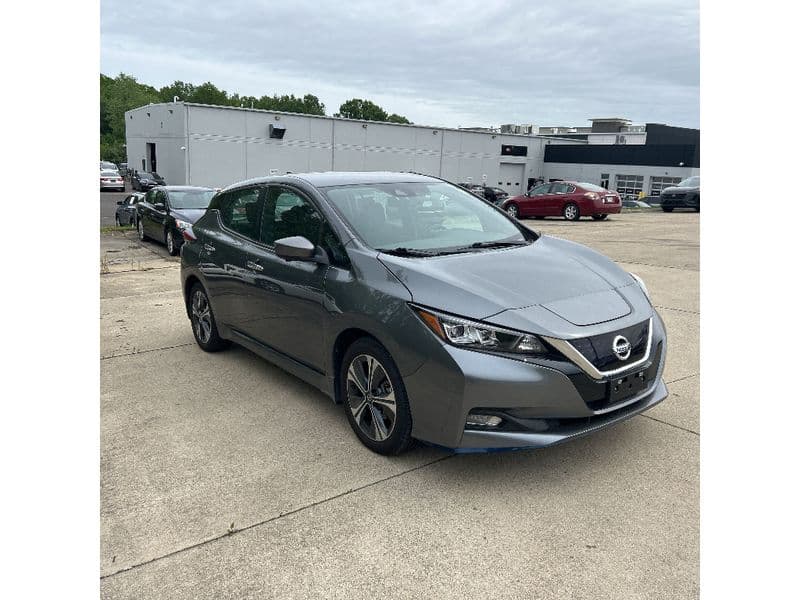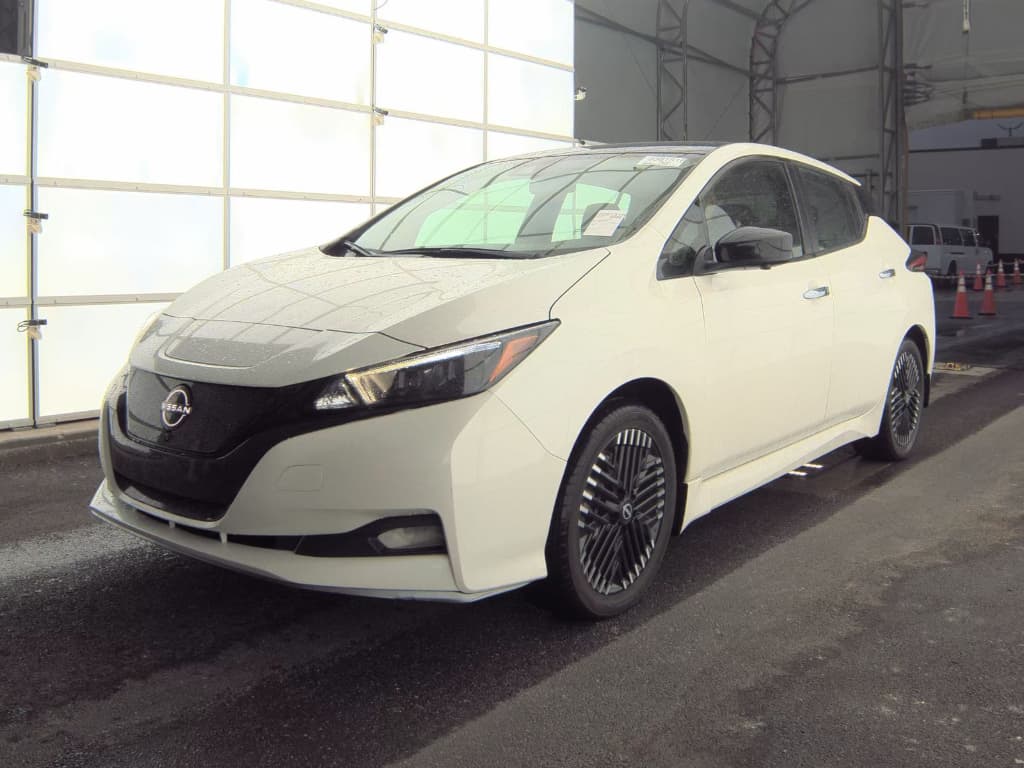
If you’re looking at a used EV in 2026, the Nissan Leaf is impossible to ignore. It’s one of the cheapest electric cars on the used market, but long-term Nissan Leaf reliability is very different from what you might be used to with gas cars. The motor and gearbox are stout; it’s the battery, electronics, and a few key systems that make or break the ownership experience.
Big picture on Leaf reliability
Is the Nissan Leaf a reliable EV in 2026?
Short answer: yes, with caveats. Across more than a decade of production, the Leaf has avoided the catastrophic drivetrain failures and software chaos that have plagued some newer EV startups. The permanent‑magnet motor, single‑speed reduction gear, and power electronics are generally robust. What drags down Nissan Leaf reliability in 2026 is mainly aging battery packs, earlier design decisions, and a few known problem years, not constant random breakdowns.
Nissan Leaf reliability snapshot for 2026 buyers
If you treat the Leaf as what it is, a compact, city‑first EV with modest range and a passive‑cooled battery, it can be a very dependable appliance. If you expect it to behave like a long‑range Tesla driven hard on DC fast chargers, you’ll be disappointed and may call it unreliable when it’s really mis‑matched to the job.
How Leaf reliability compares to other EVs
Strengths vs other EVs
- Mature platform: In production since 2010, most early bugs have long been found and fixed.
- Simple thermal/charging hardware: Fewer pumps, valves, and radiators than liquid‑cooled EVs means fewer failure points.
- Cheap to keep: No oil changes, timing belts, or complex multi‑gear transmissions; wear items are tires, wipers, brake pads.
- Good owner reports for later years: 2022–2024 owners often praise quality and reliability even as they complain about range and CHAdeMO.
Weaknesses vs other EVs
- Passive‑cooled battery: Greater sensitivity to heat, frequent DC fast charging, and high‑SOC storage than liquid‑cooled rivals.
- Shorter real‑world range: Even when new, Leaf range trails similarly priced used Model 3, Bolt EV, and Kona Electric.
- CHAdeMO fast charging: The standard is being phased out in North America, which affects long‑term utility more than day‑to‑day reliability.
- Patchy dealer EV expertise: Some Nissan dealers remain better at selling ICE crossovers than diagnosing EV‑specific issues.
Reliability vs suitability
Battery degradation: the heart of Leaf reliability
When people say a Nissan Leaf is “unreliable,” they’re usually reacting to range loss from battery degradation, not engines throwing rods or failing transmissions. Every lithium‑ion pack loses capacity over time, but the Leaf’s air‑cooled design, and some early chemistry choices, make it more exposed than many rivals.
What actually drives Leaf battery degradation?
Four factors matter more than odometer mileage
1. Heat
Hot climates are the Leaf’s Achilles heel. Parking outside in summer and fast charging a hot pack accelerates wear. A Phoenix Leaf ages very differently from a Seattle Leaf, even at similar mileage.
2. DC fast charging
Occasional CHAdeMO fast charging is fine. Making it your primary charging method, especially back‑to‑back sessions on road trips, drives cell temperatures up and speeds degradation.
3. State of charge habits
Regularly parking at 100% for days or running the pack near 0% both add stress. Many owners see better outcomes keeping daily use roughly between 20% and 80% when possible.
4. Calendar age
Time matters even more than miles. A lightly used 2013 Leaf that sat hot and full can have worse health than a higher‑mileage car in a cooler climate with thoughtful charging habits.
Battery health “rules of thumb” for 2026
On the road, a degraded pack doesn’t just mean less range. Owners also report steeper drops in remaining miles below about 30% charge, more conservative power limits, and in extreme cases “turtle mode” that can surprise unwary drivers. This is why Recharged bakes verified Recharged Score battery diagnostics into every Leaf we sell, it turns a vague worry about degradation into a specific number and range estimate you can plan around.
Common Nissan Leaf problems by generation
Beyond the battery, the Leaf has its share of known issues, some annoying, some more serious. The pattern changes between the first‑generation cars (2011–2017) and the second generation (2018–present).
Nissan Leaf common problems by generation
Key reliability issues you’ll see most often in owner reports and service data.
| Generation / years | Typical battery size | Most important issues | Reliability notes |
|---|---|---|---|
| Gen 1 (2011–2012) | 24 kWh | Rapid battery degradation in hot climates, early inverter/electronics faults, brake software quirks in cold weather | Cheapest Leafs, but many packs are heavily degraded; best only for short‑range city duty. |
| Gen 1.5 (2013–2015) | 24–30 kWh | Ongoing battery degradation concerns (especially 2013 & 2015), some brake system faults, occasional on‑board charger failures | 2015 is often cited as a trouble year; condition varies wildly car to car. |
| Gen 1.75 (2016–2017) | 30 kWh | Improved “Lizard” battery but still passive‑cooled; some cars show fast SOH drops in heat; scattered brake and electronics issues | A better‑sorted late first‑gen if you find one with strong battery health. |
| Gen 2 early (2018–2020) | 40 kWh | Battery degradation still climate‑sensitive, some reports of unintended regeneration/brake feel issues and inverter/charger faults | Big jump in range and refinement; reliability decent if battery is healthy. |
| Gen 2 recent (2021–2024) | 40 or 62 kWh (Plus) | Software recalls for drive control and braking logic, typical EV wear items; long‑term degradation data still accumulating | Few major hardware failures reported so far; main risk is future CHAdeMO support. |
Not every Leaf will have these problems, but these are the issues you should screen for on a test drive or inspection.
Don’t ignore brake and power‑electronics faults
Best and worst Nissan Leaf years for reliability
Used‑car reliability is never as simple as “these three years are good, these three are bad,” especially with EVs that live very different lives. That said, owner‑report databases and real‑world experience do paint some patterns.
Model years to target, and to approach carefully
Always back this up with a battery‑health check on the individual car.
Years generally favored for reliability
- 2016–2017: Late first‑gen cars often have fewer electronics quirks than early years and may have received battery replacements.
- 2019–2021: Second‑gen Leafs with 40 kWh packs, after the very first 2018 production year, show a good balance of maturity and price.
- 2022–2024: Still relatively new in 2026, with limited long‑term data but strong early owner satisfaction and few major issue patterns so far.
Years that need extra scrutiny
- 2011–2012: Prone to fast battery degradation and early EV hardware bugs; cheap but often severely range‑limited now.
- 2013–2015: More modern than the very first cars, but 2013 and 2015 in particular show elevated complaint rates for both batteries and brakes.
- 2018: First model year of the second generation; generally better than early Gen 1 but with more scattered electronics and software complaints than later 40 kWh cars.
Why there’s no single “best year”
Reliability checklist for buying a used Leaf
If you’re shopping the used market in 2026, use this reliability‑focused checklist to separate the great commuter cars from the future headaches.
Used Nissan Leaf reliability checklist
1. Verify battery state of health, not just range guess
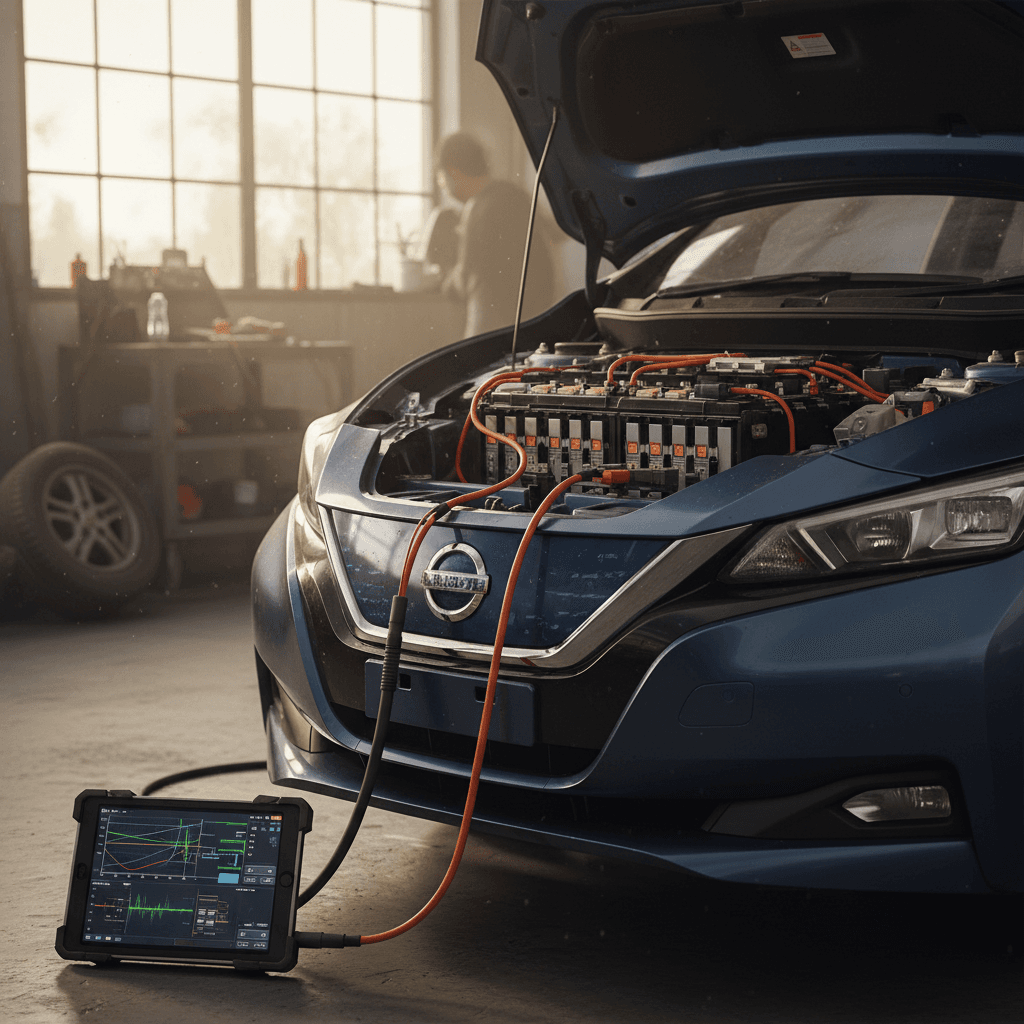
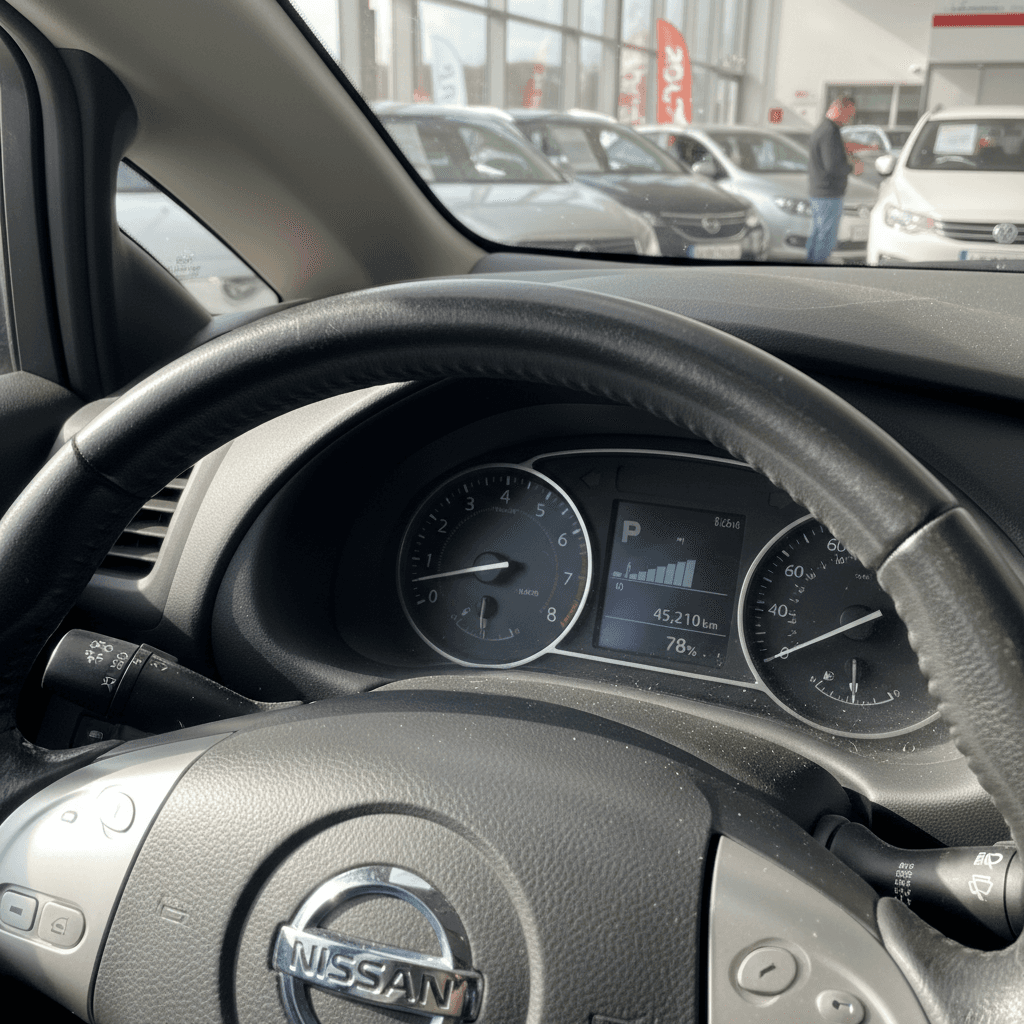
Use a scan tool (LeafSpy is common) or a professional report like the <strong>Recharged Score</strong> to see the pack’s actual state of health (SOH) in percent. Don’t rely solely on the dashboard bars or seller’s “it still goes 80 miles for me.”
2. Cross‑check SOH against model year and climate
A 2018 Leaf at 92% SOH in a cool state is stellar; the same car at 75% in a hot state is a red flag. Ask where the car spent its life and how it was charged (home Level 2 vs frequent CHAdeMO).
3. Test braking feel and low‑speed behavior
On the test drive, do several gentle and firm stops from 30–40 mph. The pedal should feel consistent, without sudden hard‑pedal episodes, pulsing, or unexplained ABS activity. Any weirdness warrants a pre‑purchase inspection with an EV‑savvy shop.
4. Scan for EV warning lights or stored faults
Have the car scanned for trouble codes, not just active dashboard lights. Intermittent inverter, on‑board charger, or brake control issues may not show during a short test drive but will leave codes behind.
5. Check charging on both Level 2 and DC fast
If possible, plug into a Level 2 station and a CHAdeMO fast charger. Confirm that the car charges reliably, with no red fault lights or repeated session drops. A Leaf that’s picky about chargers may have developing hardware faults.
6. Inspect high‑voltage and cooling hardware
Look under the car and in the front bay for obvious damage, corrosion, or non‑factory wiring to the orange high‑voltage cabling, charger, and junction boxes. A clean, unmodified HV system is a good sign for long‑term reliability.
7. Confirm open recalls and software updates
Nissan has issued software fixes for braking feel, drive control logic, and other issues. Ask a dealer to confirm that all campaigns are done; this can eliminate problems that look like reliability issues but are really un‑applied updates.
8. Judge reliability against your actual use case
If you need 30–40 miles a day with occasional 70‑mile trips, a Leaf at 80% SOH can be a dependable workhorse. If you need 150 highway miles in all weather, no Leaf will feel reliable to you, battery health aside.
Where Recharged fits in
What 2026 means for CHAdeMO and future support
There’s one more angle to Nissan Leaf reliability in 2026 that isn’t about parts failing: the slow sunset of CHAdeMO fast charging in North America. Most new public fast‑charging investments are going into NACS (Tesla) and CCS, and several networks have already stopped expanding CHAdeMO support.
What this means day to day
- If you mostly charge at home or at work on Level 2, CHAdeMO’s decline may barely touch you.
- If you rely on public fast charging for long trips, you’ll see fewer compatible stalls over time, especially on new highway corridors.
- In some metro areas, existing CHAdeMO stations will remain for years, but repair and uptime may gradually worsen as parts age and usage falls.
Reliability implications
- Trip reliability: Planning around a thin CHAdeMO network raises your exposure to a single broken station ruining your day.
- Resale reliability: As infrastructure shifts, long‑range rivals may retain value better than CHAdeMO‑only Leafs.
- Use‑case shift: The Leaf becomes more of a reliable local commuter and second car, less of a road‑trip machine.
Good car, shrinking ecosystem
How Recharged evaluates Nissan Leaf reliability
Because Leaf reliability is so tightly coupled to battery health and software history, Recharged goes deeper than a typical used‑car lot inspection. Here’s how we approach it when we buy, recondition, and list a used Nissan Leaf.
Inside the Recharged Leaf reliability process
From battery diagnostics to transparent pricing
Battery health diagnostics
We run pack‑level diagnostics and pull SOH data rather than guessing from range or dash bars. The results feed directly into the Recharged Score so you know exactly what you’re buying.
EV‑focused inspection
Our specialists check inverters, on‑board chargers, brake systems, and high‑voltage cabling for faults, recalls, or prior repairs that could affect long‑term reliability.
Fair value & use‑case fit
We price Leafs based on real battery health, not just year and mileage, and our EV advisors help you decide if a given car’s remaining range is a good fit for your daily life.
Ready to find your next EV?
Browse VehiclesIf you already own a Leaf and are thinking about trading up, Recharged can also provide an instant offer or handle consignment, again factoring your car’s battery health and reliability story into the valuation instead of treating it like just another compact hatchback.
Nissan Leaf reliability FAQ (2026)
Frequently asked questions about Nissan Leaf reliability in 2026
Should you buy a used Nissan Leaf in 2026?
In 2026, calling the Nissan Leaf “reliable” or “unreliable” without context misses the point. The car’s core hardware has proven durable, and for the right duty cycle, a predictable commute, home charging, moderate climates, a good Leaf is one of the lowest‑drama EVs you can own. The catch is that all the action is in the battery and the shrinking CHAdeMO ecosystem. Get those wrong and you’ll hate the car; get them right and you’ll wonder why anyone still puts up with gas stations.
If the Leaf’s remaining range fits your life and you confirm its battery and brake systems are healthy, it can be a smart, budget‑friendly EV in 2026. If you’d rather not decode SOH charts and recall lists yourself, working with a specialist marketplace like Recharged, where every Leaf includes a full Recharged Score, financing options, and EV‑savvy support from test drive to delivery, can turn a speculative gamble into an informed, confidence‑building decision.