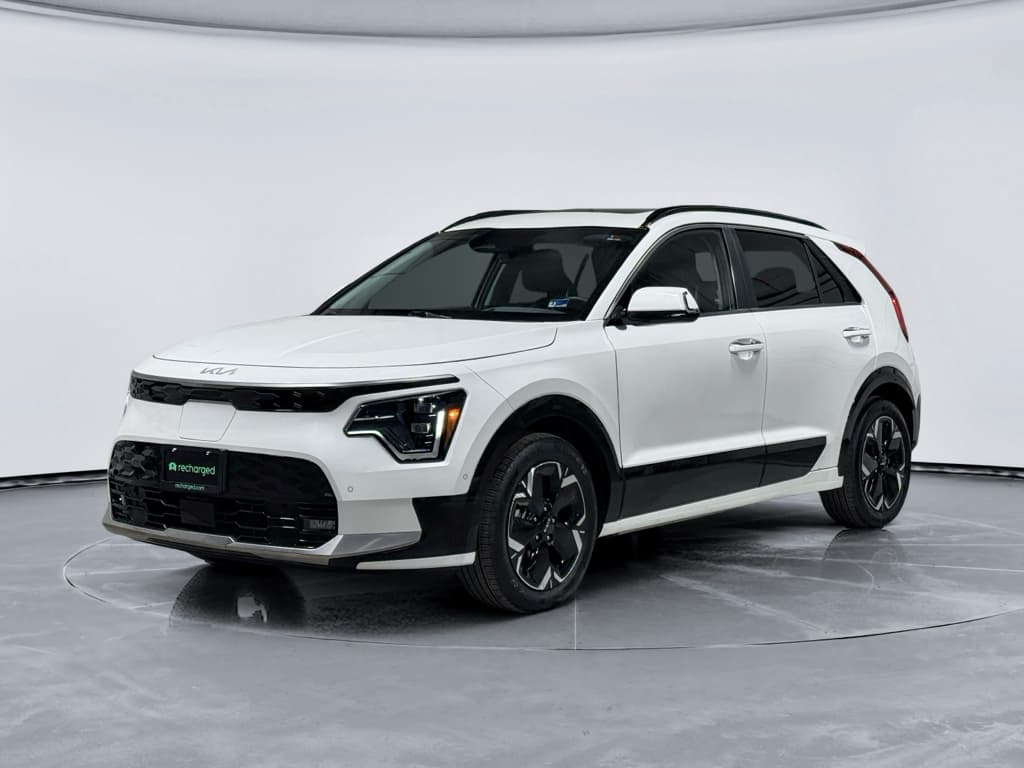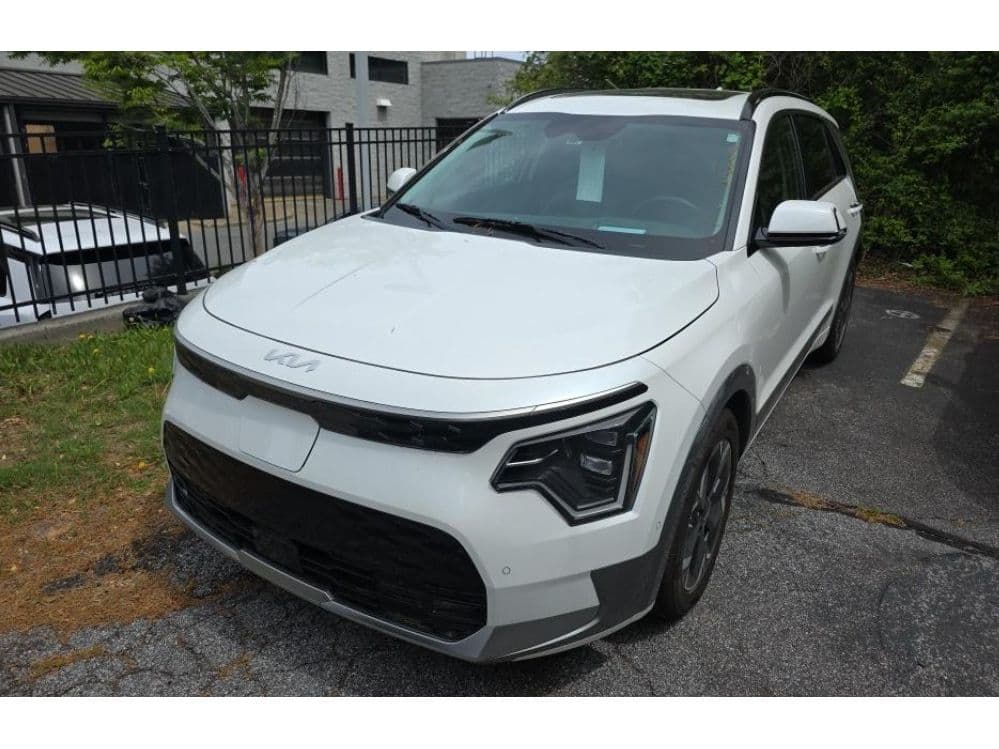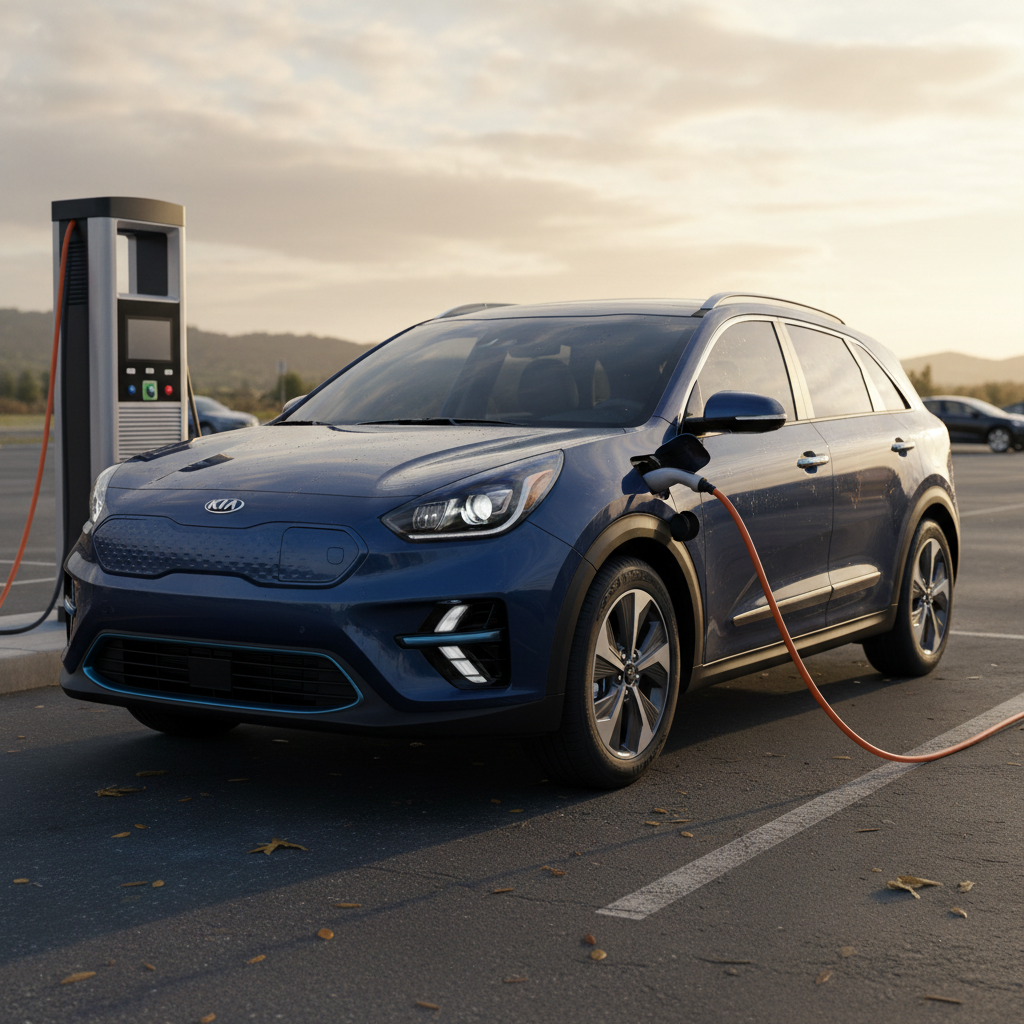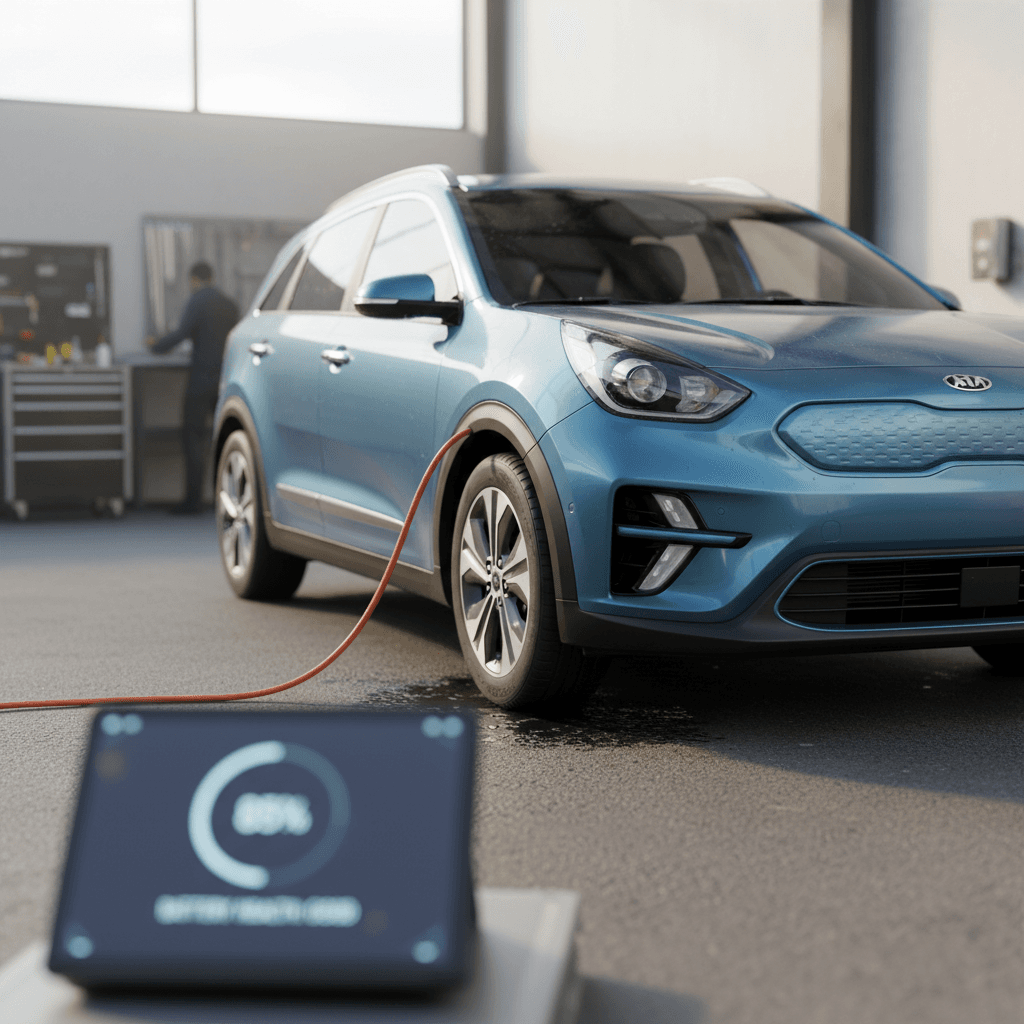
If you’re shopping the used EV market, the 2020 Kia Niro EV sits in a sweet spot: practical crossover shape, solid real‑world range, and pricing that’s now far below what it cost new. This 2020 Kia Niro EV review focuses on what matters today, range, reliability, charging speed, and ownership costs, so you can decide if it deserves a spot in your driveway.
Quick take
2020 Kia Niro EV overview
The 2020 Kia Niro EV is the first full model year of Kia’s electric version of the Niro crossover for the U.S. market. Mechanically, it shares a lot with the Hyundai Kona Electric, but wraps that hardware in a more upright, family‑friendly body with better rear headroom and cargo usability. You get a single front‑mounted electric motor, front‑wheel drive, and a large 64.0‑kWh lithium‑ion battery pack positioned under the floor for a low center of gravity and flat load space.
2020 Kia Niro EV headline numbers
From a packaging standpoint, the Niro EV is a compact wagon‑like crossover: easy to park, but big enough for a small family. It doesn’t scream “EV” the way some rivals do, which many used shoppers see as a plus. Inside, it feels like a conventional Kia of its era, straightforward controls, lots of physical buttons, and a more traditional driving position than many small hatchback‑based EVs.
Key specs: motor, battery, range & charging
2020 Kia Niro EV core specifications
At a glance specs for the U.S.‑market 2020 Niro EV.
| Spec | 2020 Niro EV |
|---|---|
| Motor | 201 hp permanent‑magnet AC, 291 lb‑ft torque |
| Drivetrain | Front‑wheel drive |
| Battery | 64.0‑kWh liquid‑cooled lithium‑ion |
| EPA range | 239 miles |
| EPA efficiency | 112 MPGe combined (123 city / 102 highway) |
| Max DC fast charge | Up to 100 kW (about 10–80% in ~1 hour) |
| On‑board AC charger | 7.2 kW (Level 2) |
| 0–60 mph | Low‑to‑mid‑6‑second range in independent tests |
| Cargo volume | About 19 cu ft behind rear seats (≈53 cu ft seats folded) |
These figures apply to both EX and EX Premium trims unless otherwise noted.
Spec nuance
Driving experience, comfort & tech
Everyday driving
The Niro EV isn’t a hot hatch, but it’s far from slow. With 201 horsepower and 291 lb‑ft of torque available from zero rpm, it pulls smartly away from lights and merges with confidence. Independent testing has clocked 0–60 mph in the low‑6‑second range, which is quicker than many compact crossovers that burn gasoline.
Steering is light, visibility is good, and the suspension tuning leans more toward comfort than canyon carving. Front‑wheel drive means that if you mash the accelerator on wet pavement you can get some wheelspin, but in normal use it just feels smooth and easy to drive.
Ride, noise & comfort
The 2020 Niro EV rides firmly but not harshly. The extra weight of the battery actually helps settle the ride over broken pavement, though sharp hits still come through a bit more than in a larger SUV. Wind and road noise are well controlled for this class, important in an EV where there’s no engine note to mask it.
The front seats are comfortable for most body types, and adults can sit in the rear without knees jammed against the front backrests. The upright roofline means headroom is better than in many small EVs, and the cargo area is boxy and easy to load.
Cabin materials are typical for a compact Kia of this era: mostly hard plastics but assembled well, with a clean dashboard layout and plenty of physical knobs and buttons. If you prefer a traditional dash over minimalist touch‑only setups, the Niro EV will feel familiar in the best way.
Technology and convenience highlights
What you’re likely to find on a 2020 Niro EV EX or EX Premium
Infotainment & connectivity
- 8‑inch or larger touchscreen
- Apple CarPlay and Android Auto
- Multiple USB ports and Bluetooth
Driver assistance
- Forward collision warning and auto braking
- Adaptive cruise and lane keep assist (on many cars)
- Rear camera with parking sensors
Comfort & convenience
- Heated front seats (widely available)
- Dual‑zone climate control on many EX Premiums
- Smart key with push‑button start
Infotainment watch‑outs
Range, efficiency and real-world charging
On paper, the 2020 Kia Niro EV’s 239‑mile EPA range puts it solidly in the middle of the compact EV pack for its time. What’s more interesting is how it performs off paper: independent testing has seen highway ranges around 210–285 miles depending on conditions, with efficiency well ahead of many rivals. That efficiency makes the Niro EV an appealing daily driver, especially if you’re paying high electricity rates or using public charging regularly.
- EPA‑rated 112 MPGe combined (123 city / 102 highway).
- Independent tests have beaten the official range in mild weather, suggesting the EPA number is conservative rather than optimistic.
- In very cold conditions, winter range can drop noticeably, as with any EV, but the Niro EV still compares well to peers.
- The 64‑kWh pack provides a good buffer even if your daily commute involves highway speeds and climate control.
Charging times at a glance
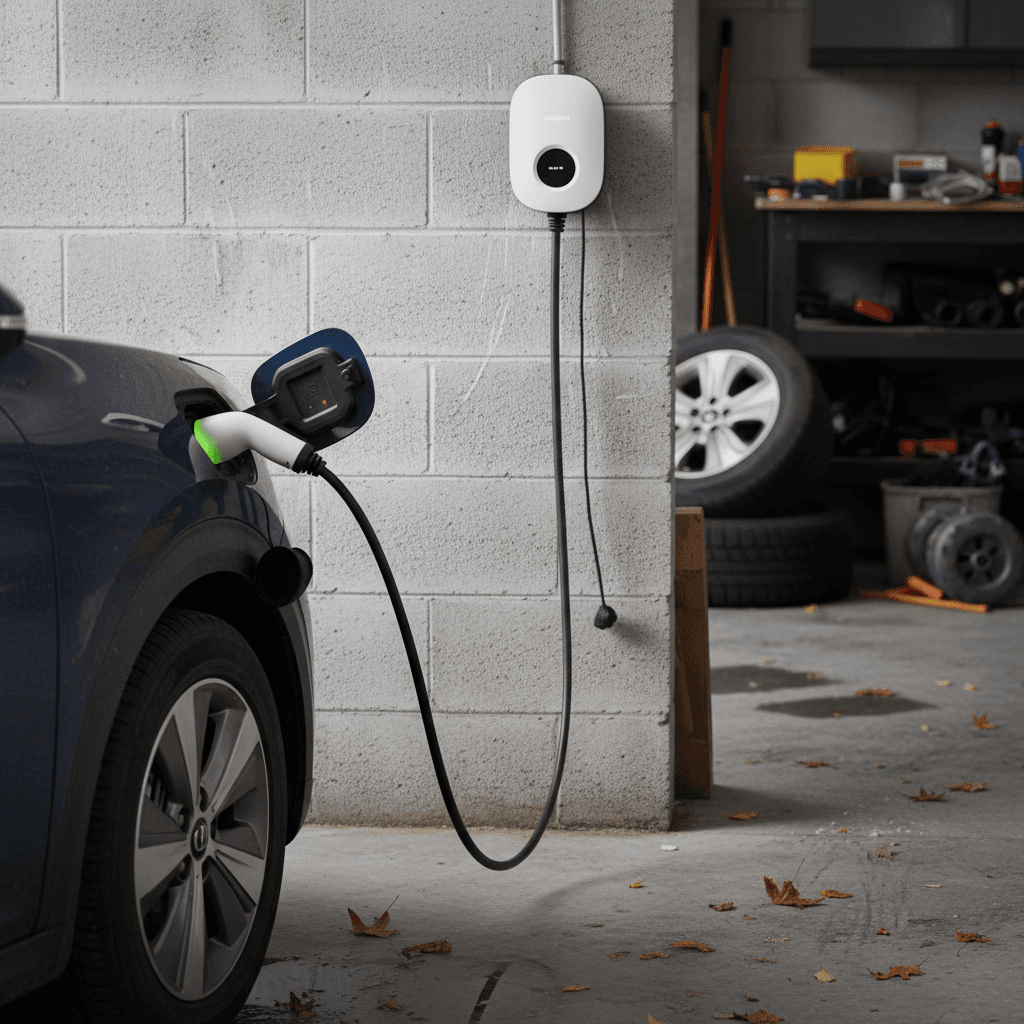
For many U.S. households, that means you can plug in overnight on a 40‑amp Level 2 charger and wake up to a full battery nearly every morning. If you don’t yet have home charging, pairing a Niro EV with workplace or public Level 2 charging can still work well, but you’ll want to understand local network reliability and pricing.
Home charging and used EVs
Reliability and common issues on the 2020 Niro EV
Overall, the Niro EV family has built a reputation for being more reliable than many early EVs, and owner reports of the 2020 model year are generally positive. That said, no used EV is perfect, and there are a few patterns and recall‑related issues you’ll want to be aware of when evaluating a specific car.
Known trouble spots to investigate
Not every 2020 Niro EV will have these issues, but they’re worth checking for.
Drivetrain noises & reduction gear issues
Some owners report "wheel‑of‑fortune" or grinding noises from the front end at 40–60 mph, often traced to the reduction gear unit. Catching this early is important, as repair costs can climb if left unchecked.
Coolant & power electronics recalls
Kia has issued recall campaigns related to the EV power control unit (EPCU) and coolant leaks that can damage electronics. In worst cases, cars have lost power and shifted to neutral. On a used Niro EV, confirm recall work has been completed and inspect for any lingering warnings.
12‑volt battery weaknesses
Like many EVs, the Niro EV’s small 12‑volt battery can cause odd behavior as it ages, warning lights, infotainment glitches, or no‑start conditions. Many owners pre‑emptively replace the OEM 12‑V battery with a higher‑quality AGM unit after a few years.
Infotainment "radio" head unit failures
There are cases of the central screen and control unit failing or freezing, sometimes leading to long dealer wait times for replacement parts. Screen function is about more than entertainment; it also controls charge limits and some driver‑assist settings.
Why recalls matter on a used EV
On the positive side, long‑term owners with properly maintained cars often report minimal battery degradation, with usable range staying strong even around 90,000 miles. That’s consistent with what we see across many liquid‑cooled packs in this size class: when charging is managed intelligently and the car isn’t DC‑fast‑charged to 100% constantly, the chemistry tends to hold up well.
Is the 2020 Kia Niro EV a good used buy?
When new, a 2020 Niro EV carried an MSRP in the low‑to‑mid‑$40,000s depending on trim. Today, typical U.S. retail prices are dramatically lower, often in the low‑ to mid‑teens for average‑mileage EX and EX Premium models. That depreciation is exactly why many shoppers are eyeing the 2020 Niro EV as a strong value play in 2026.
Used value snapshot (national ballpark)
Viewed as a used buy, the 2020 Niro EV offers a compelling mix of real‑world range, practicality, and low running costs. The main caveats are making sure recall work is done, listening carefully for drivetrain noises, and checking that the infotainment system behaves properly. If those boxes are ticked, and if the battery pack checks out healthy, the Niro EV can be a very rational choice for someone who wants a do‑everything commuter and family runabout.
Where Recharged fits in
Ready to find your next EV?
Browse VehiclesTrim levels: EX vs EX Premium
For the 2020 model year, the Niro EV was sold in two main trims in the U.S.: EX and EX Premium. Both share the same motor, battery, range, and charging hardware, so your decision comes down to comfort and convenience features rather than performance.
2020 Niro EV EX vs EX Premium
Same drivetrain, different creature comforts.
EX (base trim)
- More affordable entry price on the used market
- Cloth (or cloth/leatherette) upholstery
- Heated front seats on many cars
- Core driver‑assist features like forward collision avoidance
- Great choice if you value range and practicality over luxury touches
EX Premium
- Sunroof and upgraded interior materials
- Heated and ventilated front seats in many builds
- Larger touchscreen and premium audio on some vehicles
- More advanced driver‑assistance and comfort features
- Best for buyers who plan to keep the car long term and value comfort
Trim choice strategy
How the 2020 Niro EV compares to other used EVs
The obvious cross‑shoppers for a 2020 Niro EV in today’s used market are cars like the Chevrolet Bolt EV, Hyundai Kona Electric, Nissan Leaf Plus, and early Tesla Model 3s. Each has its own strengths and trade‑offs.
2020 Niro EV vs common used‑EV alternatives
High‑level comparison; specific specs vary by model year and configuration.
| Model | Typical used price (2026) | EPA range (approx.) | Body style highlights |
|---|---|---|---|
| 2020 Kia Niro EV | Low‑ to mid‑$10Ks | 239 mi | Practical small crossover with good headroom and cargo. |
| 2019–2020 Hyundai Kona Electric | Similar or slightly higher | 258 mi | Smaller rear seat; more range; similar hardware. |
| 2019–2020 Chevrolet Bolt EV | Often slightly cheaper | 238 mi | Hatchback; strong efficiency but tighter rear seat; battery recall history. |
| 2019–2020 Nissan Leaf Plus | Usually cheaper | 215–226 mi | Comfortable but uses air‑cooled battery; faster degradation in hot climates. |
| 2018–2019 Tesla Model 3 Standard Range | Higher price point | 220–240+ mi | Sedan with access to Supercharger network and strong software features. |
Use this as a directional guide, always verify exact specs for any individual used vehicle.
If you prioritize interior space, traditional controls, and a crossover driving position, the Niro EV stands out. If you want DC fast‑charging at Tesla Superchargers or cutting‑edge software, an early Model 3 may be a better fit, but at a higher entry price and with a sedan‑style trunk. And if absolute lowest purchase price is the only goal, an older Leaf Plus might win, though its battery‑cooling design means you need to scrutinize pack health even more closely than with the Niro.
Inspection checklist before you buy used
Essential checks for a 2020 Niro EV
1. Verify recall and warranty status
Run the VIN through Kia’s recall tool and ask for dealer service records. Confirm that any EPCU, coolant‑system, or battery‑related recalls are complete, and note how much of the original 10‑year/100,000‑mile EV warranty remains based on in‑service date.
2. Listen for drivetrain noises
On a highway test drive around 40–60 mph, turn off the radio and climate fan. Listen for whining, grinding, or "wheel‑of‑fortune" style noises from the front. Any unusual sounds warrant further diagnosis before you sign paperwork.
3. Check for warning lights and messages
With the car in READY, look for any persistent EV system warnings, coolant‑level messages, or check‑engine lights. These can hint at unresolved power‑electronics or cooling issues that are expensive to fix out of warranty.
4. Test the infotainment thoroughly
Cycle the infotainment system multiple times, test Bluetooth, CarPlay/Android Auto, and climate controls. Make sure screen taps register quickly and that you can adjust charge limits and schedules without lag or freezing.
5. Evaluate battery health and charging behavior
Ask for data from a recent battery‑health report if available. On a DC fast charger, watch that the car can sustain reasonable charge rates without unexpected cut‑outs. At Recharged, our Recharged Score Report includes a deep dive on pack health so you’re not guessing.
6. Inspect tires, brakes and underbody
Like any 4‑ to 6‑year‑old used car, worn tires, brakes, or suspension components can add to your first‑year costs. On an EV, also glance underbody panels and charge‑port area for damage from curbs or road debris.
Don’t skip a pre‑purchase EV inspection
2020 Kia Niro EV FAQ
Frequently asked questions about the 2020 Niro EV
Bottom line: should you buy a 2020 Niro EV?
If you want a used EV that just quietly gets the job done, the 2020 Kia Niro EV is hard to ignore. It blends real‑world range, strong efficiency, and a useful crossover body, now at a fraction of its original price. In exchange, you accept merely adequate DC fast‑charging speeds and the need to diligence recalls, power‑electronics health, and infotainment behavior carefully.
For many households, especially those with access to home Level 2 charging and typical daily mileage under 80–100 miles, a well‑vetted 2020 Niro EV can be a rational, low‑drama choice. If you’d like to shortcut the guesswork, browsing Niro EVs on Recharged means every car comes with a Recharged Score battery‑health report, transparent pricing, and EV‑specialist support from first question to final paperwork. That combination is what turns a promising spec sheet into a confident long‑term ownership experience.