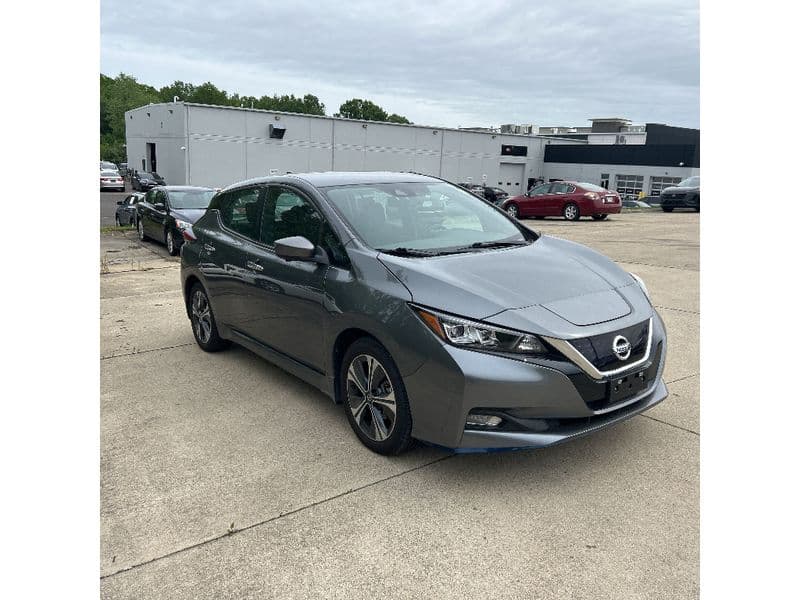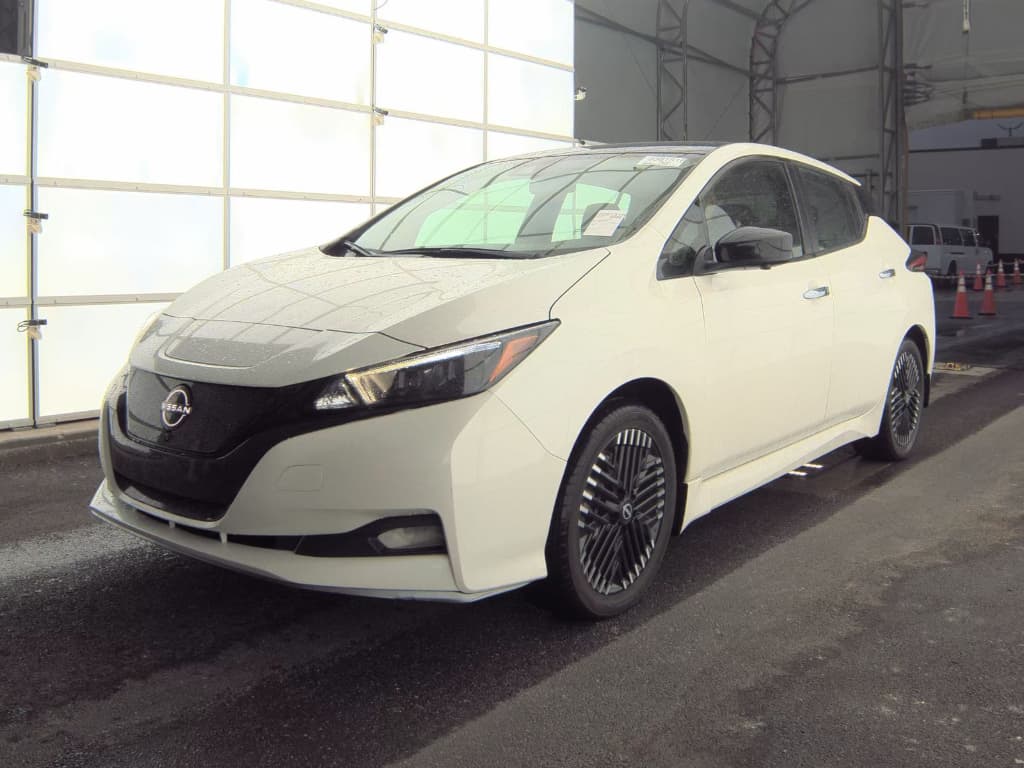
If you’re looking at a Nissan Leaf in 2026, new or used, you’ve probably realized the official EPA numbers don’t tell the whole story. The question that really matters is: how many miles will a Nissan Leaf actually go on a charge in your daily life? This guide breaks down Nissan Leaf real‑world range in 2026 by battery size, speed, weather, and battery age so you can decide if a Leaf fits your routine.
Key takeaway up front
Why “real‑world range” matters more than EPA miles
The EPA test cycle is designed to compare vehicles, not predict the exact distance you’ll see every day. It assumes a healthy battery, moderate weather, and controlled driving. In the real world, your range depends on how fast you drive, how cold or hot it is, how much you climb hills, and, especially for used Leafs, how much the battery has degraded over time.
- EPA ratings are best used as a comparison tool between models, not a promise.
- Real‑world Leaf owners often see 10–25% less than EPA at highway speeds on mild days, and more loss in winter.
- A used Nissan Leaf’s range can be reduced another 5–30% depending on battery age and history.
So when you’re evaluating a Leaf in 2026, especially a used one, you want to think in terms of conservative real‑world range, not optimistic brochure numbers.
Nissan Leaf batteries and EPA range basics (through 2026)
Before we talk about real‑world miles, it helps to know which battery you’re dealing with. For U.S.‑market second‑generation Leafs (2018–2025, and carryover 2026 cars), you’ll mostly see two pack sizes:
Nissan Leaf battery sizes and EPA range (recent U.S. models)
High‑level snapshot of the common Leaf batteries you’re likely to see in the U.S. used market in 2026.
| Model years (US) | Battery (nominal) | Trim examples | EPA rated range (new) |
|---|---|---|---|
| 2018–2026 (most S trims) | 40 kWh | Leaf S, S w/40 kWh | ≈149 miles |
| 2019–2024 (Leaf Plus / SV Plus) | 62 kWh | Leaf Plus, SV Plus, SL Plus | ≈212–226 miles |
| Some markets / new gen 2025+* | 52–75 kWh (est) | Regional variants | Longer EPA range, not all in US |
EPA ratings assume a healthy battery and mixed driving; real‑world range is usually lower.
What this means for you
Real‑world range for 2026 Leaf: quick cheat sheet
Realistic 2026 Nissan Leaf range snapshot (healthy batteries, mild weather)
Used‑Leaf reality check
How speed, driving style, and terrain change Leaf range
With any EV, speed is the single biggest day‑to‑day range lever you control. That’s especially true for the Leaf because it doesn’t have the biggest or most efficient pack by 2026 standards.
How your driving style changes Nissan Leaf range
Same car, same battery, very different results.
65–75 mph highway
At U.S. highway speeds, the Leaf’s range can drop by 15–25% vs. EPA numbers even in mild weather.
- 40 kWh: think 90–115 miles at 70–75 mph when new.
- 62 kWh: often 160–190 miles at those speeds when healthy.
Urban & suburban
Stop‑and‑go plays to the Leaf’s strengths: strong regen braking and modest speeds.
- Many 40 kWh owners see 120–140 miles in city use on a healthy pack.
- 62 kWh cars can stretch to 200+ miles if you stay mostly below 50 mph.
Hills & elevation change
Climbing long grades burns energy quickly; regen on the way down only gives part of it back.
- Plan an extra 10–20% buffer in hilly areas.
- Don’t trust the guess‑o‑meter after a steep uphill, it assumes you’ll keep climbing.
Range‑friendly Leaf driving tips
Weather and winter range: what really happens in the cold
Nissan never gave U.S. Leafs an active liquid‑cooled battery system, and cabin heating on earlier years relies heavily on resistive heaters. That combination means the Leaf’s winter range drops more than many newer EVs with heat pumps and liquid‑cooled packs.
Mild weather (50–75°F)
- Best case for range and comfort.
- Most owners see close to the quick‑sheet numbers above.
- Air‑conditioning uses energy, but far less than the heater does in winter.
In these conditions, a healthy 62 kWh Leaf often feels like a true 200‑mile car for mixed driving.
Cold weather (below freezing)
- Range loss can be 25–40% once you factor in cabin heat and denser air.
- Short trips with frequent cold‑soaked starts are hardest on efficiency.
- Preheating while plugged in and using seat/steering‑wheel heaters minimizes the hit.
In a harsh winter climate, a 40 kWh Leaf that did 120 miles in fall might feel like an 80‑mile car until spring returns.
Don’t plan to 0% in winter
Battery degradation and used Leaf range in 2026
Because the Leaf has now been on sale for more than a decade, battery health is the make‑or‑break factor for real‑world range on a used example. Unlike some newer EVs, early and mid‑cycle Leafs lack sophisticated thermal management, so hot‑climate cars and DC‑fast‑charged commuter cars can show noticeable capacity loss by year 8–10.
Very rough degradation bands for U.S. Leafs (mixed use, moderate climate)
These are ballpark ranges, not guarantees. Individual cars can be much better or worse based on climate and charging history.
| Battery / age | Typical capacity loss | Healthy real‑world mild‑weather range |
|---|---|---|
| 40 kWh – ~3–5 years old | ~5–10% | 100–125 miles mixed driving |
| 40 kWh – ~7–10+ years old | ~15–30% | 70–110 miles mixed driving |
| 62 kWh – ~3–5 years old | ~3–8% | 170–210 miles mixed driving |
| 62 kWh – ~7–10+ years old | ~10–20% | 140–190 miles mixed driving |
Always rely on an actual battery health test, numbers here just illustrate typical patterns.
How Nissan shows battery health
City vs highway vs mixed driving: real‑world examples
To turn all of this into something you can use, let’s look at typical scenarios Leaf drivers face in 2026. These examples assume a reasonably healthy battery for the age of the car and mild weather unless stated otherwise.
Sample Nissan Leaf range scenarios
Use these to sanity‑check your own daily driving needs.
40‑mile each‑way commute (mostly highway)
Car: 62 kWh Leaf Plus
Driving: 70–75 mph, light traffic
Weather: 60–75°F
- Out and back (80 miles total) is comfortable with 60–90 miles remaining.
- Even with moderate degradation, this trip is realistic without mid‑day charging.
Short‑trip suburb life
Car: 40 kWh Leaf
Driving: errands, school runs, 45–55 mph roads
Weather: mixed seasons
- Many owners drive 40–60 miles per day and only plug in every 2–3 nights.
- Range anxiety is rare if you don’t live far from home or work.
Weekend 150‑mile visit to family
Car: Healthy 62 kWh Leaf
Driving: 65–70 mph, some hills
Weather: 50–70°F
- Most drivers can do the trip one way with 30–50 miles to spare.
- Round‑trip in a day usually requires one DC fast charge en route.
Winter commuting at 10–20°F
Car: Older 40 kWh Leaf
Driving: 65 mph, mixed stop‑and‑go
Weather: sub‑freezing, heater on
- Practical range may drop to 60–80 miles on a full charge.
- Daily 40–50 mile commutes are still doable, but buffer gets thin.
Planning your commute or road trip in a Leaf
Whether a Leaf works for you in 2026 comes down to your routes and your charging options. The good news: for many U.S. drivers, especially with home Level 2 charging, a Leaf still covers the vast majority of daily use with ease.
5‑step checklist: can a Nissan Leaf cover your routine?
1. Map your longest regular day
Write down the <strong>longest realistic daily distance</strong> you drive now, not once‑a‑year road trips, but your worst‑case Tuesday. If that’s under ~80 miles, even a somewhat degraded 40 kWh Leaf can usually handle it in mild weather.
2. Consider your climate
In snowy or very hot climates, mentally cut your summer range by <strong>25–35%</strong> to get a realistic winter or extreme‑heat number. If the car still covers your daily needs with a 20% buffer, you’re in good shape.
3. Check your charging options
Home Level 2 charging turns the Leaf into a “refill every night” appliance. If you rely on public charging, look at stations along your commute and near work with tools like PlugShare or the built‑in navigation.
4. Decide your comfort buffer
Some people are fine ending the day at <strong>10% state of charge</strong>; others want 30% in reserve. Decide your comfort zone and plan your realistic range around that, not the full 0–100% span.
5. Think about the odd longer trip
If you occasionally drive 200+ miles in a day, a 62 kWh Leaf with planning and public fast charging can work. If you do that every weekend, you may want to cross‑shop longer‑range EVs alongside the Leaf. Recharged’s EV specialists can help you compare options.
Where Recharged fits in
Ready to find your next EV?
Browse VehiclesHow Recharged measures Leaf battery health (and why it matters for range)
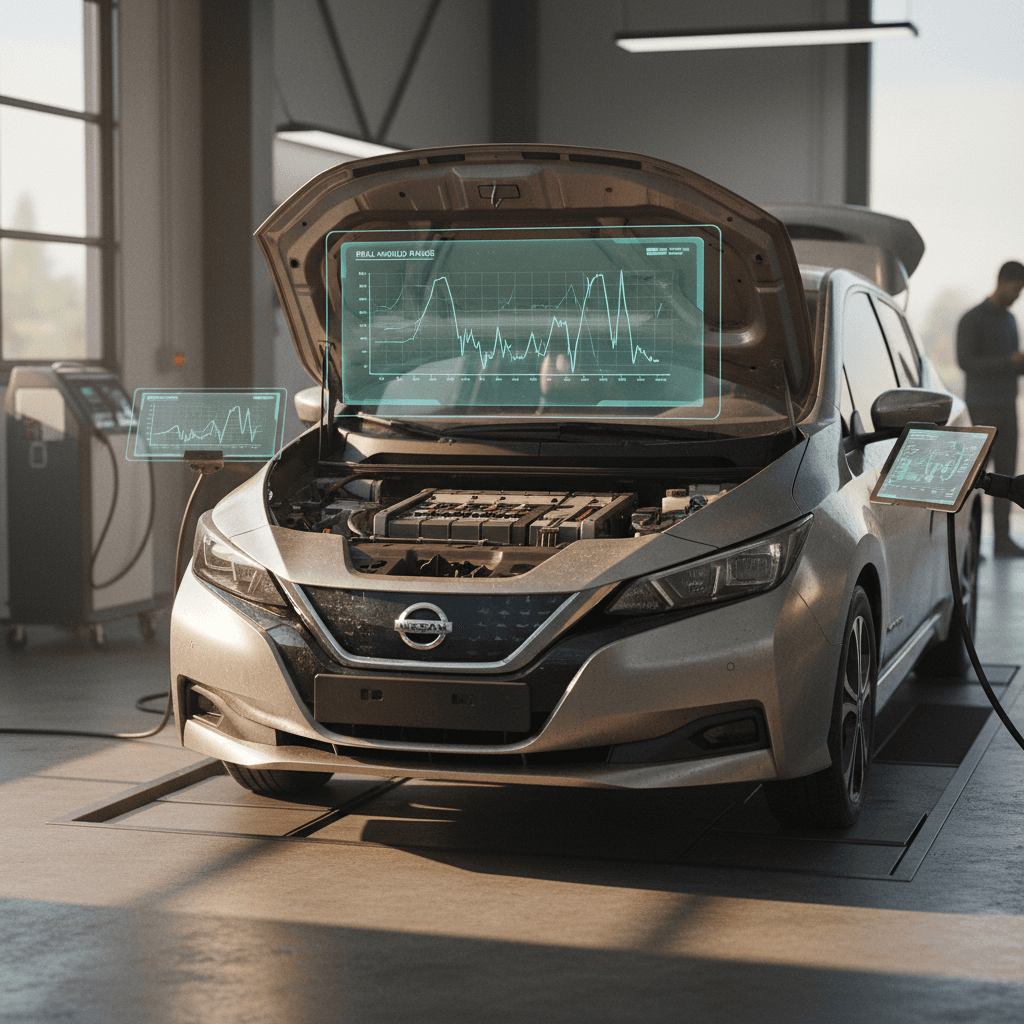
Two Nissan Leafs with the same model year and battery size can have very different real‑world range in 2026. One might easily hit 120 miles on a charge; another might struggle to reach 80. The difference is almost always battery health, and that’s exactly what Recharged’s diagnostics are designed to uncover.
What we look at
- State of health (SOH): An estimate of how much usable capacity remains vs. new.
- Charge history clues: Signs of heavy DC fast charging or always‑at‑100% storage.
- Climate exposure: Where the car lived and how that likely affected the pack.
- On‑road behavior: How quickly range falls at various speeds and loads.
How that helps you
- The Recharged Score converts battery data into an easy‑to‑understand grade with context.
- We can give you personalized range estimates for your commute, not just a generic number.
- If you’re deciding between two used Leafs, you can see which pack will actually go farther over the next few years.
That’s the difference between buying an EV on faith and buying one with clear, data‑backed expectations.
FAQ: Nissan Leaf real‑world range in 2026
Frequently asked questions about Nissan Leaf real‑world range
Bottom line: is a Nissan Leaf enough range for you?
By 2026, the Nissan Leaf isn’t the range champion of the EV world, but for a huge slice of drivers, it doesn’t need to be. If you understand the real‑world miles you’ll see from a 40 kWh or 62 kWh pack, factor in your climate, and buy based on actual battery health instead of wishful thinking, the Leaf can still be a very sensible, budget‑friendly electric car.
The key is to match the car to your life. If your daily driving lives under roughly 80–100 miles and you have a place to charge, a Leaf, especially a well‑vetted used one, will likely feel easy and predictable. If you’re pushing past that regularly at high speeds or in harsh winters, you’ll either want the 62 kWh Leaf Plus with a strong battery or to cross‑shop longer‑range EVs.