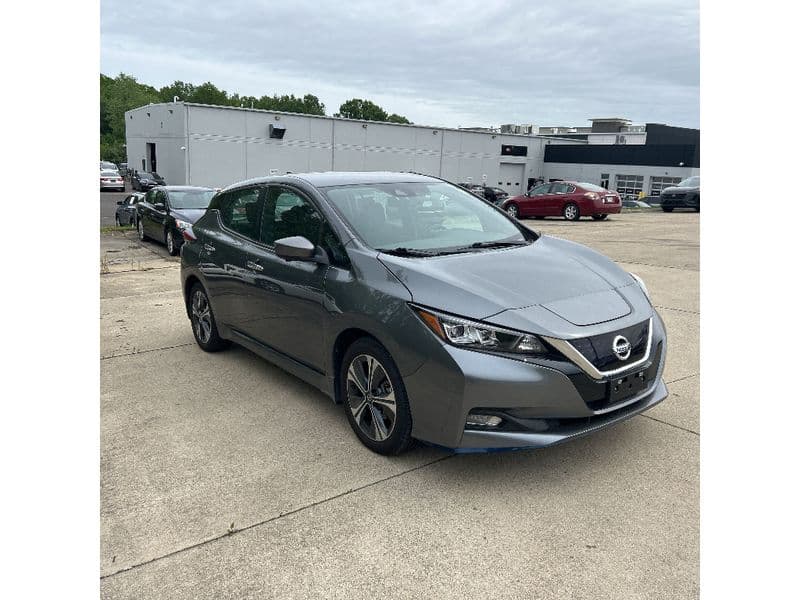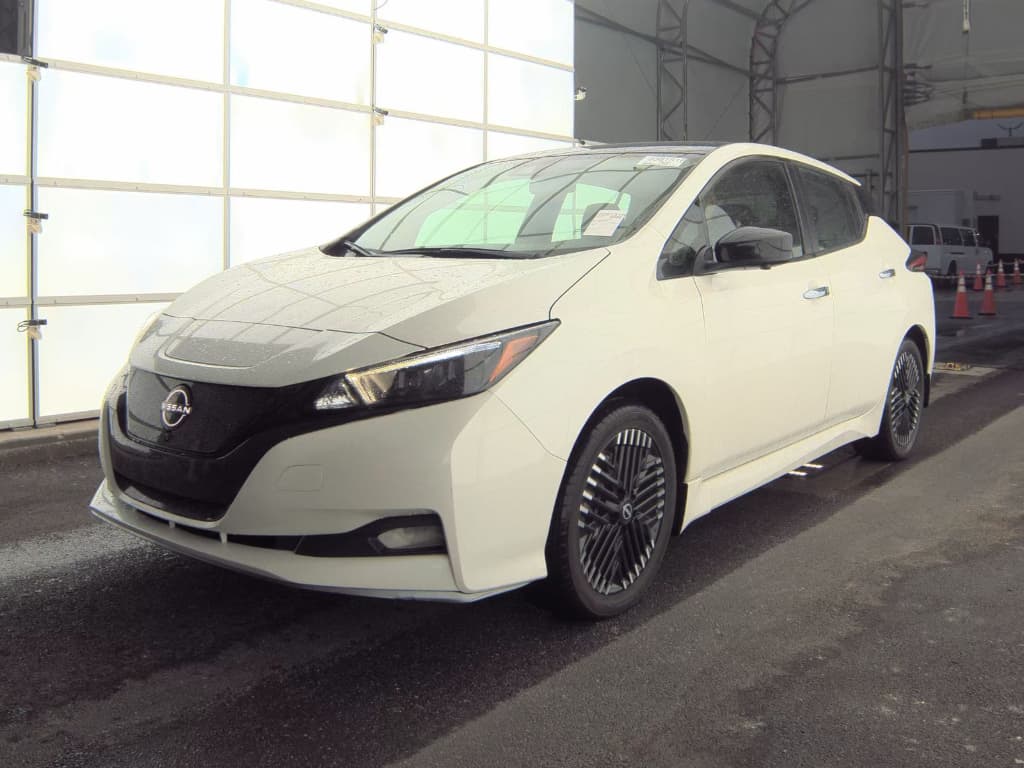
If you’re considering a Nissan Leaf, you’re probably not just asking, “What’s the price?” You’re asking a better question: “What’s the long-term ownership cost?” The Leaf can be one of the most affordable ways to get into an EV, but the real answer depends heavily on battery health, how you drive, and whether you buy new or used.
At a glance
Why Nissan Leaf long-term ownership costs matter
The Leaf was one of the first modern mass-market EVs, and that early start is a double-edged sword. On one hand, you’ll find very affordable used Leafs. On the other, early cars had smaller batteries, passive cooling, and faster degradation than today’s best EVs. That makes understanding long-term ownership cost especially important if you’re shopping a 5–10-year-old model.
Who the Nissan Leaf makes financial sense for
Your use case shapes your real cost of ownership
City & suburban commuters
Shorter daily drives (under 60–80 miles) play to the Leaf’s strengths and reduce range anxiety, even as the battery ages.
Budget-focused buyers
Used Leafs can be thousands less than comparable gas cars, and you’ll save on fuel and most maintenance over time.
Second car households
Using a Leaf as the around-town runabout while keeping a gas car for road trips can deliver low total cost with minimal compromise.
Nissan Leaf long-term cost highlights (typical U.S. owner)
Key cost drivers over the life of a Nissan Leaf
When you look at Nissan Leaf long term ownership cost, think in buckets rather than line items. Over 8–10 years, most of your costs will fall into these areas:
- Battery health and potential replacement
- Electricity (home and public charging)
- Maintenance and unscheduled repairs
- Insurance, taxes, and registration fees
- Depreciation and eventual resale value
- Financing costs, if you’re using a loan
The big lever: starting price
Battery health, degradation, and replacement costs
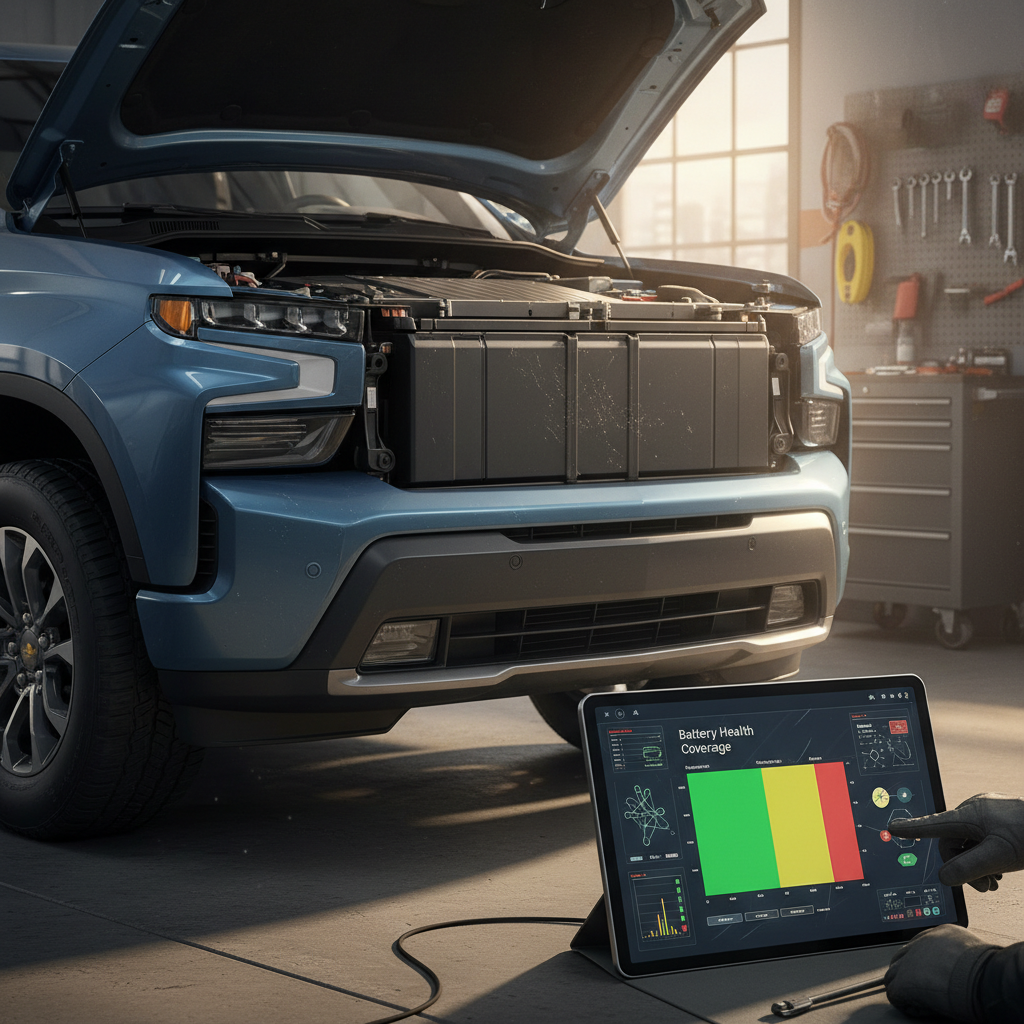
The traction battery is the heart of every EV, and the Leaf’s pack is also its biggest long-term financial question. Unlike some newer EVs, the Leaf’s earlier generations used passively cooled packs, which tend to degrade faster in hot climates and with heavy DC fast-charging use.
How Leaf batteries typically age
- Older models (2011–2016): Smaller packs (24 kWh), faster degradation in hot regions, many now at significantly reduced range.
- Mid-generation (2017–2019): 30–40 kWh packs, somewhat better chemistry but still sensitive to heat and frequent DC fast charging.
- Newer models (2020+): 40–62 kWh packs, improved durability, better long-term prospects for range.
What this means for your wallet
- As the pack ages, usable range drops, which can turn a perfect commuter into a car that no longer fits your lifestyle.
- In many markets, the cost of a full pack replacement can rival the value of an older Leaf itself.
- Buying a used Leaf with a strong battery today is often cheaper than paying for a replacement later.
Battery replacement sticker shock
Quick checklist for evaluating Leaf battery health
1. Check the capacity bars
On the Leaf’s dash, the <strong>small bars on the right</strong> show battery capacity, not just charge state. A new Leaf shows 12 bars; fewer bars mean permanent capacity loss.
2. Compare displayed range to EPA estimate
On a full charge, compare the displayed range to what the car was rated for when new. A large gap (especially on mild days) suggests noticeable degradation.
3. Ask about climate and parking habits
Leafs that lived in <strong>hot climates</strong> and were parked outside in the sun typically age faster than those kept in temperate regions or garages.
4. Review fast-charging history if possible
Frequent DC fast charging adds heat and can accelerate degradation. Occasional use is fine; daily DC fast charging is a red flag on older packs.
5. Get an independent battery report
If you’re serious about a used Leaf, look for a <strong>professional battery health diagnostic</strong>, like the Recharged Score, to see an objective state-of-health rating.
Electricity vs. gas: how much you’ll spend to drive
Fuel is where the Leaf quietly wins. Even if you ignore incentives and just look at your monthly outlay, electricity usually undercuts gasoline on a cost-per-mile basis, especially if you charge at home.
Typical energy cost: Nissan Leaf vs. similar gas compact
Approximate costs for a U.S. driver covering 12,000 miles per year.
| Vehicle | Energy cost per mile | Annual energy cost (12,000 mi) | Key assumptions |
|---|---|---|---|
| Nissan Leaf (home charging) | $0.03–$0.05 | $360–$600 | Average electricity at 13–20¢/kWh, 3–4 mi/kWh |
| Nissan Leaf (heavy DC fast charging) | $0.18–$0.30 | $2,160–$3,600 | Public DC rates often similar to or higher than gas on a per‑mile basis |
| Gas compact (30 mpg @ $3.50/gal) | $0.12 | $1,400 | 30 mpg combined, $3.50 per gallon gas |
| Gas compact (30 mpg @ $4.50/gal) | $0.15 | $1,800 | Same car at higher fuel prices |
Actual costs vary by your local gas and electricity rates, efficiency, and driving style.
Maximize your Leaf’s fuel savings
Maintenance and repairs: where the Leaf saves you money
One of the biggest advantages of EVs is their simplicity. The Nissan Leaf has no engine, no traditional transmission, no timing belt, and no oil changes. Over 8–10 years, that quiet mechanical simplicity usually translates into lower maintenance and repair bills compared to a gas car, provided the high-voltage battery stays healthy.
Common Leaf maintenance vs. comparable gas car
What you’ll still pay for, and what you’ll probably avoid
You’ll still budget for
- Tires: EV torque can wear them quicker if you drive aggressively.
- Brakes: Pads and rotors still age, though regen braking extends life.
- Cabin air filter: Typically every 1–2 years.
- Coolant & brake fluid: Periodic fluid changes as specified.
- 12V battery: Just like in a gas car, it will eventually need replacement.
You’ll likely spend less on
- Oil changes: None, ever.
- Engine-related repairs: No spark plugs, fuel injectors, exhaust, catalytic converter, etc.
- Transmission issues: Single-speed reduction gear, far fewer moving parts.
- Emissions system repairs: No smog-related repairs or tests in many regions.
Owner reality check
Insurance, taxes, and fees
Insurance and registration are the less glamorous parts of long-term ownership, but they still matter. The good news is the Leaf is typically inexpensive to insure compared with luxury EVs; the bad news is some states tack on extra annual EV registration fees to offset lost gas-tax revenue.
Insurance costs
- Vehicle value: A used Leaf’s modest market value usually means modest comprehensive and collision premiums.
- Repair costs: Bodywork and some EV-specific repairs can still be pricey, so it pays to compare quotes from multiple insurers.
- Safety record: The Leaf’s solid crash-test history can help keep rates in check relative to older designs.
Taxes and EV fees
- Sales tax & registration: Similar to a gas car of the same price; buying used lowers this upfront hit.
- EV surcharges: Some states add annual EV fees (often $100–$250) in lieu of gas taxes, factor this into your long-term budget.
- Local incentives: Certain cities and utilities offer reduced registration fees or credits for EVs and home charging.
Depreciation and resale value for the Nissan Leaf
Here’s where the Leaf is both hero and villain. Relative to many EVs and gas cars, the Leaf depreciates quickly, especially in its first few years. That hurts if you buy new and sell early, but it’s great news if you’re shopping used and plan to keep the car for a long time.
How depreciation shapes your cost of ownership
Illustrative example of a Leaf’s value curve vs. a similar gas compact.
| Scenario | Purchase type | Holding period | What typically happens | Financial takeaway |
|---|---|---|---|---|
| New Leaf, sold after 3 years | New | 3 years | Large percentage of value lost in first 36 months. | High cost per year, depreciation dominates ownership cost. |
| New Leaf, kept 8–10 years | New | 8–10 years | Depreciation slows after early years; value eventually stabilizes at a low but steady level. | Higher upfront cost, but reasonable cost per year if you keep it long and battery stays usable. |
| 5-year-old used Leaf, kept 5 years | Used | 5 years | You avoid the steepest early depreciation and buy closer to the car’s long-term floor value. | Often the lowest total cost per year if the battery is healthy. |
| 10-year-old Leaf, bought cheap | Used | 3–5 years | Low purchase price but aging battery; range may limit usability and hurt resale. | Can be a bargain commuter or a headache depending on battery condition. |
Numbers are directional only; actual resale values depend on trim, mileage, battery health, region, and market conditions.
Why used Leafs can be such a deal
New vs. used Nissan Leaf: ownership cost comparison
If you’re focused on Nissan Leaf long term ownership cost, one of your biggest decisions is whether to buy new or used. The long-term math often favors a carefully chosen used Leaf, but there are trade-offs either way.
Buying a new Leaf
- Pros: Full warranty coverage, latest battery chemistry, no unknown history, access to current incentives and financing offers.
- Cons: Higher purchase price, biggest depreciation hit, may still have limited DC fast-charging performance vs. newer EV designs.
- Best for: Drivers planning to keep the car for 8–10 years who want maximum predictability and peace of mind.
Buying a used Leaf
- Pros: Far lower purchase price, much of the depreciation already absorbed, opportunity to cherry-pick a car with a strong battery.
- Cons: Shorter or no remaining warranty, battery health varies widely, older tech and shorter range on early models.
- Best for: Budget-conscious buyers, second-car households, and short-range commuters who prioritize low total cost over the latest features.
How Recharged can help on the used side
How to lower your long-term Leaf ownership costs
You can’t control everything, markets change, and batteries age, but you have more influence over your Leaf’s lifetime cost than you might think. A few smart decisions up front, and a few good habits over time, go a long way.
Practical ways to keep Nissan Leaf ownership costs down
1. Buy the right car, not just the cheapest
A slightly more expensive Leaf with <strong>better battery health and more range</strong> is often cheaper to own than a bargain-basement example that needs a battery sooner.
2. Match battery size to your real driving
If your daily driving is light, a smaller, older pack may be fine. If you routinely drive near the edge of the range, consider a newer, larger‑battery car to delay the point where degradation becomes limiting.
3. Prioritize home charging
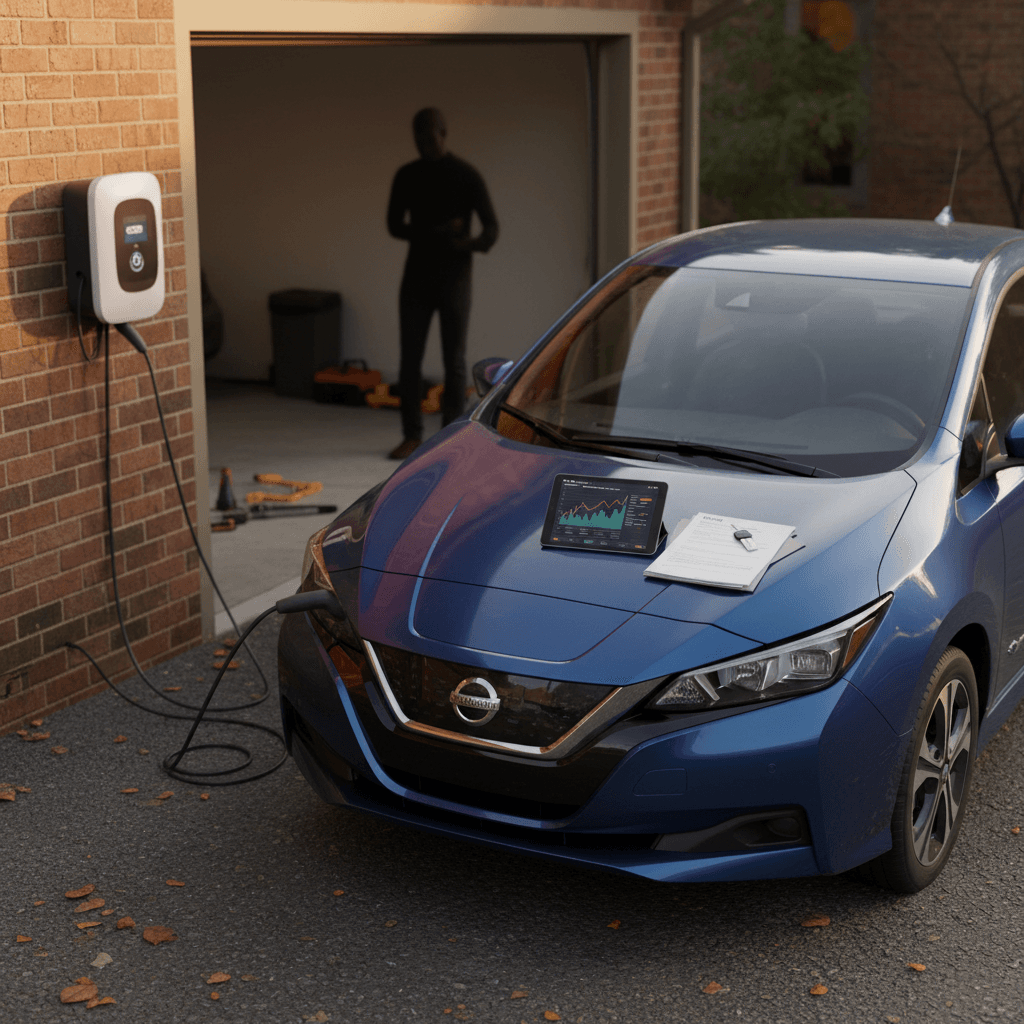
Home charging is typically much cheaper than public DC fast charging and gentler on the battery. Even a simple 120V outlet can work if your daily mileage is modest.
4. Be gentle with the battery
Avoid leaving the car at 100% or near 0% for long periods, especially in hot weather. When possible, park in the shade or in a garage, and reserve fast charging for road trips or occasional needs.
5. Shop insurance and understand EV fees
Get quotes from multiple insurers, rates vary. Check your state’s EV registration fees so you’re not surprised later and factor them into your annual cost.
6. Consider total cost, not just the payment
When comparing a Leaf to a gas car, look at <strong>payment + fuel + maintenance</strong> over several years. Often the Leaf wins even if the monthly payment is similar.
7. Use expert tools and support
When you buy through Recharged, you can lean on EV specialists, verified battery diagnostics, and financing tailored to used EVs, helping you avoid expensive mistakes.
FAQ: Nissan Leaf long-term ownership cost
Frequently asked questions about Nissan Leaf ownership costs
Is a Nissan Leaf worth it long-term?
If your expectations are aligned with what the car does best, a Nissan Leaf can be an exceptionally low-cost, low-drama long-term commuter. It’s not a cross-country road-tripper, and older examples demand careful attention to battery health, but for everyday errands, school runs, and commutes, the total cost of ownership can be hard to beat, especially on the used market.
The smartest play for many shoppers is a well-priced used Leaf with documented battery health, charged primarily at home, and kept for at least five years. That combination lets you capitalize on the Leaf’s strengths, cheap energy, low maintenance, and simple driving, while sidestepping its biggest financial risk, an unexpected battery bill. If you’re ready to run the numbers on your own situation, tools like the Recharged Score Report, EV‑savvy financing, and expert guidance can help you find a Leaf that fits both your lifestyle and your long‑term budget.