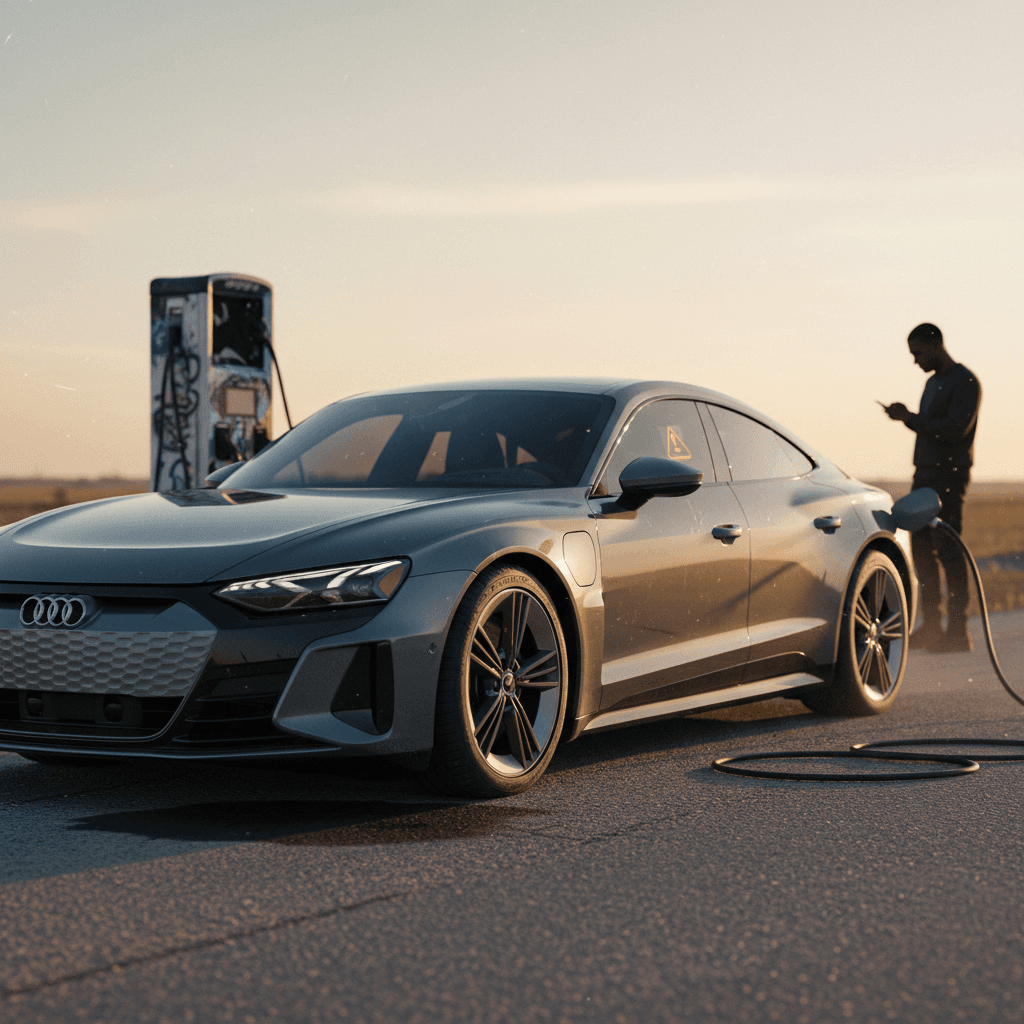
The 2022 Audi e-tron GT is a spectacular object, low, wide, and menacing in a very German way. It also shares its basic bones with the Porsche Taycan, which means huge performance and, yes, a few high‑profile headaches. If you’re researching 2022 Audi e-tron GT problems, you’re probably wondering whether you’re buying a future classic or a very fast warranty claim.
Quick take
Overview: Are 2022 Audi e-tron GT Problems a Dealbreaker?
Let’s start with perspective. The 2022 Audi e-tron GT is a first‑generation, high‑performance EV built on cutting‑edge 800‑volt architecture. That almost guarantees a flurry of recalls, software patches, and teething issues in the first few years. By early 2026, the 2022 e-tron GT had racked up more than a dozen NHTSA recalls, ranging from battery‑module fire risk to brake‑hose failures and airbag and camera faults.
At the same time, owner anecdotes paint a split picture. Some drivers report years of drama‑free use, just tires, software updates, and a spoiler motor here or there. Others have horror stories involving months in the shop, particularly when high‑voltage components or charging hardware need replacement.
- If you’re allergic to recalls, you will not like the 2022 e-tron GT on paper.
- If you care more about how the car has been updated and cared for than about the number of campaign IDs, the story gets more nuanced.
- For a used shopper, the key is verifying recall completion, battery health, and charging behavior, not panicking at the spec sheet.
Headline stat
Major 2022 Audi e-tron GT Recalls You Should Know About
Key recall themes for the 2022 e-tron GT
Here are the big recall buckets that matter if you’re shopping a 2022 e-tron GT in 2026:
Major 2022 Audi e-tron GT Recall Themes (Simplified)
Always run the VIN through NHTSA or Audi before you buy, this table is a high‑level guide, not a substitute for an official check.
| Issue | Model years affected | What can happen | Typical fix |
|---|---|---|---|
| High‑voltage battery module short circuit | 2022–2023 | Internal short can overheat modules and potentially cause a fire (“thermal event”). | Software limits charge to ~80% until dealer diagnostics; then replace affected battery modules. |
| Front brake hose failures | 2022–2024 | Hoses on the front axle can tear, causing a brake circuit to lose pressure and lengthen stopping distances. | Replace front brake hoses with revised parts. |
| Passenger airbag (seat‑sensor wiring) | 2022–2023 | Faulty passenger occupancy detection can deactivate the airbag even when someone is in the seat. | Replace or rework seat cushion / sensor wiring harness. |
| Rear camera image failure | 2022–2026 (multi‑model) | Rearview camera can intermittently fail to display when reversing. | Dealer software update to restore reliable camera operation. |
Summary of key recall categories affecting 2022 e-tron GT models.
Used‑buyer move
Battery-Related Problems: Recalls, Charging Quirks & Range
The battery is the beating heart, and the most expensive single component, of any used EV purchase. On the 2022 e-tron GT, you’re contending with two different kinds of concerns: official safety recalls on the high‑voltage pack, and everyday usability complaints around charging and range.
High‑voltage battery recall: thermal event risk
Audi and Porsche jointly recalled thousands of Taycan/e-tron GT twins after discovering that battery modules in certain packs could overheat and short circuit. Audi’s guidance has been conservative: many owners were told to limit DC fast charging to around 80% state of charge until diagnostic software and, where needed, physical module replacements were in place.
- As a shopper, assume every 2022 e-tron GT is affected until proven otherwise by documentation.
- Ask the seller for recall paperwork or service invoices showing the battery campaign completed.
- If the car still has a charge‑limit advisory on record, budget time for dealer work after purchase.
Charging problems: Level 2 drama vs. DC fast charging
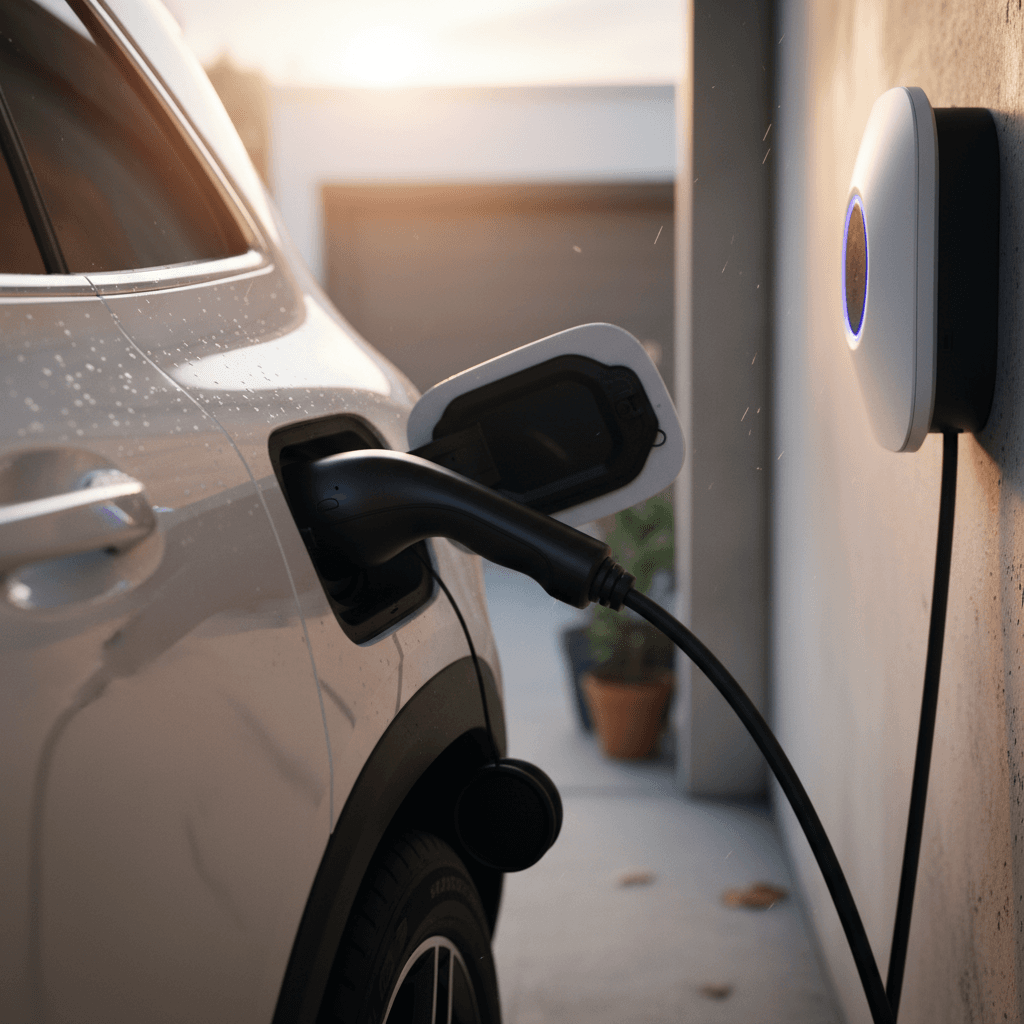
Beyond the recall, some owners report odd charging behavior: cars that happily slurp down DC fast charge but refuse to take, or stay on, AC Level 2 at home. In forum shorthand, that often points to a failing onboard charger, the hardware that converts AC wall power to DC battery current.
- Car charges fine on public DC fast chargers but won’t start or maintain a session on multiple Level 2 stations.
- Charging starts on Level 2 and then drops out after a few seconds or minutes.
- No obvious fault with the wall unit or outlet; other EVs charge fine on the same hardware.
Why this matters
Fast‑charging curve quirks
The e-tron GT’s official DC fast‑charging specs are excellent, but owner reports increasingly show cars that throttle charge power at specific states of charge, say, abruptly capping to ~100 kW around 50–60% instead of holding higher rates. Some of that is normal battery protection; some of it can be software oddities or thermal management trying to save the pack from abuse.
When you test‑drive, plan a short fast‑charge session if you can. Watch whether the car quickly ramps to its advertised power and then gracefully tapers, or whether it behaves like a nervous chaperone, constantly cutting the DJ’s power mid‑song.
Range and degradation so far
Real‑world range on the 2022 e-tron GT tends to run below the EPA number if you drive it the way Audi clearly hopes you will, briskly. Early‑life reports don’t point to catastrophic degradation; instead, you see the usual single‑digit‑percent capacity loss over the first few years, heavily dependent on how often the car has been fast‑charged and parked at high state of charge in hot climates.
How Recharged handles battery questions
Brakes, Suspension & Wheels: What Actually Goes Wrong
The 2022 e-tron GT is a two‑and‑a‑half‑ton GT car that pretends it’s a sports coupe, and physics submits only reluctantly. That means it leans heavily on its huge brakes and intricate suspension to feel light on its feet. Those same systems have been the subject of both recalls and wear‑and‑tear complaints.
Front brake hose recall
One major recall concerns the front axle brake hoses, which can develop tears and leak fluid, triggering longer pedal travel and extending stopping distances. The remedy is straightforward, dealers replace the hoses, but the risk if left unaddressed is not something you shrug off in a 500+ horsepower EV.
- On a test drive, pay attention to pedal feel; it should be firm and consistent, not spongy or sinking over time.
- Check service records for the brake‑hose campaign code. If it’s open, insist it be handled before purchase.
- After the fix, braking performance should be stout, with no warning lights or error messages.
Suspension wear, alignment and wheel damage
Aggressive wheel and tire packages, air suspension, and big curb weights are the holy trinity of bent rims, accelerated tire wear, and alignment complaints. On the 2022 e-tron GT, owners most often talk about:
- Fast tire wear, especially on performance compounds and staggered setups.
- Cars that feel a bit nervous or tramline on rutted highways when alignment drifts even slightly out of spec.
- Occasional reports of creaks or clunks over low‑speed bumps, typically addressed under warranty with bushing or link replacements.
Performance tax
Electronics, Cameras & Software Glitches
Like every modern luxury EV, the e-tron GT is more software than sheet metal. Most of the time that’s invisible magic; sometimes it’s your rear camera refusing to wake up when you most need it.
Rear camera and display issues
A broad Volkswagen Group recall swept in 2022–2026 e-tron GT models over rearview cameras that occasionally failed to display an image when the car was shifted into Reverse. The fix is a dealer software update, with additional diagnostics if the camera hardware itself is flaky.
Separately, some owners report occasional digital instrument cluster freezes or blackouts that resolve after a restart, annoying but usually not chronic once the car is fully up to date on software campaigns.
Quirky door handles, windows and minor electronics
The e-tron GT’s flush door handles and frameless windows win the valet‑lane beauty contest, but they can be fussy. Independent shops and owners have noted intermittent handle failures (not extending on first try) and lazy power windows. These are usually solved with recalibration or component replacement under warranty rather than any deep‑seated electrical curse.
Simple driveway checks
Everyday Ownership Issues: Tires, Ride, and Practicality
Not every problem is a recall. Some are simply the price of living with a very fast, very heavy, very pretty thing.
Common everyday complaints from e-tron GT owners
None of these are fatal flaws, but they affect your day‑to‑day experience.
Tire wear & cost
Those massive performance tires aren’t for the faint of wallet. Many owners see shorter tread life than in non‑performance EVs, especially on the rear axle, and replacement options are limited and pricey.
Low nose, high anxiety
The long overhang and low front lip make steep driveways and parking ramps a game of millimeter‑perfect chess. Scraped splitters and underbody panels are not uncommon if you’re careless.
Practicality tax
With a small trunk opening, modest rear headroom, and limited small‑item storage, the e-tron GT is more glamorous grand tourer than everyday hauler. Fantastic for two; merely adequate for four adults and luggage.
The upside
Shopping a Used 2022 Audi e-tron GT: What to Check
You’re not buying an appliance; you’re buying a high‑performance electric grand tourer from a first‑wave generation. That demands a more disciplined pre‑purchase inspection than, say, a used Leaf. Here’s a structured way to approach it.
Pre‑purchase checklist for a 2022 e-tron GT
1. Run a full recall & service history check
Use the VIN with NHTSA and Audi to confirm all major recalls, battery, brake hoses, airbags, cameras, are marked complete. Ask for printed dealer service records; you want evidence of timely software updates and any high‑voltage work.
2. Verify battery health, not just range guess-o-meters
Have the pack scanned with professional diagnostics or buy from a seller that provides a <strong>battery health report</strong>. Look for consistent module voltages and no history of high‑voltage faults, not just an optimistic range estimate on the dash.
3. Test Level 2 and DC fast charging
On your test drive, plug into a known‑good Level 2 charger and confirm it starts quickly, stays charging, and doesn’t throw errors. If possible, do a short DC fast‑charge session to see if the car ramps up to high power and then tapers smoothly.
4. Inspect brakes, wheels and tires closely
Check remaining pad life, rotor condition, and tire tread depth across all four corners. Look for uneven wear that hints at alignment or suspension issues, and scan the wheels for curb rash or bends from pothole encounters.
5. Exercise every electronic system
Cycle the infotainment, instrument cluster, rear camera, parking sensors, climate controls, windows, mirrors and drive‑mode selectors. Watch for lag, freezes, warning lights, or features that work only intermittently.
6. Evaluate ride comfort vs. your roads
On your test loop, include broken pavement and highway cruising. Listen for clunks or rattles from the suspension and decide whether the ride/road‑noise balance fits your daily reality, not just your fantasy Nürburgring lap.
Don’t skip a specialist inspection
How Recharged Helps You Buy a Better e-tron GT
If you love the idea of a 2022 e-tron GT but not the idea of being its beta‑tester, this is where a curated used‑EV marketplace makes a real difference.
Battery health, verified
Every vehicle on Recharged comes with a Recharged Score Report that includes battery‑health diagnostics, charging history indicators where available, and fair‑market pricing. Instead of hoping the pack is fine, you see objective data before you buy.
Recalls and records, not mysteries
We verify open recalls, review service history, and surface high‑impact items like battery, brake and camera campaigns. You can also trade in your current vehicle, get financing, and arrange nationwide delivery, all within a fully digital process supported by EV specialists.
If you’re selling a 2022 e-tron GT that’s been well cared for, battery recall handled, brakes updated, no mystery warning lights, Recharged can also help you get fair value through an instant offer or consignment, instead of rolling the dice on an auction.
FAQ: 2022 Audi e-tron GT Problems & Reliability
Frequently asked questions about 2022 e-tron GT issues
Bottom Line: Who Should (and Shouldn’t) Buy a 2022 e-tron GT?
The 2022 Audi e-tron GT is not a rationalist’s EV. If you want maximum range per dollar and the fewest possible recalls, there are plainer, better‑behaved options. What you get instead is one of the most charismatic electric grand tourers of its era, wrapped in a recall sheet that reads like the first draft of a complex novel.
If you’re considering one used, go in with eyes wide open: insist on completed recalls, verified battery health, and a clean charging bill of health. Factor in the running costs of tires and brakes, and respect the fact that this car is married to sophisticated, occasionally temperamental software.
For the right buyer, someone who values how a car makes them feel as much as how it pencils out, the 2022 e-tron GT can be a brilliant, emotionally rich daily driver. Just make sure you’re buying this particular car, with its specific history laid bare, not some abstract ideal of an e-tron GT that never had a warning light in its life. That’s exactly the gap Recharged is built to close.