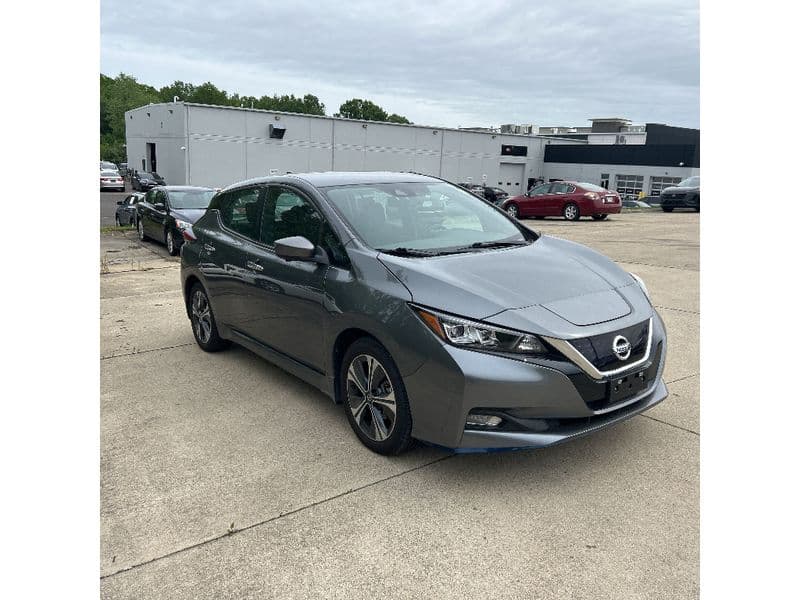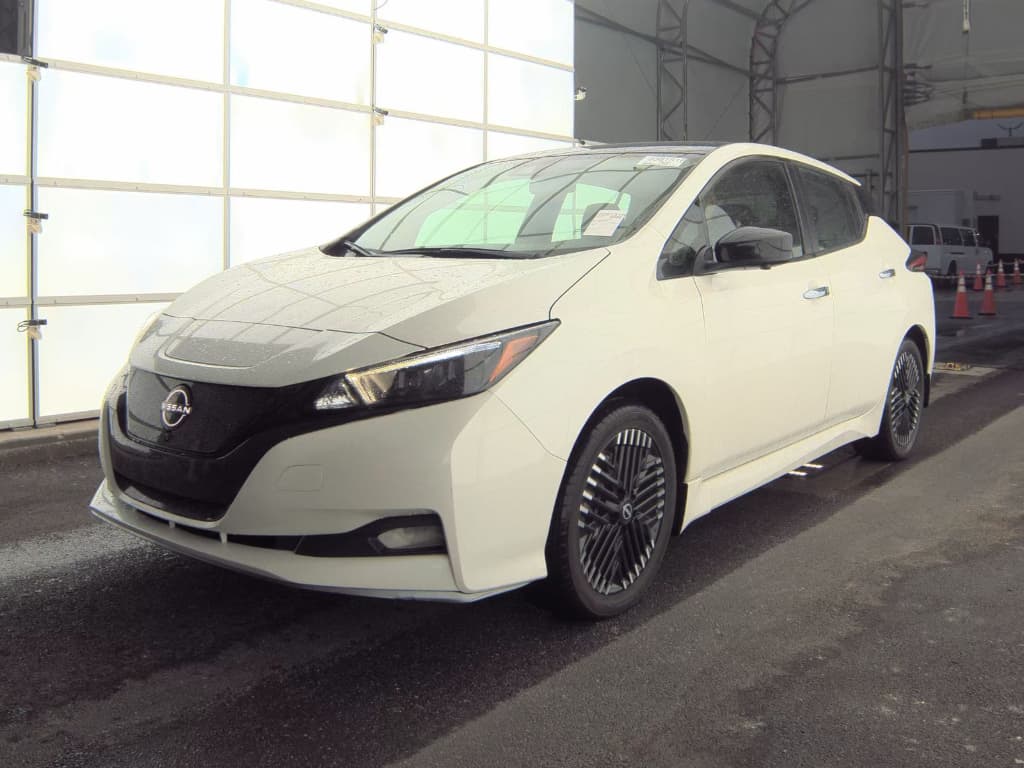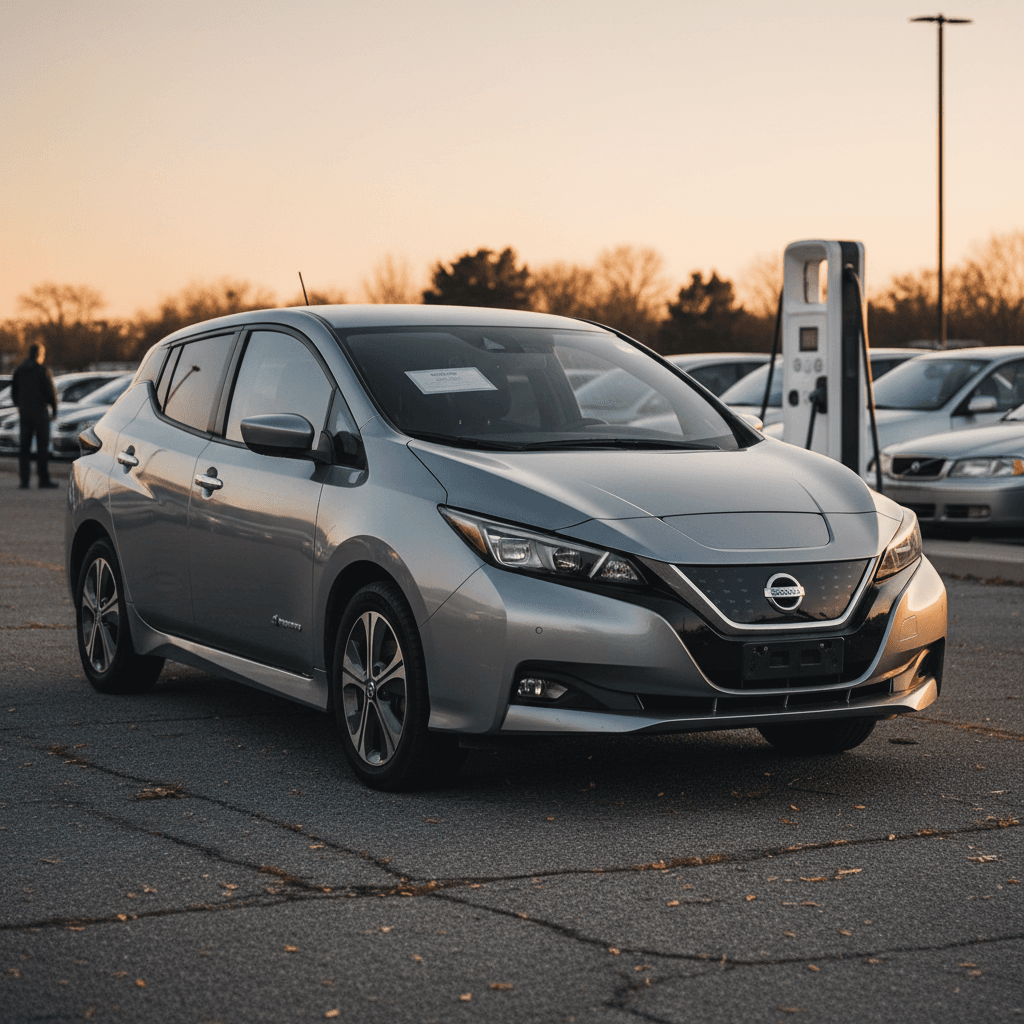
If you’ve spent any time in used EV listings, one thing about the Nissan Leaf depreciation rate jumps out: the numbers are brutal. Five years in, a typical Leaf has shed well over half of its original value. That sounds like a horror story for first owners, but for you, as a used‑EV shopper, it can be an opportunity hiding in plain sight.
Key Takeaway on Leaf Depreciation
Overview: How Fast Does a Nissan Leaf Depreciate?
Nissan Leaf Depreciation at a Glance
Independent rankings of EV resale value routinely place the Nissan Leaf near the top of the "worst depreciation" lists, with 5‑year value losses in the ~64% range. In other words, a Leaf that cost around $31,000 new might sell for roughly $10,000 after five years. That’s painful if you buy new and sell quickly, but very attractive if you’re shopping 3–7‑year‑old cars.
The Hard Numbers: 5‑Year Nissan Leaf Depreciation
Illustrative 5‑Year Depreciation on a Modern Nissan Leaf
These are simplified, rounded figures based on recent pricing and depreciation studies for late‑model Leafs. Actual values will vary by trim, mileage, region, and incentives.
| Year | Approx. Market Value | % of Original MSRP | Notes |
|---|---|---|---|
| New (MSRP) | $31,600 | 100% | Typical new Leaf S/SV price before incentives. |
| Year 1 | $23,000 | 73% | Biggest single‑year drop; early incentives and discounts also weigh on used values. |
| Year 3 | $15,000 | 47% | Still under factory warranty; sweet spot for many used buyers. |
| Year 5 | $11,000 | 35% | Common 5‑year resale ballpark; Leaf has lost about two‑thirds of its original price. |
| Year 8 | $7,000 | 22% | Out of warranty; value hinges almost entirely on battery health and local demand. |
Example: A Leaf with a ~$31,600 MSRP and typical 5‑year depreciation around 64%.
Numbers Are Averages, Not Guarantees
Why the Nissan Leaf Depreciates Faster Than Many EVs
Four Big Reasons Leaf Values Fall So Hard
It’s not just "EVs depreciate", the Leaf has some unique baggage.
1. Early Battery Tech & No Liquid Cooling
First‑ and second‑gen Leafs used air‑cooled battery packs with modest capacities. In hot climates, that meant faster battery degradation and shrinking range. Buyers remember that history, and the market prices in that risk.
2. Shorter Range Than New Rivals
For years, a Leaf with 149–215 miles of range was fine. Then 250–300‑mile EVs became normal. On a used lot, a Leaf simply looks outgunned, and range is the headline spec most shoppers scan first.
3. Limited DC Fast‑Charging Appeal
CHAdeMO fast‑charging and slower peak speeds make road‑tripping in many Leafs less appealing than in CCS or NACS‑equipped rivals. As the infrastructure tilts away from CHAdeMO, used‑Leaf demand also softens.
4. Incentives & Discounting Up Front
For much of its life, the Leaf has been one of the most heavily discounted EVs, stacked with rebates and tax credits. When many first owners effectively paid much less than MSRP, the used market adjusts values downward accordingly.
The 2026 Leaf Changes the Story
Generations & Model Years: Which Nissan Leafs Lose the Most Value?
Gen 1: 2011–2017
These are the original science‑project Leafs: quirky, historically important, but compromised. Many have small 24–30 kWh packs, basic thermal management, and ranges that can slip under 70–80 miles as the batteries age.
- Depreciation: Catastrophic on paper, many sell for a few thousand dollars.
- Best use case: Cheap city car or second car with very short daily routes.
- Risk: Battery replacement can easily exceed the value of the car.
Gen 2: 2018–2025
More range, more power, better cabin, but still saddled with CHAdeMO DC fast charging in a CCS/NACS world. Later "Plus" models with the larger battery fare best.
- Depreciation: Still steep, but less catastrophic than Gen 1.
- Best picks: 2019+ SV/SL Plus cars with the larger pack and good battery health.
- Watch for: High‑mileage rides used heavily for commuting in hot climates.
Model Years That Often Pencil Out Best
Battery Health vs. Depreciation: The Real Value Driver
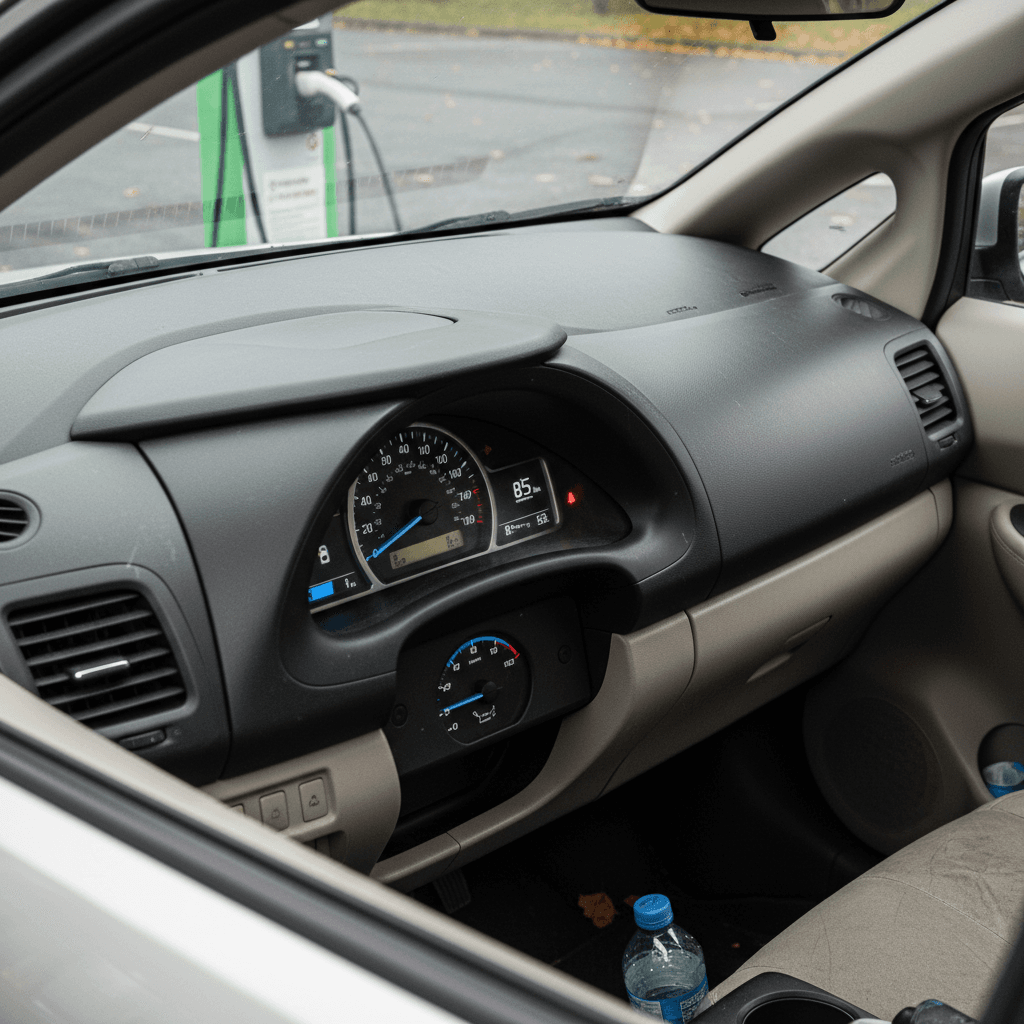
On paper, the Nissan Leaf depreciation rate looks like a simple curve: buy high, sell low. In the real world, used Leaf pricing behaves much more like used‑phone pricing: the battery packs are the product, and everything else is packaging.
How Battery State of Health (SOH) Reshapes Depreciation
Think in battery percentages, not just odometer miles.
SOH ≥ 90%
Usually found on newer, low‑mileage Leafs or cars from mild climates. These cars command top dollar for the model year and can even sell quickly at strong asking prices.
SOH 80–89%
This is the "normal used" zone. Range is somewhat reduced vs. new but still practical. Prices align roughly with generic depreciation charts.
SOH ≤ 75%
This is where the floor drops out. Buyers know they’re inheriting range anxiety. The car can still be useful in the right use case, but the market punishes it hard on price.
Always Ask for a Battery Report
Nissan Leaf Depreciation vs. Other Popular EVs
Context matters. Is the Leaf uniquely terrible, or are EVs in general just value‑evaporating experiments on wheels? The answer is: a little of both. EVs tend to depreciate faster than gas cars in the first five years, but the Leaf is still an outlier on the steep side.
Approximate 5‑Year Depreciation: Leaf vs. Other EVs
Market‑average, illustrative 5‑year depreciation and retained‑value ranges pulled from 2024–2025 EV resale analyses.
| Model | Approx. 5‑Year Depreciation | Approx. 5‑Year Value Retained | Depreciation Character |
|---|---|---|---|
| Nissan Leaf | ~64–66% | ~34% | Among the steepest depreciation; older generations hit hardest. |
| Tesla Model 3 | ~40–45% | ~55–60% | Segment leader; strong demand and OTA updates support values. |
| Hyundai Ioniq 5 | ~60% | ~40% | Roughly average for modern EVs; depends heavily on trim and incentives. |
| Chevy Bolt EV | ~55–60% | ~40–45% | Hit by recall headlines but buoyed by low running costs. |
| EV Segment Average | ~50% | ~50% | Many EVs lose about half their value over five years. |
The Leaf usually trails the pack on retained value, but that’s good news for used‑EV hunters.
Leaf: Bad News for First Owners, Great News for Second Owners
When a Used Nissan Leaf Becomes a Smart Buy
The trick with the Leaf is understanding it not as a do‑everything crossover, but as a specialist tool. In the right context, its savage depreciation turns into a feature, not a bug.
Situations Where Leaf Depreciation Works in Your Favor
Short, Predictable Commutes
If you do 20–40 miles a day and can charge at home, even an older Leaf with some degradation can be perfectly adequate, and far cheaper than most other EVs with similar monthly operating costs.
Second Car in a Multi‑Car Garage
Let the family crossover handle road trips. Use a low‑priced Leaf for errands, school runs, and commuting. You’re buying an appliance, not a lifestyle statement.
You Plan to Drive It Into the Ground
If you’re not worried about selling in five years and you buy at today’s already‑low prices, future depreciation has limited room to hurt you further.
You Live in a Mild Climate
Battery life is kinder in cooler, coastal climates. A used Leaf from Seattle or Boston is often a better bet than one baked in Phoenix.
Value Sweet Spot
How to Slow Depreciation If You Own a Leaf
If you already own a Leaf, you can’t change the model’s reputation, but you can protect your individual car’s value. Depreciation curves are averages; your job is to outperform the curve.
- Stay on top of scheduled maintenance and keep records organized.
- Protect the battery: avoid daily 100% charges if you don’t need the range, and avoid parking long‑term in blazing heat at full charge.
- Keep mileage reasonable; the difference between 60,000 and 110,000 miles is enormous on resale.
- Fix small cosmetic issues, curb‑rashed wheels and interior damage cheapen the car in buyers’ minds.
- If you plan to sell, do it before a major warranty milestone (for example, before the battery warranty expires).
Presentation Still Matters
Checklist for Buying a Used Nissan Leaf
Because depreciation and battery aging are so intertwined, you need a tighter inspection playbook for a Leaf than you might for a gas hatchback. Here’s a concise checklist to use when you’re serious about a specific car.
Used Nissan Leaf Buyer’s Checklist
1. Verify Battery State of Health
Request a recent diagnostic or third‑party battery report. Aim for at least ~80% SOH on a car you plan to keep several years. With Recharged, this comes standard via our Recharged Score battery health diagnostics.
2. Match Range to Your Reality
Look at the estimated range at 100% and compare it to your actual daily and weekly driving. Build in a buffer; don’t buy a car that can *just barely* cover your commute in ideal weather.
3. Check Charging Port & Infrastructure
Older Leafs with CHAdeMO DC ports may be fine if you never road trip, but look at your local fast‑charging landscape. In some regions, fast‑charging a Leaf can be inconvenient or effectively impossible.
4. Study Service & Recall History
Confirm that software updates, recalls, and basic maintenance are up to date. Missing recall work is a red flag for seller negligence.
5. Inspect for Climate History
A Leaf that has lived its life in very hot regions deserves extra scrutiny on battery health. Prefer cars from cooler climates when you have a choice.
6. Compare Total Cost, Not Just Price
Factor in insurance, electricity, and any potential battery work down the road. A slightly more expensive Leaf with a healthier pack can be cheaper per mile over time.
Red Flag: No Battery Data
FAQ: Common Questions About Nissan Leaf Depreciation
Nissan Leaf Depreciation FAQ
Bottom Line: Should Depreciation Scare You Away from a Leaf?
If you’re buying new and thinking like a flipper, yes, the Nissan Leaf depreciation rate is a reason to look hard at other EVs. But if you’re shopping used, playing a long game, and honest about your range needs, that same depreciation can be your greatest ally. The market’s fear is already baked into the price.
The Leaf is no longer the dazzling pioneer it once was, and the upcoming 2026 model will only sharpen the contrast with older cars. But in the right role, short‑haul commuter, city runabout, second car, a well‑chosen used Leaf can deliver silent, low‑maintenance miles for far less money than most of its peers. Your job is to buy the battery, not the badge. And if you’d rather not guess, start with a Leaf that’s already been through a proper EV inspection and Recharged Score so you can see, in black and white, how much value is really left in the pack.