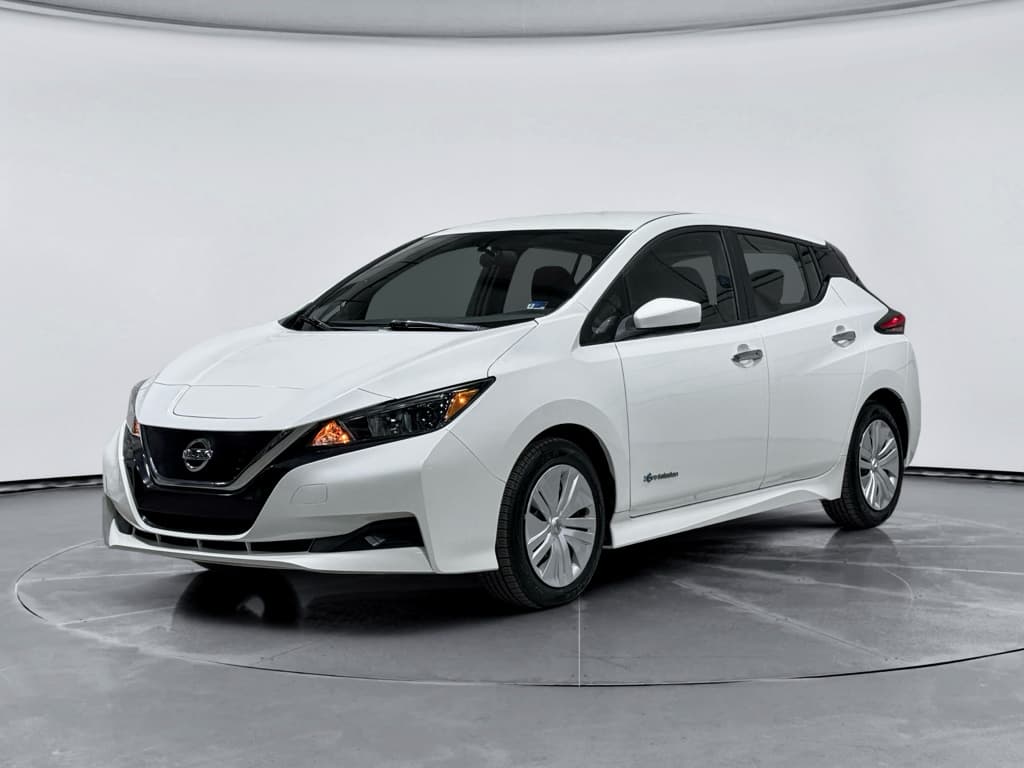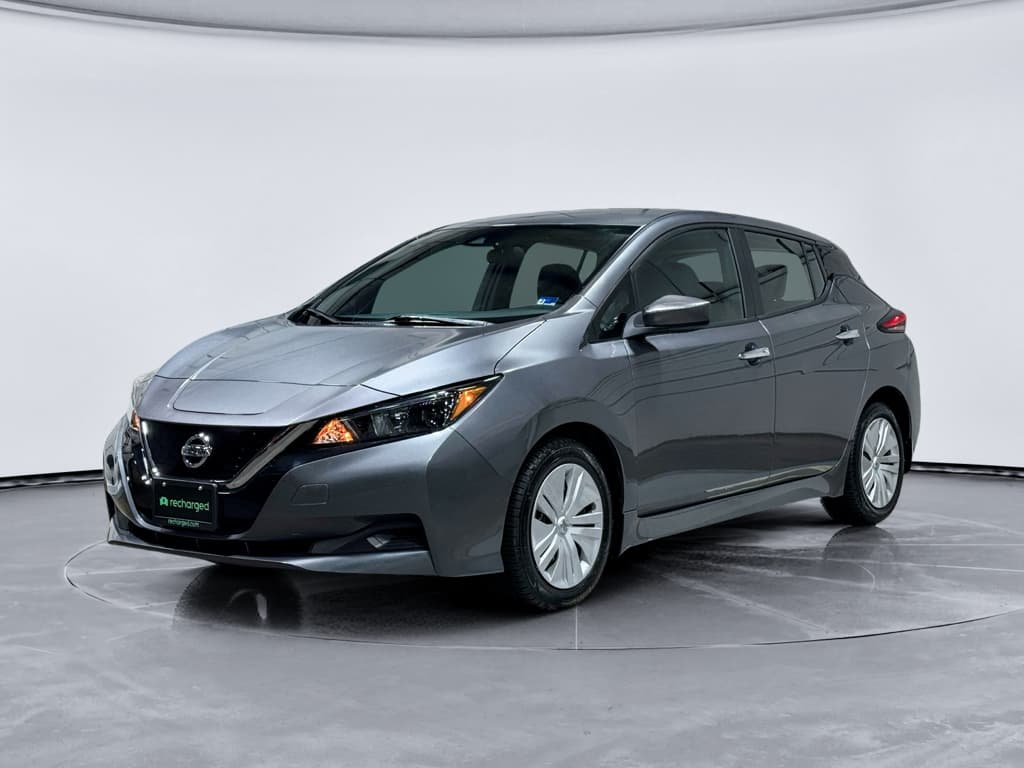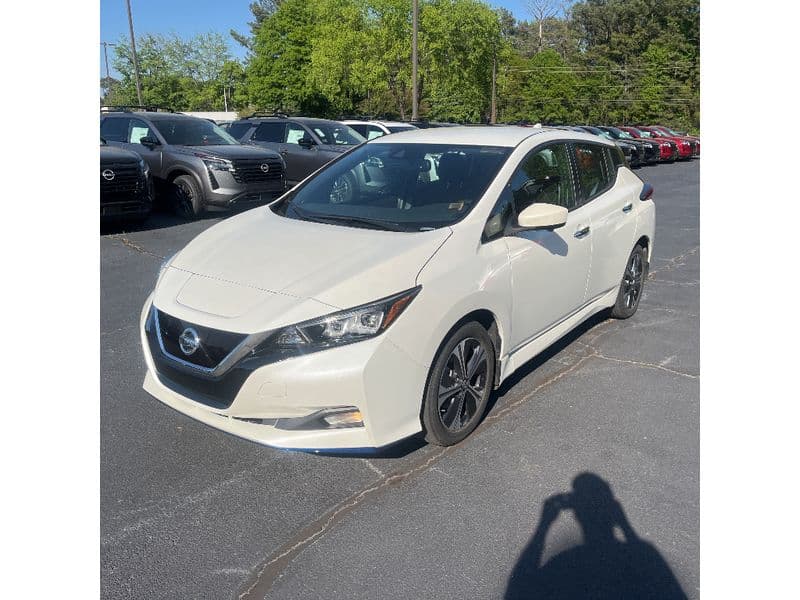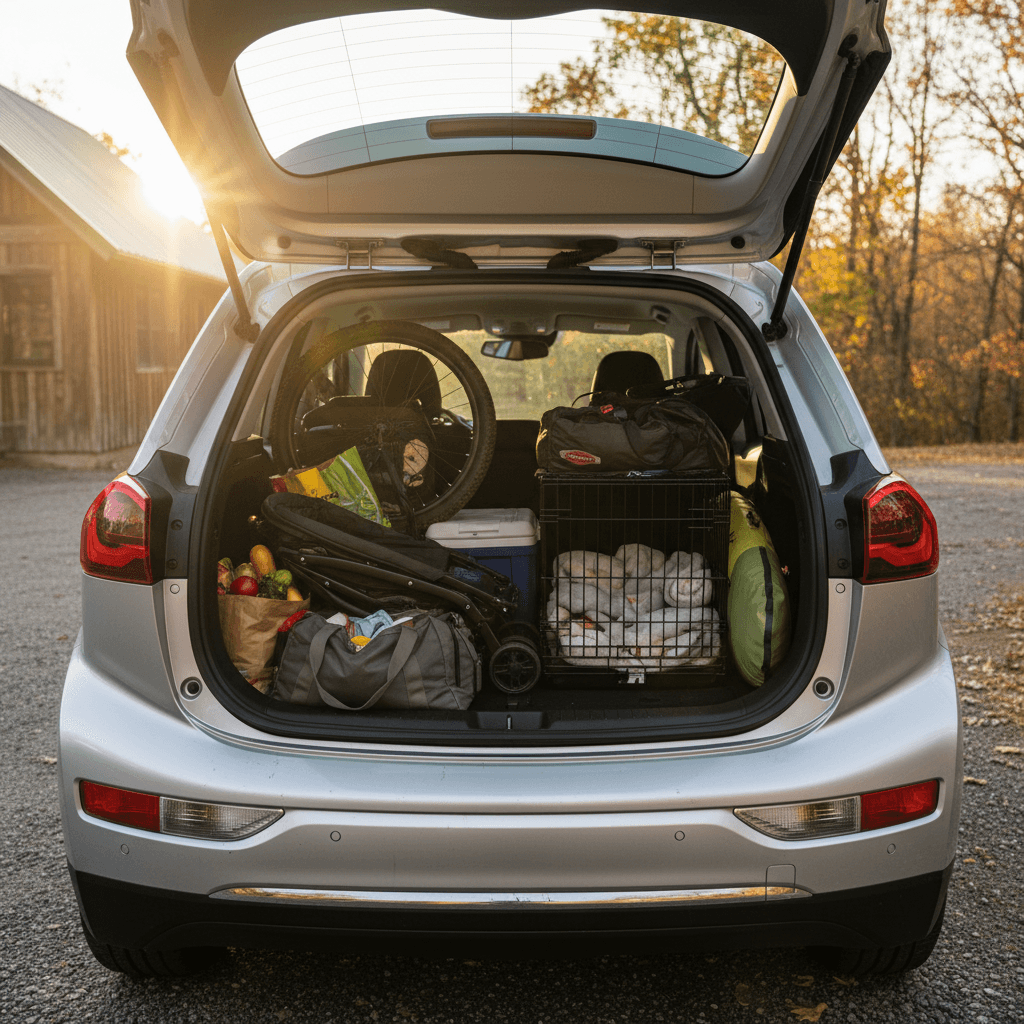
If you’re comparing used EVs, Nissan Leaf cargo space dimensions are one of the big selling points. That tall hatchback and deep well behind the rear seats make the Leaf more practical than many gas compacts, and even some small crossovers, if you pack it smartly.
Quick takeaway
Nissan Leaf cargo space at a glance
Key Nissan Leaf cargo numbers
Before we get into the weeds, here’s the simple story: any modern Leaf hatchback (roughly 2013–2025) gives you a big, square trunk well that easily handles family groceries, strollers, and weekend luggage. The all‑new 2026 Leaf, now a compact crossover, stretches that space dramatically when you fold the second row, making it far more competitive with small SUVs.
Think in shapes, not just numbers
Cargo volume by year and generation
Nissan has tweaked the Leaf over the years, but for most of its life it’s been a compact hatchback with similar basic cargo volume. The big change comes with the 2026 redesign, when Leaf becomes more of a crossover.
Nissan Leaf cargo volume by model year (approximate)
Factory‑rated cargo volume for common U.S. Leaf model years. Numbers are rounded and may vary slightly by source and trim, but they’re close enough for real‑world shopping.
| Model years / generation | Body style | Cargo behind rear seats (cu ft) | Max cargo with rear seats folded (cu ft) | Notes |
|---|---|---|---|---|
| 2011–2012 (Gen 1 early) | Hatchback | ~24 | ~30–35 | Very similar usable space to later hatchbacks; numbers vary by measuring standard. |
| 2013–2017 (Gen 1 refresh) | Hatchback | ≈24 | ≈30–35 | Slight tweaks to floor and battery packaging; space feels essentially the same. |
| 2018–2025 (Gen 2 hatchback) | Hatchback | 23.6–24 | ≈30 (to window line) | Official U.S. specs commonly list 23.6 cu ft seats up and 30 cu ft max. |
| 2026–on (all‑new Leaf) | Compact crossover | ~20 | ≈55.5 | New crossover‑style body; about 20 cu ft behind the second row and mid‑50s with it folded. |
Use this as a quick reference when you’re comparing used Nissan Leaf listings.
Why numbers don’t always agree
Nissan Leaf cargo space dimensions in inches
Cubic‑foot ratings tell you volume, but if you want to know whether a Leaf will swallow a stroller, dog crate, or IKEA flat‑pack, you need the actual dimensions. Here are the key interior cargo dimensions for recent Leafs.
Typical Leaf cargo dimensions (recent models)
These measurements are approximate, but they’re consistent across most 2018–2025 hatchback Leafs.
Length (front-to-back)
Behind rear seats: about 36 in from hatch sill to seatback.
Seats folded: about 65 in from hatch sill to the back of the front seats (long enough for many flat‑packs and small bikes with front wheels off).
Width (side-to-side)
At widest point: roughly 49 in at the beltline.
Between wheel wells: around 40–41 in, which is what matters for wider boxes and coolers.
Height (floor to ceiling)
To cargo cover: about 18–20 in in the deep well area.
To roof: around 30 in, tapering slightly toward the hatch glass.
Lift-over and opening
Lift‑over height: low, thanks to the Leaf’s hatchback design, loading heavy items is easier than in many crossovers.
Hatch opening: tall and nearly vertical, which helps with bulky items like dog crates or tall boxes.
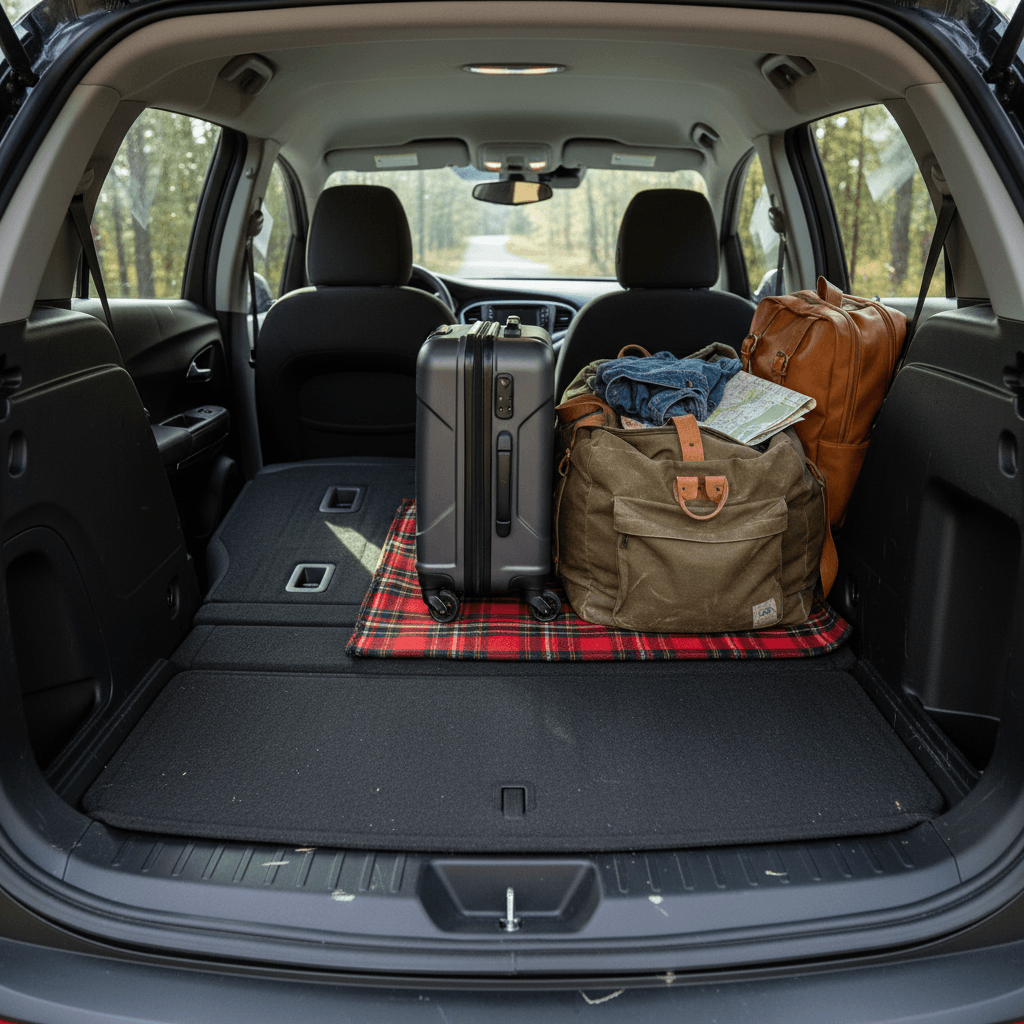
Mind the seatback “step”
What actually fits in a Leaf trunk?
Specs are one thing. Life with kids, pets, and Costco runs is another. Here’s how Nissan Leaf cargo space translates to everyday hauling.
Real-world Leaf packing scenarios
Groceries and errands
With the rear seats up, a Leaf easily handles a week’s worth of groceries for a family of four. The deep well helps keep bags upright, and you can tuck fragile items close to the seatbacks so they don’t slide.
Family luggage for a long weekend
Plan on <strong>three to four full‑size suitcases</strong> or a mix of duffels and roller bags behind the seats. Soft bags stack especially well because the roof is tall and the opening is wide.
Strollers and baby gear
Most compact and mid‑size strollers fit lengthwise in the well with the seats up. If you travel with a big jogging stroller or a double, you may need to drop one side of the 60/40 split seat to free up extra length.
Flat-pack furniture & DIY supplies
With the rear seats folded, the ~65‑inch load length is enough for many flat‑pack bookcases, desks, and smaller dressers. Long lumber still won’t fit inside with the hatch closed, but narrow boards can often run between the front seats.
Bikes and outdoor gear
Most adult bikes fit with both wheels off and the seats folded, and kids’ bikes often slide in with only the front wheel removed. Camping gear, coolers, and totes pack easily under the window line, leaving good rear visibility.
Pets and dog crates
Medium dog crates typically fit cross‑wise in the well, while larger crates may need one seat folded to gain extra length. Many owners simply use the cargo area with a barrier and a waterproof liner instead of a rigid crate.
Leaf as a second car workhorse
Nissan Leaf cargo space vs other EVs
On paper, the Leaf’s hatchback cargo numbers don’t look flashy. Some small EVs quote 45–55 cu ft with the rear seats down, which can make the Leaf’s 30 cu ft “max” figure look underwhelming. The trick is that different brands measure in different ways.
How Leaf compares to other small EVs
- Chevy Bolt EV/EUV: Often listed around the mid‑teens behind the seats and up to the mid‑50s with them folded. Great overall volume, but the trunk floor is shallower than the Leaf’s deep well.
- Hyundai Kona Electric: Typically quoted under 20 cu ft seats up and mid‑40s seats down, respectable, but not dramatically better than the Leaf in real‑world use.
- VW ID.4 / Hyundai Ioniq 5: Larger crossovers with more overall volume than any hatchback Leaf, but also a much larger footprint and price tag.
Why the Leaf still holds its own
- Deep trunk well: You can stack items vertically in ways you can’t in shallower rivals.
- Slim intrusions: The rear wheel wells don’t eat into the space as dramatically as some compact SUVs.
- Easy access: A low lift‑over and wide hatch make loading heavy or awkward items simpler.
- Used pricing: As a used EV, the Leaf often undercuts newer competitors, so you’re getting a lot of usable space for the money.
Crossovers: when raw volume really matters
Tips to maximize cargo space in a Leaf
Because most Leafs have the same basic hatchback shell, getting the most out of the cargo area is all about how you pack and which small accessories you choose.
Simple tricks to get more usable space
You don’t need to modify the car, smart packing goes a long way.
Use stackable bins
Switch to stackable storage bins instead of random bags. The Leaf’s deep well and tall roof are perfect for building tidy stacks that don’t shift around.
Bridge the seat “step”
When you fold the seats, lay down a folding panel or thick blanket to smooth the step between the trunk well and seatbacks. It protects the upholstery and makes sliding in long boxes much easier.
Make friends with the 60/40 split
Drop only one side of the rear seat for long items like skis or flat‑packs, and keep a rear passenger or child seat on the other side. The Leaf’s wide cargo opening makes this surprisingly versatile.
Secure tall loads
Use cargo straps and the built‑in tie‑downs (when equipped) to keep tall items from tipping forward under braking. In a small hatchback, loose cargo can become a projectile.
Protect the floor for pets
A rubber cargo liner or washable mat keeps claws, dirt, and sand from chewing up the carpet. It also makes sliding heavy coolers or toolboxes in and out easier.
Pack heavy low, light high
Put heavier items deep in the well against the seatbacks, then stack lighter, softer bags above. That keeps the center of gravity low and helps with stability in quick maneuvers.
Don’t overload your Leaf
Shopping used: which Leaf years are best for cargo?
From a cargo‑space standpoint, most used Nissan Leafs feel remarkably similar. The bigger differences between years are battery capacity, range, and driver‑assist tech. Still, there are a few cargo‑related details to keep an eye out for.
- 2013–2017 Leaf (Gen 1 refresh): Very similar cargo shape to later cars, but some trims have a slightly higher load floor due to optional audio systems or charging hardware under the trunk.
- 2018–2025 Leaf (Gen 2 hatchback): Officially around 23.6 cu ft behind the rear seats and 30 cu ft max. You’ll find a slightly more refined interior, but a similar deep well and useful 60/40 split rear seat.
- 2026+ Leaf (crossover): More SUV‑like cargo bay with a longer floor when the seats are folded and substantially more total volume (around 55 cu ft). If you’re coming from a compact crossover today, this will feel most familiar.
Pair cargo space with battery health
Every Leaf listed on Recharged includes a Recharged Score battery health report, transparent pricing, and EV‑specialist support. If cargo space is at the top of your list, an expert can help you compare Leaf years to other used EV hatchbacks and crossovers so you don’t end up with more car, or less room, than you really need.
Nissan Leaf cargo space FAQ
Frequently asked questions about Nissan Leaf cargo dimensions
Is Nissan Leaf cargo space enough for you?
If you want EV efficiency in a compact footprint but still need to haul real‑world stuff, the Nissan Leaf’s cargo space is one of its quiet superpowers. The hatchback Leafs offer a deep, clever trunk well that punches above its cubic‑foot rating, and the new 2026 crossover‑style Leaf stretches that practicality even further.
The key is matching the right Leaf to your life. City commuters who mostly carry groceries and the occasional suitcase will be perfectly happy in any 2013–2025 hatchback. Families with big dogs, DIY habits, or weekend sports gear may want to hold out for the 2026 crossover or cross‑shop other small EV SUVs.
Either way, when you shop through Recharged you get more than just interior dimensions on a spec sheet. You get verified Recharged Score battery health, transparent pricing, and EV‑savvy humans who can help you decide if a Leaf’s cargo space, and overall package, fits your daily routine. That’s how you end up with a used EV that works just as hard as your old gas hatchback, only quieter, cleaner, and cheaper to run.