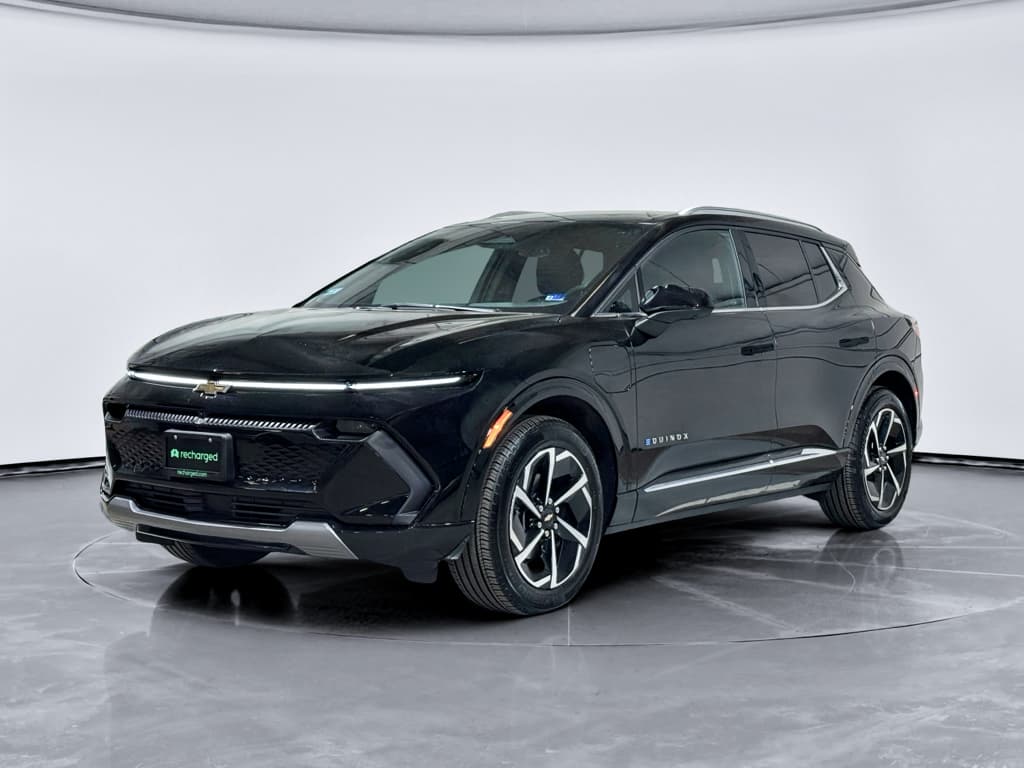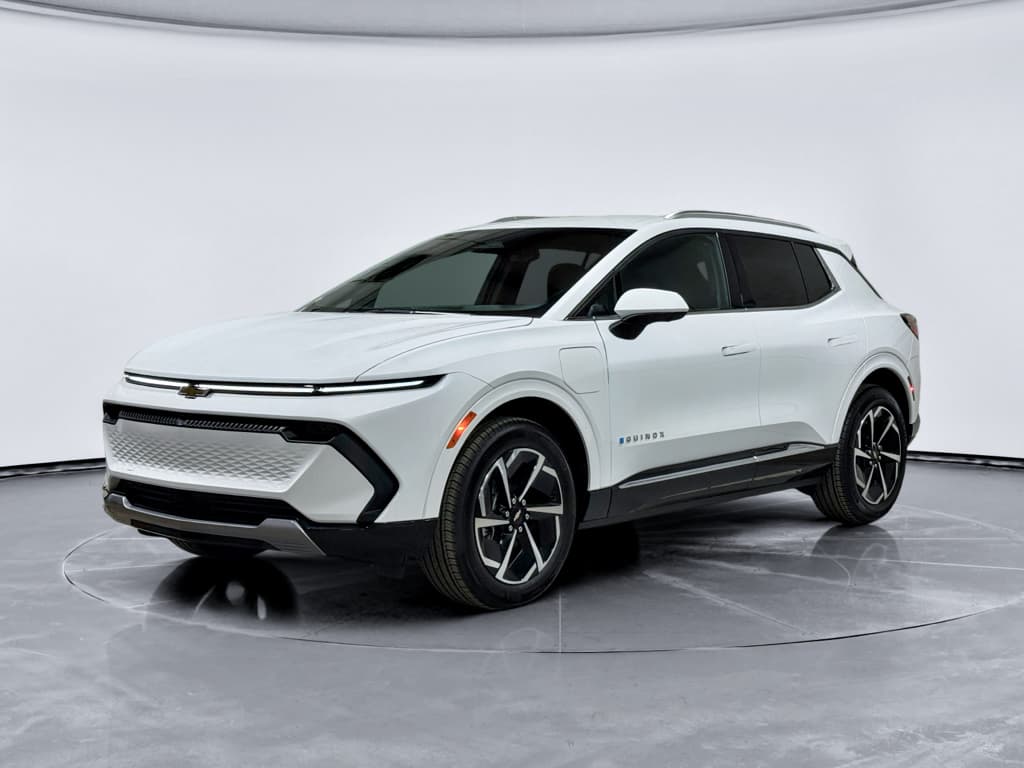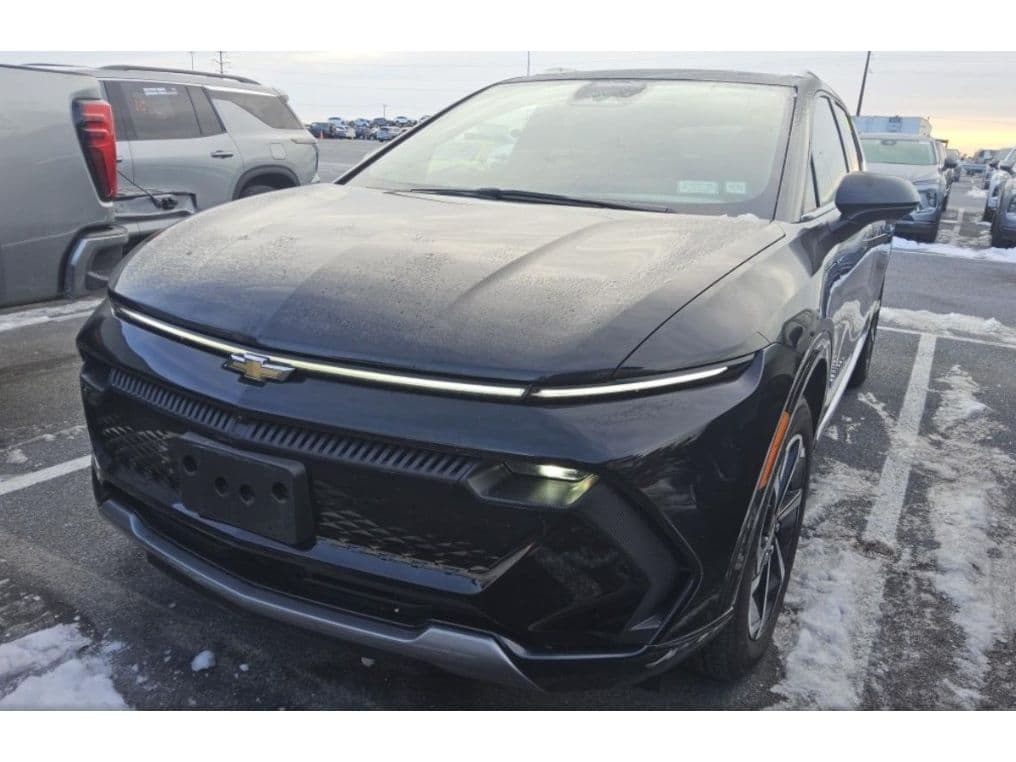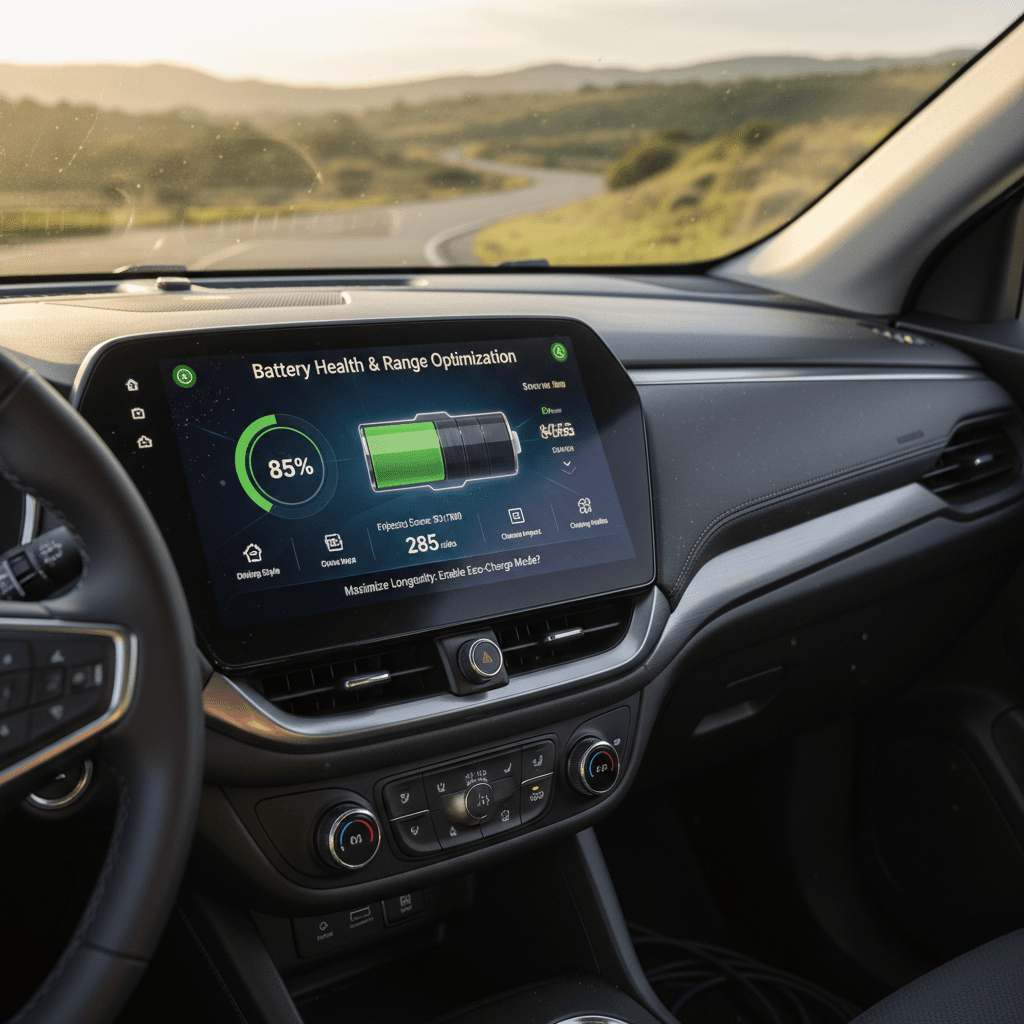
If you’ve just bought a Chevrolet Equinox EV, or you’re eyeing a used one, the big question in the back of your mind is the same: how do I maximize the battery’s life without babying the car? The good news is that GM’s Ultium pack is engineered to live a long, boring life. With a few smart habits around charging, climate control, and fast‑charging, you can keep your Equinox EV’s battery healthier for well over a decade while still using the range you paid for.
What this guide covers
Why battery care matters on the Equinox EV
Equinox EV range and charging at a glance
Those numbers are why you bought the Equinox EV: it’s one of the most range‑efficient compact electric SUVs on the market. But like any lithium‑ion pack, how you use that range every day, how high you charge, how low you run it, and how often you rapid‑charge, will influence how much capacity you still have in year 10 or 15.
Think in decades, not months
Chevrolet Equinox EV battery basics
What’s special about the Equinox EV’s Ultium battery?
A quick primer before we talk habits and settings.
Ultium NCMA chemistry
The Equinox EV uses GM’s Ultium pack with an NCMA cathode (nickel‑cobalt‑manganese‑aluminum). It’s optimized for long life, good cold‑weather behavior, and strong fast‑charging, not headline‑grabbing 800‑volt specs.
Big built‑in safety buffers
What you see as 0–100% on the dash is only the usable window. GM keeps extra buffer at the top and bottom to protect the pack from damage, which is why occasional 100% charges are safe when you need full range.
Active thermal management
The Equinox EV continuously heats and cools its battery. When it’s plugged in, it can draw power from the grid to keep the pack in its preferred temperature range, instead of burning through stored energy.
The upshot: the Equinox EV is more tolerant of imperfect habits than older EVs, but not immune to abuse. Living at 100% every night, fast‑charging constantly, or letting it sit at 0% for days will still age the pack faster than necessary.
Daily charging strategy to maximize Equinox EV battery life
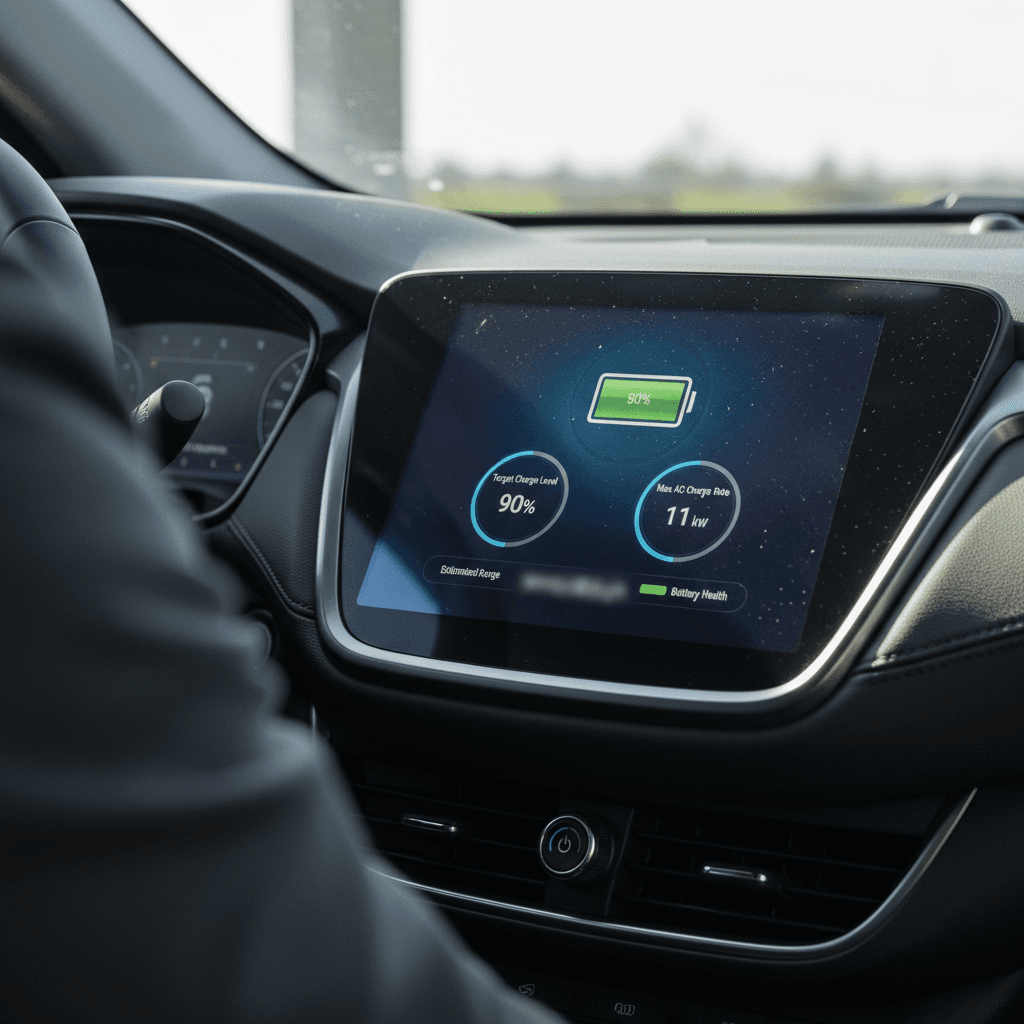
If you remember only one thing: don’t treat 100% like your default. For day‑to‑day commuting, the sweet spot is letting the Equinox EV cycle through the middle of its pack, roughly 20–80%, and reserving full charges for days when you actually need the range.
Equinox EV daily charging playbook
1. Keep the default ~80% charge limit
From the factory, many Equinox EVs are set to stop around 80% when you plug in. Keep that as your everyday ceiling. It dramatically reduces time spent at high state of charge, which is where lithium‑ion cells age fastest.
2. Only charge to 100% when you need it
About to leave early for a road trip or a long winter commute? Bump the limit to 100% the night before and use a <strong>scheduled departure time</strong> so it finishes just before you leave, instead of sitting at full charge for hours.
3. Avoid running below ~10–15% regularly
The pack won’t suddenly die if you occasionally dip low, but making a habit of driving down near 0% adds stress. Everyday use in the 20–80% band is the battery equivalent of a Mediterranean diet and a brisk daily walk.
4. Prefer frequent small top‑ups over deep cycles
Plugging in most nights and adding 20–40% is easier on the battery than yo‑yoing from 10% to 100% in one go. With home Level 2, you can almost treat the Equinox like a smartphone, just smarter about the maximum.
5. Use charge scheduling with time‑of‑use rates
If your utility has cheaper off‑peak hours, set the Equinox EV to charge overnight to your chosen limit. You save money, and the slower, cooler nighttime charge environment is also kinder to the battery.
Don’t fear 100%, just don’t live there
Smart DC fast‑charging habits for the Equinox EV
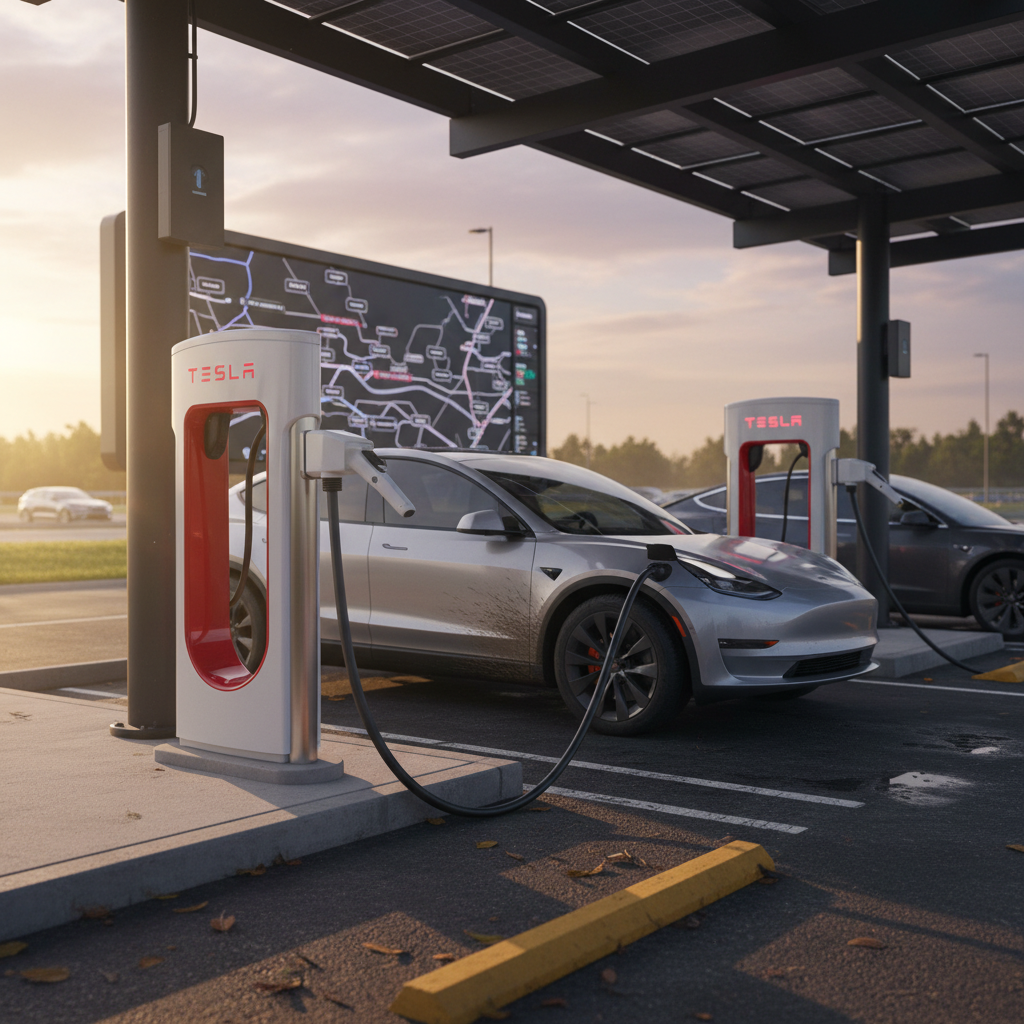
The Equinox EV can accept up to about 150 kW on a capable DC fast charger, adding roughly 70–90 miles in 10 minutes when the battery is warm and at a low state of charge. That’s terrific on I‑95; it’s less terrific as a daily diet for the pack.
- Use DC fast charging mainly for road trips or genuine time crunches, not as your primary fuel source if you have home or workplace Level 2.
- Start fast‑charging when you’re between about 10–40%. You’ll see the highest rates there, and you minimize time at high voltage stress.
- Once you hit roughly 70–80%, consider unplugging. The charge rate naturally tapers, so you’re paying more time (and often more money) for each extra mile while also marinating the pack at a high state of charge.
- Avoid back‑to‑back DC fast sessions when possible. If you must do two in one day, give the car some gentle driving in between instead of yo‑yoing straight from charger to charger.
- In extreme heat, favor stations with some shade or keep sessions shorter. High temperature plus high state of charge plus high power is the “unholy trinity” for battery wear.
The worst‑case pattern for battery life
Driving and settings that quietly protect your battery
You don’t have to hypermile your Equinox EV, but a few choices in the drive modes and menus can make the battery’s job easier, and preserve range, which indirectly means fewer stressful fast‑charges over the life of the car.
Equinox EV settings that are kind to the battery
Small tweaks, long‑term payoff.
Choose balanced drive modes
For daily use, stick with the default or “Normal” mode. Sportier modes sharpen response and can tempt you into more full‑throttle launches, which spike power draw and heat. The battery likes smooth, predictable demands.
Use one‑pedal / regen wisely
Strong regenerative braking recovers energy that would otherwise be heat at the friction brakes. That means fewer kWh cycled in and out of the pack for the same trip, which is modestly helpful over time. Just avoid abrupt drag‑racing starts to show off the torque.
Lower highway speeds
Aerodynamics are the real villain of EV range. Dropping from an indicated 80 mph to 70 mph can easily save 15–20% energy in many conditions. That means fewer deep discharges and fewer long fast‑charge sessions over the car’s life.
Gentle acceleration when you can
High current loads heat cells and cabling. The Ultium system is designed for big hits of power, but if you reserve full‑throttle for on‑ramps and passing, your average battery temperature profile over years of driving will be kinder.
Good battery habits feel like good driving
Climate control, preconditioning and weather tips
Weather is the plot twist in every EV owner’s story. The Equinox EV’s battery thermal management works hard in the background, but how you use climate features can protect range and, by extension, reduce how often you beat up the battery with long, hot fast‑charges.
How weather and climate settings affect your Equinox EV battery
Use this as a cheat sheet for daily decisions.
| Condition | What happens to the battery | What you should do |
|---|---|---|
| Very cold (below freezing) | Chemical reactions slow; internal resistance rises; charging and regen are limited until the pack warms up. | Precondition while plugged in before you leave, use seat and wheel heaters instead of cranking cabin heat, and drive gently for the first few miles. |
| Very hot (90°F+ / 32°C+) | Thermal management runs more often; high temps plus high state of charge accelerate aging. | Park in shade where possible, avoid leaving the car at 100% in the heat, and keep it plugged in so the car can cool the pack using grid power. |
| Using cabin preconditioning | Car warms or cools battery and cabin before departure, often while plugged in. | Schedule departures in the app or infotainment so the car finishes conditioning just before you drive, especially in winter. |
| Long downhill or mountain driving | Strong regen can temporarily fill the pack more than expected and heat it slightly. | If you’re starting a big descent, don’t begin at 100%. Leave some headroom so regen can work without repeatedly hitting the upper charge limit. |
Cold and heat don’t destroy modern EV batteries overnight, but they do change how kindly you should treat the pack.
Use heaters smartly in winter
Best practices if your Equinox EV sits for a while
Life happens. Maybe you travel for a few weeks, or the Equinox EV becomes your second car. Long‑term storage is one of the few times when being intentional about state of charge really matters.
How to store your Equinox EV for weeks or months
1. Aim for 40–60% before parking
Lithium‑ion cells are most comfortable in the middle of their charge window. If you’re leaving the car for more than a week or two, park it somewhere around half full if possible.
2. If you can, leave it plugged in
Set a conservative charge limit (50–60%) and leave the car plugged in. The Equinox EV will sip power occasionally to run its thermal management and keep the pack from drifting too high or too low.
3. Avoid long sits at 0% or 100%
Letting any modern EV sit completely full or completely empty for days is asking for faster chemical aging. If you come home low, give it a short charge into the safe middle band; if you come home full, drive a short errand first.
4. Don’t obsess over vampire drain
The Equinox EV will lose a little charge over time taking care of housekeeping and the battery. A few percent over a week or two is normal. The bigger enemy is the wrong state of charge, not a couple of percent of loss.
How to spot a healthy used Equinox EV battery
If you’re shopping used, a healthy battery is the difference between a great deal and a rolling science experiment. Because the Equinox EV is still relatively new, you’re mostly looking for early warning signs rather than catastrophic failures.
Used Equinox EV battery health checklist
What to look for before you buy.
Range vs. original rating
On a warm day, fully charge the car and compare the displayed range to the original EPA figure for that trim (often around 319–326 miles FWD, 285–307 miles AWD). Being slightly lower is normal; huge gaps call for questions.
Service and charging history
Ask how the previous owner charged: Mostly home Level 2 and an 80% limit, or daily DC fast‑charging to 100%? Service records showing software updates and no repeated high‑voltage battery warnings are also reassuring.
Third‑party battery health report
Whenever possible, get an independent assessment. At Recharged, every Equinox EV we list includes a Recharged Score Report with verified battery health, charge patterns, and range performance so you aren’t guessing.
How Recharged can help
FAQ: Chevrolet Equinox EV battery life & charging
Frequently asked questions
Key takeaways for maximizing Equinox EV battery life
- Use the factory ~80% charge limit for daily driving and save 100% for trips.
- Treat DC fast charging as a road‑trip tool, not everyday fuel; aim to arrive low and leave around 70–80%.
- Drive smoothly, avoid sustained high‑speed blasts when you don’t need them, and lean on regen rather than late, hard braking.
- Precondition while plugged in in very cold or very hot weather to protect both range and the battery’s comfort zone.
- If the car will sit, park it around 40–60% and, ideally, leave it plugged in with a modest limit.
- When shopping used, prioritize Equinox EVs with documented, gently used batteries and independent health reports.
The Equinox EV’s Ultium battery is a long‑distance runner, not a glass‑jawed sprinter. You don’t need to obsess over every kilowatt‑hour, just steer clear of the obvious extremes: chronic 100% charges, constant DC fast‑charging, and long sits at very high or very low state of charge. Build these simple habits into your daily routine and your Chevrolet Equinox EV will feel strong, predictable, and genuinely useful well into its second decade. And if you’re shopping for a used one, a Recharged Score Report gives you the hard data to back up that gut feeling when a car just seems “well cared for.”