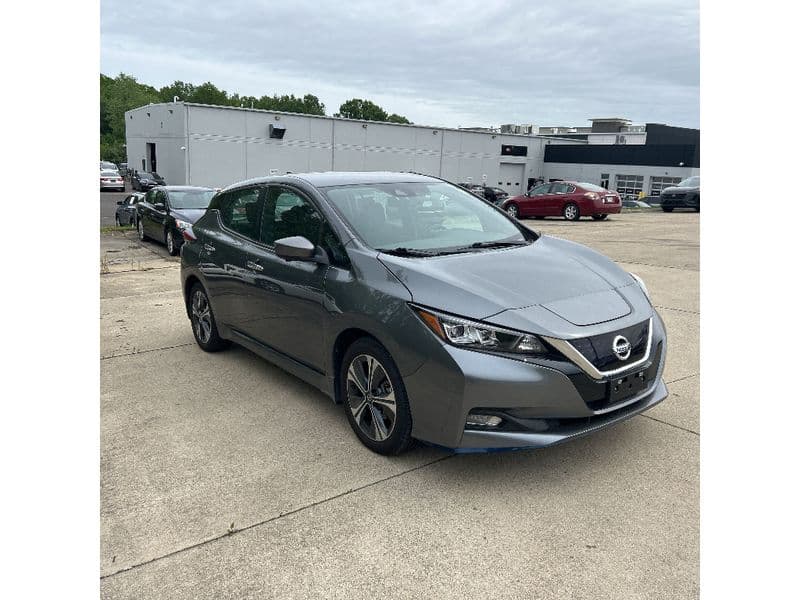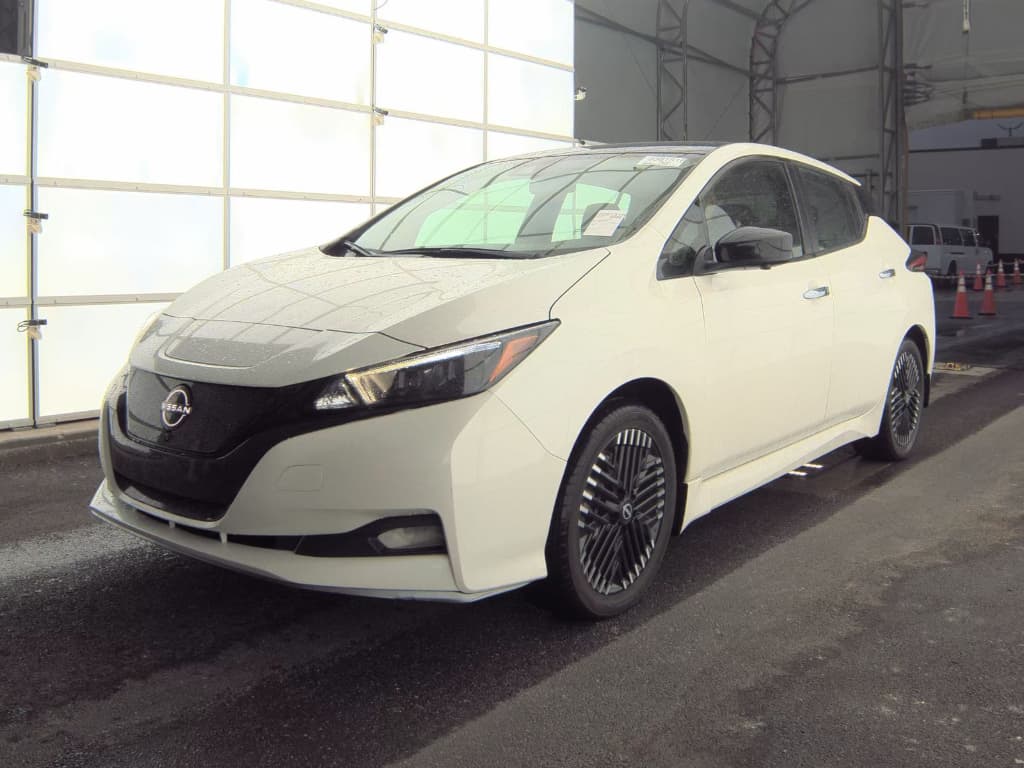
If you’ve been searching for Nissan Leaf car reviews, you’re probably trying to answer two questions: How good is the Leaf really, and does a new or used Leaf make sense for your life in 2025? The short answer: it can be a terrific, inexpensive commuter EV for the right driver, but it comes with real trade‑offs on range, charging, and battery technology that you need to understand upfront.
Quick take
Nissan Leaf overview: Why it still matters
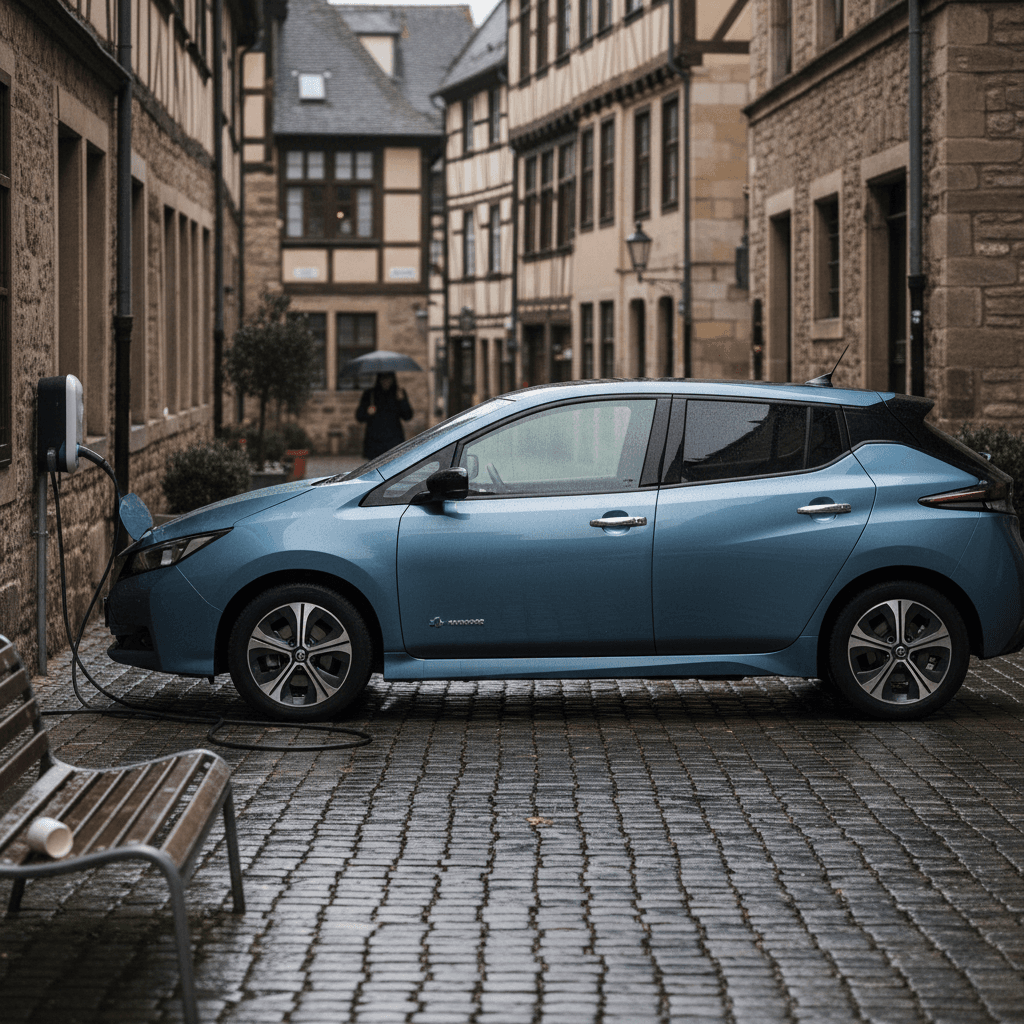
The Nissan Leaf has been on the road since the 2011 model year, longer than almost any other modern EV. Over that time it’s evolved from a 73‑mile city runabout into today’s 40 kWh and 60+ kWh versions that deliver roughly 150 and just over 210 miles of EPA‑rated range. Newer rivals have eclipsed it on tech and charging speed, but when reviewers and shoppers talk about value, the Leaf still comes up because it’s widely available, simple to drive, and often thousands cheaper than comparable EVs, especially on the used market.
Key Nissan Leaf numbers at a glance
The big picture
Range and performance: What reviews say in the real world
On paper, recent Nissan Leaf car reviews paint a clear picture: the 40 kWh Leaf S is rated around 149 miles of range, while the SV Plus with the bigger pack is rated around 212 miles. That’s enough for a typical U.S. commute, but noticeably behind newer compact EVs that routinely hit 250–300 miles.
City and suburban driving
In mixed city and suburban use, reviewers consistently report that the Leaf feels quick off the line and efficient. Modest power and strong regenerative braking make it easy to drive smoothly, and owners often exceed the EPA numbers around town, especially in temperate weather.
If your daily driving is 40–70 miles, even the 40 kWh Leaf S can usually handle your needs with overnight charging.
Highway and winter driving
The story changes at higher speeds or in cold weather. Multiple tests and owner reports show the Leaf giving up a noticeable chunk of its rated range when you cruise at 70–75 mph or when temperatures drop below freezing. That’s typical for EVs, but the Leaf’s smaller battery magnifies the effect, leaving less buffer.
Plan on a realistic highway range of ~110–120 miles for the 40 kWh pack and ~170–190 miles for the larger pack when driven at typical U.S. freeway speeds.
Range reality check
Charging experience and CHAdeMO limits
Charging is where recent Nissan Leaf car reviews get the most critical. At home, the Leaf is perfectly normal: it uses the common J1772 plug for Level 1 (120V) and Level 2 (240V) AC charging. On a 240V Level 2 charger, you’re looking at roughly 7–9 hours for a full charge depending on battery size, totally fine for overnight charging.
Public fast charging is a different story. The Leaf still uses the aging CHAdeMO DC fast‑charging connector, while most of the U.S. network has standardized on CCS and is now pivoting to NACS (Tesla’s standard). CHAdeMO stations are shrinking in number, and the Leaf tops out around 50 kW even when you do find one, which means slower road‑trip sessions than newer EVs that can take 100–200+ kW.
Charging pros and cons for Leaf owners
Home charging is easy
Any Leaf works great with a 240V Level 2 charger at home. Plug in at night, wake up full. For many owners, public charging is rare.
Limited fast‑charging options
Because the Leaf uses CHAdeMO, the number of compatible DC fast chargers is shrinking. In some regions you may have only a few viable stations.
Road‑trip planning required
Long trips in a Leaf are possible but require careful planning around CHAdeMO locations and longer charging stops compared with newer EVs.
Important for U.S. shoppers
Battery life, degradation, and recent recalls
Battery behavior is the thread that runs through almost every long‑term Nissan Leaf review. Early Leafs (2011–2014) did not have liquid‑cooled packs and developed a reputation for faster‑than‑average degradation, especially in hot climates. Later cars improved chemistry and software, but air‑cooled packs still tend to lose capacity faster than the best modern EV batteries.
Owners track battery health using “capacity bars” on the cluster (12 is full health when new). Losing a bar doesn’t mean the car is unusable, but it does shrink real‑world range. By the mid‑2010s, Nissan added a battery‑capacity warranty (typically 8 years/100,000 miles for total failure and 5 years/60,000 miles against excessive capacity loss), which has helped some used‑Leaf buyers secure warranty battery replacements, effectively giving an old car a new lease on life.
Recent recall context
On the flip side, Leaf owners also report long‑lived cars when the use‑case fits, moderate climates, mostly home charging, and gentle driving. A well‑cared‑for Leaf that has mostly seen Level 2 charging and hasn’t lived in desert heat often has more usable range left than the horror stories might suggest.
Heat is the Leaf’s enemy
Owner satisfaction: Common praise and complaints
When you step back from individual tests and look across owner forums, survey data, and Nissan Leaf car reviews, a consistent pattern emerges. People who buy the Leaf for what it is, a simple, inexpensive commuter, tend to be happy. People who expect it to do the job of a long‑range Tesla or Hyundai Ioniq 5 tend not to be.
What owners like, and don’t like, about the Leaf
What owners praise
- Low running costs: Electricity and basic maintenance are cheap compared with gas cars.
- Easy driving experience: Smooth, quiet, and intuitive, great for new EV drivers.
- Hatchback practicality: Fold the seats and you’ve got plenty of cargo space for errands.
- Bargain pricing used: Older Leafs can cost less than many used hybrids.
What owners complain about
- Range anxiety on highways: Especially with degraded batteries or the 40 kWh pack.
- CHAdeMO dead‑end: Harder to find fast chargers every year.
- Battery replacement cost and wait times: Out‑of‑warranty pack replacements can be expensive and slow.
- Outdated interior tech: The cabin and infotainment feel older than rival EVs.
Nissan Leaf vs other affordable EVs
Newer, relatively affordable EVs like the Hyundai Kona Electric, Kia Niro EV, Chevy Bolt EUV, and various Tesla Model 3 trims all beat the Leaf on range, charging speed, and modern tech. Reviewers routinely note that the Leaf’s 149–212 mile range and CHAdeMO port make it feel like a previous generation of EV technology.
Leaf vs other budget‑friendly EVs (big‑picture view)
How the Leaf stacks up conceptually against popular alternatives available new or used in 2025.
| Model | Typical range | Fast‑charge plug | Max DC speed | Used pricing trend |
|---|---|---|---|---|
| Nissan Leaf (40/60 kWh) | ~149 / 212 mi | CHAdeMO | ~50 kW | Very low, especially older cars |
| Chevy Bolt EV/EUV | ~247–259 mi | CCS | ~55–65 kW | Low to moderate |
| Hyundai Kona Electric | ~258 mi | CCS | ~75 kW | Moderate |
| Kia Niro EV | ~239–253 mi | CCS | ~75 kW | Moderate |
| Tesla Model 3 (RWD) | ~272 mi | NACS (Supercharger) | 170+ kW | Higher purchase price, stronger resale |
Numbers are approximate and vary by model year and trim, but the pattern is clear: the Leaf is cheap, but less future‑proof.
Where the Leaf still wins
Used Nissan Leaf car reviews by generation
Because the Leaf has been around so long, “Nissan Leaf car reviews” can mean very different things depending on which generation and battery you’re looking at. Here’s how to think about the main eras if you’re shopping used.
Three broad eras of the Nissan Leaf
Early Leafs (2011–2014)
Pros: Dirt‑cheap pricing, simple hardware, great for very short trips.
Cons: Small batteries, no liquid cooling, many have heavy degradation, especially from hot regions.
Best for: Short‑hop urban drivers who can verify a healthy replacement pack or accept very limited range.
Middle years (2015–2017)
Pros: Slightly improved batteries and range, more safety and comfort features.
Cons: Still air‑cooled packs, CHAdeMO only, degradation can still be significant on older examples.
Best for: Budget commuters willing to prioritize battery health over model year.
Second‑gen (2018–present)
Pros: 40 kWh and 60+ kWh packs, modern driver‑assist, better performance, and more usable range.
Cons: CHAdeMO remains, and newer rivals offer more range for similar money.
Best for: Drivers who want an inexpensive but more modern EV for daily use.
Model‑year advice in one sentence
Checklist: Buying a used Nissan Leaf in 2025
A lot of the variance you see in Nissan Leaf car reviews comes down to how carefully the buyer matched the car to their use‑case. This checklist will help you avoid the most common mistakes.
Essential checks before you buy a used Leaf
1. Verify your daily driving needs
Add up your typical weekday and weekend mileage, including side trips. If you regularly need more than half of the Leaf’s real‑world range between charges, consider a longer‑range EV instead.
2. Inspect battery health, not just odometer
Look at the Leaf’s capacity bars and, ideally, get a proper battery‑health report. A high‑mileage car with a healthy replacement pack can be better than a low‑mile car with a tired original battery.
3. Check remaining battery warranty
Some newer Leafs still have time left on their battery warranty. That can be a huge safety net if degradation accelerates, especially on 2018+ cars.
4. Confirm recall and software updates
Use the VIN to confirm open recalls and make sure any battery‑related software updates, especially for 2019–2022 cars, have been completed.
5. Map out local CHAdeMO fast chargers
Before you buy, open your favorite charging apps and see how many CHAdeMO sites are actually convenient to your routes. If there are none, assume you’ll be living on home charging alone.
6. Budget for a Level 2 home charger
A Leaf is much easier to live with if you can install a 240V Level 2 charger at home. Factor that installation into your total cost of ownership.
Don’t buy on price alone
How Recharged evaluates used Leafs and battery health
Because the Leaf’s value lives and dies by its battery, any serious used‑EV marketplace has to go deeper than a quick test drive. At Recharged, every Leaf we list gets a Recharged Score Report that combines verified battery diagnostics with fair‑market price analysis and a detailed vehicle history review.
Battery‑first inspections
Our EV specialists run dedicated battery‑health diagnostics that go far beyond the basic capacity bars on the dash. We look at usable capacity, balance between cells, historical charge patterns when available, and how the pack behaves under load.
The result is a Recharged Score that makes it easy to compare one used Leaf to another, even across different model years and mileages.
Support from EV specialists
Leaf shoppers often have very specific questions: Is CHAdeMO a deal‑breaker in my area? How much range will I likely get in winter? Does this level of degradation still fit my commute?
Our team helps you answer those questions up front, and we back it all with flexible financing, trade‑in options, and nationwide delivery so you can shop for the right Leaf without spending your weekends at dealerships.
Buying a used Leaf the transparent way
FAQ: Nissan Leaf car reviews and buying questions
Frequently asked questions about the Nissan Leaf
Is the Nissan Leaf right for you?
When you look across a decade‑plus of Nissan Leaf car reviews, the pattern is remarkably consistent. The Leaf is not a do‑everything EV. It won’t win range contests, it won’t impress anyone with road‑trip charging speeds, and in 2025 its CHAdeMO port is firmly behind the technology curve. But for the right driver, someone with a stable commute, access to home charging, and a priority on low total cost rather than cutting‑edge tech, it’s still one of the smartest, most economical ways to go electric.
If that sounds like you, the next step isn’t just finding the lowest price; it’s finding the right Leaf with a healthy battery and a transparent history. That’s exactly what the Recharged Score Report is designed to uncover, paired with EV‑savvy guidance, financing, and nationwide delivery. Do that homework up front, and the humble Leaf can quietly, and affordably, cover your daily miles for years to come.