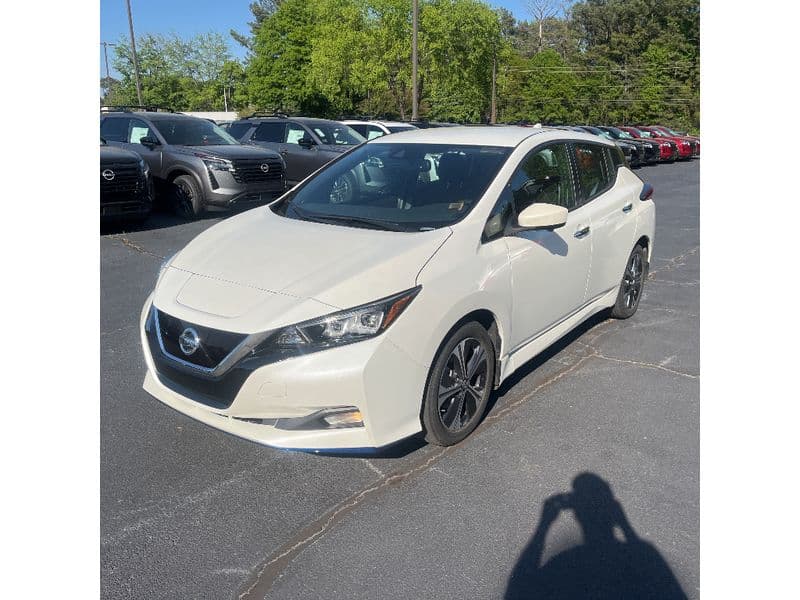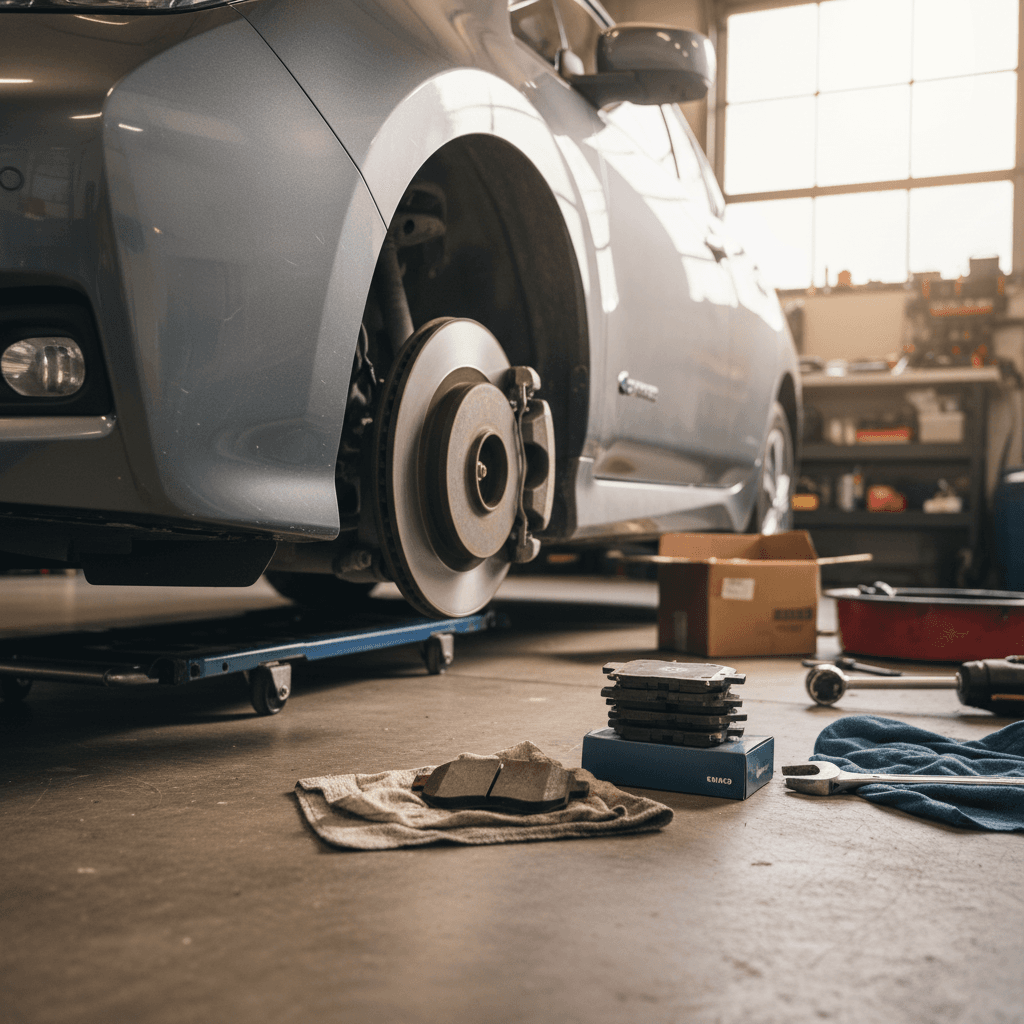
If you’re used to gas cars eating through brake pads every 30,000–40,000 miles, the Nissan Leaf brake pad replacement cost can feel like a pleasant surprise. EVs, especially the Leaf with its strong regenerative braking, tend to sip rather than gulp brake pads. But when the time finally comes, you still want to know: how much will it actually cost, and how do you avoid overpaying?
Good news for Leaf owners
Why Nissan Leaf brake pad costs look different
The core hardware on a Leaf, pads, rotors, calipers, isn’t exotic. In many ways it’s simpler than some gas cars because there’s no vacuum booster tied to an engine. What makes EV brake maintenance feel different is how rarely you actually use the friction brakes. Regenerative braking does most of the slowing, so pads and rotors wear more slowly but can suffer from corrosion, glazing, and lack of use if the car lives in a wet or salty climate.
Classic gas-car brake wear
- Friction brakes handle almost all deceleration.
- Pads commonly replaced every 30k–50k miles.
- Rotors often need machining or replacement with every second pad change.
Nissan Leaf brake wear
- Regenerative braking handles most mild and moderate stops.
- Pads can last 60k–100k+ miles with highway-heavy driving.
- Rust and sticking sliders are bigger enemies than raw pad wear.
In short: you’ll likely replace Leaf pads less often, but you can’t ignore the system between services.
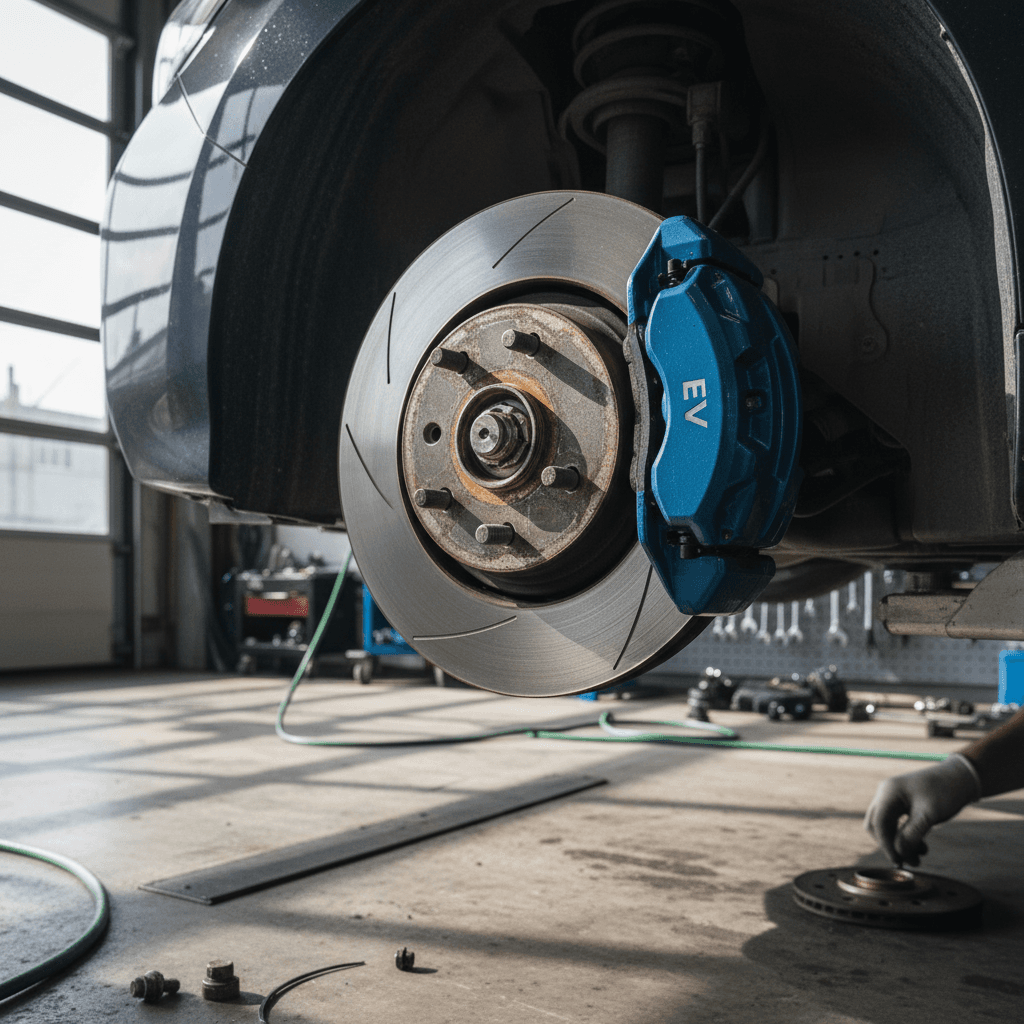
Typical Nissan Leaf brake pad replacement cost
Realistic Nissan Leaf brake pad cost ranges (per axle)
For a straightforward brake pad job on a Nissan Leaf, front or rear, most U.S. owners can expect to pay somewhere around $180–$320 per axle at an independent shop using quality aftermarket pads. At a Nissan dealer, the same job may land closer to $250–$420 per axle depending on region, shop rate, and whether they insist on OEM pads.
Quick ballpark for your budget
Cost breakdown: front vs rear pads and rotors
Actual Nissan Leaf brake pad replacement cost depends on three main levers: parts, labor, and how much you’re replacing in one visit. Here’s how that typically shakes out in the U.S.
Typical Nissan Leaf brake service pricing (per axle)
These are example ranges for a U.S. owner using a good independent shop. Dealer pricing often sits near the upper end.
| Service type | What’s included | Typical parts cost | Typical labor cost | Estimated total |
|---|---|---|---|---|
| Front pads only | New pads, hardware, lubrication | $60–$120 | $100–$200 | $180–$320 |
| Rear pads only | New pads, hardware, parking-brake setup | $70–$130 | $120–$220 | $220–$380 |
| Front pads + rotors | Pads, rotors, hardware, lubrication | $160–$260 | $180–$320 | $350–$580 |
| Rear pads + rotors | Pads, rotors, parking-brake service | $180–$280 | $200–$370 | $400–$650 |
| Brake inspection only | Visual check, measurement, road test | , | $0–$80 | $0–$80 |
Always get a written estimate for your specific model year and mileage before approving work.
Watch for bundled upsells
How long do Nissan Leaf brake pads last?
If you hang out in Leaf owner forums, you’ll see an almost comical pattern: people coming in at 70,000 or 90,000 miles asking if it’s “normal” that their original pads are still fine. On a healthy Leaf with normal driving, it often is.
- Light-footed suburban or highway driving: 80,000–120,000 miles on original pads isn’t rare.
- Mixed city and highway use: 60,000–90,000 miles is a realistic expectation.
- Heavy stop-and-go or aggressive driving: you may see pads closer to a traditional car, 40,000–60,000 miles.
Why regen extends pad life
The catch is that friction brakes which aren’t used enough can develop surface rust and sticky caliper pins, especially in wet or snowy states. That’s why regular inspection and occasional firm stops are still important, even if your pads have plenty of material left.
Signs your Leaf needs new brake pads now
The Leaf’s stoic silence can hide brake issues until they’re fairly advanced. You don’t have an engine masking sounds, so you’ll often hear trouble early, if you know what to listen for.
Key warning signs of worn or sticky brakes
Grinding or scraping noises
A metallic grind when you brake usually means pad material is gone and the backing plate is chewing into the rotor. This is a stop-driving-and-fix-it-now situation.
High-pitched squeal at low speed
Many pads have wear indicators that squeal when the friction material gets thin. Occasional light squeaks can be normal, but consistent noise deserves an inspection.
Pulling to one side
If the Leaf darts left or right when you brake, you may have a sticking caliper or uneven pad wear. On an EV, that can also hurt efficiency by causing drag.
Spongy or long pedal travel
This can point to air in the brake lines, fluid issues, or severely worn components. It’s not something to self-diagnose, have it checked immediately.
Overheated smell after short drives
A hot, acrid smell near one wheel may mean a caliper is sticking and keeping pads clamped to the rotor. That can warp rotors and waste range.
Visible thin pads or rusty rotors
If you can see the pad through the caliper window and it looks like a thin credit card, it’s nearing end of life. Deeply rusted or pitted rotors may need replacement even with decent pad thickness.
Safety beats savings
Dealer vs independent shop vs DIY on a Leaf
Because the Leaf’s hydraulic brakes are conventional, you’re not locked into the dealership for service. But there are trade-offs between where, and how, you get the work done.
Choosing how to service your Leaf’s brakes
Match the approach to your comfort level and budget.
Nissan dealership
Pros: Familiar with Leaf quirks, access to factory parts, service bulletins, and special tools for parking brake calibration.
Cons: Highest labor rates, less flexibility on pad brands, more likely to recommend full pad+rotor replacement.
Best if you’re under warranty or want a documented dealer service history for resale.
Independent EV-friendly shop
Pros: Often 20–30% cheaper, more willing to use quality aftermarket pads, can combine services (tires, alignment, brakes).
Cons: Need to confirm they understand EV lift points and Leaf parking brake setup.
Ask if they’ve worked on Leafs or other EVs; a quick yes is a good sign.
DIY at home
Pros: Lowest cost, pads can be $60–$100 an axle and you save all labor.
Cons: Requires proper jack points, torque specs, and sometimes a scan tool or procedure for rear electric parking brake.
If you’re not confident with brake work, this is not the system to learn on.
Look for EV experience
Smart ways to save on Nissan Leaf brake service
One of the quiet financial perks of driving a Leaf is that brakes just don’t ask for much. When they finally do, you can keep the bill modest without compromising safety.
- Combine services. Do pads when you’re already in for tires or an annual inspection to consolidate labor and avoid multiple shop visits.
- Request a brake inspection before committing. Ask the shop to measure pad thickness and rotor condition and share photos or videos before replacing parts.
- Use quality aftermarket pads. For daily driving, reputable brands often perform as well as OEM at a lower price, and may produce less dust or noise.
- Avoid deep disc rust. Take your Leaf for a spirited highway run now and then, using firm stops to scrub light rust before it becomes a rotor-replacement issue.
- Get 2–3 quotes. Prices for the same job can easily vary by $150+ between shops in the same city. Email or text estimates make comparisons easy.
- Watch for generic EV markups. Brakes on a Leaf aren’t exotic; you shouldn’t see a mystery surcharge just because it’s an electric car.
Where Recharged fits in
Ready to find your next EV?
Browse VehiclesBrake maintenance tips if you’re buying a used Leaf
Shopping used is where EV maintenance myths really show up. Some sellers act as if “it’s electric” means maintenance-free forever. You know better, and the brakes are a perfect example of a small, negotiable expense that can save you money if you spot it early.
Questions to ask the seller or dealer
- When were the brakes last inspected or serviced?
- Any records of pad or rotor replacement?
- Has the car lived in a rust-prone region (snow belt, coastal)?
- Do they notice any noises, pulling, or vibration when braking?
What to look for on a test drive
- Do a few moderate stops from 40–50 mph and feel for vibration through the pedal or steering wheel.
- Listen for squeals or scrapes at low speeds with the windows down.
- After a longer drive, carefully check for one wheel that seems much hotter than the others, a sign of a dragging brake.
On a Recharged vehicle, an expert has already taken this drive for you and documented what they found.
Budget for the first catch-up service
FAQ: Nissan Leaf brake pad replacement cost & maintenance
Nissan Leaf brake cost & maintenance questions, answered
Bottom line: what to budget
In the grand scheme of EV ownership costs, Nissan Leaf brake pad replacement is a relatively small, infrequent line item. If you budget roughly $300 per axle every 70,000–80,000 miles, keep up with annual inspections, and choose a shop that actually understands EVs, you’re unlikely to face ugly surprises. The Leaf’s regen system is already doing the hard work; your job is just to stay ahead of rust, noise, and neglect.
If you’re cross-shopping used EVs, this is the kind of quiet advantage that adds up over a decade. And when you buy through Recharged, you’re not guessing, we’ll show you the vehicle’s Recharged Score, highlight upcoming brake or tire expenses, and help you pre-qualify for financing so you know exactly where your money is going. Less mystery, more miles, that’s how EV ownership should feel.