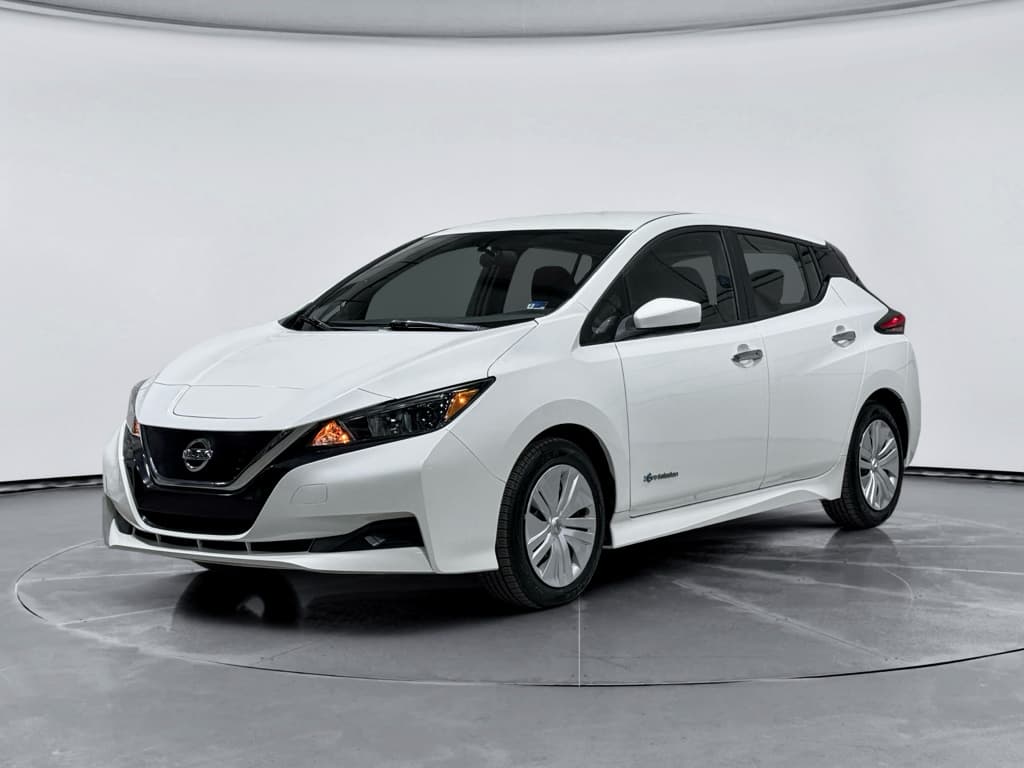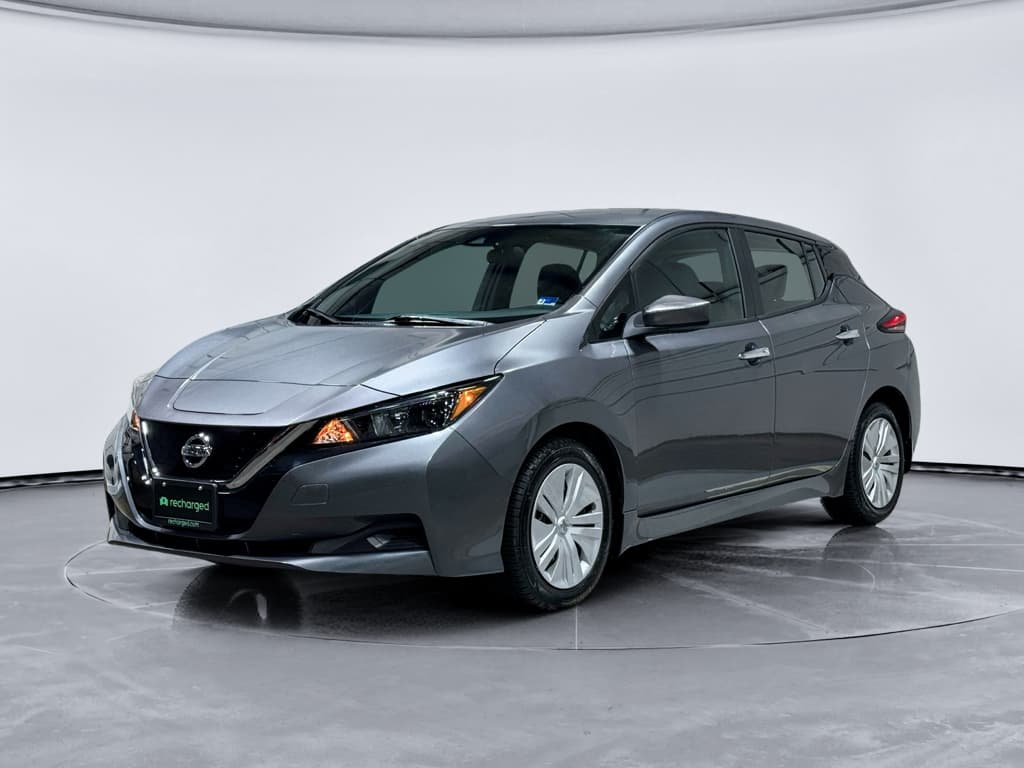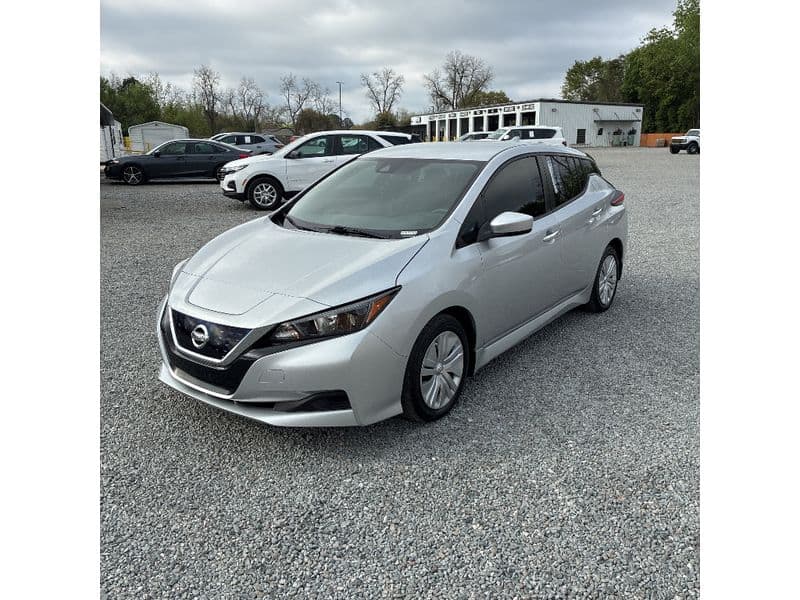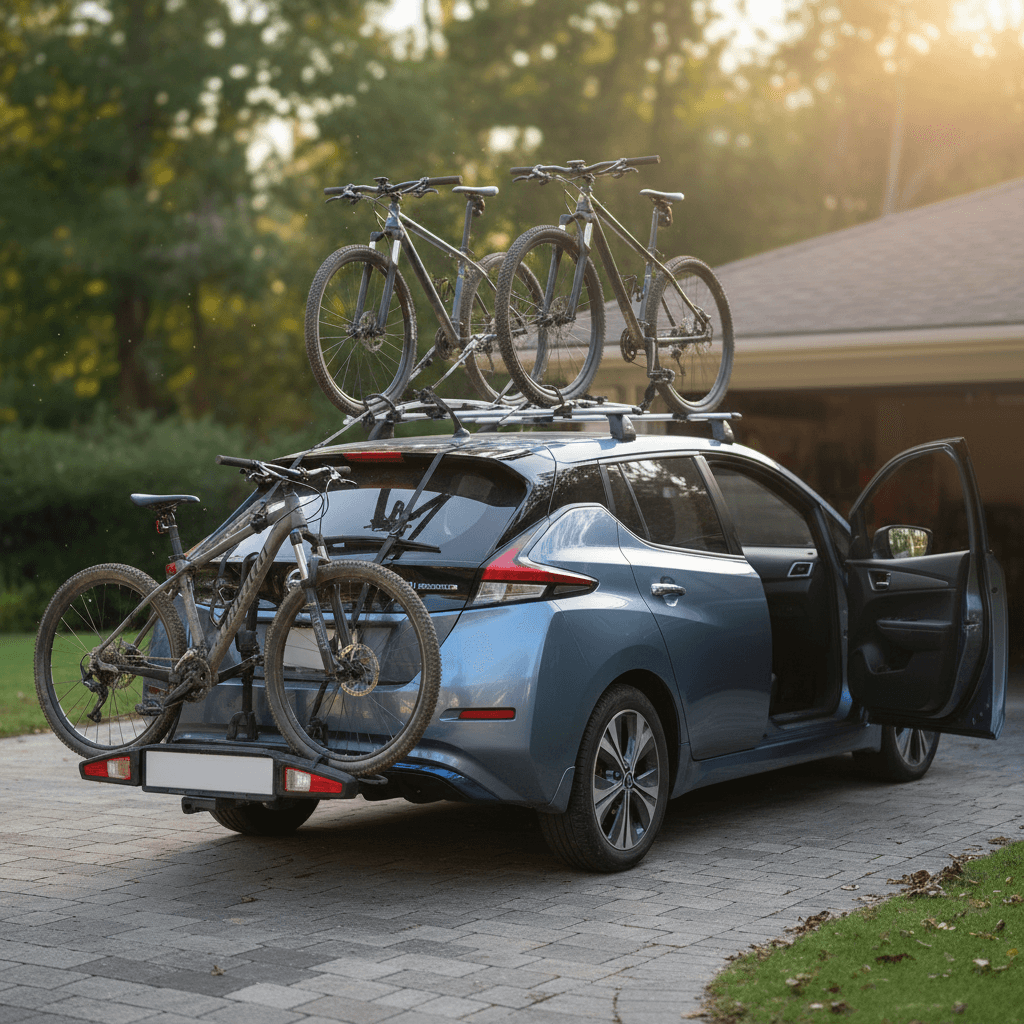
If you own a Nissan Leaf and also ride bikes, you quickly run into a practical question: **what Nissan Leaf bike rack options actually work** without damaging the hatch, spoiler, or overloading the car? Between hitches, trunk racks, and roof systems, the choices – and fine print – can get confusing fast.
Key takeaway
Overview: Nissan Leaf bike rack options
- Hitch‑mounted bike racks – Best combination of stability, ease of loading, and hatch clearance. You’ll need an aftermarket hitch, because the Leaf doesn’t ship with one from the factory in North America.
- Trunk / hatch‑mounted racks – Cheaper, no hitch required, but fitment on the Leaf is hit‑or‑miss because of the spoiler and hatch shape, especially on 2018+ models.
- Roof‑mounted bike carriers – Great if you already have crossbars, and they avoid tongue‑weight limits, but they’re harder to load and cost you some range at highway speeds.
Which route makes sense for you depends on your Leaf’s **model year**, how many bikes you carry, whether they’re **heavy e‑bikes or lightweight road bikes**, and whether you’re willing to install a hitch.
Can you put a bike rack on a Nissan Leaf?
Yes – you can safely put a bike rack on a Nissan Leaf, but you need to respect two sets of limits:
- Hitch or roof system ratings – Aftermarket Leaf hitches typically offer **100–300 lb tongue weight** depending on brand and receiver size. Roof systems have their own dynamic load ratings.
- The Leaf itself – Nissan doesn’t rate the Leaf for towing in the U.S., but owners commonly add hitches specifically for racks and small cargo. You still need to stay well under the hitch’s tongue‑weight rating and use common sense for handling and braking.
Always check your manual
Hitch bike racks for Nissan Leaf (best overall choice)
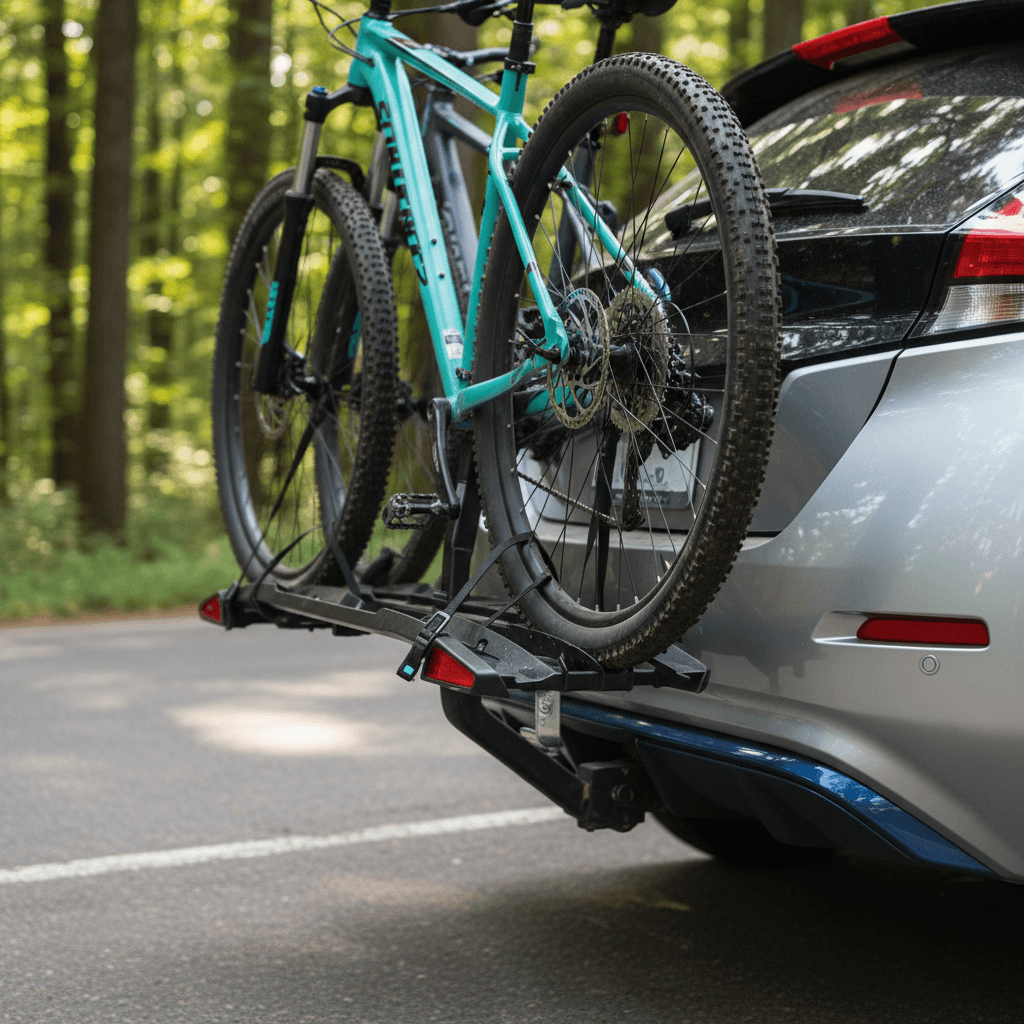
For most Leaf owners, a **hitch‑mounted platform rack** is the best long‑term solution. It keeps bikes away from your paint, usually allows hatch access, and handles weight better than a trunk rack.
Common Nissan Leaf hitch options
These are examples, not endorsements – always confirm fitment for your exact year and trim.
EcoHitch 2" receiver (Torklift)
Available for many 2013–2025 Leaf models.
- Receiver: 2" hidden hitch
- Tongue weight: ~300 lb (at ball)
- Best for: 2–3 standard bikes or 1–2 heavier e‑bikes, with margin.
Class I 1.25" receivers
Several brands sell 1.25" Leaf hitches rated around:
- Tow: ~1,000–1,500 lb
- Tongue: ~100–150 lb
- Best for: 1–2 lighter bikes on a compact rack.
Custom EV‑focused hitches
Smaller EV shops sell Leaf‑specific hitches with conservative ratings meant solely for racks and cargo.
- Often 1.25" receivers
- Designed not to interfere with battery or aero panels
Once you have a hitch, you can choose between **platform racks** (bikes sit in wheel trays, supported by a central arm) or **hanging racks** (bikes hang from the top tube). Platform racks are heavier but more stable and e‑bike‑friendly; hanging racks are lighter but put more stress on frames and require more clearance from the hatch.
Why hitch racks work well on the Leaf
Choosing a hitch rack that matches the Leaf’s limits
The easiest mistake Leaf owners make is **buying the rack they want first** and only later checking whether the hitch – and the car – can handle the weight. With a compact EV like the Leaf, work backwards from the hitch specs.
Example hitch vs. rack weight math
Illustrative scenarios to help you think about tongue weight. Always use the real numbers from your hitch and rack.
| Setup | Hitch tongue limit | Rack weight | Bike(s) weight | Estimated total at hitch* | Safe for Leaf? |
|---|---|---|---|---|---|
| 1 road bike on compact platform rack | 100 lb (Class I, 1.25") | 30 lb | 20 lb | ≈50 lb | Yes, good margin |
| 2 gravel bikes on mid‑size 2" platform rack | 300 lb (EcoHitch 2") | 45 lb | 2 × 25 lb = 50 lb | ≈95 lb | Yes, with large margin |
| 2 heavy e‑bikes on long 1.25" rack with adapter | 100 lb (Class I, 1.25") | 50 lb | 2 × 60 lb = 120 lb | 150–170+ lb effective | No – likely overloading |
Stay comfortably below your hitch’s tongue‑weight limit, especially with e‑bikes or long racks.
Avoid 1.25" → 2" adapters on the Leaf
- Look for **platform racks rated for Class I** if you have a 1.25" Leaf hitch.
- If you have a 2" EcoHitch or similar, choose a rack with a **conservative total bike weight limit** – you don’t need a giant four‑e‑bike rack on a Leaf.
- Pay attention to **shank rise** (how high the rack sits) to avoid scraping on steep driveways, but don’t go so high that bikes hit the hatch glass.
Trunk-mounted bike racks on the Leaf: pros, cons, and fit issues
Trunk or hatch‑mounted bike racks strap to the Leaf’s rear hatch using hooks and cam straps. They’re popular because they’re **cheap and don’t require a hitch**, but the Leaf’s sloping rear glass and spoiler make fitment tricky – and sometimes impossible.
Pros of trunk racks on a Leaf
- Lower upfront cost: No hitch or shop labor required.
- Easy to move between cars: If you have multiple vehicles, a trunk rack can swap over.
- No changes underneath: No impact on battery cooling panels or underbody aero.
Cons and limitations
- Fit issues on many years: Several major brands list 2018+ Leaf hatch racks as no‑fit because of the spoiler and thin sheetmetal near the glass.
- Risk to paint and glass: The load presses on body panels and can rub or dent them over time.
- Limited weight: Typically best for 1–2 lighter bikes, not heavy e‑bikes.
Check the rack maker’s fit guide first
If you do find a trunk rack that’s approved for your Leaf, use it gently: limit yourself to **1–2 bikes**, keep total weight low, and re‑check strap tension periodically on longer drives.
Roof rack bike carriers for Nissan Leaf
Roof‑mounted bike carriers are the third option. They require **crossbars** – either factory or aftermarket – attached to the Leaf’s roof points. Once the bars are installed, you can mount fork‑mount carriers, upright frame‑holding carriers, or wheel‑on trays.
When a roof bike rack makes sense on a Leaf
Good for some owners, overkill for others.
You already have crossbars
You carry light, clean bikes
You do longer highway trips
Mind overhead clearance and range
Roof systems are a solid choice if you **can’t or don’t want to install a hitch**, but for many Leaf drivers – especially those hauling heavier modern e‑bikes – a hitch rack is still the more practical long‑term play.
How many bikes can a Nissan Leaf safely carry?
There’s no one magic number, but you can get to a safe answer quickly by working through three questions:
- What’s my hitch or roof system’s rating? If your hitch tongue limit is 100 lb, your total rack + bikes needs to land well under that. A 2" hitch rated around 300 lb gives you more breathing room.
- What does each bike actually weigh? A carbon road bike might be 18–22 lb. Many modern e‑bikes land in the 50–70 lb range without the battery.
- How far are the bikes from the receiver? Longer racks and add‑on extensions effectively multiply tongue load. Shorter, more compact racks are kinder to the Leaf’s small chassis.
Practical rule of thumb
Installation tips and EV‑specific gotchas
Installing a hitch or rack on a Leaf isn’t radically different from a gas car, but there are a few EV‑specific wrinkles you want to keep in mind.
Leaf‑specific installation and usage tips
1. Protect the underbody panels
Most Leaf hitches bolt to the rear subframe and may require trimming a plastic undertray. Follow the instructions carefully so you don’t block battery cooling airflow or leave panels flapping in the wind.
2. Watch rear sensors and automatic braking
Proximity sensors and automatic emergency braking may see the bikes as an obstacle and beep or even brake unexpectedly. After you mount the rack, test your driver‑assist features in a safe area and turn off specific aids if the manual allows it when carrying bikes.
3. Test hatch clearance before loading fully
With the rack folded down (or tilted), slowly open the Leaf’s hatch and confirm it clears the rack and bikes. Some taller bikes or high‑rise bars can tap the glass if you’re not careful.
4. Secure cables and loose items
EVs are quiet, which means rattles are extra annoying. Use Velcro straps or zip ties to secure brake hoses, cables, and wheel straps so they don’t slap your bumper at speed.
5. Re‑torque hitch hardware
If you install an aftermarket hitch yourself, re‑check torque on all fasteners after the first 100–200 miles of use, especially if you’re carrying heavier bikes.
6. Adjust driving style with extra weight
Bikes add weight and change aerodynamics. Leave more following distance, brake earlier, and take it easy on rough roads or big dips that could cause the rack to bottom out.
Nissan Leaf bike rack buying checklist
Use this quick checklist to narrow your Nissan Leaf bike rack options before you swipe your card.
Quick checklist before you buy
Confirm your Leaf’s model year and trim
Certain trunk racks and roof systems only fit specific generations, and hitch options differ slightly between early (2011–2017) and later (2018+) Leafs.
Decide hitch vs. trunk vs. roof
If you plan to keep the car and ride often, a **hitch + platform rack** is usually worth the upfront cost. Occasional, light use may justify a trunk rack – if it’s listed as compatible.
Match the rack to your receiver size
If you have a 1.25" hitch, choose a **Class I‑compatible 1.25" rack** instead of relying on adapters. If you install a 2" hitch, you’ll have more rack options and capacity.
Add up real‑world weights
Weigh your bikes (or check the spec sheets) and compare that number plus rack weight against your hitch or roof system’s rating. Leave at least **20–30% headroom** instead of running right at the limit.
Plan for storage and removal
Some racks are heavy and bulky off the car. Make sure you have a place to store the rack when it’s not on the Leaf, and that you can lift it off safely.
Consider future EVs in your garage
If you’re likely to move from a Leaf into another used EV, choosing a mainstream rack brand and a 2" receiver now can make it easier to re‑use the setup later.
FAQ: Nissan Leaf bike rack options
Frequently asked questions
Bottom line: picking the right Leaf bike rack (and how Recharged can help)
When you boil it down, **Nissan Leaf bike rack options** fall into three camps: a hitch‑mounted platform rack (best all‑around choice), a carefully selected trunk rack (only if the manufacturer approves your Leaf), or a roof system built on crossbars. The right answer for you depends on bike weight, how often you ride, and whether you’re comfortable adding a hitch.
If you’re shopping for a used Leaf – or another EV that can pull double duty as a commuter and bike hauler – Recharged can help you make a smarter choice. Every car on our marketplace comes with a **Recharged Score battery‑health report**, transparent pricing, and EV‑specialist support, so you can ask detailed questions about hitch compatibility, cargo needs, and charging before you buy. You can even complete the whole process online and have the car delivered to your driveway.
Set your priorities, run the weight numbers, and pick hardware that respects the Leaf’s limits. Do that, and your Leaf can go from grocery‑getter to trailhead shuttle without drama – and without sacrificing the long‑term health of your EV.