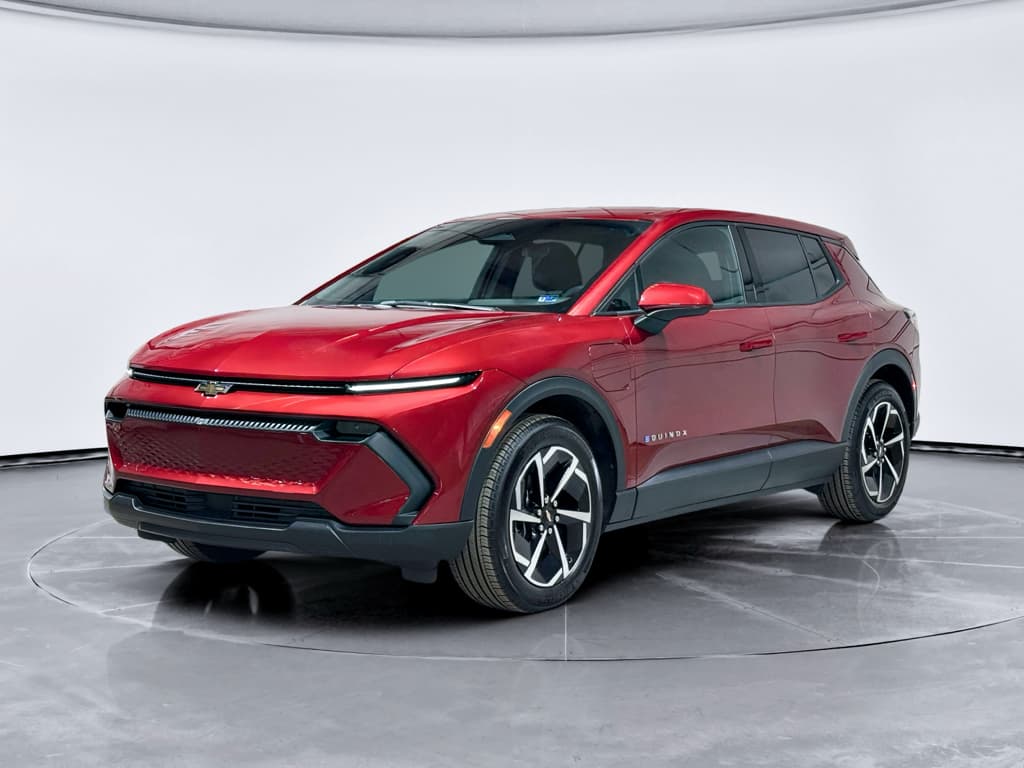
If you’re considering a Chevy Equinox EV, or already have one, its maintenance schedule probably looks almost too simple compared with a gas SUV. No oil changes, no transmission flushes, far fewer moving parts. But that doesn’t mean you can ignore maintenance completely. Understanding the Chevy Equinox EV maintenance schedule will help you budget realistically, protect your warranty, and keep the battery and brakes in good shape for the long haul.
Quick reality check
Overview: How Equinox EV Maintenance Works
Chevrolet designs the Equinox EV to require minimal routine maintenance. Most scheduled items are inspections rather than parts replacements, and many intervals are based on time (years) as much as mileage. If you’ve owned a Bolt EV, the pattern will feel familiar: annual or bi-annual inspections, tire rotations around every 7,500 miles, and longer‑interval services for coolant and brake fluid.
Equinox EV vs Gas Equinox: Maintenance at a Glance
Same badge, very different service needs
Electric powertrain
No engine, no transmission, no exhaust system. The big-ticket item is the high-voltage battery pack, which mostly needs software monitoring and occasional coolant service.
Wear items still matter
You still have tires, brakes, suspension and cabin air filters. These are where most of your regular Equinox EV maintenance dollars will go.
Software + warranty
Over-the-air updates and Chevy warranty coverage handle many issues quietly in the background, but you still need to show you followed the basic maintenance schedule.
Where to find your official schedule
Official Chevy Equinox EV Maintenance Schedule
GM’s electric platforms tend to follow a simple pattern: a basic inspection every year or 7,500–10,000 miles, with deeper checks and fluid services layered on top at longer mileage milestones. The Equinox EV schedule is similar. Below is a practical breakdown of typical service intervals you can expect; always confirm specifics for your model year and driving conditions.
- Every 7,500–10,000 miles or 12 months: tire rotation, visual inspection, basic checks
- Around 22,500–30,000 miles: cabin air filter replacement, brake inspection
- Around 45,000–60,000 miles: brake fluid service (if recommended), deeper suspension and steering checks
- Around 100,000 miles: coolant service for battery and power electronics (if required by GM for your model)
- Every visit regardless of mileage: software checks, recall campaigns, and over-the-air update verification
Watch your driving conditions
Equinox EV Maintenance Matrix by Mileage
Use this maintenance matrix as a quick reference when you’re planning service. Again, always line it up against the schedule in your specific Equinox EV owner’s manual, because GM can tweak details by year.
Chevy Equinox EV Maintenance Schedule (Typical)
High-level view of common intervals. Confirm exact requirements for your model year and trim.
| Mileage / Time | Key Service Items | Notes |
|---|---|---|
| 7,500–10,000 miles or 12 months | Tire rotation; inspect tires, brakes, steering, suspension, cooling system, driveshafts, high-voltage cables; check fluids; interior/exterior lighting inspection | Most common regular visit. Some owners sync this with seasonal tire swaps. |
| 22,500–30,000 miles | Replace cabin air filter; repeat 7,500–10,000‑mile items; inspect brake hoses, underbody, and charge port more closely | Filter can clog faster in dusty or urban areas, don’t be surprised if you replace it sooner. |
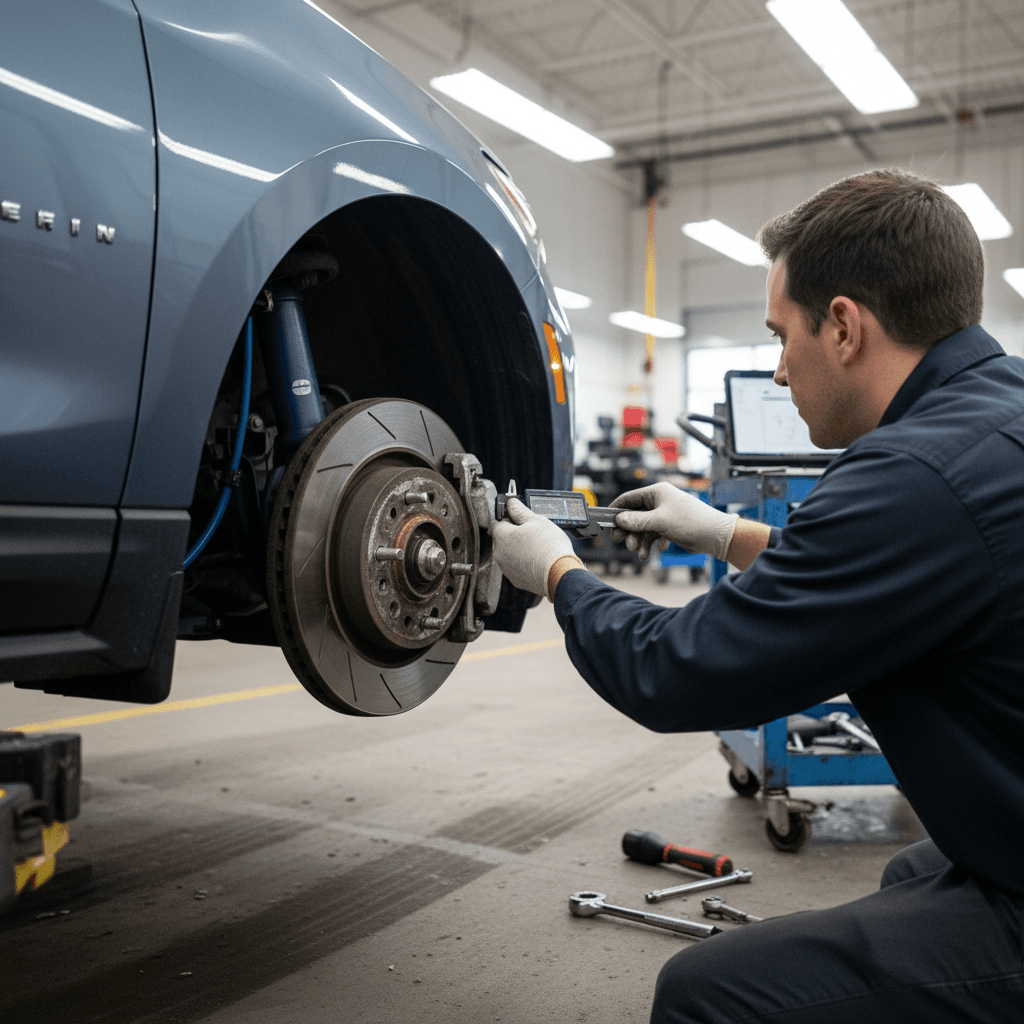
| 45,000–60,000 miles | Brake system inspection; brake fluid service if specified; alignment check; deeper suspension and bushing inspection | Regenerative braking means pads may last much longer than on a gas SUV, but corrosion still matters. |
| 75,000 miles | Repeat previous inspections; may need tires again depending on driving style and climate | Heavy, torquey EVs can wear tires quickly if you drive aggressively. |
| 100,000 miles / 5–7 years | High-voltage battery and power electronics coolant service if required; comprehensive underbody corrosion check; major inspection of suspension, steering, and charging hardware | This is your big-ticket preventative service to keep the battery and electronics happy. |
| Every 12 months regardless of miles | Visual underbody, brake, and tire check; software updates; recall checks | Worth doing even if you’re a low‑mileage driver, especially in harsh climates. |
"Miles" can often be substituted with "once a year" if you drive less than the listed distance.
What Your Equinox EV Doesn’t Need vs a Gas Equinox
The best part of the Chevy Equinox EV maintenance schedule is what’s missing. Because you’re driving an electric SUV, there are entire categories of service you’ll rarely, or never, see on your bill.
Big-Ticket Services Your Equinox EV Skips
Less time in the shop, more time on the road
Engine-related work
- No engine oil or oil filter changes
- No spark plugs or ignition coils
- No timing belt or timing chain service
- No fuel filters or fuel injectors to clean
Traditional transmission service
- No multi-speed automatic transmission
- No transmission fluid flushes
- No torque converter or complex gear sets
- A simpler drive unit with far fewer wear points
Exhaust and emissions
- No muffler, exhaust pipes, or catalytic converter
- No oxygen sensors or EVAP system parts
- No emissions tests in many regions (check local rules)
Fewer routine failures
- Fewer moving parts overall
- Less heat and vibration under the hood
- Most "maintenance" becomes monitoring tires, brakes, and software
Bottom line on savings
Battery Health, Software Updates & Warranty
The high-voltage battery is the heart of your Chevy Equinox EV, and it’s covered by a separate long‑term warranty from Chevrolet, typically around 8 years or 100,000 miles against excessive capacity loss or defects (check your window sticker and owner’s packet for exact terms). Day‑to‑day, you won’t be "servicing" the pack, but smart habits and periodic checks matter.
- Avoid fast charging from very low to 100% every day; use a lower daily charge limit (around 70–80%) when practical.
- Keep the car plugged in during extreme heat or cold so thermal management can protect the battery.
- Have the dealer check for any high-voltage system software updates during scheduled service visits.
- Pay attention to range changes that can’t be explained by temperature or driving style, bring them up at service.
- Document that you’ve followed Chevy’s recommended maintenance; it can help if you ever need a warranty claim reviewed.
Using battery reports when buying used
Real-World Costs, Time in the Shop & Downtime
Because the Equinox EV maintenance schedule is relatively light, most visits are quick and inexpensive compared with a gas SUV. Where you’ll feel EV ownership is in tires and, over the long haul, coolant and brake services.
Typical Equinox EV Maintenance Profile (Big Picture)
Actual numbers will vary by dealer labor rates and your region. Urban dealers may charge more per hour but run more EVs through their bays, which can help with experience and diagnosis. Smaller markets may have lower labor rates but fewer EV‑trained technicians. Either way, the Equinox EV’s schedule is set up so you’re not living at the service department.
DIY vs Dealer: What You Can (and Shouldn’t) Do
You don’t have to be a master technician to stay on top of Equinox EV maintenance. Some tasks are safe for most owners, while others should stay with a Chevy dealer or a shop that knows high-voltage vehicles.
Reasonable DIY items
- Tire pressure checks and topping up air
- Wiper blade replacements
- Washer fluid refills
- Visual checks of tire tread wear
- Cabin air filter swaps, if you’re comfortable removing a few panels
These are low‑risk and can save you time. Just be sure to log dates and mileage for anything you do yourself.
Leave these to the pros
- Any high-voltage battery or orange‑cable work
- Coolant services for the battery and power electronics
- Brake fluid flushes and ABS system work
- Suspension, steering, and alignment adjustments
- Software updates and diagnostic trouble code checks
GM’s warranty language expects qualified technicians to handle high‑voltage systems. Cutting corners here can be dangerous and may jeopardize coverage.
High-voltage safety first
Maintenance Checklist When Buying a Used Equinox EV
If you’re eyeing a used Chevy Equinox EV, the maintenance schedule becomes a buying tool. You’re not just asking "Has it been serviced?", you’re checking whether it’s up to date with key milestones and whether anything big is coming due soon.
Used Equinox EV Maintenance Checklist
1. Verify basic service history
Ask for printed or digital records showing <strong>at least annual visits</strong> for inspections and tire rotations. Gaps of several years aren’t always a deal-breaker, but they’re a negotiation point.
2. Check tire condition and brand
Look for <strong>even wear across the tread</strong> and matching tires on all four corners. Uneven wear can signal alignment issues or hard use. New tires right before sale can be a plus, but ask why they were replaced.
3. Ask about brake work
On many EVs, pads last a long time thanks to regen. You’re more interested in whether <strong>the calipers and hardware are clean and free‑moving</strong>, especially in salty or wet climates where corrosion is common.
4. Confirm coolant and brake fluid status
If the SUV is approaching <strong>60,000–100,000 miles</strong>, ask whether coolant or brake fluid services have already been done. If not, budget for them within your first year of ownership.
5. Review software and recall history
Ask the seller or dealer to confirm <strong>all open campaigns and recalls are complete</strong>. For vehicles Rebought or reconditioned by specialists like Recharged, this should already be handled.
6. Get an independent battery health read
Battery degradation is the biggest unknown on many used EVs. At Recharged, every Equinox EV we list includes a <strong>Recharged Score Report</strong> with verified battery health, so you’re not buying blind.
How Recharged fits in
FAQ: Common Questions About Chevy Equinox EV Maintenance
Frequently Asked Questions
Key Takeaways & Next Steps
The Chevy Equinox EV maintenance schedule is intentionally simple: fewer moving parts, longer intervals, and much less routine work than a traditional gas SUV. Your main jobs are to stay on top of tires, brakes, inspections, and long‑term coolant and brake fluid services, and to treat the battery kindly with smart charging habits.
If you’re cross‑shopping a gas Equinox or other compact SUVs, that lighter maintenance footprint is a big part of the Equinox EV’s total cost of ownership story. And if you’re considering a used Equinox EV, working with an EV‑focused retailer like Recharged means you get verified battery health, transparent service history, and expert guidance so you can buy with confidence instead of guesswork.
From here, your best move is to review the official maintenance section in your owner’s manual or, if you’re still shopping, compare real‑world Equinox EV listings and see how condition, mileage, and service history line up. A little homework now can make Equinox EV ownership remarkably low‑stress for years to come.