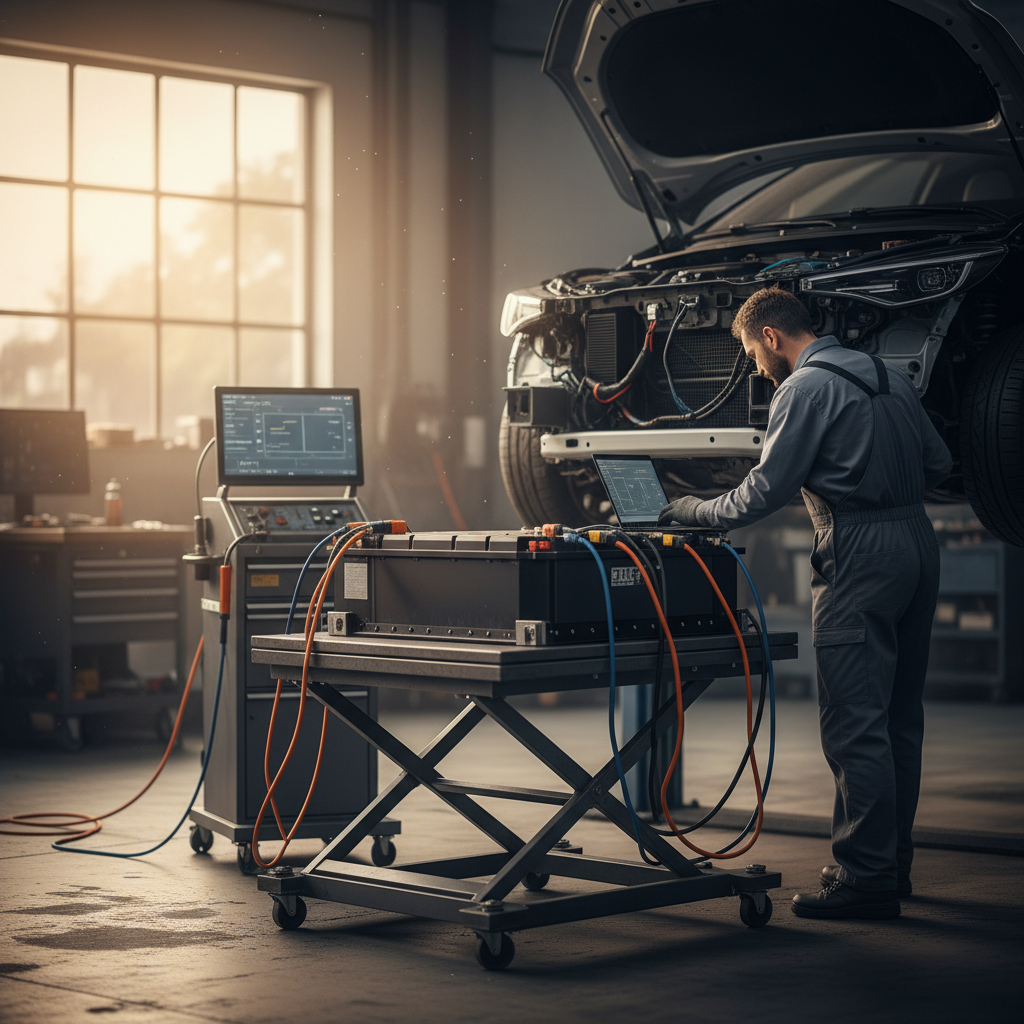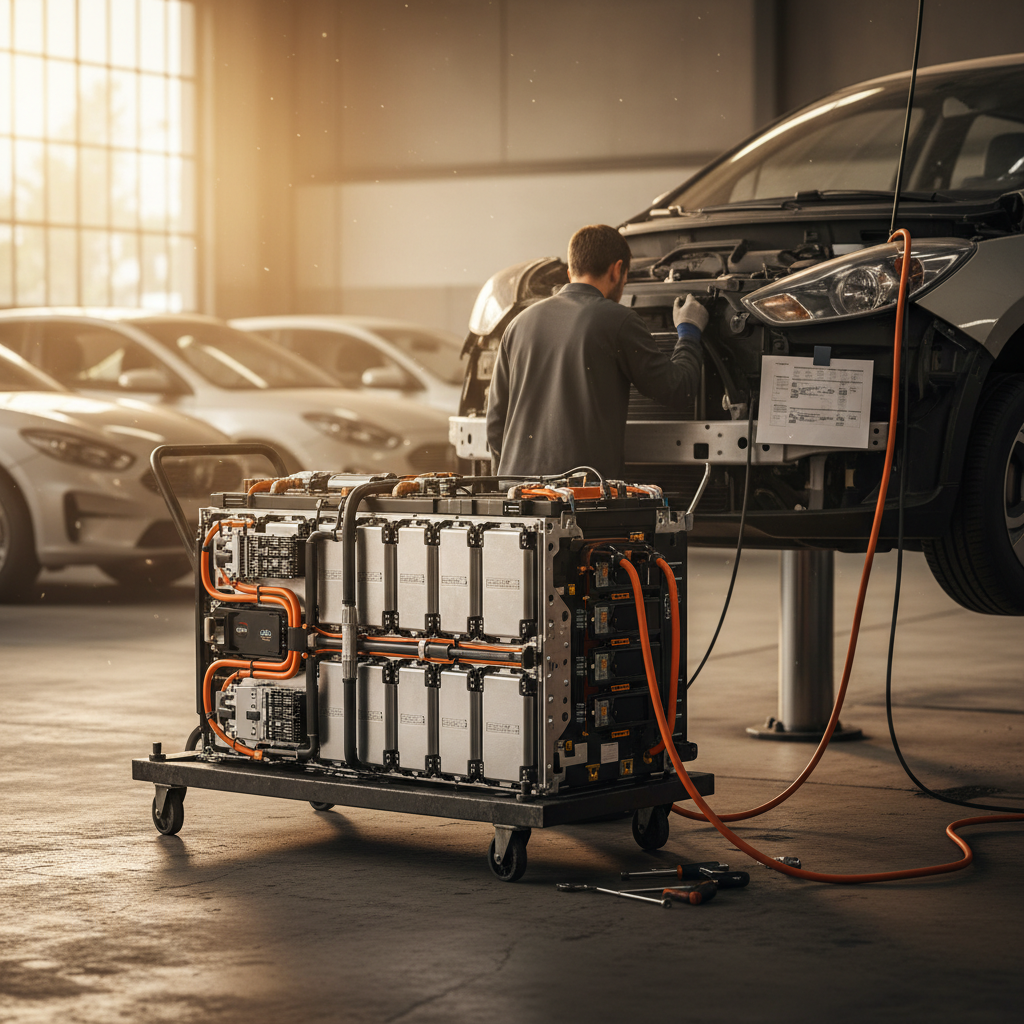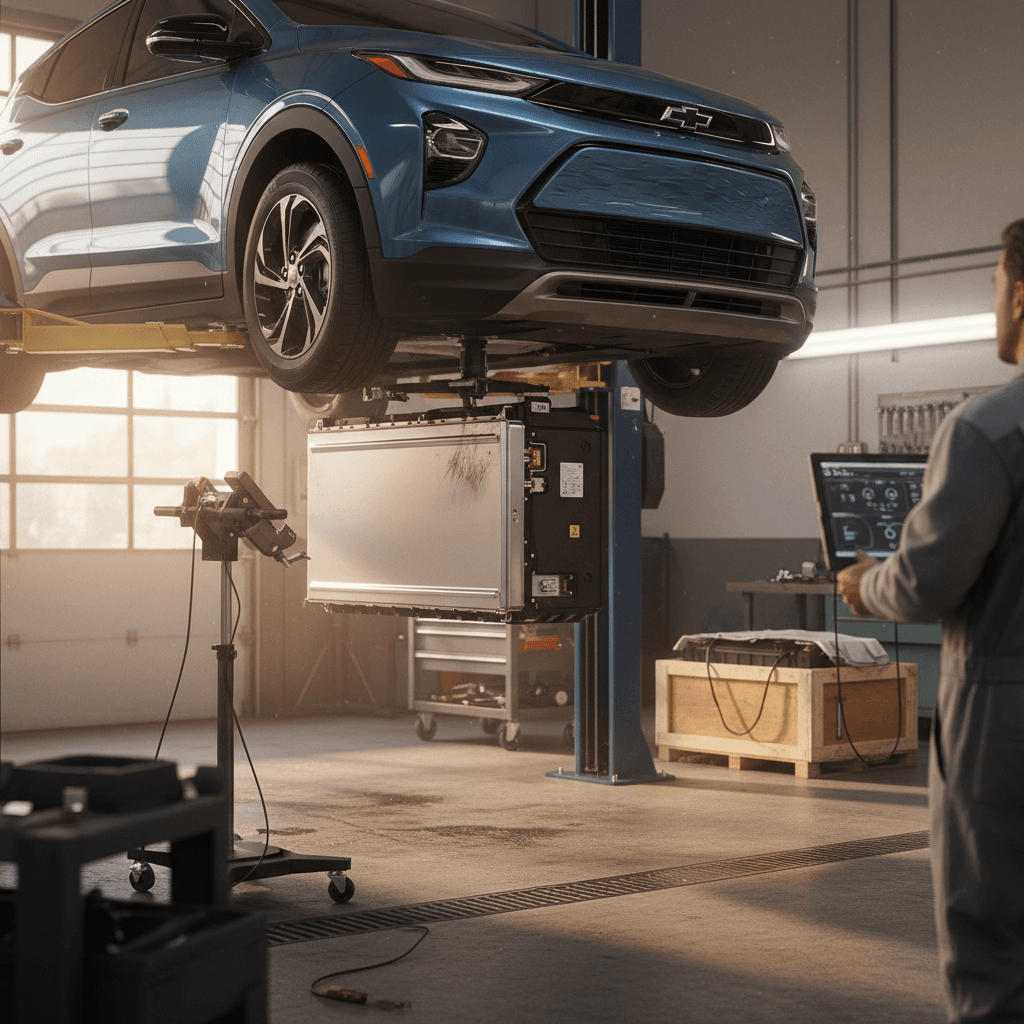
If you’ve been eyeing a Rivian R1T, you’ve probably also heard the horror stories: “$30,000 battery replacements,” “totaled trucks over a bad pack,” the usual EV campfire tales. The truth for Rivian R1T battery replacement cost in 2025–2026 is more boring, and more useful, than the memes. Let’s talk about real numbers, real warranty coverage, and what this means if you own or are shopping for a new or used R1T.
Key takeaways for R1T owners
Rivian R1T battery replacement cost: the short version
Rivian R1T battery cost snapshot (2025–2026)
For a current‑generation R1T with a Standard, Large, or Max pack, most U.S. owners who are **fully out of warranty** can expect a full high‑voltage pack replacement quote in the neighborhood of $15,000 to $25,000 or more, including labor. That’s in line with other large electric pickups and luxury EVs, not some unique Rivian penalty.
That wide range reflects three things: the enormous battery (roughly 100–140 kWh depending on pack), your local labor rate for high‑voltage work, and whether you’re paying for a brand‑new Rivian pack, a refurbished one, or a used pack from a donor vehicle. The good news: between Rivian’s generous battery warranty and the actual durability of modern packs, a full replacement is still rare in the R1T world.
Sticker shock vs real risk
Why Rivian R1T battery replacements cost so much
1. The pack is huge
The R1T is not a Leaf with a bed. Current R1T packs sit roughly in the 100–140 kWh range, depending on whether you chose Standard, Large, or Max. That’s two to four times the capacity of an early EV hatchback. Even with falling cell prices, a big pack multiplies everything: materials, complexity, shipping, and labor to install it.
2. It’s structural, not an accessory
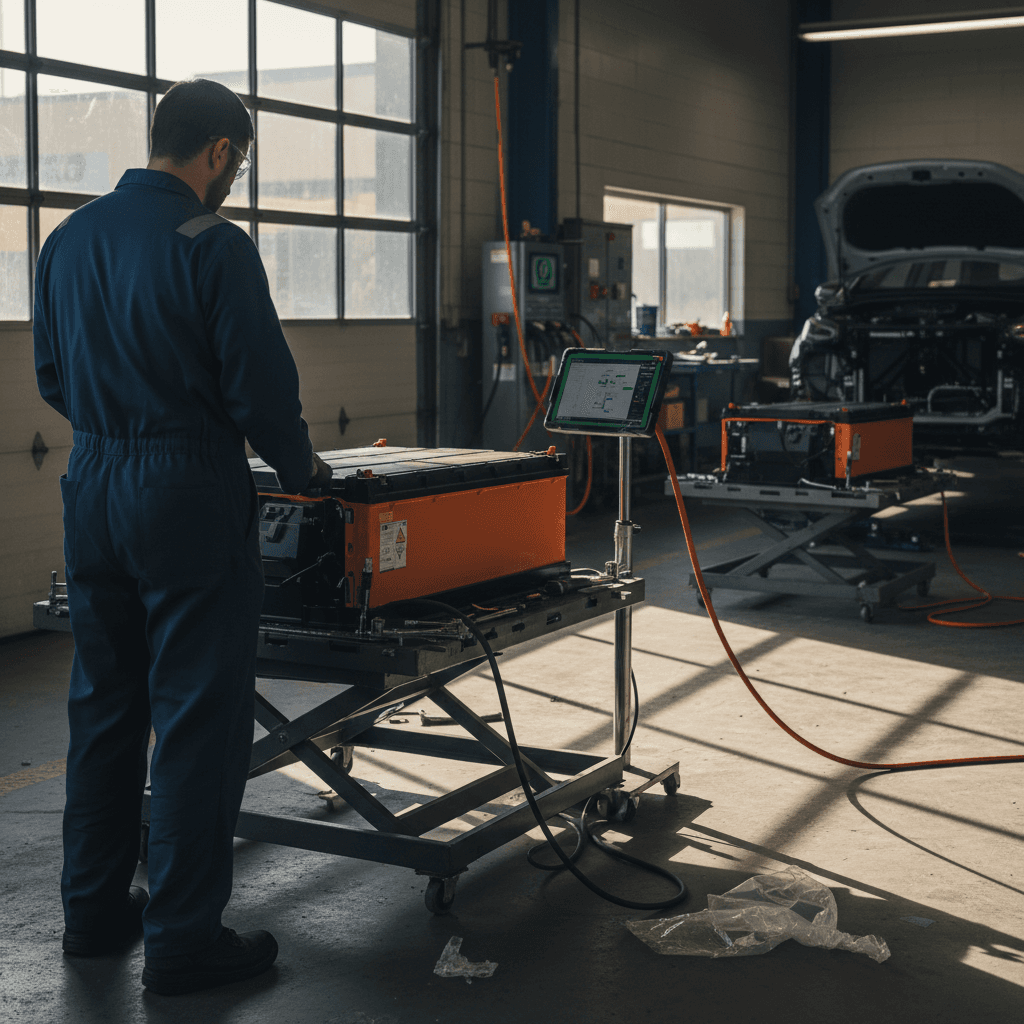
The high‑voltage pack is a structural element of the R1T’s skateboard chassis. Swapping it isn’t like changing a 12‑volt battery. The truck has to be carefully lifted, supported, disconnected from high‑voltage, and then re‑torqued to spec. That specialized labor alone can run $1,500–$3,000, depending on shop rates.
3. Truck duty cycle is hard on hardware
Electric pickups tow, haul, and quick‑charge more than most sedans. The R1T’s pack has serious thermal management, contactors, sensors, and protective structures designed to survive that abuse. All that hardware is bundled with the pack price when you replace it.
4. Young platform, limited aftermarket
Tesla packs benefit from a decade of salvage and third‑party expertise. Rivian is newer. As of 2025–2026, there are far fewer used or refurbished R1T packs floating around, which keeps prices higher and options narrower. Expect this to improve as the fleet ages.
Rivian R1T battery warranty: what’s actually covered
Rivian’s warranty team clearly understands that the battery is your anxiety point. For the R1T sold in the U.S., Rivian backs the high‑voltage pack with a separate Battery Pack Limited Warranty of 8 years or 175,000 miles, whichever comes first. That’s longer mileage coverage than many mass‑market EVs.
- Coverage applies to the high‑voltage battery pack enclosure and internal components.
- Rivian guarantees at least 70% capacity retention during the warranty period.
- Defects in materials or workmanship that affect the pack are covered, subject to normal warranty terms.
- External components that simply connect to the battery (cables, some hoses, brackets) fall under the general 5‑year/60,000‑mile comprehensive warranty.
Why the 70% capacity guarantee matters
In practice, that means most early R1Ts on the road today are still solidly inside their battery and drivetrain warranty. If you’re shopping used, a 2022 truck with 45,000 miles still has years of battery coverage left. For buyers who like to keep trucks a long time or rack up highway miles, that 175,000‑mile cap is one of the more generous battery warranties in the business.
How often do Rivian R1T batteries actually get replaced?
Here’s the part the internet rarely mentions: across modern EVs, full pack replacements are still uncommon. Industry‑wide data points to low single‑digit percentages of vehicles receiving a full pack over many years on the road, and most of those happen under warranty due to defects, not normal aging.
The R1T is a young truck, deliveries only started in 2021, so we’re still in the early innings of its lifecycle. We’ve seen isolated stories of Rivians needing pack work due to damage or rare failures, but there is no wave of mass R1T battery replacements. What’s more common are software updates, minor high‑voltage repairs, and the usual teething issues of a new brand.
What’s more likely than a full pack swap
7 factors that change your Rivian R1T battery bill
What really moves the needle on R1T battery cost
Same truck, very different bills depending on how, and where, you fix it.
1. Pack size & configuration
Standard, Large, and Max packs don’t all cost the same to replace. Bigger kWh numbers mean more cells, more materials, and higher shipping costs. Performance‑oriented variants may also have beefier cooling hardware packaged with the pack.
2. OEM vs. refurbished vs. used
A brand‑new Rivian pack from the factory will sit at the top of the price spectrum. A refurbished or used pack sourced from a salvage vehicle can shave thousands off the total, but availability is still limited compared with Tesla or legacy OEMs.
3. Service location & labor rate
EV specialists in major metros often have higher hourly rates but also more experience, which can keep labor hours reasonable. In lower‑cost regions, the hourly rate is lower but there may be fewer Rivian‑certified options.
4. Full pack vs partial repair
If diagnostics show a failed module or a bad contactor instead of a systemic pack issue, you may be paying for targeted repairs, not a complete pack drop. That’s still a big job, but nothing like a ground‑up replacement.
5. Collision or water damage
Physical damage from off‑roading, curbing, or flooding can force a pack replacement even if the cells are fine. In those cases, the bill often runs through insurance rather than out of your pocket.
6. Warranty status & goodwill
If you’re just outside Rivian’s 8‑year/175,000‑mile battery warranty, the company may choose to participate on a goodwill basis for major failures. That’s case‑by‑case, but worth asking before you assume MSRP on a new pack.
- Ambient climate (very hot or very cold regions can influence long‑term degradation).
- How often you fast‑charge vs. charge at home or work Level 2.
- Driving profile: heavy towing and aggressive driving stress the pack more than gentle commuting.
Don’t underestimate usage patterns
Full replacement vs repair: R1T battery options
Common R1T battery service scenarios
From “annoying warning light” to “we dropped the truck in a river,” here’s how fixes differ and what they usually mean for cost.
| Scenario | Typical fix | Rough cost tier | Notes |
|---|---|---|---|
| Isolated module or sensor fault | Replace modules/sensor, reseal, reprogram | $$ | Specialized work but may avoid a full pack swap. |
| Contactor or high‑voltage hardware failure | Replace contactor/high‑voltage component | $$–$$$ | More labor, but still cheaper than new pack. |
| Severe capacity loss within warranty | OEM pack repair or replacement under warranty | $ | Covered by Rivian’s battery warranty if criteria are met. |
| Out‑of‑warranty degradation below your comfort level | Refurbished or used pack swap | $$$–$$$$ | Total cost depends heavily on pack source and labor. |
| Collision or flood damage to pack enclosure | Complete pack replacement, often via insurance | $$$$ | Frequently an insurance‑driven total loss decision. |
These are illustrative scenarios, not quotes, always get written estimates for your specific VIN.
When a full pack replacement doesn’t make financial sense
Used Rivian R1T buyer checklist for battery health
If you’re hunting for a used R1T, battery replacement cost isn’t just a number, it’s a negotiating lever and a risk to manage. Here’s how to stack the odds in your favor.
Pre‑purchase battery due diligence for an R1T
1. Confirm in‑service date and mileage
Ask for documentation on when the truck was first delivered. Subtract that from Rivian’s 8‑year/175,000‑mile battery warranty to see how much coverage you have left. A three‑year‑old R1T with 40,000 miles still has a long runway.
2. Review charging and towing history
If possible, ask how often the truck was DC fast‑charged and how heavily it towed. A truck that mostly lived on home Level 2 might age more gracefully than one that quick‑charged daily with a boat behind it.
3. Look for warning lights and logs
On a test drive, watch for battery or high‑voltage warnings. Ask the seller for recent service records, especially if Rivian has already addressed any pack‑related issues under warranty.
4. Get objective battery health data
Whenever possible, rely on <strong>independent diagnostics</strong>, not just a seat‑of‑the‑pants range estimate. At Recharged, every vehicle gets a <strong>Recharged Score</strong> that includes verified battery health measurements so you’re not guessing.
5. Price in worst‑case risk
For older, out‑of‑warranty R1Ts, consider how a major pack issue would impact your budget. If a hypothetical five‑figure repair is a deal‑breaker, focus on trucks still inside Rivian’s battery warranty window, or buy through a seller that documents pack health clearly.
How Recharged simplifies the scary part
R1T battery cost vs other electric trucks
To make sense of R1T battery replacement cost, you have to compare apples to other very large, very heavy apples. Electric pickups and big SUVs are simply in a different league than compact EVs when it comes to battery economics.
Battery replacement cost: R1T vs other electric trucks (2025 ballpark)
Approximate parts + labor totals for full high‑voltage pack replacements once the original battery warranty has expired.
| Vehicle | Approx. pack size | Typical replacement cost | Comments |
|---|---|---|---|
| Rivian R1T | ~100–140 kWh | $15,000–$25,000+ | Right in line with other large electric pickups given its big battery. |
| Ford F‑150 Lightning | ~98–131 kWh | $15,000–$25,000+ | Similar pack sizes and truck‑grade hardware lead to similar bills. |
| Tesla Cybertruck | ~120+ kWh (est.) | $18,000–$25,000+ | Limited real‑world data so far; expect pricing near the top of the truck segment. |
| Luxury EV SUV (e.g., BMW iX) | ~90–110 kWh | $12,000–$20,000 | Large pack, but usually a bit smaller than the biggest pickups. |
| Compact EV (Leaf, Bolt, etc.) | 30–65 kWh | $5,000–$8,000 | Smaller packs, simpler installs, completely different universe from electric trucks. |
These ranges are directional, not quotes. Real‑world pricing depends on pack size, labor, and parts availability.
Don’t compare an R1T to a Leaf
How Recharged reduces your Rivian battery risk
Rivian is building undeniably compelling trucks, but they’re also complex, high‑voltage hardware experiments rolling down the highway at 70 mph. If you’re shopping used, you shouldn’t have to decode all of that on your own.
Why Recharged is a smart place to shop for a used R1T
Battery‑heavy trucks demand battery‑savvy sellers.
Transparent Recharged Score
Every vehicle on Recharged, including any Rivian R1T we list, comes with a Recharged Score Report that documents battery health, charging history indicators, and how that compares with typical vehicles of the same age and mileage.
Pricing that reflects pack reality
Because we factor verified pack health into pricing, you’re less likely to overpay for an R1T whose battery has had a harder life, or to undersell one that’s in excellent shape.
Nationwide EV‑savvy support
From financing to trade‑ins and nationwide delivery, Recharged is built around EV ownership. Our specialists can help you weigh a used R1T against other EVs if you’re deciding how much battery risk you’re comfortable taking on.
Rivian R1T battery replacement FAQs
Common questions about R1T battery cost and longevity
Bottom line: should battery cost scare you away from an R1T?
An R1T battery is expensive enough to focus the mind, there’s no getting around that. You’re dealing with a massive, high‑tech component that costs five figures to replace and underpins the entire truck’s value. But when you zoom out, the picture looks less like a horror story and more like any other modern, complex vehicle: big theoretical repair bills that most owners never see, buffered by long warranties and improving technology.
If you treat battery risk as something to manage, not a reason to panic, the Rivian R1T remains one of the most interesting electric vehicles on the market. Shop carefully, prioritize trucks with solid warranty runway and documented battery health, and consider buying through a platform like Recharged that bakes battery diagnostics and fair market pricing into every sale. Then you can enjoy the truck for what it is: an electric adventure machine, not just a rolling spreadsheet of worst‑case repair costs.