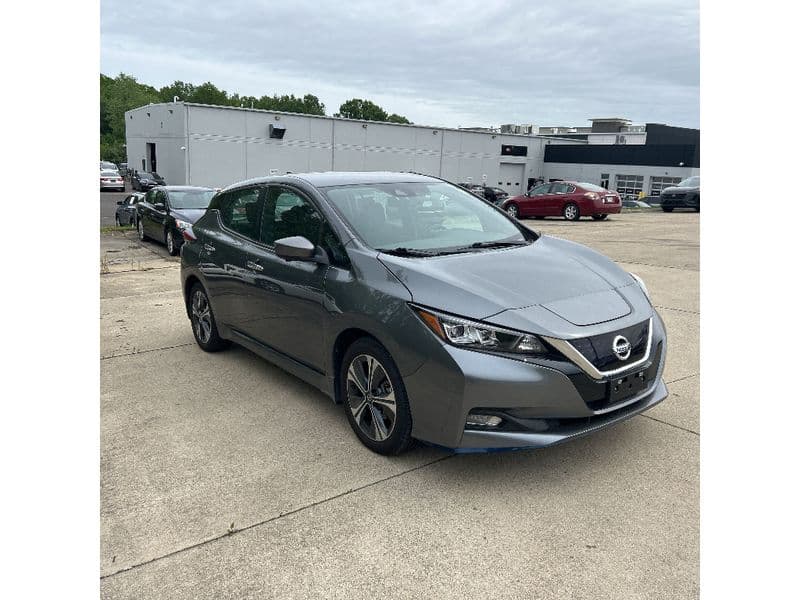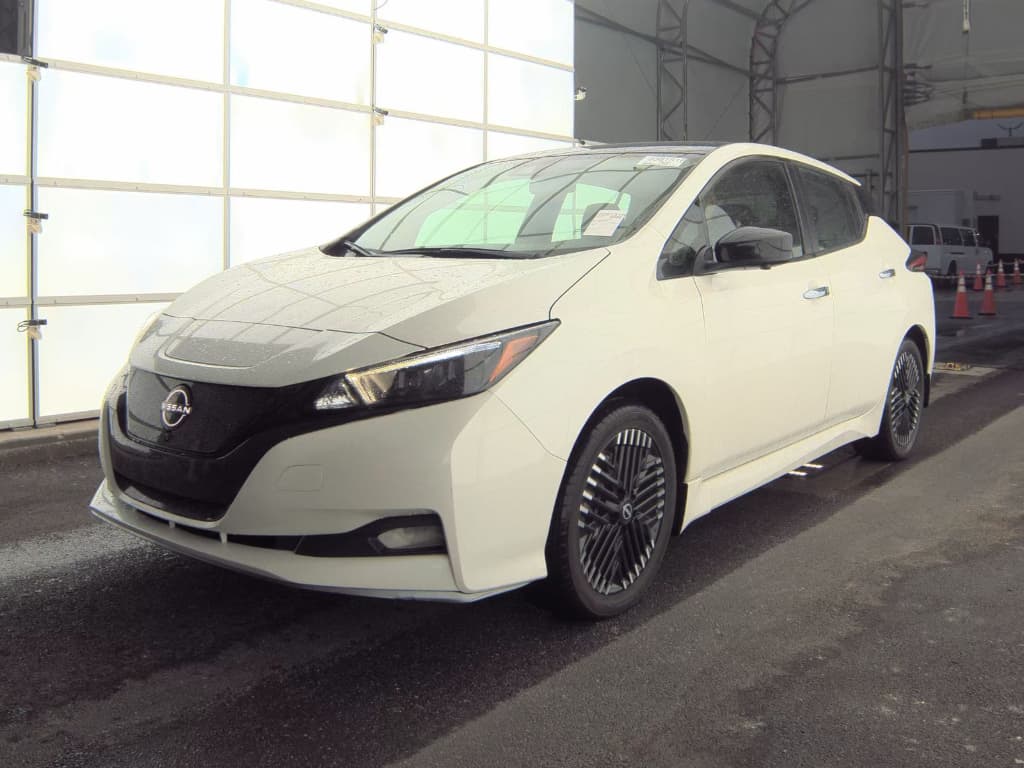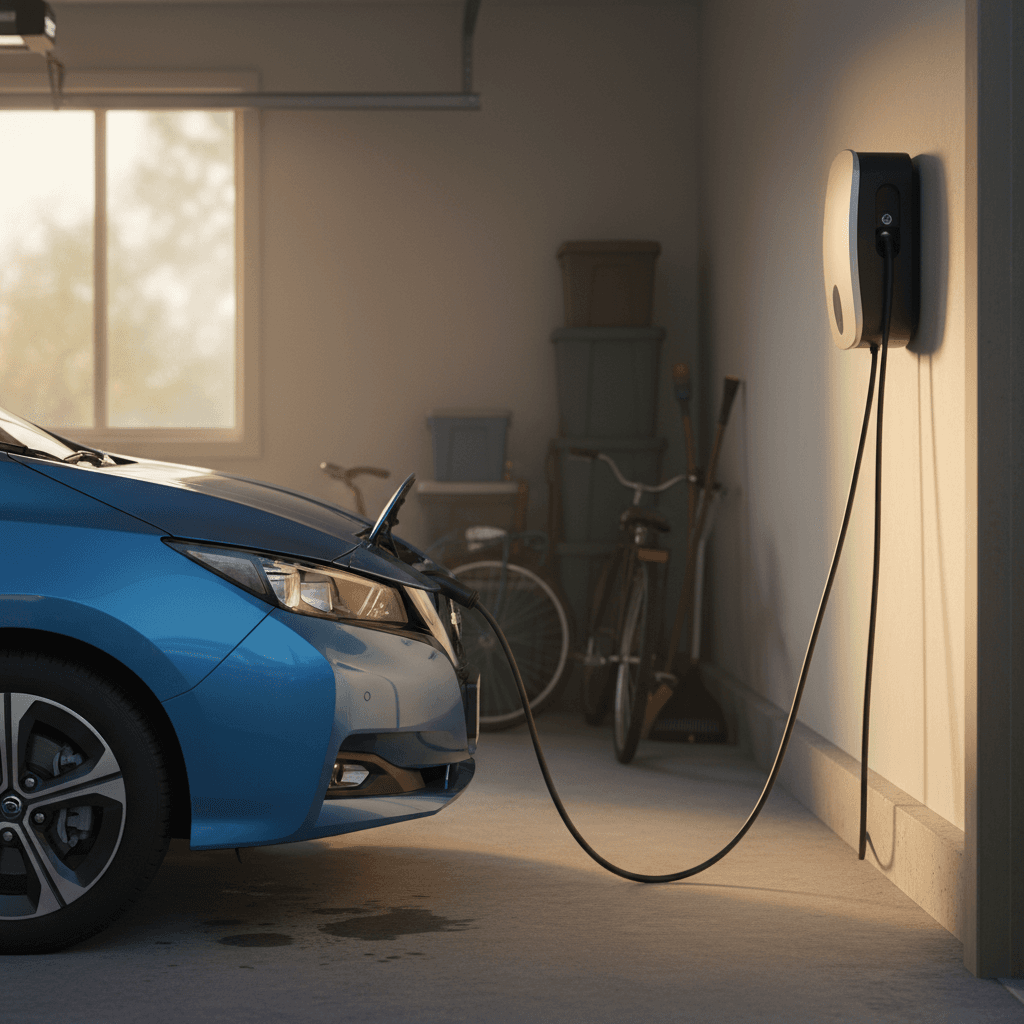
If you own (or are shopping for) a Nissan Leaf, a good home charger is the single biggest upgrade you can make to everyday usability. The **best home charger for a Nissan Leaf** isn’t necessarily the most powerful or expensive station, it’s the one that matches your Leaf’s onboard charger, your driving habits, and your home’s electrical system.
Quick answer
Why a home charger matters for your Nissan Leaf
Every Leaf ships with a portable Level 1 cord that plugs into a standard 120V outlet. It works, but slowly. You’ll see roughly **2–5 miles of range per hour**, which can mean *20–40 hours* for a near‑empty battery. That’s fine if you only drive a few miles a day, but it quickly becomes a headache if you commute, run lots of errands, or share the car.
- Level 1 (120V): simple, but painfully slow for most Leaf owners.
- Level 2 (240V): typically **4–6× faster**, turning an overnight plug‑in into a full charge for nearly any daily use.
- DC fast charging (CHAdeMO): great for road trips or emergency top‑ups, but not something you install at home.
When Level 1 is actually enough
How fast can a Nissan Leaf charge at home?
To pick the best home charger for a Nissan Leaf, you need to understand what the car can accept. All Leafs use **AC charging through the J1772 connector** in North America, with an onboard charger in the car that actually determines the maximum power it can take from a home station.
Typical Nissan Leaf home charging speeds
Approximate AC charging behavior for common U.S. Leaf configurations. Numbers are rounded to keep things practical.
| Leaf generation / trim | Onboard AC charger | Typical battery (usable kWh) | 120V Level 1 (mi/hr) | 240V Level 2 @ 3.3–3.6 kW | 240V Level 2 @ 6.6 kW |
|---|---|---|---|---|---|
| 2011–2015 early models | 3.3–3.6 kW | 24 kWh | ~3–4 | ~10–12 | Not supported (car limited) |
| 2013–2017 higher trims / some SV/SL | 6.6 kW | 24–30 kWh | ~3–4 | ~10–12 | ~18–22 |
| 2018–2022 Leaf (40 kWh) | 6.6 kW | ~37–39 kWh usable | ~3–4 | ~10–12 | ~18–22 |
| 2019–2024 Leaf Plus (62 kWh) | 6.6 kW | ~56–59 kWh usable | ~3–4 | ~10–12 | ~18–22 |
Real‑world charging times vary with temperature, battery state of charge, and line voltage, but this table gives a solid planning baseline.
Don’t overspend on charger power
What size home charger does a Nissan Leaf really need?
Because the Leaf’s onboard AC charger is the bottleneck, the key decision is matching **amp rating** to your car and panel capacity. Here are the most common sizes you’ll see advertised for home Level 2 chargers in the U.S.
Common home charger sizes and what they mean for a Leaf
Think in amps and circuit size, not marketing labels.
24–30A (16–24A output)
Usually compact or portable units that draw **16–24A at 240V**.
- Good fit for older Leafs with 3.3 kW chargers.
- Slower but still much better than Level 1.
- Works on smaller circuits (20–30A).
32A (our top Leaf pick)
Delivers about **7.7 kW max**, though the Leaf caps at ~6.6 kW.
- Needs a 40A, 240V circuit.
- Maxes out charging speed on modern Leafs.
- Sweet spot of cost, speed, and future‑proofing.
40–48A (high‑power units)
Advertised as 9.6–11.5 kW chargers.
- No faster on a Leaf than a 32A unit.
- Require 50–60A circuits and heavier wiring.
- Only worth it if your next EV can use the power.
Best all‑around size for most Leaf drivers
Best home charger features for Nissan Leaf owners
Once you’ve settled on power level, the "best" charger for a Nissan Leaf comes down to features and daily usability. Here’s what actually matters, and what’s mostly marketing.
Must‑have vs. nice‑to‑have features
Focus on safety and reliability first, smart bells and whistles second.
Must‑have features
- UL or ETL safety listing (or equivalent NRTL mark).
- Dedicated J1772 connector with a solid, weather‑sealed holster.
- Adjustable current so an electrician can dial it back for a smaller circuit if needed.
- Outdoor‑rated enclosure (NEMA 3R or better) if it’s going outside.
- At least 3‑year warranty from a reputable brand.
Nice‑to‑have features
- Wi‑Fi or Bluetooth app with scheduling and usage data.
- Utility or solar integration to sync with time‑of‑use rates.
- Load sharing if you plan to add a second EV later.
- Longer cable (23–25 ft) for flexible parking.
- Plug‑in vs. hardwired for easier relocation if you move.
Use the Leaf’s built‑in timer too
Top home charger types for Nissan Leaf
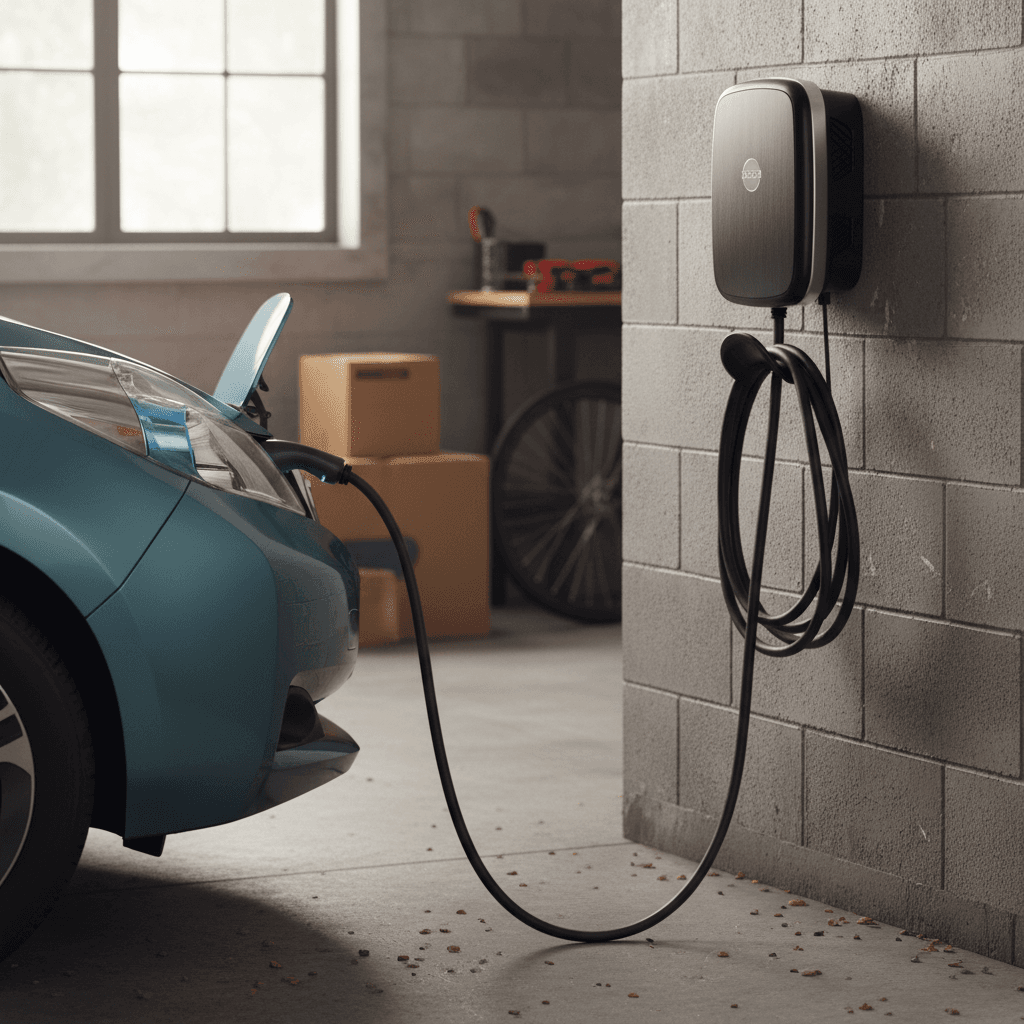
Because Recharged is independent of any charger brand, we’ll focus on **types** of chargers that work especially well for the Nissan Leaf, rather than just naming one "best" model. Most major U.S. Level 2 chargers that use a J1772 connector will work with your Leaf; the key is matching design to how you live.
Home charger styles that work well with a Leaf
1. Wall‑mounted 32A smart charger
The go‑to choice for most Leaf drivers. Mounted in your garage or on an exterior wall, hardwired or plug‑in on a 40‑amp circuit. Offers full Leaf charging speed with app control and scheduling.
2. Plug‑in 30–32A charger on a NEMA 14‑50 or 6‑50
Great if you rent or expect to move. The electrician installs a 240V receptacle, and the charger plugs in like a large appliance. You can take it with you when you change homes.
3. Compact portable Level 2 EVSE
These look like beefed‑up versions of the Leaf’s included cord and can run on either 120V or 240V outlets. Handy if you regularly stay at places with accessible dryer or RV outlets.
4. Lower‑amp charger for panel‑constrained homes
If your electrical panel can’t easily support a 40‑amp new circuit, a 16–24A Level 2 charger is still a massive upgrade over Level 1. Many Leafs will fully recharge overnight even at these lower currents.
Avoid bargain‑bin no‑name units
Electrical and installation basics for Leaf home charging
The "best" Nissan Leaf home charger won’t help much if your electrical setup is wrong. For most U.S. homes, you’ll be adding a new **240V circuit** from your main panel to wherever you park. Here’s what goes into that decision.
Choosing circuit size
- Charger output is limited to **80% of breaker rating** by code (the 80% rule).
- 32A charger → 40A breaker and wiring.
- 40A charger → 50A breaker and wiring.
- 48A charger → 60A breaker and wiring.
- If you’re tight on panel capacity, a 24–30A charger on a 30–40A circuit may be easiest.
Panel capacity and permits
- Have a licensed electrician check that your panel can handle the new load.
- In many U.S. cities, **permits are required** for a new 240V EV circuit.
- Some utilities offer rebates but require approved chargers and proof of permit.
- Ask about future upgrades (second EV, heat pump, etc.) before deciding on circuit size.
Don’t DIY beyond your comfort zone
Home charging realities for Leaf owners
Smart charging, battery health, and cost savings
A good home charger can also help you **protect your Leaf’s battery** and lower your monthly costs. Battery‑electric cars hate heat and sustained 100% state of charge, so "fill it whenever possible" is not the ideal long‑term strategy.
- Use **scheduled charging** to finish shortly before you leave in the morning instead of sitting at 100% all night.
- On most days, consider stopping around **80–90%** for routine use, reserving 100% charges for longer trips.
- If your utility offers **time‑of‑use (TOU) rates**, set your charger or car to start during off‑peak hours.
- Avoid making DC fast charging your primary fuel source; use your home Level 2 for the bulk of charging instead.
Tie this into used Leaf shopping
Used Nissan Leaf owners: what to check before you buy a charger
Many Leafs on the road today are used vehicles, and earlier models can have slightly different charging hardware. Before you order a home station, confirm a few basics so you don’t over‑ or under‑buy.
Pre‑charger checklist for a used Leaf
1. Confirm onboard charger rating
Check the window sticker, owner’s manual, or a trusted specs source to see whether your Leaf has the **3.3/3.6 kW** or **6.6 kW** onboard AC charger. If it’s the lower‑power version and you rarely drive far, a smaller, less expensive home charger may be perfectly adequate.
2. Inspect the charge ports
All Leafs sold in North America use **J1772 for AC** and **CHAdeMO for DC fast charging**. Make sure the J1772 port is clean, undamaged, and latches firmly; corrosion or damage can cause unreliable charging even with a good home station.
3. Check existing charging habits
If the previous owner relied heavily on DC fast charging, the battery may show more degradation. That makes a **reliable home Level 2** even more important so you can slow down the wear with gentler daily charging.
4. Evaluate your daily range needs
If your used Leaf has some battery fade, your **usable daily range** may be lower than the brochure number. A properly sized Level 2 charger lets you comfortably top up every night instead of worrying about stretching one charge across several days.
5. Consider your next EV too
If you’re buying a used Leaf as a first EV, think about what you might drive next. Spending a bit more on a reputable 32–40A charger today can keep your home "EV‑ready" for that future upgrade, even if the Leaf itself can’t use all the power.
6. Let Recharged help with the homework
If you’re shopping for a Leaf on <a href="/">Recharged</a>, our EV specialists can walk you through **battery health, charging history, and home‑charging options** before you commit, so you’re not guessing about real‑world range or charger needs.
Frequently asked questions: Nissan Leaf home chargers
Nissan Leaf home charging FAQ
Bottom line: choosing the best home charger for your Nissan Leaf
The best home charger for a Nissan Leaf isn’t about chasing the highest kW number; it’s about **matching the car, your driving pattern, and your home’s wiring**. For most owners, a **32‑amp J1772 Level 2 charger on a professionally installed 40‑amp circuit** is the ideal balance of speed, cost, and future‑proofing. It fills a Leaf battery overnight, dramatically improves day‑to‑day convenience, and gives you the confidence to use more of the car’s range without worrying about how long it will take to recover.
If you’re shopping for a used Leaf, or any used EV, on Recharged, you’ll get a **Recharged Score battery health report**, transparent pricing, and expert guidance on **home charging options** before you ever sign paperwork. Pair the right car with the right charger, and owning an electric vehicle becomes as simple as parking, plugging in, and waking up to the range you need every morning.