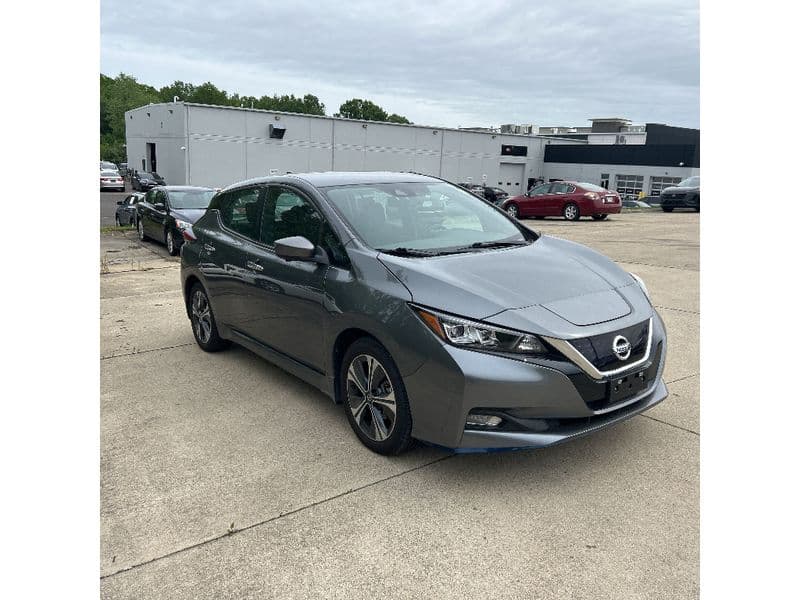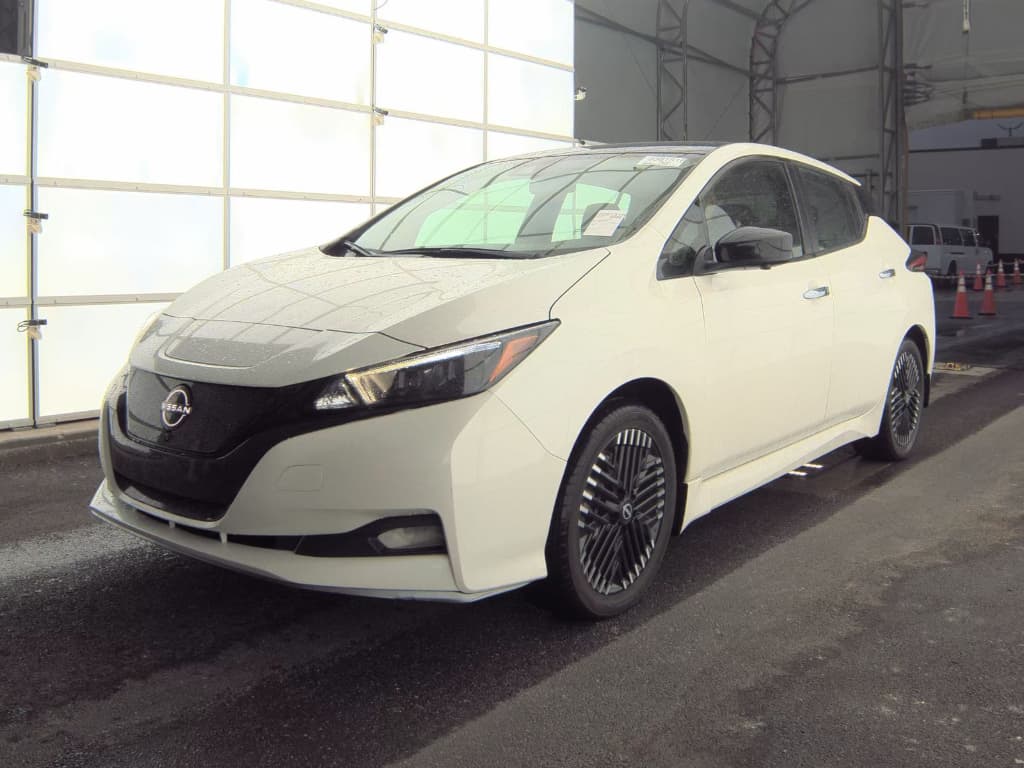
If you own or are shopping for a Nissan Leaf, the single biggest long‑term question is the battery. Understanding Nissan Leaf battery warranty replacement, what’s covered, when you qualify for a free pack, and what happens when the warranty ends, can easily be the difference between a great EV deal and a very expensive surprise.
Why this matters
How the Nissan Leaf battery warranty actually works
Nissan’s traction battery warranty has evolved over time, but for U.S. buyers it boils down to two separate promises on most Leafs sold from 2013 onward: a defect warranty and a capacity (degradation) warranty. They overlap in time and mileage, but they cover different things.
Typical U.S. Nissan Leaf battery warranty terms by model year
Always confirm exact terms in your own warranty booklet or window sticker, but this table reflects the common U.S. pattern.
| Model years | Battery defect warranty | Capacity / degradation warranty | Capacity threshold |
|---|---|---|---|
| 2011–2012 | 8 years / 100,000 miles* | Limited or none on early builds | Varies; some markets had no bar guarantee |
| 2013–2017 | 8 years / 100,000 miles | 5 years / 60,000 miles | Below 9 of 12 capacity bars |
| 2018–2025 (40 kWh) | 8 years / 100,000 miles | 8 years / 100,000 miles | Below 9 of 12 capacity bars |
| Leaf Plus 2019–2025 (60–62 kWh) | 8 years / 100,000 miles | 8 years / 100,000 miles | Below 9 of 12 capacity bars |
All years are from original in‑service date and usually transfer to subsequent owners.
Check your individual car
- 8 years / 100,000 miles against battery defects that cause failure or abnormal operation.
- 5 years / 60,000 miles of capacity coverage on many 2013–2017 cars, extended to 8 years / 100,000 miles on most 40 kWh and Plus models for capacity loss below Nissan’s bar threshold.
Degradation vs. defects: what Nissan will and won’t cover
1. Defect (materials & workmanship)
This is classic warranty coverage. If your Leaf’s battery has a manufacturing defect, like an internal short, a failed contactor, or a module that outright dies, Nissan’s 8‑year/100,000‑mile defect warranty is meant to step in.
- Pack won’t charge or the car won’t go into Ready mode.
- Diagnostic codes pointing to specific module failure.
- Recall‑related fixes (for example, software updates to manage rare fire risks).
2. Degradation (loss of capacity)
EV batteries naturally lose some range over time. Nissan’s capacity warranty doesn’t promise you a brand‑new pack at the first sign of loss; it only kicks in if the dashboard capacity gauge drops below 9 of 12 bars within the warranty period.
- Gradual range loss over years may be considered “normal.”
- No coverage if you still have 9+ bars, even if range feels short.
- Coverage typically ends after 8 years or 100,000 miles, whichever comes first.
What’s usually not covered
When does a Leaf qualify for a free battery replacement?
Nissan’s capacity warranty is actually pretty strict. To qualify for a no‑cost battery replacement (or sometimes a repair or module swap, depending on Nissan’s policy at the time), your Leaf usually has to meet all of these conditions:
- Battery capacity gauge shows 8 bars or fewer (i.e., it has lost 4 or more of the original 12 capacity bars).
- The car is still within the time and mileage cap for capacity coverage, on many recent Leafs, 8 years / 100,000 miles from the original in‑service date.
- Diagnostic tests at a Nissan dealer confirm the loss is not due to excluded abuse or damage (collision, flooding, unauthorized modifications, etc.).
- Any open recalls or software campaigns have been performed, Nissan will usually require the latest updates first.
How to check your capacity bars
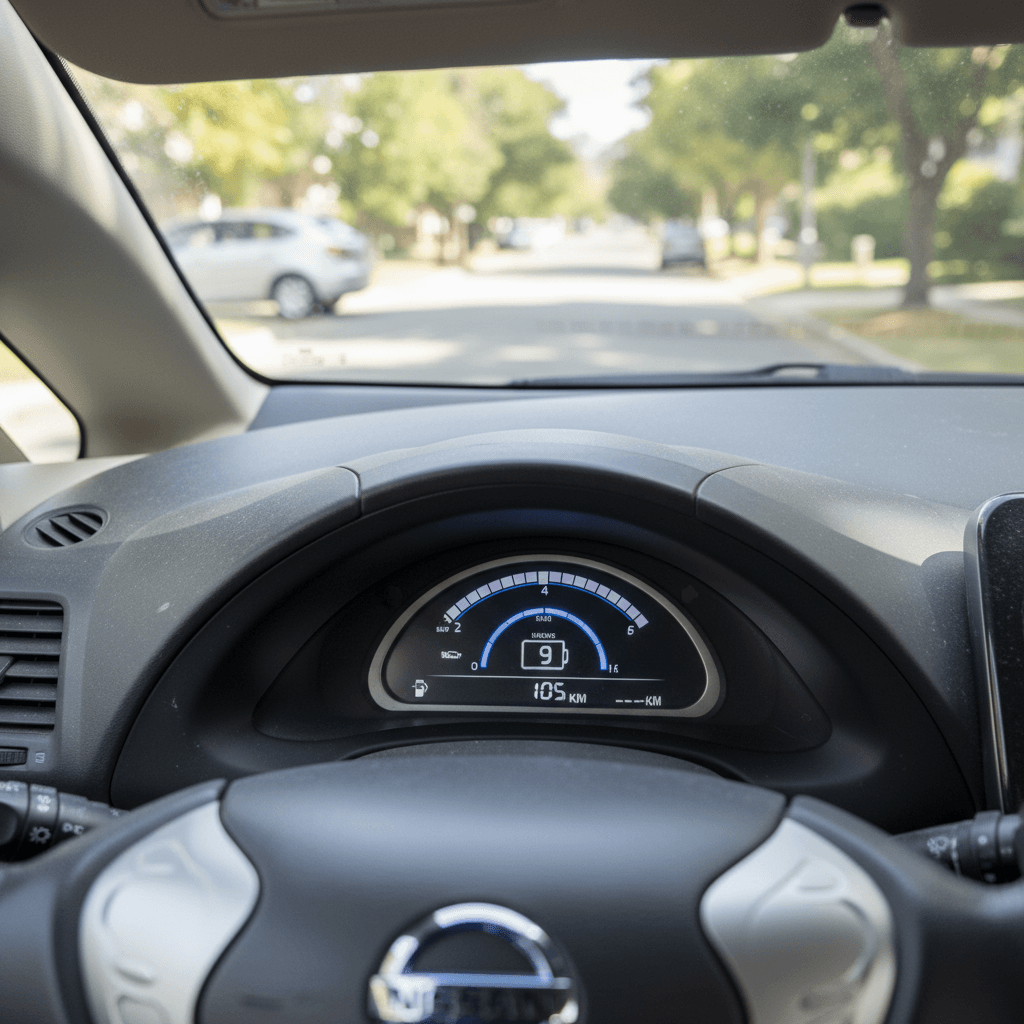
If you’re at 9 or more bars, Nissan usually considers the battery to be within spec, even if your real‑world range feels marginal. That’s why many owners in hot climates pushed hard for better capacity coverage after early Leaf packs degraded faster than expected.
Battery replacement costs once your warranty expires
Once you’re outside the warranty window, or you’ve lost range but stayed above Nissan’s 9‑bar threshold, you’re in out‑of‑pocket territory. This is where the economics of Leaf ownership get more nuanced, especially on older, lower‑value cars.
Real‑world Nissan Leaf battery replacement numbers
- Older 24–30 kWh packs are often sourced used or refurbished; parts can run roughly $3,000–$5,000, with installed costs sometimes in the $6,000–$10,000 range depending on scarcity and labor.
- New 40–62 kWh packs from Nissan or third‑party specialists frequently land in the $8,000–$12,000 installed band in 2025–2026, especially if you’re upgrading an older Leaf to a larger pack.
- Independent EV shops may offer better pricing or higher‑capacity aftermarket packs, while dealer quotes can be higher but include OEM parts and standardized procedures.
The value vs. repair dilemma
Repair, replace, or upgrade? How to decide
Your main options when a Leaf battery is tired
Each path has a different cost profile and risk level.
1. Squeeze more life out of it
If you’re just starting to feel the pinch of reduced range, you may not need a new pack yet.
- Prioritize Level 2 charging at home so you always start full.
- Avoid frequent DC fast charging in hot weather.
- Slow down on the highway; speed is range.
Good if you only need a short‑range commuter and want to defer big expenses.
2. Replace with similar pack
Replacing like‑for‑like, say a worn 24 kWh pack with another 24 or 30 kWh unit, can be the lowest upfront cost, especially with used or refurbished packs.
Best when the car is otherwise in great shape and you’re confident you’ll keep it for several more years.
3. Upgrade to larger capacity
Specialist shops now offer 40, 50, or even 62 kWh upgrades for earlier Leafs.
- Dramatically more range and better chemistry.
- Higher resale value if documented properly.
- Upfront cost can exceed the market value of the base car.
At that point you’re effectively paying for a much newer EV experience using an older shell.
When replacement makes sense
Used Nissan Leaf warranty & battery health checklist
Shopping used is where Leaf battery complexity really matters. Early Leafs in hot climates degraded quickly, while later 40 kWh and Plus models have held up far better. A quick visual of the capacity bars isn’t enough if you’re about to write a check.
7 key steps before you buy a used Leaf
1. Decode the model year & pack size
Confirm whether the car has a 24, 30, 40, 60, or 62 kWh pack. The VIN, build date sticker, and window sticker (if available) help; you can also cross‑check trim and year against published Leaf battery charts.
2. Verify in‑service date and mileage
Warranty clocks start when the car was first sold, not when it was built. Ask for the original purchase date or have a Nissan dealer look it up by VIN to see how much of the 8‑year/100,000‑mile window is left.
3. Count capacity bars correctly
With the car fully charged, check the 12‑bar capacity gauge. A 10–12‑bar car usually has healthy capacity; 9 bars is borderline; 8 or fewer indicates significant degradation and potential warranty claims (if still within coverage).
4. Get a proper diagnostic report
Apps like LeafSpy plus a compatible OBD dongle can read State of Health (SOH) and cell balance. Even better, ask for a printout from a dealer or an EV specialist. This puts real numbers behind the bars.
5. Ask about fast‑charging history
Frequent DC fast charging, especially in hot regions and with earlier pack chemistries, tends to accelerate degradation. A predominantly home‑charged Leaf with fewer fast‑charge sessions is usually a safer bet.
6. Check for battery recalls & software updates
Recent recalls on certain Leaf model years have addressed rare but serious battery issues. Confirm that all open campaigns are complete; it’s a good proxy for how carefully the previous owner maintained the car.
7. Price the car against potential replacement
If a Leaf is cheap because the battery is weak, factor in the realistic cost of a pack replacement or upgrade. In some cases it’s smarter to pay more upfront for a car with a strong pack than to gamble on a bargain with 7–8 bars.
How Recharged evaluates Leaf battery health
Because the Leaf’s value is so tightly linked to its pack, Recharged bakes battery health directly into how we buy, price, and sell used Leafs. Every Leaf we list comes with a Recharged Score Report that goes well beyond a quick glance at the dash.
What you get with a Leaf from Recharged
Transparent battery data and expert support, start to finish.
Verified battery diagnostics
We use professional diagnostic tools, comparable to LeafSpy and dealer equipment, to read pack State of Health, cell balance, temperature sensors, charge history indicators, and error codes.
The results feed into each car’s Recharged Score so you can compare Leafs on battery health, not just mileage and photos.
Transparent pricing & support
Because we know exactly how strong (or tired) a pack is, we price Leafs accordingly and explain what that means for your real‑world range.
- Clear range expectations for your climate and commute.
- Guidance on whether extended ownership or a future upgrade makes sense.
- Financing and trade‑in options so you can move out of a weak‑battery car and into something healthier with less hassle.
Ready to find your next EV?
Browse VehiclesLeverage your current EV or gas car
FAQ: Nissan Leaf battery warranty & replacement
Frequently asked questions
The bottom line for Leaf owners and shoppers
The Nissan Leaf proves that EV longevity is mostly about the pack. A strong battery with years of warranty remaining can make a Leaf one of the most affordable ways to drive electric; a weak pack with no coverage can turn even a cheap car into a money pit. If you understand how Nissan’s battery warranty and replacement really work, and you insist on clear, data‑backed battery health when you shop, you can tilt the odds heavily in your favor.
If you’re considering a used Leaf or looking to move out of one with a tired battery, Recharged is built for exactly that moment. Our Recharged Score battery health diagnostics, fair‑market pricing, financing, trade‑in options, and EV‑specialist support are all designed to make your next EV decision simpler and more transparent, whether that’s a well‑sorted Leaf or another electric model that better fits your range needs.