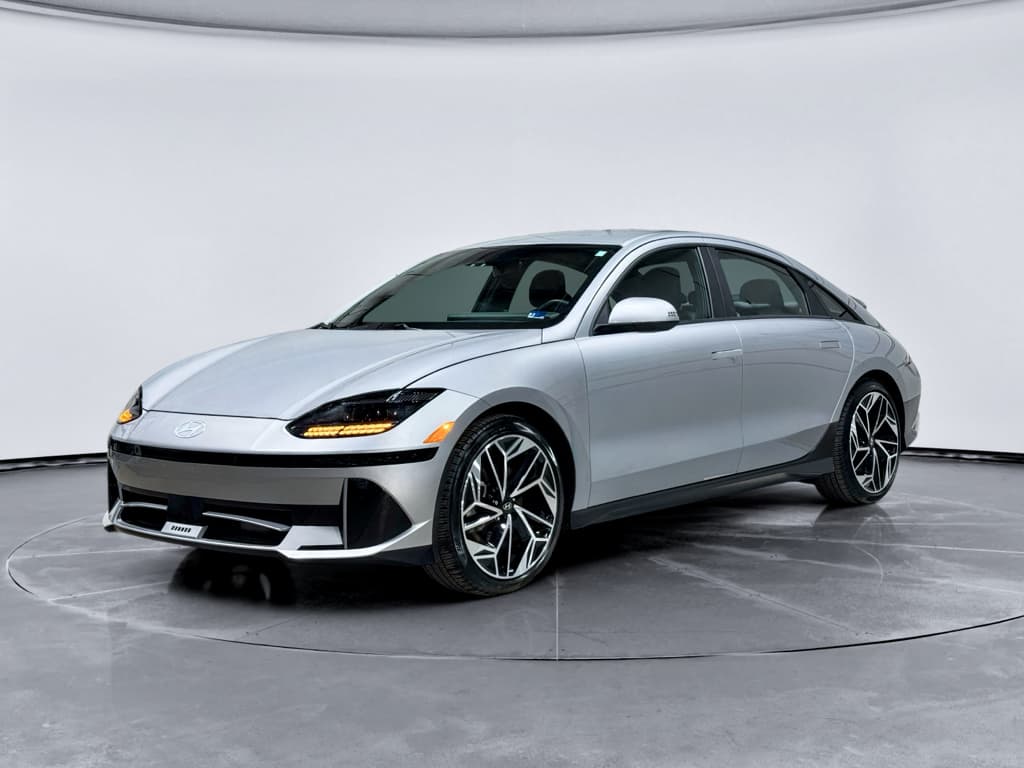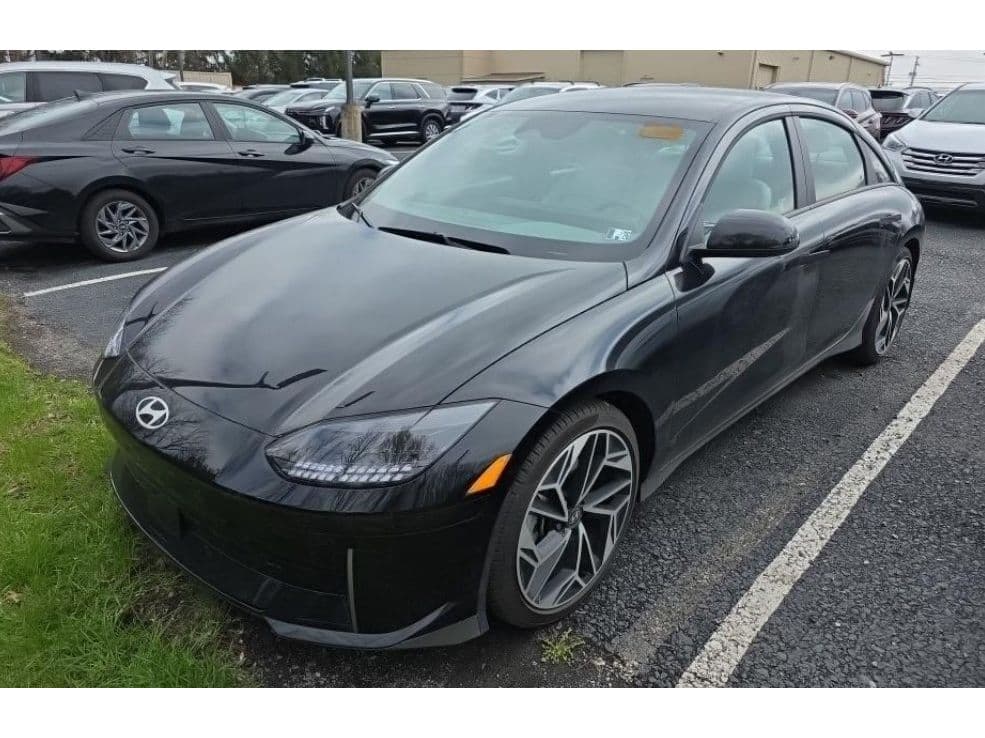
You’re not wrong to obsess over the battery. When people Google “Hyundai Ioniq 6 battery lifespan how long”, what they’re really asking is: “Will this sleek electric streamliner still have useful range in 8–12 years, or am I buying a very pretty smartphone on wheels?” Let’s answer that with real numbers, not vague promises.
Key takeaway up front
Hyundai Ioniq 6 battery lifespan: the short answer
Hyundai Ioniq 6 battery life at a glance
Putting it in plain English: if you buy an Ioniq 6 new today and drive something like 12,000–15,000 miles per year, you should expect the battery to remain healthy and useful for at least a decade, and very likely well beyond that. You’ll see some range loss, maybe 5–10% in the first few years, then a slower fade, but under normal conditions the pack is engineered to outlast the finance contract, and probably your attention span.
Rule of thumb
Hyundai Ioniq 6 battery basics: packs, range and chemistry
Before we talk about lifespan, it helps to know what you’re actually driving around with. The Hyundai Ioniq 6 uses a liquid‑cooled lithium‑ion battery pack built on Hyundai’s E‑GMP platform. In North America you’ll typically see two pack sizes:
- A smaller ~53 kWh pack (Standard Range) on some RWD trims
- A larger ~77.4 kWh pack (Long Range) available in RWD and AWD, with around 74–75 kWh usable in many tests
EPA‑rated range runs roughly from the mid‑200s to the low‑360s miles depending on wheel size, drivetrain and pack, with the long‑range rear‑drive car being the hero number. All of these packs use modern, high‑energy cells and conservative thermal management, exactly the things that slow down degradation.
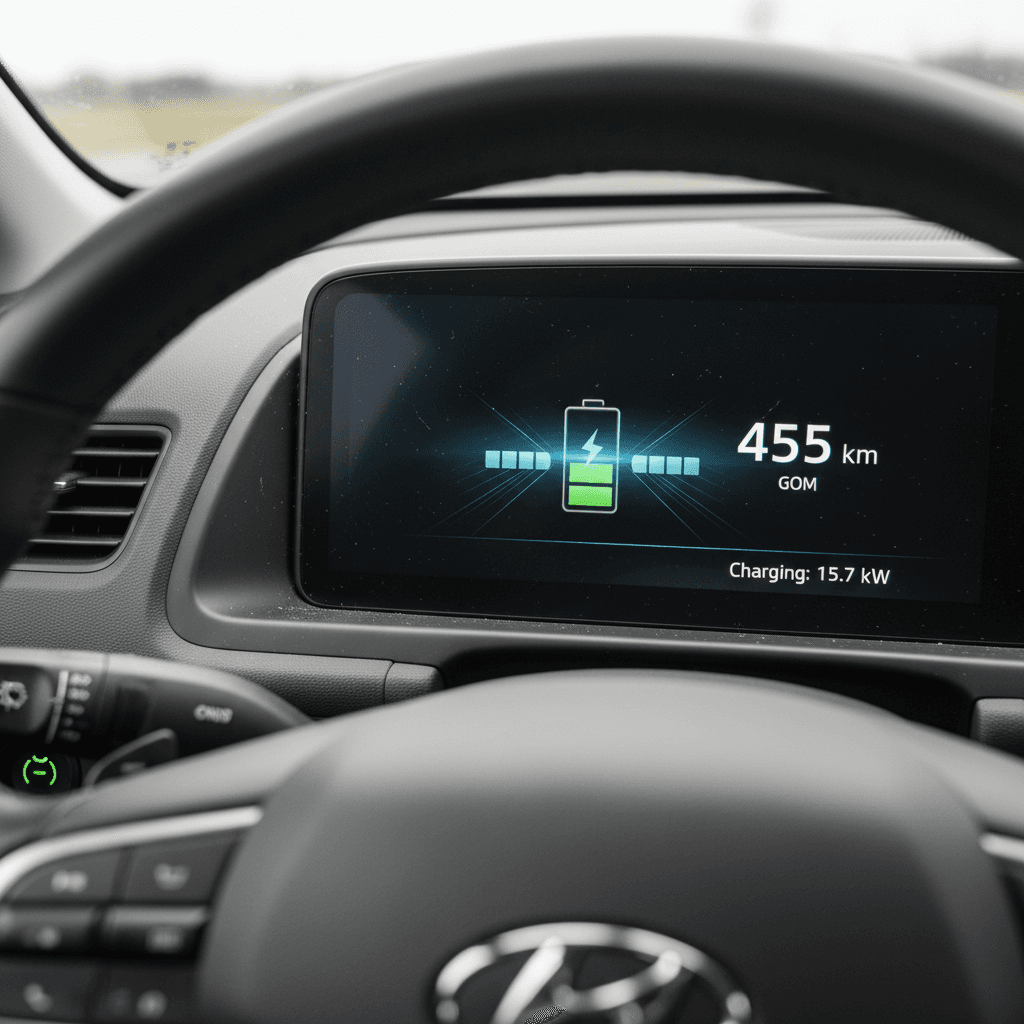
How long do EV batteries last in general?
The anxiety is understandable. We’ve all had smartphones that went from all‑day to “where’s my charger?” in two years. EV packs, thankfully, are not built like that, and the latest data is almost boringly reassuring.
What current data says about EV battery life
Modern packs are aging far better than the early doom‑and‑gloom predictions.
Slow average fade
Large fleet studies of thousands of EVs show roughly 1.5–2% capacity loss per year in typical use, with some models doing even better.
Long useful life
Many EVs are now projected to deliver 15–20 years of useful service before the battery becomes the limiting factor, similar to or better than gas cars.
Big warranty buffers
Automakers commonly guarantee around 70% battery capacity for 8–10 years of use, which already bakes in a conservative aging curve.
The headline: EV batteries are generally outlasting the car, not the other way around. The Ioniq 6 is benefitting from this second‑ or third‑generation learning curve, Hyundai had years of Ioniq and Kona EV data before signing off on this pack.
Real-world Hyundai Ioniq 6 battery degradation so far
The Ioniq 6 is still a relatively young model, which means most cars on the road today are between 1 and 3 years old. That’s early days in battery‑life terms, but it’s enough to sketch the curve.
Years 0–3: the “break‑in” drop
Almost every EV shows a small step down in usable capacity in the first 10,000–30,000 miles as the pack settles. For the Ioniq 6, many owners report seeing something like 0–5% loss in those early years, often without any noticeable change in everyday range.
Think of this as the battery going from “lab fresh” to “normal working state,” not as the beginning of a death spiral.
Years 3+ : the slow fade
After that early settling, degradation usually transitions to a slow, mostly linear fade, on the order of 1–2% per year in typical use. On a long‑range Ioniq 6 that started around 360 miles EPA, it’s entirely reasonable to expect something like 320–330 miles of real‑world range still on tap well into middle age.
The actual numbers will vary with climate and use, but the shape of the curve is what matters: fast‑then‑slow, not fast‑forever.
Cold‑weather caveat
Hyundai Ioniq 6 battery warranty: what it really covers
Hyundai quietly offers one of the stronger EV warranties in the business. In the U.S., the Ioniq 6’s high‑voltage battery is covered for 10 years or 100,000 miles, whichever comes first, against defects and excessive loss of capacity.
Hyundai Ioniq 6 battery warranty snapshot (U.S.)
Always check your specific model year and market, but this is the general shape of the coverage.
| Item | Coverage | What it means for you |
|---|---|---|
| High‑voltage battery | 10 years / 100,000 miles | Protection against manufacturing defects and abnormal capacity loss over a long window. |
| EV system components | 10 years / 100,000 miles | Covers major electric‑drive hardware beyond just the cells. |
| Bumper‑to‑bumper warranty | 5 years / 60,000 miles | General vehicle coverage; separate from battery warranty. |
| Corrosion/perforation | 7 years / unlimited miles (typical Hyundai) | Body rust, not battery, but helps overall long‑term value. |
For used‑car shoppers, a younger Ioniq 6 may still have years of factory battery coverage remaining.
Capacity thresholds matter
5 habits that quietly shorten Ioniq 6 battery life
EV batteries don’t usually die in a blaze of glory; they’re eroded by a thousand little indignities. The Ioniq 6’s pack is robust, but it’s not a superhero. A few patterns are especially hard on long‑term health.
- Frequently fast‑charging from very low state‑of‑charge (0–10%) up to 100%. That’s maximum current plus maximum voltage swing, hard work for any chemistry.
- Parking for days on end at very high state‑of‑charge (95–100%), especially in hot weather. Heat plus high voltage is the battery equivalent of chain‑smoking.
- Regularly arriving home with the pack nearly empty after high‑speed freeway runs. Repeated deep discharges at high load accelerate wear.
- Living its whole life in extreme heat without a garage, think desert climate, dark paint, black interior, street‑parked. The thermal system helps, but environment still matters.
- Ignoring software updates or battery‑care features that Hyundai ships later. Automakers are increasingly tuning charging curves and thermal management via OTA updates.
What “abuse” looks like on paper
How to extend your Hyundai Ioniq 6 battery lifespan
Everyday habits that protect your Ioniq 6 battery
1. Live in the 20–80% comfort zone
For daily driving, try to keep your state‑of‑charge between roughly 20% and 80%. Use 100% only when you actually need the full range for a trip.
2. Favor AC charging at home
Rely on Level 2 AC charging for most energy, and save DC fast‑charging for road trips or genuine emergencies. Slower, cooler charging is easier on the cells.
3. Don’t panic‑drain the pack
Avoid routinely driving down to nearly 0%. Once in a while won’t hurt, but regular deep discharges add stress. Aim to arrive home with 10–20% on the gauge.
4. Mind the heat
Whenever possible, park in shade or a garage, especially in hot climates. A cooler pack ages more gracefully, even with modern thermal management.
5. Use scheduled charging
If your utility offers cheaper off‑peak power, schedule charging to finish shortly before you drive. That reduces time spent sitting at higher state‑of‑charge and cuts your electricity bill.
6. Stay current on software updates
Software updates can improve battery management, charging curves and range predictions. Keeping your Ioniq 6 up to date is a low‑effort way to protect performance.
Good news for road‑trippers
Used Hyundai Ioniq 6? Battery health checklist
If you’re shopping a used Ioniq 6, you’re in the sweet spot: the car is new enough that most examples should be extremely healthy, but old enough that depreciation has done its thing. The question isn’t “Is the battery dying?” so much as “How much life does this specific car have, and how was it treated?”
Quick battery‑health checklist for a used Ioniq 6
1. Check remaining factory battery warranty
Look at the in‑service date and mileage. A 3‑year‑old Ioniq 6 with 40,000 miles likely still has many years of 10‑year/100,000‑mile battery coverage left.
2. Ask about charging behavior
Politely probe how the previous owner charged: mostly home Level 2 at moderate states‑of‑charge is ideal; a life on highway fast‑chargers is not.
3. Compare displayed range to spec
Fully charge the car (ideally on a mild‑temperature day) and compare the projected range at 100% to the original EPA rating for that trim. A modest gap, say 5–10%, is completely normal.
4. Look for warning lights or charging quirks
The Ioniq 6 should charge consistently and without complaint. Repeated charging failures, sudden power‑limit messages, or mysterious range swings deserve closer inspection.
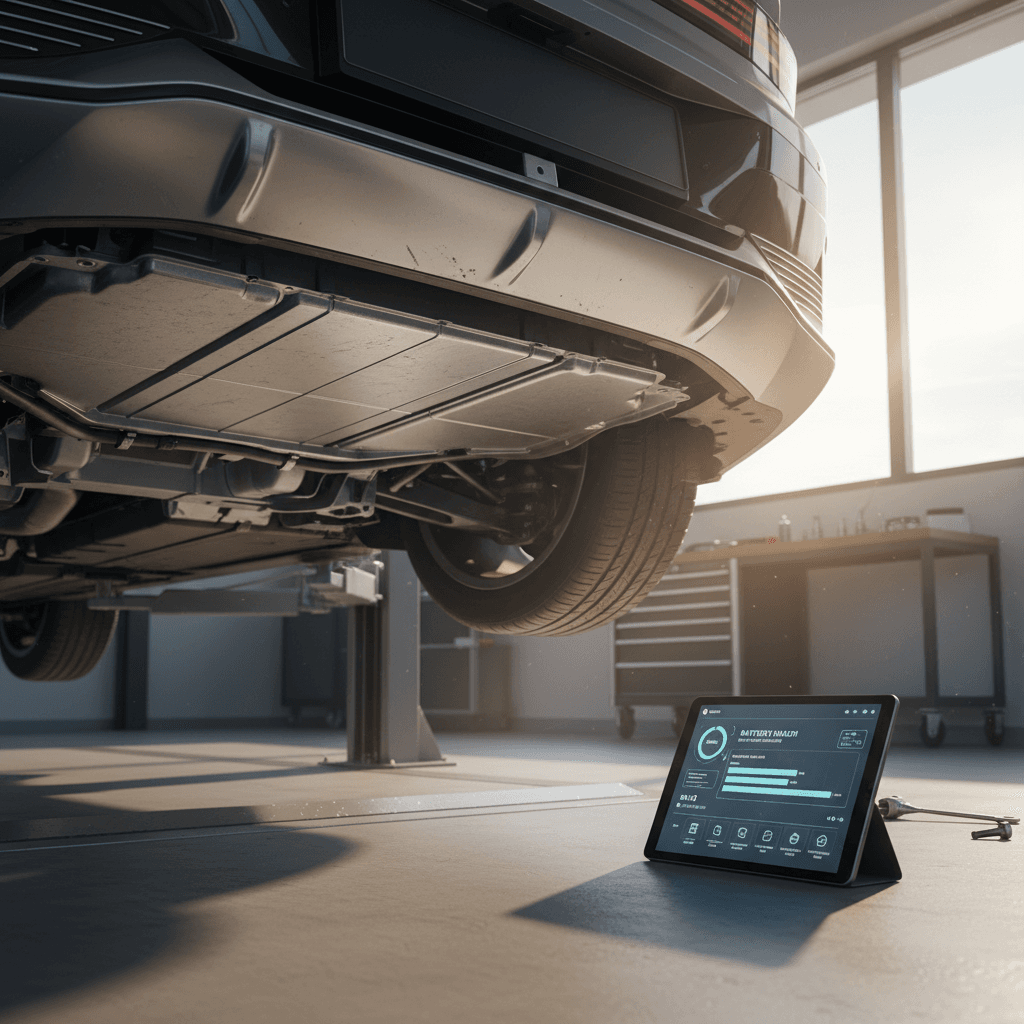
5. Get a dedicated battery health report
Whenever possible, use a third‑party diagnostic or a specialized report. Every vehicle sold through <strong>Recharged</strong> comes with a <strong>Recharged Score</strong> that includes objective battery‑health and range analysis, so you’re not buying blind.
Why objective data matters
How the Ioniq 6 stacks up against other EVs on longevity
If you skim the owner forums and long‑term tests across brands, a pattern emerges: most modern EVs, Tesla, Hyundai, Kia, GM’s newer packs, now live in roughly the same neighborhood of durability. The outliers tend to be older designs or cars that have been badly mistreated, not mainstream 2020s products like the Ioniq 6.
Charging tech built for longevity
The Ioniq 6 shares its 800‑volt E‑GMP platform with the Ioniq 5 and Kia EV6, both of which have proven capable of repeat fast‑charging without dramatic battery fallout. Its wide DC fast‑charge window (10–80% in under 20 minutes under ideal conditions) is paired with smart thermal management to avoid cooking the cells.
Range and buffer help too
A generous starting range, up to the 360‑mile ballpark on the long‑range RWD car, means the Ioniq 6 can lose a little capacity over the years without falling off a cliff in usability. Hyundai also keeps a safety buffer at the top and bottom of the pack, so “0%” and “100%” on your screen are not the literal chemical endpoints, which helps slow degradation.
The bigger picture
Hyundai Ioniq 6 battery lifespan: FAQs
Frequently asked questions about Ioniq 6 battery life
Bottom line: is Ioniq 6 battery life a dealbreaker?
If you’re drawn to the Hyundai Ioniq 6, and many people are, on looks alone, the battery shouldn’t be the thing that scares you off. With a modern pack, conservative thermal management and a long factory warranty, its expected battery lifespan is comfortably in the “keep this car for a decade” zone, and likely longer with even halfway‑decent care.
Your job, whether you’re buying new or used, is simply to be an informed owner: charge in that 20–80% comfort band when you can, avoid cooking the pack in relentless heat, and insist on real battery‑health data if you’re shopping pre‑owned. That’s exactly why every EV sold through Recharged includes a Recharged Score report with verified battery health, so “How long will this Ioniq 6 battery last?” stops being a guess and starts being a number you can build a decade of ownership around.