If your daily drive is only about 10 miles each way, almost any modern electric car can handle the distance. The real question isn’t “Can an EV do my commute?” It’s “What’s the best electric car for a 10‑mile commute so I don’t overpay for range I’ll never use?” This guide walks you through how much range you actually need, which models shine as short‑distance commuters, and how to save serious money by looking at the right used EVs.
Good news for short‑distance drivers
Do you really need a big battery for a 10‑mile commute?
A typical workday for you probably looks like this: 10 miles to work, 10 miles home, plus a grocery run or school pickup now and then. Even if we round that up to 40 miles a day, you’re still well under what most modern EVs can handle on a single charge. Many compact EVs today offer 150–250 miles of realistic range, which means you’d be using only a small slice of the battery each day.
- Daily commute: ~20 miles round‑trip
- Extra errands: 10–20 miles a day at most
- Modern compact EV range: typically 150–250 miles
- Result: you’ll usually use 10–25% of the battery per day
Range rule of thumb
Key things that matter more than range
When your commute is short, obsessing over 250 vs. 320 miles of range misses the point. For a 10‑mile commuter EV, other factors will shape your day‑to‑day happiness much more than a giant battery.
What actually matters for a short‑distance commuter EV
Focus on comfort, simplicity, and total cost of ownership over brag‑worthy range numbers.
Size & parking
Comfort & quiet
Total cost, not just price
Charging convenience
Battery health & warranty
Safety & tech

Best new electric cars for a 10‑mile commute
If you’re shopping new in 2025, you’ll see a lot of big‑battery crossovers advertised. They’re great cars, but with your 10‑mile commute, you can focus on efficient, compact, and reasonably priced EVs instead of chasing maximum range. Here are standout new choices that work beautifully as short‑distance commuters in the U.S. market.
New EVs that shine on a 10‑mile commute
Approximate 2025 U.S. market specs; always verify exact range and pricing for your trim and region.
| Model | Type | Approx. EPA Range | Why it’s great for short commutes |
|---|---|---|---|
| Hyundai Kona Electric | Subcompact SUV | 240–260 mi | One of the most efficient EVs tested, easy to park, comfortable for city and suburban use. |
| Fiat 500e | City hatchback | ~149 mi | Tiny footprint, super efficient in stop‑and‑go traffic; ideal if you rarely leave the city. |
| Chevrolet Bolt EUV (new-old stock) | Compact hatchback | ~247 mi | If you can still find it new or nearly new, it’s a spacious, efficient commuter with great value. |
| Nissan Ariya Engage | Compact crossover | ~216–239 mi | More upscale interior and smooth ride; overkill on range for your commute, but very relaxed to drive. |
| Tesla Model 3 RWD | Compact sedan | 260+ mi | If you want Tesla’s tech and Supercharger access; efficient and fun, but usually pricier than you need for a short commute. |
All of these models offer far more range than a 10‑mile commute requires, so you can prioritize comfort, features, and price instead of just the biggest battery.
Watch your budget creep
Best used EVs for short commutes and tight budgets
Short‑distance drivers are in a perfect position to take advantage of older, cheaper EVs that might not have road‑trip range but are more than enough for 10–40 miles a day. In the used market, you’re often paying pennies on the dollar for batteries that still have plenty of life left for commuting.
Why used EVs make sense for a 10‑mile commute
Used EVs that make excellent 10‑mile commuters
You don’t need a 300‑mile battery. These models offer bargain pricing and enough range for easy daily use.
Chevrolet Bolt EV / EUV (2017–2023)
Best all‑round used commuter. Real‑world range often 200+ miles, modern safety tech, and good highway manners. Ideal if your 10‑mile commute is mixed with weekend trips.
Look for: Post‑battery‑recall cars with packs replaced or certified; they’re some of the best values in the used EV world.
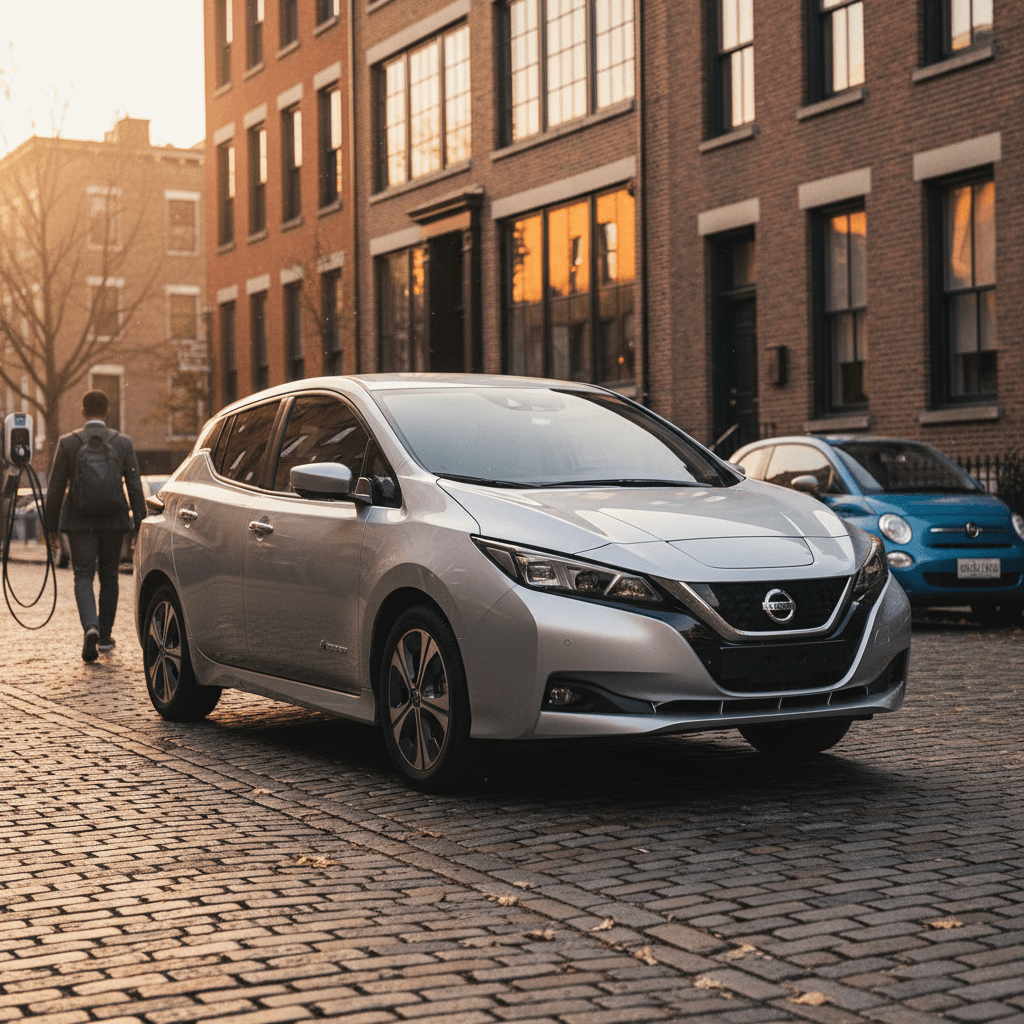
Nissan Leaf (2018+)
Great value for short‑range drivers. 40 kWh versions offer around 140–150 miles when healthy, which is still far more than your commute needs.
Best if: You mostly drive in town and don’t rely on sparse CHAdeMO fast charging for long trips.
Hyundai Kona Electric (2019–2022)
Efficient and long‑legged. Earlier Kona Electrics often show up in the mid‑teens price‑wise and still deliver 200+ miles of range.
Great fit if: You want one EV to do everything, short commute plus occasional road trips.
Fiat 500e (earlier U.S. compliance cars)
Pure city car. Early Fiat 500e models have modest range, but for a 10‑mile commute they can be a charming, cheap runabout.
Caveat: Make sure parts and service are available in your area, and that the range truly fits your lifestyle.
How Recharged helps with used commuter EVs
Ready to find your next EV?
Browse VehiclesHow much range is actually enough?
Let’s turn your 10‑mile commute into real numbers so you can sanity‑check any EV you’re considering. Say you drive 20 miles round‑trip on workdays and another 20 miles of errands a couple of times a week. That’s roughly 120–150 miles a week in normal use.
Translating your 10‑mile commute into range needs
Estimate your range needs with some safety margin for weather, detours, and battery aging.
| Scenario | Daily miles | Comfortable minimum range | Why it works |
|---|---|---|---|
| Basic 10‑mile commute only | 20 mi/day | 80–100 mi | Leaves 3–4x your daily drive in the battery; charge every few days. |
| Commute + weekday errands | 30–40 mi/day | 120–150 mi | Comfortable even in winter with some range loss. |
| Commute + occasional weekend trips | 40–60 mi/day | 180–220 mi | Plenty of headroom if you don’t fast‑charge much. |
| Commute + regular road trips | Varies | 250+ mi | Here a bigger‑battery EV can be worth it, see when this makes sense below. |
Even conservative assumptions show you don’t need a 300‑mile battery for a 10‑mile commute, especially with home or workplace charging.
Don’t forget winter
Smart charging strategy for a short commute
With such a short commute, charging becomes almost laughably easy. You may not need a fancy wallbox or frequent public charging at all, especially if you can plug in at home.
Dialing in your charging setup
1. Decide if a regular outlet is enough
If you drive <strong>under 40 miles a day</strong>, many EVs can comfortably recharge overnight on a standard 120V outlet (Level 1), adding roughly 3–5 miles of range per hour plugged in. It’s slow, but inexpensive and simple.
2. Consider a Level 2 home charger
If you want faster top‑ups, a 240V Level 2 charger at home can add 20–40+ miles of range per hour. For a 10‑mile commute, that means you can plug in briefly and still stay topped up.
3. Avoid living on DC fast charging
Fast charging is great for road trips, but using it constantly can be harder on the battery and more expensive than home charging. With your commute, you should be able to treat fast chargers as an occasional backup, not daily life support.
4. Set a sane charge limit
Most EVs let you cap daily charging at <strong>70–80%</strong>. For light daily use, this is an easy way to be kind to your battery over the long haul while still having more range than you need.
5. Precondition while plugged in
On cold or hot days, use the app to heat or cool the cabin while the car is plugged in. You’ll use grid power instead of battery power, which preserves range and comfort for the actual drive.
Will a 10‑mile commute hurt your EV’s battery?
Short drives themselves aren’t a problem for modern EV batteries. In fact, compared with someone fast‑charging from 10% to 90% three times a week, your gentle usage is almost boringly easy. What matters more is how often the pack sits at a very high state of charge, extreme temperatures, and how frequently it’s DC fast‑charged.
Habits that are easy on the battery
- Keeping daily charge between about 30–80%.
- Charging mostly at home or work on Level 1 or Level 2.
- Parking in a garage or shade when possible.
- Driving smoothly instead of constant hard launches.
Habits that can accelerate wear
- Leaving the car at 100% charge for days at a time.
- Frequent DC fast charging from very low state of charge.
- Regularly storing the car in extreme heat at high charge.
- Ignoring software updates that improve battery management.
How Recharged checks battery health
When a long‑range EV still makes sense for a 10‑mile commuter
So far we’ve made the case that you don’t need a huge battery for a 10‑mile commute, and you don’t. But there are still situations where paying for a long‑range EV can be smart, even if your weekday miles are low.
- You often drive long distances on weekends or holidays, and you hate planning around chargers.
- You don’t have reliable home or workplace charging, so you prefer to charge less often but more deeply.
- You share the car with someone who has a much longer commute or does frequent highway trips.
- You live in a very cold region and want lots of winter range cushion, especially if you can’t precondition the car.
Balance convenience with cost
Step‑by‑step: how to choose your commuter EV
To pull this all together, here’s a simple process you can follow, or repeat with a few different models, to find the best electric car for your 10‑mile commute without drowning in specs.
Two quick decision paths for short‑commute drivers
Budget‑first shopper
Set a firm budget for out‑the‑door cost and monthly payment.
Focus search on used EVs under that cap with 120+ miles of realistic range.
Use tools like the <strong>Recharged Score Report</strong> to filter out cars with weak batteries or sketchy histories.
Test‑drive two or three contenders on your actual commute route if possible, pay attention to comfort, visibility, and noise.
Pick the car that fits your budget and feels easiest to live with, not the one with the fattest spec sheet.
Feature‑first shopper
Make a list of must‑have features: heated seats, adaptive cruise, Apple CarPlay/Android Auto, active safety tech.
Filter for 2018+ EVs where these features are common, even on mid‑trim cars.
Ignore anything with range far beyond what you need unless pricing is genuinely competitive.
Think about your charging: if you’ll install a home Level 2 charger, make that part of your budget from the start.
Choose the EV that checks your feature boxes and still leaves room for charging installation and insurance.
FAQ: Best electric car for a 10‑mile commute
Frequently asked questions
Bottom line: picking the right EV for a 10‑mile commute
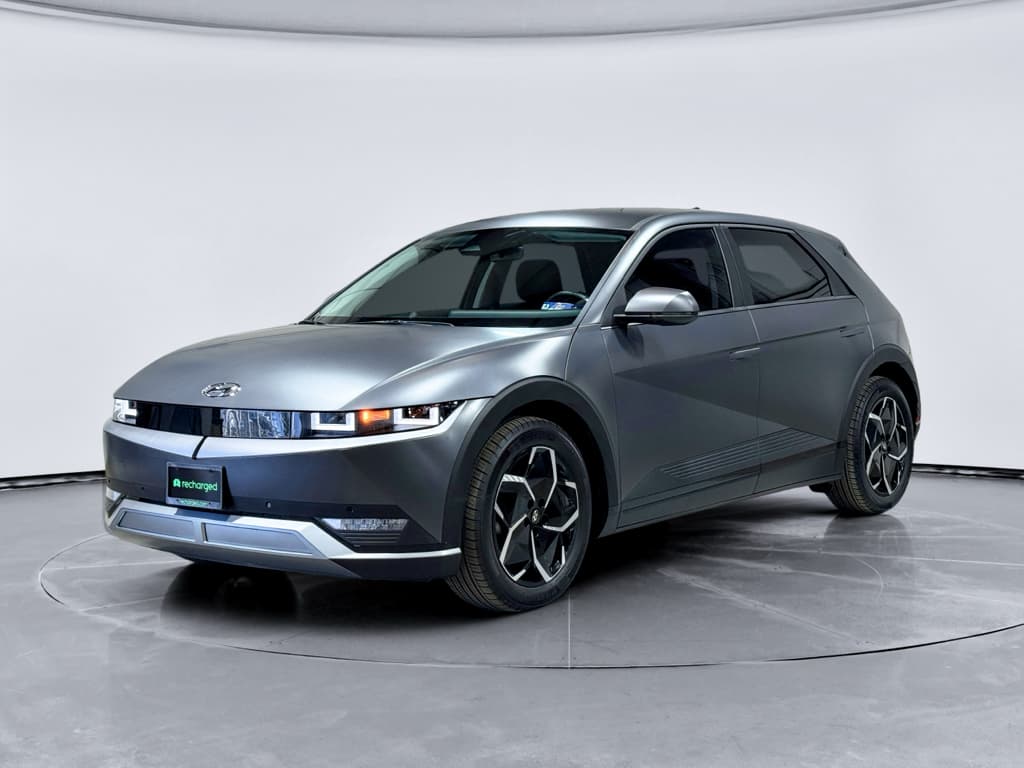
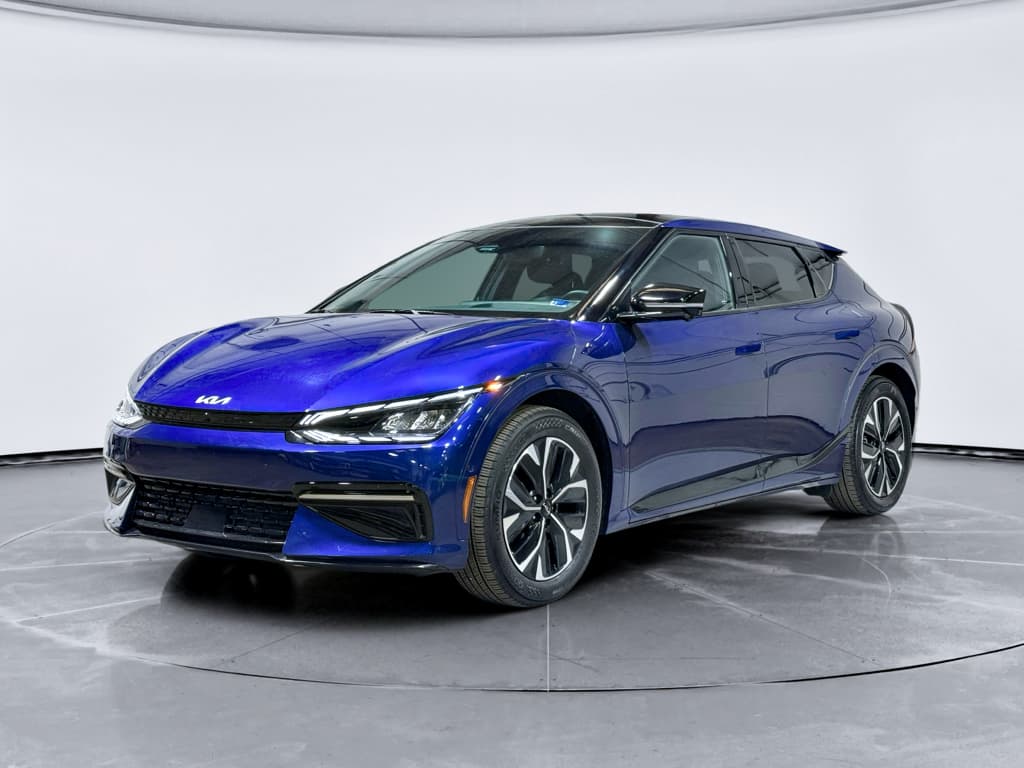
For a 10‑mile commute, the “best” electric car usually isn’t the one with the biggest battery or flashiest marketing. It’s the one that fits your budget, feels effortless on your route, and has a healthy battery matched to your real daily miles. That’s why so many smart short‑distance drivers end up in efficient compacts like the Chevrolet Bolt EV, Hyundai Kona Electric, Nissan Leaf, or Fiat 500e, especially on the used market.
Start by being brutally honest about how far you actually drive and how often you really road‑trip. Then shop for the smallest, simplest EV that clears that bar with room to spare. If you’re browsing used options on Recharged, lean on the Recharged Score battery report, fair‑pricing tools, and EV‑specialist support to zero in on a commuter that will quietly knock out your 10‑mile drive for years with minimal drama and minimal cost.