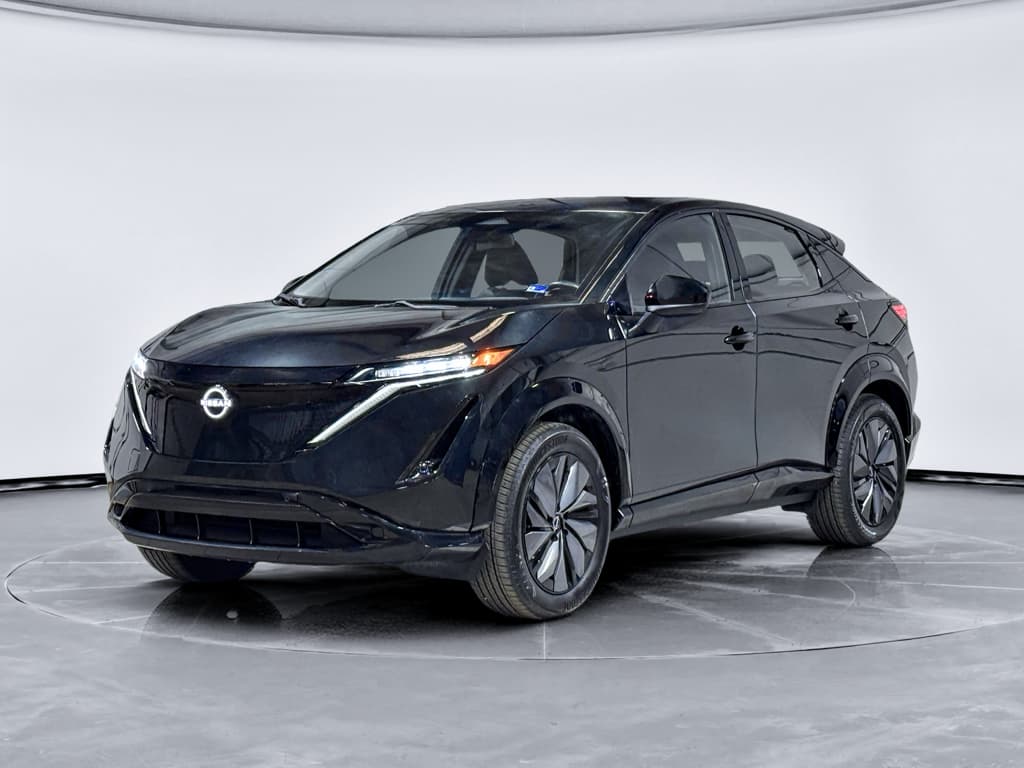
If you’re looking at a Nissan Ariya, whether as a current owner or a used‑EV shopper, the big question is simple: what will this thing be worth in a few years? The Nissan Ariya resale value forecast is a bit different from other EVs because it’s a well‑engineered crossover that’s also been discontinued for the U.S. after the 2025 model year. That mix of strengths and uncertainty makes it especially important to understand where values are likely headed.
Quick context
Nissan Ariya resale value at a glance
Nissan Ariya value snapshot (early 2026 estimates)
Those numbers put the Ariya in the same ballpark as other mainstream EVs: steeper depreciation than comparable gas SUVs, and broadly similar to models like the Nissan Leaf, Hyundai Ioniq 5, and Kia EV6. But there are some important twists driven by tariffs and Nissan’s decision to pull the Ariya from the U.S. lineup after 2025.
Where Nissan Ariya used prices are today
Because the Ariya is still relatively new and sales volumes have been modest, we don’t yet have a decade of auction data. What we do have is real‑world used pricing and depreciation projections from industry analysts and listing platforms.
Approximate Nissan Ariya price ranges (early 2026, U.S.)
These are ballpark figures based on typical listings and forecasts for average‑mileage, clean‑title vehicles. Individual vehicles can sit above or below these ranges depending on condition, trim, and battery health.
| Model year | Typical trim examples | Original MSRP (approx.) | Typical used asking price | Approx. value retained |
|---|---|---|---|---|
| 2025 | Engage / Venture+ FWD | $40,000–$42,000 | $30,000–$33,000 | ~75–80% (nearly new) |
| 2024 | Engage / Evolve+ FWD | $43,000–$47,000 | $28,000–$32,000 | ~65–70% |
| 2023 | Early launch trims incl. e‑4ORCE | $44,000–$55,000+ | $22,000–$28,000 | ~45–55% |
Use this as a directional guide, not an exact quote for any individual Ariya.
Why your numbers may look different
Market data from pricing sites shows an average used Ariya transaction in the low‑to‑mid $20,000s for older examples, while nearly new 2024–2025 models are still solidly in the $30,000s. That’s consistent with a young EV that’s already seen its biggest initial depreciation hit.
Short‑term resale value forecast (2026–2028)
Over the next three years, Ariya values will settle into a more predictable used‑car pattern. Based on what we’ve seen from the Leaf and other first‑generation EVs, you should expect the heaviest depreciation in the first 3–4 years, then a slower decline as values bottom out.
Projected Ariya depreciation over the next 3–4 years
Illustrative forecast assuming a 2024 Nissan Ariya with a $45,000 original MSRP, average miles, and no major accidents.
| Vehicle age | Calendar year example | Estimated resale value | Approx. depreciation from MSRP |
|---|---|---|---|
| 1 year | 2025 | $33,000–$35,000 | ~20–25% |
| 3 years | 2027 | $22,000–$25,000 | ~45–50% |
| 4 years | 2028 | $18,000–$22,000 | ~55–60% |
Forecast only, real‑world values will vary by trim, mileage, region, and EV incentives.
Rule of thumb for 3‑year‑old Ariyas
Short‑term, the bigger wild cards aren’t the Ariya itself but EV incentives, tariffs on Japan‑built vehicles, and competition from fresh models. If tariffs ease or EV tax credits expand, that can buoy used pricing. If incentives get tighter and new competitors undercut the Ariya, used values can slide faster.
Longer‑term depreciation outlook (5–10 years)
To forecast the Ariya’s 5‑ to 10‑year behavior, it’s useful to look at Nissan Leaf historical data and broader EV trends. The Leaf commonly loses around 60–70% of its value over the first five years and as much as 80% or more over a decade, especially earlier, short‑range models with air‑cooled batteries. Later Leafs with improved range and batteries hold up somewhat better but still depreciate faster than comparable gasoline cars.
What a 5‑ to 10‑year Ariya depreciation curve could look like
Illustrative forecast for a $45,000 Ariya purchased new
Year 5
Likely resale value: ~$16,000–$18,000
That’s about 60–65% depreciation, putting the Ariya in line with many mainstream EVs after five years.
Year 7
Likely resale value: ~$12,000–$14,000
By this point, software, range, and charging speed will feel dated compared with newer EVs, even if the car still drives well.
Year 10
Likely resale value: under ~$10,000
Values hinge heavily on remaining battery capacity. A well‑cared‑for battery could keep the Ariya desirable as a local‑use crossover; a tired pack will drag values down sharply.
Battery health is everything
How the Ariya compares to other EVs on resale
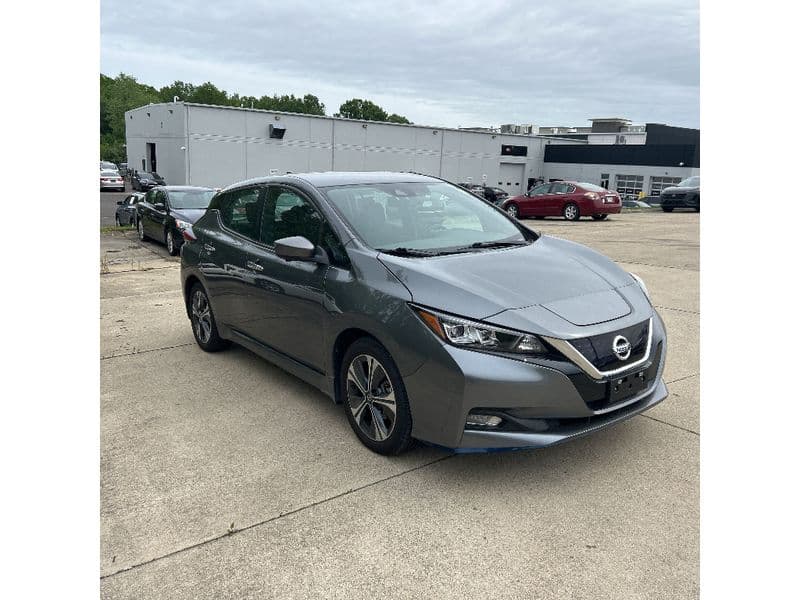
Compared with Nissan Leaf
The Leaf has been one of the hardest‑depreciating EVs on the market, with some model years losing around two‑thirds of their value in five years. The Ariya starts from a higher price point and offers more range, refinement, and features, so it’s reasonable to expect it to hold slightly more value than equivalent‑year Leafs, but it will still depreciate faster than most gas SUVs.
Compared with newer EV crossovers
Against rivals like the Hyundai Ioniq 5, Kia EV6, and Tesla Model Y, the Ariya slots into the middle of the pack. It doesn’t have Tesla’s brand pull or charging network, which helps Model Y values, but it also isn’t an obscure startup with limited support. If tariffs persist and newer EVs undercut its price, Ariya resale will skew toward the lower half of that pack.
Ariya strengths that support resale
Key factors that will move Ariya resale values
- Battery health and range. The single biggest value driver. A 60–80% remaining‑capacity Ariya will bring a very different price than one still showing 90–95%.
- Tariffs and EV incentives. The Ariya is built in Japan, so 15% U.S. import tariffs have made it more expensive new. Any change here could ripple into used pricing.
- Charging experience. As the market shifts toward NACS fast‑charging, Ariya’s CCS hardware plus any adapter support will affect buyer confidence on road trips.
- Software and feature updates. Cars that get meaningful updates over time (navigation, driver‑assist, charging curves) tend to hold value better than those that feel frozen in time.
- Perceived reliability. If the Ariya develops a reputation for solid long‑term reliability, as many Leafs have at the motor and drivetrain level, that supports resale. If common, expensive failures appear, values can fall quickly.
- Availability of parts and service. Nissan has publicly committed to continued support after U.S. sales end, but if that ever changes, resale values would be at risk.
What Nissan discontinuing the Ariya means for value
In late 2025 Nissan confirmed that the Ariya will be dropped from the U.S. lineup starting with the 2026 model year, largely because of 15% tariffs on Japan‑built EVs and a strategic pivot toward a new, more affordable Leaf. That news naturally raises eyebrows for current owners and shoppers: does a discontinued model become a bargain, or an orphan?
Discontinued model: value risks and upsides
How the Ariya’s U.S. exit could push prices in either direction
Potential downsides
- Fewer new Ariyas on the road means less visibility and brand momentum.
- Shoppers may worry about long‑term parts availability.
- Dealers could be less aggressive promoting financing or CPO programs.
Potential upsides
- Limited supply plus solid owner experiences can create a cult following.
- Dealers clearing new inventory may push prices down, which in turn props up used values.
- Some buyers prefer a "last of its kind" model, especially if it proves reliable.
Important for owners
How to protect your Nissan Ariya’s resale value
Seven practical ways to keep your Ariya’s value higher
1. Baby the battery
Limit repeated 100% fast charges, avoid leaving the car at 0% or 100% for days, and use scheduled charging so it finishes close to the time you leave. A healthier battery shows up directly in your Recharged Score and your resale price.
2. Keep software and maps updated
Make sure you’re running the latest software. Updated driver‑assist tuning, charge‑station data, and bug fixes help the car feel modern longer and reassure the next owner.
3. Document every service visit
Save records for tire rotations, brake service, coolant checks, and any recall work. A thick folder (or digital record) of maintenance makes a used Ariya much easier to sell at the top end of the market.
4. Stay ahead of cosmetic issues
Fix small dings, curb rash, and windshield chips before they snowball. Used‑EV shoppers already worry about batteries, don’t give them visual reasons to second‑guess your car.
5. Watch mileage relative to the market
EV shoppers are more sensitive to mileage than you might expect. If you can keep annual mileage in the 10,000–12,000 range instead of 18,000+, you’ll usually see that reflected in resale value.
6. Time your sale around incentives
If federal or state EV tax credits change, used values can wobble. If you hear about new incentives on competing models, it can be smart to sell your Ariya sooner rather than later.
7. Get an independent battery health report
Before you sell or trade, get a third‑party battery health check. On Recharged, every vehicle includes a <strong>Recharged Score Report</strong> so buyers can see verified battery condition and fair market pricing, which often translates to stronger offers.
Is a used Nissan Ariya a smart buy right now?
From a value perspective, the Ariya is already shifting from new‑car curiosity to used‑car opportunity. Heavy early depreciation, combined with Nissan’s commitment to support and the model’s generally favorable driving impressions, means you can get a lot of EV for the money, if you pick carefully.
When a used Ariya makes a lot of sense
- You want a comfortable, quiet crossover for commuting and family duty.
- You’re okay with charging at home and occasional CCS fast‑charging, rather than living at Superchargers.
- You find a well‑priced example with documented battery health above ~85–90%.
- You plan to keep it at least 4–6 years and "ride down" the steepest part of the depreciation curve.
When you might look elsewhere
- You must have NACS native fast‑charging and the broadest possible road‑trip network.
- You swap cars every 2–3 years and care deeply about resale timing.
- Your region has poor Nissan EV support or scarce CCS fast chargers.
- You find only high‑mileage examples with questionable histories.
How Recharged can help
Ready to find your next EV?
Browse Vehicles