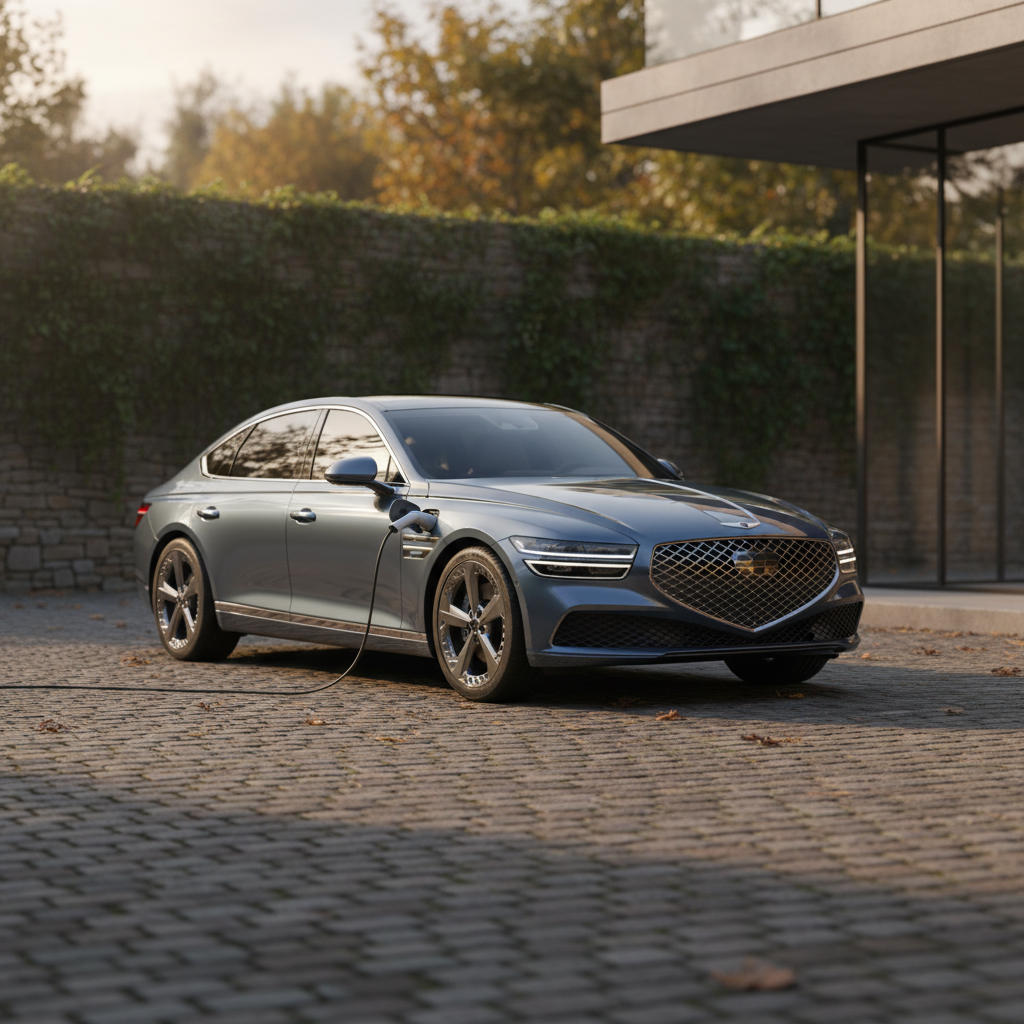
If you own a Nissan Ariya, or you’re shopping for one used, you’ve probably looked up Nissan Ariya KBB value to figure out what it’s really worth. That’s smart. The Ariya has seen aggressive price cuts and heavy depreciation, which makes it a bargain for buyers and a head‑scratcher for sellers. In this guide, we’ll translate Kelley Blue Book data, market trends, and EV‑specific factors into plain English so you know what to expect before you list, trade, or buy.
Quick takeaway
Why Nissan Ariya KBB value matters now
The Ariya launched as Nissan’s second mass‑market EV and was priced to go head‑to‑head with the Tesla Model Y, Hyundai Ioniq 5, Kia EV6, and Ford Mustang Mach‑E. Then a few things happened at once: prices were cut for the 2024 model year, U.S. demand shifted, and Nissan decided to end Ariya imports to the United States after the 2025 model year. That combination has hit resale and KBB values harder than most shoppers expected.
Nissan Ariya value snapshot (early 2026)
From a pure dollars‑and‑cents perspective, that makes the Ariya a tough new‑car proposition, but an increasingly attractive used EV buy. As a seller or trade‑in customer, it means you can’t just rely on the model name; you have to understand how KBB and the broader used‑EV market are pricing these crossovers today.
How KBB calculates Nissan Ariya value
Kelley Blue Book doesn’t just pull a number out of thin air. When you look up Nissan Ariya KBB value, you’re seeing a blend of wholesale auction data, retail listing prices, actual transaction reports, incentives, and economic factors, all adjusted for your ZIP code. That output is usually broken into a few different numbers:
- Trade‑in value: What a dealer might offer if you trade your Ariya toward another vehicle.
- Private‑party value: A realistic asking price if you sell directly to another consumer.
- Dealer retail value: What a franchise or independent dealer is likely to ask on their lot.
- Certified pre‑owned (CPO) value: A premium retail value when sold through Nissan’s CPO program, assuming inspection and warranty coverage.
On KBB’s Ariya pages you’ll also see a Fair Purchase Price or “Fair Market Range.” For new models, that’s the price people are actually paying versus MSRP. For used 2024 Ariyas, for example, KBB currently shows the Engage trim’s fair purchase price at about $17,850, with top‑trim Platinum+ e‑4ORCE w/20" Wheels at roughly $26,700, depending on equipment, mileage, and condition.
KBB is a guide, not a guarantee
Current KBB‑style price ranges for Nissan Ariya
Exact KBB numbers change week to week, but we can outline where the market generally sits as of early 2026 for low‑mileage examples in typical condition. Use this as a rough frame of reference, then plug your exact VIN, mileage, and ZIP into KBB for a precise value.
Illustrative Nissan Ariya value ranges (early 2026)
Approximate KBB‑style fair purchase prices for typical used Nissan Ariya models with average mileage and no major damage, based on current public KBB data and dealer listings.
| Model year & trim (example) | Original MSRP (approx.) | Typical KBB fair purchase price from dealer | Observed dealer asking prices |
|---|---|---|---|
| 2023 Ariya Engage FWD | ≈$44,000–$48,000 (varies by battery/drive) | Mid‑teens to low $20Ks after heavy incentives and cuts | Listings as low as high‑$19Ks for AWD examples with ~30–35K miles |
| 2024 Ariya Engage FWD | $40,980 | ≈$17,850 | Low‑ to mid‑$20Ks for FWD with ~20–30K miles |
| 2024 Ariya Platinum+ e‑4ORCE 20" | $55,580 | ≈$26,700 | Mid‑$20Ks for sub‑10K‑mile examples at franchised dealers |
| 2025 Ariya Engage FWD (new) | $41,160 | KBB shows fair purchase price around $39,200 new, before fees | Lightly‑used 2025s haven’t yet built a large used data set |
Your actual value will vary with trim, equipment, mileage, region, and battery condition.
How to use these numbers
Nissan Ariya depreciation vs other electric SUVs
From a resale standpoint, the Ariya sits in a tricky spot. Analysts and resale‑value trackers consistently flag it as a high‑depreciation EV. Several data points tell the story:
How the Ariya stacks up on depreciation
Forecasts and early data show the Ariya losing value faster than many rivals.
Big 1–2 year drops
5‑year outlook
Rivals hold value better
Why the gap? A few reasons converge: initial pricing that was high relative to perceived brand strength in EVs, rapid cuts for the 2024 model year, tough competition from Tesla and Hyundai/Kia, and, most recently, Nissan’s decision to pull the Ariya from its U.S. lineup after the 2025 model year. Those forces weigh on long‑term confidence, which shows up directly in KBB’s algorithms and auction results.
Silver lining for used buyers
Factors that move your Ariya KBB value up or down
KBB starts with national market data, then adjusts for your specific vehicle. With the Ariya, a few factors matter more than usual because the model is newer, EV‑only, and being discontinued in the U.S.
Key drivers of your Nissan Ariya’s value
Mileage and usage pattern
Lower mileage still carries a premium, but Ariya values already assume rapid depreciation. A 10,000‑mile 2023 Platinum+ looks very different to KBB than a 40,000‑mile fleet unit.
Battery health and fast‑charge history
KBB doesn’t see your battery health directly, but buyers and dealers do. An Ariya with healthy range and limited DC fast‑charging typically sells faster and closer to the top of KBB’s range.
Trim, options, and e‑4ORCE AWD
Top trims like Platinum+ e‑4ORCE and Evolve+ started with higher MSRPs and tend to carry higher absolute KBB values, but depreciation on a dollar basis can be brutal if you bought new.
Cosmetic condition and accident history
Clean Carfax/AutoCheck reports, original paint, and a tidy interior are table stakes. EV shoppers are often especially sensitive to prior structural or high‑voltage repairs.
Region and local incentives
Ariyas tend to pull stronger money in EV‑friendly metros with robust charging infrastructure. In regions where EV adoption lags, KBB values may skew lower to move inventory.
Model‑year perception and discontinuation news
News that the Ariya will exit the U.S. after the 2025 model year can spook some buyers. Others simply see a deal. Both reactions affect demand, and therefore your KBB value, over time.
Document what KBB can’t see
Real‑world Ariya prices vs KBB value
One of the biggest mistakes sellers make is treating KBB as a single "correct" price. In today’s EV market, especially for a model like the Ariya, there’s a gap between KBB guidance and what you’ll actually see on listings and offers.
What the data says
Recent Kelley Blue Book data for 2024 models shows an Engage FWD with an original MSRP just under $41,000 now carrying a fair purchase price under $18,000 at typical mileage. Top trims that stickered in the mid‑$50Ks are living in the mid‑$20Ks.
Independent pricing tools and valuation guides generally point to similar ranges, with projected 3‑ and 5‑year values well below what you’d expect from a comparably priced gas crossover.
What the market shows
Browse large used‑car sites and you’ll see dozens of 2023–2024 Ariyas listed from the high‑$19Ks to mid‑$20Ks, often with under 30,000 miles and clean histories. Dealers sometimes start a bit above KBB and negotiate down, or load on add‑ons that effectively push the price higher.
For shoppers, that means opportunity. For sellers, it’s a reminder that your actual sale price is shaped by negotiation, competition, and presentation, not just by the number in a pricing tool.
Watch out for dealer add‑ons
How to improve your Ariya trade‑in or sale price
You can’t change the macro story, Nissan has made its decisions and the market has responded, but you still have levers to pull to beat the average Nissan Ariya KBB value and land toward the top of the fair‑market range.
7 practical steps to beat the average KBB value
1. Get your software and maintenance up to date
Make sure all recalls, software updates, and scheduled services are complete. A stamped service history, especially from a Nissan dealer or EV‑savvy shop, reassures buyers and appraisers.
2. Detail the car, inside, outside, and under the hood
Professional detailing often costs less than the price difference between a "good" and "very good" value bracket. Pay attention to wheels, seat stains, pet hair, and charge port cleanliness.
3. Fix inexpensive cosmetic issues
Touch‑up paint, windshield chip repair, and a wheel refinish can collectively cost a few hundred dollars but often return more than that in higher offers, especially on higher‑trim Ariyas.
4. Gather documentation and both keys
Battery warranty booklet, original window sticker, two keys, manuals, and charger, all of it signals a cared‑for vehicle. Missing accessories can chip away at your offers.
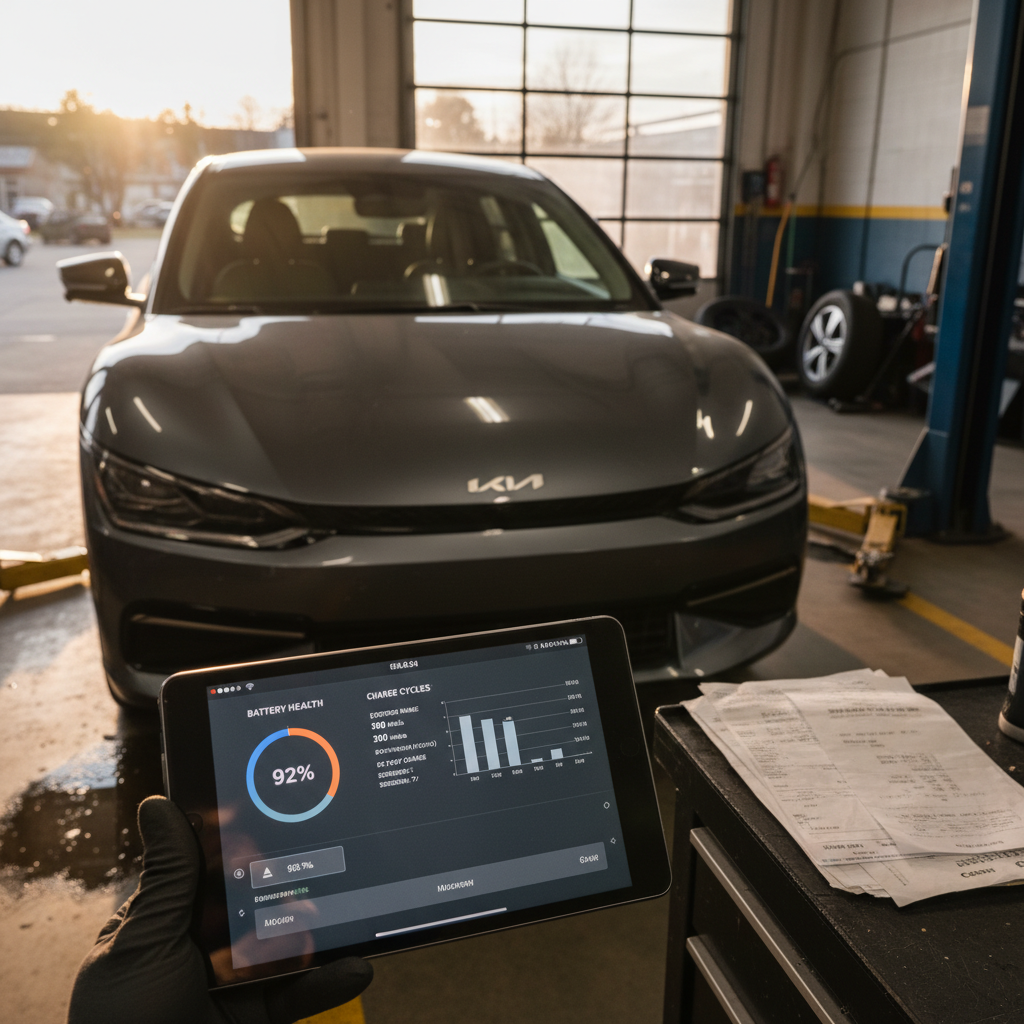
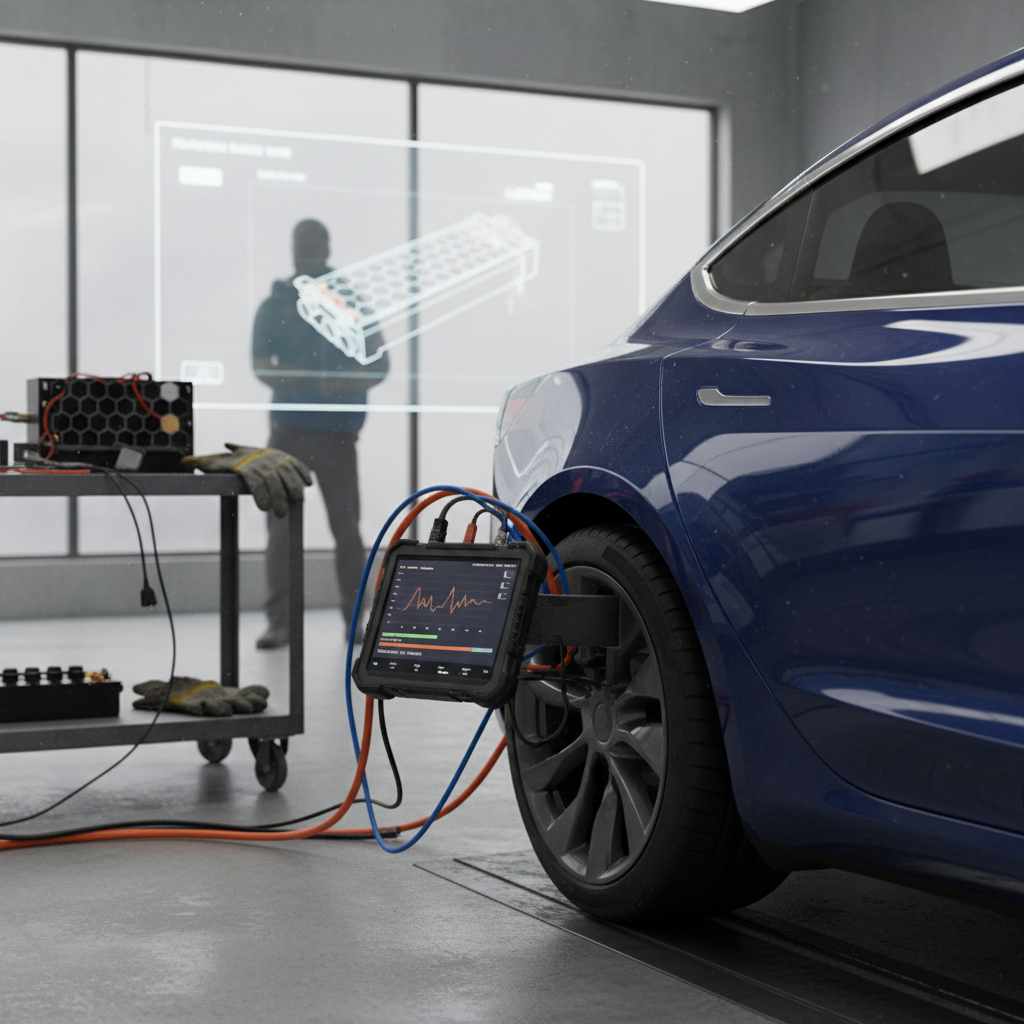
5. Get a third‑party battery health report
Because the Ariya is still relatively new, credible battery and range diagnostics help reduce buyer anxiety. At Recharged, this is built into our <strong>Recharged Score Report</strong> so value discussions start with verified data.
6. Shop multiple offers, not just one
Compare KBB’s Instant Cash Offer (if available), franchise dealers, used‑EV specialists like Recharged, and even online car‑buying platforms. A swing of $1,000–$3,000 is common.
7. Time your sale strategically
Selling before warranty milestones (like 36,000 or 60,000 miles), ahead of winter in cold‑weather markets, or before another wave of price cuts can help you stay ahead of the depreciation curve.
Consider selling before the 5‑year mark
How Recharged values a used Nissan Ariya
Traditional valuation tools like KBB are helpful, but they weren’t built specifically for EVs, and certainly not for a young, fast‑depreciating model like the Ariya. At Recharged, we combine the same macro pricing data with EV‑specific diagnostics to build a more accurate picture of value for both buyers and sellers.
What goes into a Recharged offer on a Nissan Ariya
Every used EV on Recharged gets a transparent, EV‑specific workup before we set a price.
Verified battery health
True market pricing
Flexible ways to sell
Ready to find your next EV?
Browse VehiclesBecause Recharged focuses exclusively on EVs, our team understands nuances that can spook generalist dealers, like DC fast‑charging behavior, software‑limited range, and upcoming charging‑standard changes. That can translate into more competitive offers on models that traditional books have already written off.
Transparent numbers, front to back
FAQ: Nissan Ariya KBB value & used pricing
Common questions about Nissan Ariya KBB value
Bottom line: Is the Nissan Ariya a value play as a used EV?
If you’re focused on resale charts alone, the Nissan Ariya doesn’t look like a star. KBB and other pricing tools now reflect the reality that it depreciates faster than many rival electric SUVs, and the model’s U.S. discontinuation adds more uncertainty. But for used EV shoppers, that very weakness is the opportunity: you can step into a comfortable, well‑equipped electric crossover at a price that would barely buy a new compact gas SUV.
As an owner or seller, your job is to understand where your Nissan Ariya KBB value sits today, and then do everything you can to make your individual car stand out: clean history, strong battery, solid maintenance, and smart channel selection. That’s where EV‑focused marketplaces like Recharged can help, with verified battery health, transparent pricing, financing and trade‑in support, and nationwide delivery if you decide to swap into a different used EV.
Whichever side of the transaction you’re on, start with the numbers, then layer in the EV‑specific context. For the Ariya, that’s the difference between feeling blindsided by a low offer and using market reality to your advantage.