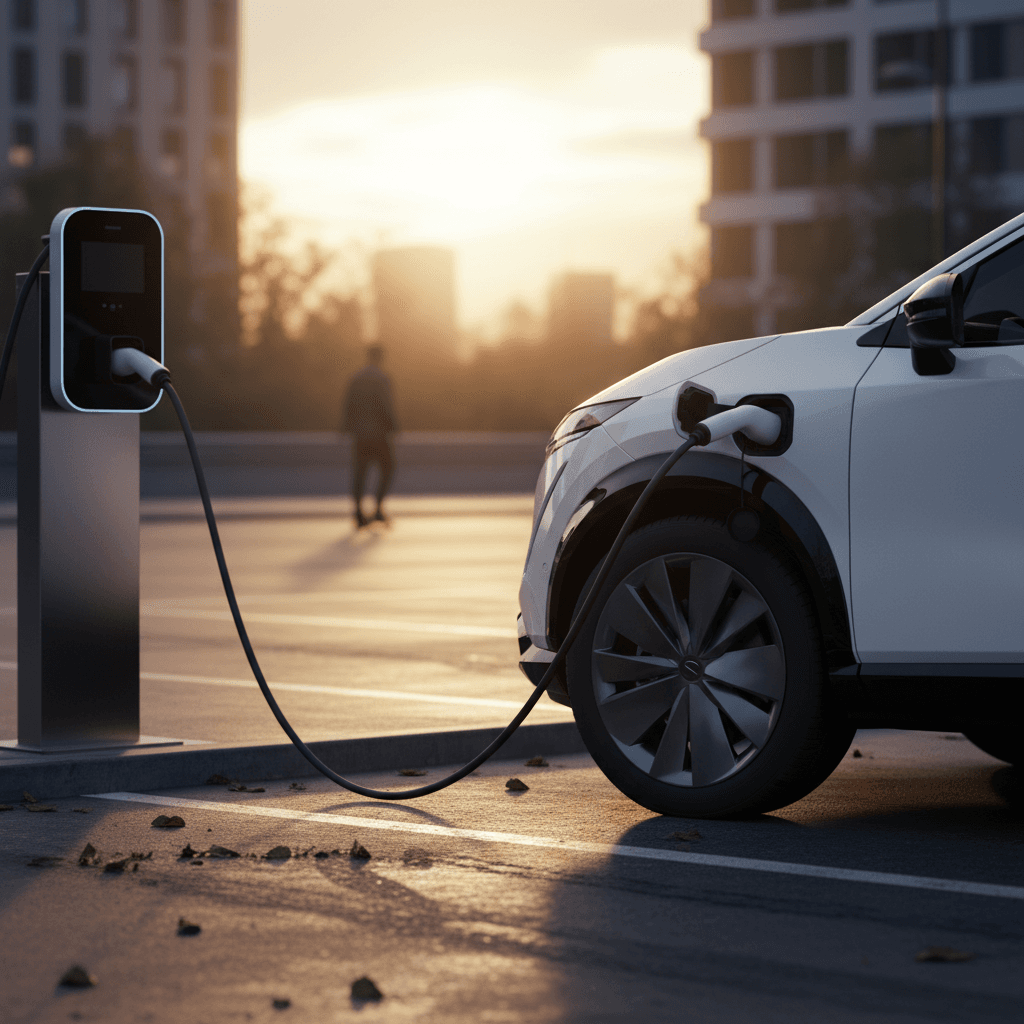
If you’re shopping for a Nissan Ariya or already own one, the big question is simple: what does it actually cost per mile to drive? With electricity prices climbing across much of the U.S., the answer depends on where and how you charge, but the Ariya is still dramatically cheaper to run than a comparable gas SUV in most scenarios.
Quick answer
Overview: Cost per mile for a Nissan Ariya
Typical Nissan Ariya electricity cost per mile (U.S. 2026)
Those ranges describe what most Nissan Ariya drivers can expect in 2026 in the United States. Below, we’ll walk through how the math works, show sample calculations using current U.S. electricity prices, and explain how your charging habits can easily double, or cut in half, your effective cost per mile.
How we calculate Nissan Ariya cost per mile
Electric cost per mile for any EV, including the Nissan Ariya, comes down to one simple formula: electricity price per kWh ÷ miles per kWh (mi/kWh). If your Ariya averages 3.0 mi/kWh and you pay 18¢/kWh at home, your cost per mile is 18 ÷ 3 = 6 cents. Change either of those numbers and your cost per mile changes with it.
- Electricity price: what your utility or charging network charges per kilowatt-hour (kWh).
- Efficiency: how many miles you get from each kWh, usually shown on the Ariya’s trip computer as mi/kWh.
- Charging losses: energy lost as heat in the charger and battery; we’ll fold this into the mi/kWh numbers to keep things practical.
Rule of thumb
Nissan Ariya efficiency: kWh per mile explained
On paper, the Nissan Ariya lands in the same ballpark as other midsize EV crossovers for energy use. EPA figures and independent range tests put most trims in the 3.0–3.5 mi/kWh range in mild weather with mixed driving. In practical terms, that means the Ariya uses roughly 0.30–0.35 kWh for every mile you drive in normal conditions.
Typical Nissan Ariya real‑world efficiency
Approximate efficiency ranges for common 63 kWh and 87 kWh trims in mixed U.S. driving.
| Trim / Use case | Estimated mi/kWh | kWh per mile | Notes |
|---|---|---|---|
| 63 kWh FWD, city‑heavy driving | 3.3–3.7 | 0.27–0.30 | Slower speeds and regen help efficiency |
| 87 kWh FWD, mixed driving | 3.1–3.4 | 0.29–0.32 | Typical suburban commute profile |
| 87 kWh e‑4ORCE AWD, mixed driving | 2.7–3.2 | 0.31–0.37 | Extra weight and power reduce efficiency |
| All trims, cold winter highway | 2.2–2.7 | 0.37–0.45 | Cabin heat plus high speeds hurt range |
| All trims, mild‑weather highway | 2.8–3.2 | 0.31–0.36 | 60–75 mph, light cargo, no extreme temps |
Numbers are rounded and assume moderate weather and balanced city/highway use.
Winter will move the needle
Home charging: what you’ll pay per mile
As of early 2026, the average residential electricity price in the U.S. is hovering around the 17–19¢/kWh mark, with big swings by state, low‑teens in parts of the Midwest, high‑20s or more in California and the Northeast. To keep things grounded, we’ll use 17¢, 20¢, and 25¢ per kWh as typical home‑charging examples.
Home charging: Nissan Ariya cost per mile examples
Estimated electricity cost per mile using common U.S. residential rates and realistic efficiency values.
| Electricity rate | Efficiency (mi/kWh) | Cost per mile | Cost per 1,000 miles |
|---|---|---|---|
| 14¢/kWh (low‑cost states) | 3.3 mi/kWh | ≈ 4.2¢/mi | ≈ $42 |
| 17¢/kWh (near U.S. avg) | 3.2 mi/kWh | ≈ 5.3¢/mi | ≈ $53 |
| 20¢/kWh (many suburbs) | 3.0 mi/kWh | ≈ 6.7¢/mi | ≈ $67 |
| 25¢/kWh (high‑cost markets) | 3.0 mi/kWh | ≈ 8.3¢/mi | ≈ $83 |
| 30¢/kWh (very high‑cost) | 2.8 mi/kWh (winter) | ≈ 10.7¢/mi | ≈ $107 |
These are ballpark numbers; your actual rate and mi/kWh will vary.
Annual cost at typical usage
Flat residential rate
If your utility charges a single rate all day (for example, 17¢/kWh), your Ariya’s cost per mile is straightforward: divide that price by your average mi/kWh and you’re done. Your main levers are driving style and climate.
Time-of-use (TOU) EV plans
Many utilities now offer special EV or TOU rates with very cheap off‑peak power, often 8–12¢/kWh overnight, paired with pricey afternoon hours. If you schedule the Ariya to charge after midnight, your cost per mile can drop under 4¢ even in states with otherwise high electricity prices.
Public & DC fast charging: cost per mile
Public DC fast charging is a different story. Networks typically charge by the kWh in most states, often in the 35–65¢/kWh range, and sometimes higher near busy highways. That doesn’t erase the Ariya’s efficiency advantage, but it can push your cost per mile dangerously close to gas‑SUV territory if you rely on it all the time.
Nissan Ariya cost per mile at DC fast chargers
Illustrative cost‑per‑mile ranges at common DC fast charging prices.
| Fast‑charge price | Efficiency (mi/kWh) | Cost per mile | Cost per 1,000 miles |
|---|---|---|---|
| 35¢/kWh (cheaper DCFC) | 3.2 mi/kWh | ≈ 10.9¢/mi | ≈ $109 |
| 45¢/kWh (common) | 3.0 mi/kWh | ≈ 15.0¢/mi | ≈ $150 |
| 55¢/kWh (busy corridors) | 2.8 mi/kWh | ≈ 19.6¢/mi | ≈ $196 |
| 65¢/kWh (high end) | 2.6 mi/kWh (winter) | ≈ 25.0¢/mi | ≈ $250 |
Assumes 2.8–3.2 mi/kWh on highway fast‑charge road trips.
Why exclusive DC fast charging is expensive
How Ariya cost per mile compares with gas SUVs and other EVs
Nissan Ariya vs gas SUV and other EVs
Where the Ariya’s cost per mile stands in the real world
Gas compact SUV
A 26 mpg gas SUV at $3.50/gal fuel costs about 13.5¢ per mile. At $4.00/gal, you’re closer to 15.4¢ per mile.
Nissan Ariya (home charging)
At 17–20¢/kWh and 3.0–3.3 mi/kWh, most Ariya owners land around 5–7¢ per mile, roughly half the fuel cost of a similar gas crossover.
Other efficient EVs
Sippers like a Tesla Model 3 or Hyundai Ioniq 6 can hit 3.7–4.0 mi/kWh, trimming cost per mile by roughly 10–20% compared with the Ariya, but you’re still in the same low‑single‑digit cents‑per‑mile band at home.
Big picture: energy is the cheap part
Ready to find your next EV?
Browse VehiclesReal Nissan Ariya owner cost-per-mile examples
Ariya owners sharing numbers online tend to cluster in the same ranges you see in the math above: low‑single‑digit cents per mile at home, and mid‑teens or more when they lean on fast charging. A few anonymized real‑world scenarios:
- Owner A logs roughly 1,550 miles on about 534 kWh at 13¢/kWh, landing just under 4¢ per mile, thanks to a favorable electricity rate and mostly home charging.
- Owner B reports around 3.1 mi/kWh and pays 9¢/kWh off‑peak, which works out to roughly 3¢ per mile when charging overnight.
- Owner C road‑trips heavily using DC fast charging around 60–65¢/kWh in winter and sees effective energy costs spike toward or above 20¢ per mile on those fast‑charge legs.
Why owner stories matter
Factors that make your cost per mile go up or down
Key drivers of Nissan Ariya cost per mile
Your cents‑per‑kWh rate
This is the single biggest lever. A 10¢ swing, from 15¢ to 25¢/kWh, can add roughly 3–4¢ per mile to your Ariya’s electricity cost.
Home vs public charging mix
Charging 80–90% of your miles at home or work keeps costs low. Relying on highway DC fast charging can easily double your effective cost per mile.
Driving style and speed
Aggressive acceleration and sustained high speeds eat into efficiency. Smooth driving and sticking closer to the speed limit can add 0.3–0.5 mi/kWh.
Climate and cabin use
Cold weather, seat and cabin heat, and short trips that don’t warm the battery all drag mi/kWh down and increase your cost per mile.
Tire type and pressure
Oversized wheels, aggressive all‑terrain tires, or under‑inflated tires can knock several percent off your efficiency for every mile you drive.
Vehicle configuration
Ariya e‑4ORCE all‑wheel‑drive trims are heavier and more powerful than FWD versions, so they generally run a bit fewer mi/kWh and cost slightly more per mile to run.
Watch out for bundled fees
How to lower your Nissan Ariya cost per mile
Optimize where and when you charge
- Prioritize home or workplace charging over public DC fast charging whenever you can.
- Ask your utility about EV or time‑of‑use plans with cheaper overnight power and set the Ariya’s charge timer accordingly.
- If you live in an area with rooftop solar, daytime solar charging can cut your effective cost per mile dramatically once the system is paid for.
Drive and maintain for efficiency
- Use Eco mode and smoother acceleration in daily driving.
- Keep tires properly inflated and avoid unnecessary roof racks or cargo boxes.
- In winter, lean on seat and steering‑wheel heaters instead of cranking cabin heat to the max.
Five quick steps to cut Ariya cost per mile
1. Check your actual electricity rate
Look at the cents‑per‑kWh line on your latest bill, not just the total. That number directly feeds into your cost‑per‑mile math.
2. Track mi/kWh over a full month
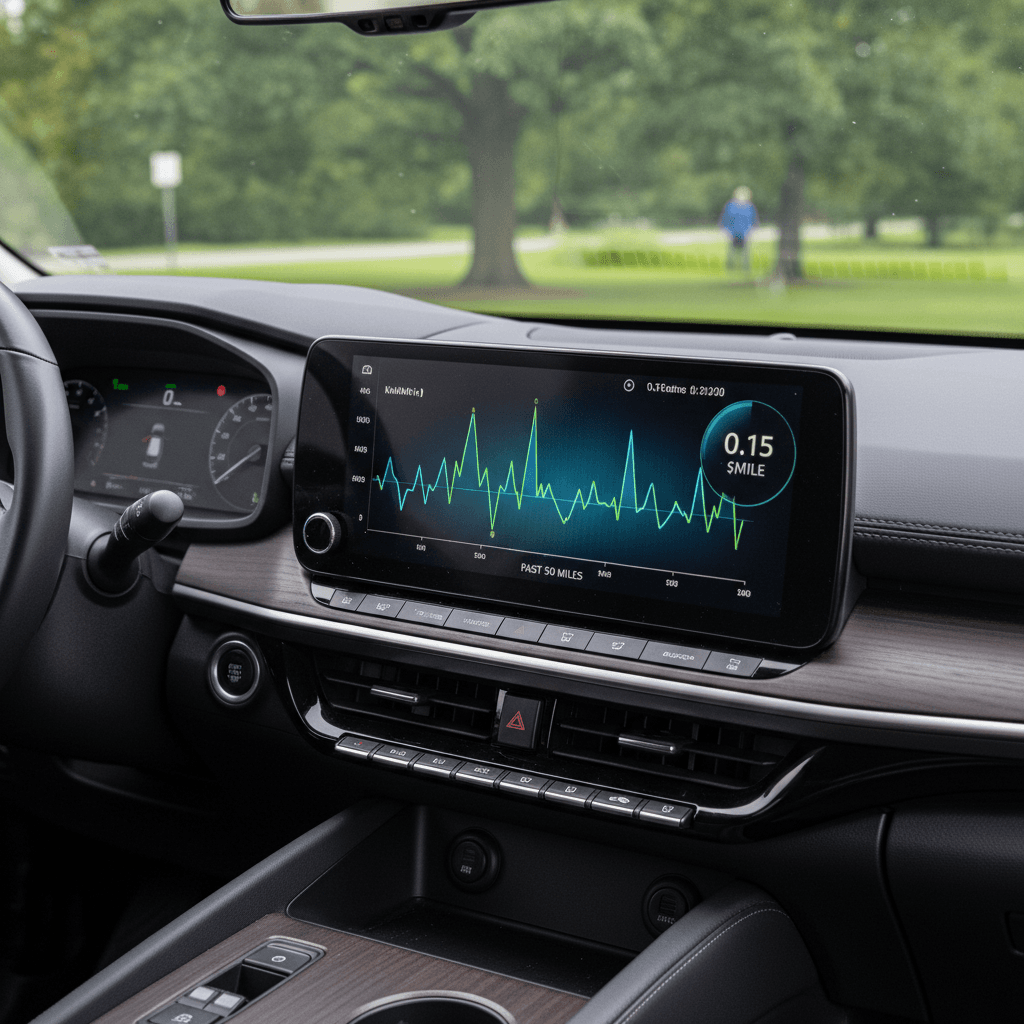
Reset one of your Ariya’s trip meters at the start of the month and note the average mi/kWh after a few charge cycles.
3. Plug in during off‑peak hours
If your utility offers cheaper overnight power, use the Ariya’s built‑in charging schedule to shift charging to those hours.
4. Limit DC fast charging
Use DC fast charging for road trips and emergencies, not daily commuting. Treat it like an occasional convenience, not your default refueling plan.
5. Use tools that show lifetime costs
When you shop for a used Nissan Ariya, look for tools like the <strong>Recharged Score Report</strong> that estimate total ownership costs, not just purchase price.
Cost per mile and used Nissan Ariya buying decisions
If you’re considering a used Nissan Ariya, cost per mile is one part of a bigger ownership‑cost picture. Low running costs are great, but they won’t offset overpaying upfront or buying a trim that doesn’t fit your driving patterns.
What to look at beyond cost per mile
Questions to answer before you buy a used Ariya
Battery health
Healthy batteries help maintain strong efficiency and usable range, which keeps your cost per mile low and predictable. A Recharged Score battery health check can show how the pack has aged.
Your route mix
Short city hops, long highway commutes, or frequent mountain drives will all yield different mi/kWh. Match the Ariya trim and battery size to your real‑world driving.
Total ownership costs
Factor in purchase price, financing, insurance, taxes, and expected depreciation. Recharged can help you line up financing and trade‑in options alongside your energy‑cost math.
Let the numbers guide your search
FAQ: Nissan Ariya cost per mile to drive
Frequently asked questions
Bottom line: what to expect
When you strip away the noise, the Nissan Ariya cost per mile to drive comes down to two things you can measure easily: your electricity rate and your Ariya’s mi/kWh readout. For most U.S. owners charging primarily at home, that works out to about 5–8¢ per mile in 2026, roughly half, and sometimes a third, of what a similar gasoline SUV costs to fuel.
If you’re evaluating a used Ariya, fold those energy savings into the bigger ownership picture: purchase price, financing, insurance, and battery health. Recharged makes that easier by pairing every vehicle with a Recharged Score Report, expert EV guidance, and options for financing, trade‑ins, and nationwide delivery. That way, you’re not just getting a good deal on a Nissan Ariya, you’re getting a clear view of what every mile will cost you for years to come.