Can an electric car battery be recycled, or are we just trading tailpipes for toxic landfills? That’s the anxiety lurking behind a lot of EV skepticism. The short answer is **yes, electric car batteries can be recycled**, and the industry is scaling up fast. The longer, more interesting answer is about chemistry, regulation, and what this all means if you’re shopping for a used EV today.
Key takeaway
Can electric car batteries actually be recycled?
Yes. **Lithium‑ion EV batteries are recyclable today**, both in principle and in practice. Companies in North America, Europe, and Asia are already running commercial plants that take in end‑of‑life packs and production scrap and turn them back into what the industry calls "black mass", a mix rich in lithium, nickel, cobalt, and manganese that can be refined into new battery‑grade materials.
Why EV battery recycling is a big deal
Think of EV batteries like aluminum cans
How electric car battery recycling works, in plain English
When people picture battery recycling, they often imagine a sort of green industrial compost pile. The real thing is more like a mix of auto dismantling and high‑end mining. Most EV battery recycling today uses a **three‑stage process**: mechanical dismantling, then either pyrometallurgy (smelting), hydrometallurgy (wet chemistry), or some combination of both.
- **Collection and triage.** A high‑voltage pack comes in from a recycler, dealer, or salvage yard. Technicians assess whether it’s safe to handle and whether it still has enough life for reuse before recycling.
- **Disassembly.** The outer case is opened, modules and cells are removed, and wiring, cooling plates, and plastics are separated. Increasingly, robots and tele‑operated systems do this to reduce risk and labor.
- **Mechanical processing.** Cells are shredded or crushed in controlled conditions. This produces a mix of metal foils, plastics, electrolytes, and fine powder.
- **Pyrometallurgical step (in some plants).** The shredded material is smelted in a furnace to create a metal alloy rich in nickel, cobalt, copper, and other heavy metals, plus slag and off‑gases that are treated and sometimes reused.
- **Hydrometallurgical refining.** Whether from straight shredding or from smelted alloy, the valuable metals go into chemical baths that dissolve specific elements. Precipitates and crystals are formed, filtered, and dried into battery‑grade salts and powders.
- **New materials.** Those refined materials, lithium carbonate, nickel sulfate, cobalt sulfate, etc., are sold back into the battery supply chain to be turned into cathodes and, eventually, new cells.
Direct recycling: the lab‑coat future
Reuse vs. recycle: what happens before the shredder
An EV battery doesn’t go from your driveway straight into the shredder. It typically passes through two or three lives, each less glamorous than the last, like a retired athlete doing color commentary.
Three common lifecycles for an EV battery
From your car to the grid, and finally back into new batteries
1. In‑vehicle use
For the first 8–15 years, the battery lives in the car. Automakers usually consider a pack "end of life" for driving when it’s down around 70–80% of its original capacity, though most will keep going.
2. Second‑life storage
Packs or individual modules that are too tired for automotive use can still serve as stationary energy storage, backing up the grid, storing solar power, or smoothing demand in buildings.
3. Materials recovery
Once the pack or modules are truly spent, or if they’re damaged, they’re dismantled and recycled. Metals and other materials feed back into the battery supply chain.
Not every pack is safe to reuse
How much of an EV battery can be recycled today?
It depends what you mean by "the battery." The **metals that matter most, nickel, cobalt, copper, aluminum, are already recoverable at very high rates**, often above 90%. Lithium has historically lagged but is catching up quickly as newer hydrometallurgical processes mature. Plastics, binders, and electrolytes are harder and sometimes end up being used for lower‑value applications or energy recovery.
Typical recovery potential for EV battery components
Approximate recovery potential with modern recycling processes. Actual rates vary by chemistry, recycler, and regulation.
| Component | Examples | Recycling focus | Typical outcome |
|---|---|---|---|
| Cathode metals | Nickel, cobalt, manganese | Very high priority | Recovered into battery‑grade salts and used in new cathodes |
| Anode materials | Graphite, copper foil | High priority | Copper widely recycled; graphite increasingly recovered for reuse |
| Aluminum & steel | Pack casing, current collectors | High priority | Melted and re‑used in metal supply chains |
| Lithium | Lithium salts in cathode and electrolyte | Rapidly improving | Recovered as lithium carbonate or similar compounds |
| Plastics & elastomers | Pack housing, separators | Low‑medium priority | Sometimes recycled into lower‑grade plastics or used for energy recovery |
| Electrolyte solvents | Organic carbonates | Low priority today | Generally destroyed or treated for safe disposal |
Critical metals are the priority because they’re scarce, expensive, and energy‑intensive to mine from scratch.
The big picture
Risks, fires, and myths: the messy part of battery recycling
If you’ve seen videos of lithium‑ion fires, you know why recyclers wear more protective gear than a pit crew. High‑energy batteries, especially damaged ones, can go into thermal runaway if they’re mishandled. That risk doesn’t make recycling impossible, it just means **process and regulation matter a lot**.
Real risks
- Thermal runaway. Damaged or shorted cells can ignite during transport, storage, or shredding if they aren’t properly discharged and contained.
- Toxic emissions. Poorly run facilities can release harmful gases or contaminated water if they skimp on ventilation and filtration.
- Informal operators. In countries without strong enforcement, "backyard" recyclers may cut corners, exposing workers and communities to hazards.
Persistent myths
- “EV batteries can’t be recycled.” Technically wrong; they can, and they are, especially production scrap and early‑generation packs.
- “They’ll all end up in landfills.” Between regulation and the value of metals, that’s like landfilling copper plumbing.
- “Recycling uses more energy than mining.” Current data show recycling is substantially less energy‑intensive than digging virgin ore and refining it.
Why you shouldn’t DIY this
Who pays to recycle EV batteries, and what the law says
In the early days, the fear was that EV owners would be left holding the bag for expensive battery disposal. Instead, policy is moving toward **extended producer responsibility (EPR)**, putting the onus on automakers and battery manufacturers to manage end‑of‑life packs.
How EV battery responsibility is shifting
Automaker take‑back programs
Most major EV brands already require their dealers to send failed or warranty‑replaced packs back through official channels. From the owner’s point of view, the pack just disappears into the service bay.
State‑level EPR laws
U.S. states are rolling out laws that make producers responsible for collection and recycling of large traction batteries, including registration and reporting requirements.
No‑landfill rules for propulsion packs
In many jurisdictions, it’s either illegal or heavily restricted to landfill large lithium‑ion propulsion batteries. They must go through regulated channels.
Upfront recycling fees
Some regions are introducing small fees at the time of new EV purchase to pre‑fund future recycling, similar to existing programs for lead‑acid car batteries and tires.
Federal push on critical minerals
In the U.S., climate and industrial policy treat recycled battery materials as strategic. That’s one reason governments are helping underwrite new recycling facilities.
How this compares to gas cars
What EV battery recycling means if you’re buying used
If you’re considering a used EV, the practical question usually isn’t "Will this battery be recycled someday?" It’s **"How healthy is this pack right now, and what happens if it fails while I own the car?"** Recycling is the epilogue, not the main act.
For used‑EV shoppers: what actually matters
Battery recycling is important, but battery health is personal
1. Current battery health
The key metric is how much usable capacity remains. A car that still has 85–90% of its original range will feel very different from one that’s down to 65%.
With a Recharged Score Report, you get quantified battery health based on diagnostics rather than guesswork or a dashboard guess‑o‑meter.
2. Warranty & support
Many EVs carry 8‑year, 100,000‑mile (or more) battery warranties from new. On a used car, check how much of that is left and what’s covered, capacity loss, outright failure, or both.
3. Replacement cost trend
Battery prices have been trending down as production scales and recycling grows. By the time today’s used EVs need a pack, replacement costs may be closer to a major engine job on a gas car than to the scary numbers you see on social media.
4. End‑of‑life pathway
When the car is finally done, because of an accident, rust, or simple age, the value in its pack makes it attractive to dismantlers and recyclers. That’s one reason used EVs won’t just be abandoned in fields: the battery is literally worth money.
How Recharged helps
How to make sure your EV battery gets recycled
As an individual owner, you’re not expected to become a logistics coordinator for high‑voltage waste. But there are a few smart moves you can make to keep your conscience, and your local fire marshal, happy.
Owner checklist: steering your battery toward the right ending
1. Stay in the official service loop
If you see warnings about the high‑voltage system, don’t ignore them or go to a generic shop that isn’t trained on EVs. Official service channels know how to route failed packs to approved recyclers.
2. Don’t stockpile dead packs
If you someday own an older EV that’s no longer worth fixing, don’t let it sit for years with a failing battery. Salvage yards, automaker programs, and specialty recyclers are increasingly set up to take these cars in whole.
3. Ask where the battery goes
If you sell or scrap an EV, it’s reasonable to ask the buyer or dismantler how they handle traction batteries. Serious operations will have a clear answer, not a shrug.
4. Avoid DIY tinkering
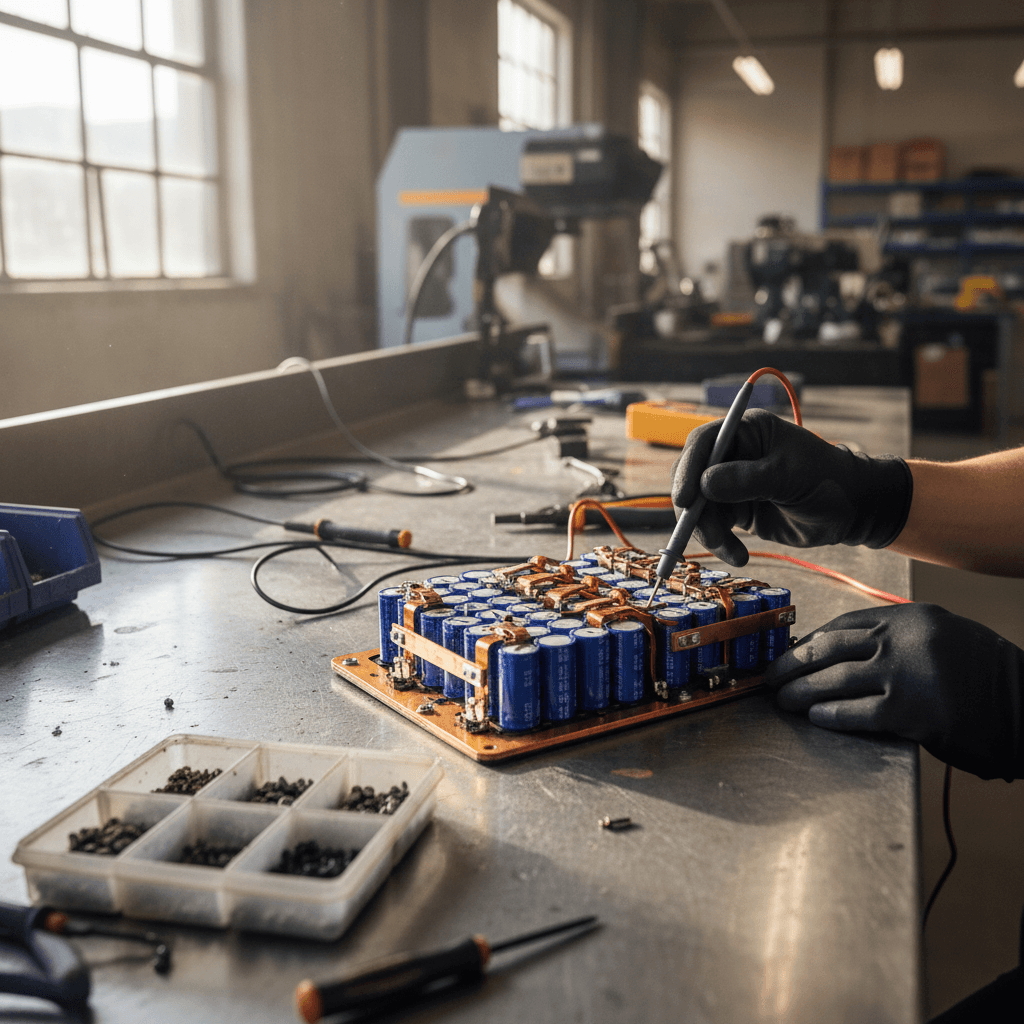
Using a salvaged EV pack for a homebrew solar project sounds romantic until you consider the safety stakes. Unless you’re an electrical engineer who enjoys filling out fire‑insurance forms, leave pack‑level work to professionals.
5. Favor reputable marketplaces
Buying and selling through knowledgeable EV marketplaces like <strong>Recharged</strong> helps keep cars in ecosystems where battery health and end‑of‑life handling are taken seriously.
FAQ: common questions about EV battery recycling
Frequently asked questions about EV battery recycling
The bottom line: yes, EV batteries can be recycled
If you strip away the internet drama, the story is straightforward: **electric car batteries are not a ticking landfill time bomb**. They last longer than many people think, they can often live a second life off the road, and when they’re truly finished, their minerals are too valuable to waste. Recycling is already happening at scale and is only going to become more efficient and more regulated from here.
For you, as a driver or used‑EV shopper, the priorities are simpler. Focus on finding a car with a healthy pack, a transparent history, and clear support if something goes wrong. The circular‑economy part, the chemistry, the smelters, the policy acronyms, happens mostly behind the curtain. Marketplaces like Recharged, with battery‑health diagnostics baked into every listing, exist precisely so you can enjoy the benefits of electrification without needing to moonlight as a battery‑recycling expert.