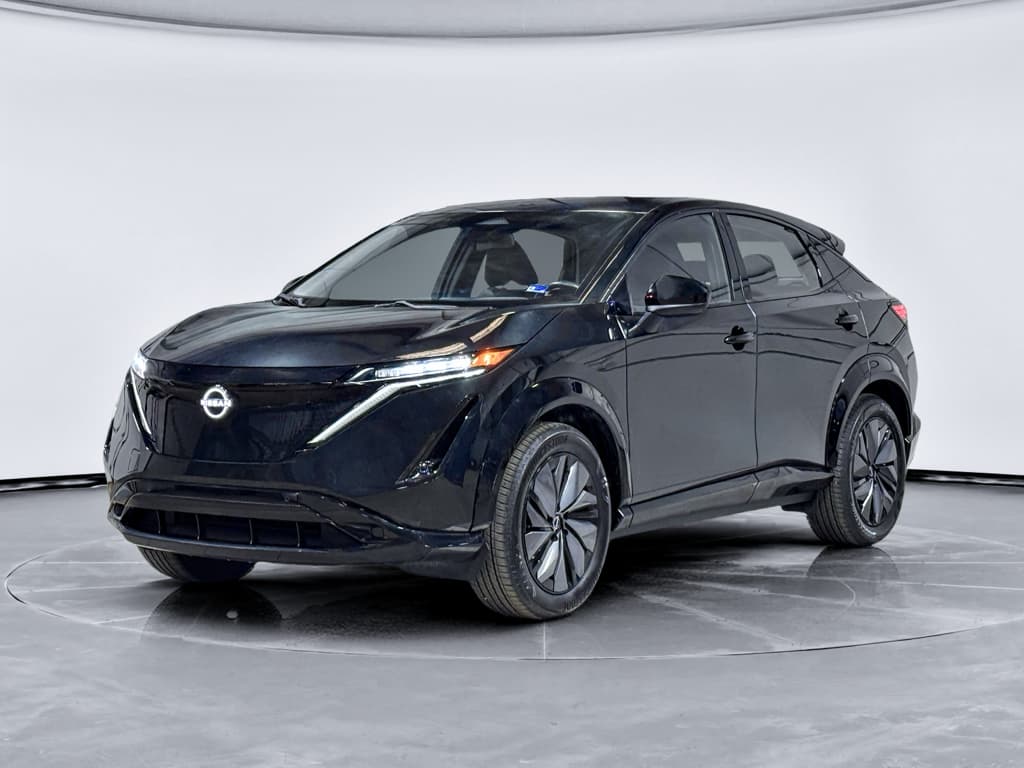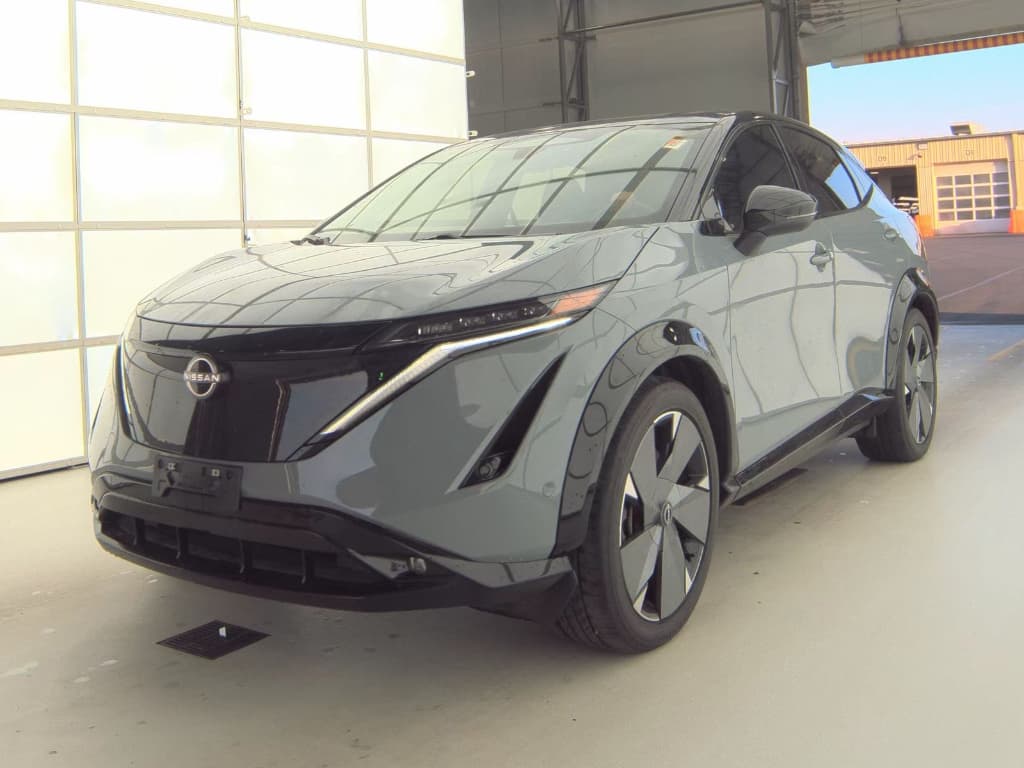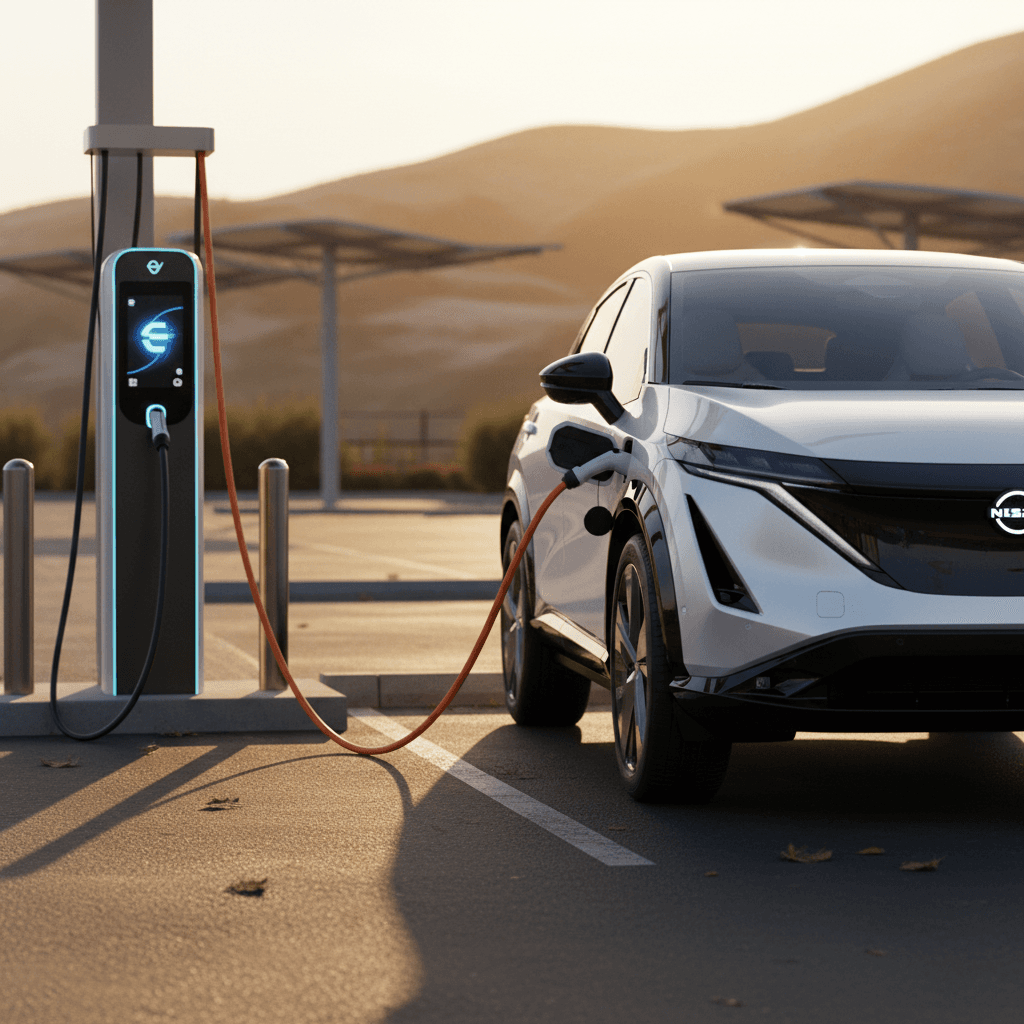
If you’re shopping for a Nissan Ariya, or already driving one, the big question isn’t just range. It’s how fast you can put those miles back in the battery. This Nissan Ariya charging speed guide walks through real home and DC fast charging times, how Tesla Supercharger access works, and what you can actually expect on a road trip, not just in the brochure.
Quick answer: How fast does a Nissan Ariya charge?
Nissan Ariya charging speed overview
Nissan Ariya key charging numbers (2025–2026 models)
On paper, the Ariya’s peak DC fast‑charge rate of about 130 kW doesn’t grab headlines in a world where some rivals boast 200–350 kW architectures. But that’s only half the story. Nissan pairs that peak with a relatively steady charging curve, so your average charging power from 10–80% can be quite competitive, especially on trips where you’re stopping every 150–200 miles anyway.
Think in time, not just kW
Ariya batteries and charging hardware: what you’re working with
Nissan Ariya battery and charging hardware at a glance
These specs cover most 2023–2025 Ariya models sold in North America.
| Battery option | Usable capacity (approx.) | Drivetrain | Onboard AC charger (U.S.) | Max DC fast charge (CCS) |
|---|---|---|---|---|
| Standard pack | ~63 kWh | FWD or e-4ORCE AWD | 7.2–7.4 kW Level 2 | 130 kW |
| Long‑range pack | ~87–91 kWh (market dependent) | FWD or e-4ORCE AWD | 7.2–7.4 kW Level 2 | 130 kW |
Exact equipment can vary by market and trim; always confirm your specific vehicle’s specs.
In the U.S., most Ariya trims pair either a ~63 kWh usable battery or a larger ~87–91 kWh pack with a 7.2–7.4 kW onboard AC charger. That AC charger is what limits your home and workplace charging speed, while the battery and power electronics dictate your DC fast charging rate, which tops out at about 130 kW on a healthy, warm pack.
22 kW AC charger: mostly outside the U.S.
Home charging speed: Level 1 vs Level 2 for the Ariya
Level 1: Standard 120 V outlet
- Power: ~1.2–1.4 kW
- Adds roughly 3–4 miles of range per hour in an Ariya.
- Useful if you drive under 30–40 miles per day and can leave the car plugged in overnight.
- 10–100% from low on the large battery can take 40+ hours.
Level 2: 240 V home or workplace charger
- Power: Typically 7.2–7.4 kW in a U.S. Ariya.
- Adds roughly 25–30 miles of range per hour, depending on efficiency.
- 10–100% from low is usually 9–12 hours, depending on pack size.
- Sweet spot for everyday charging, plug in when you get home, wake up full.
Aim for overnight, not “full in an hour”
How to get the most out of home charging with your Ariya
1. Install a proper Level 2 charger
If you own your home, budget for a 240 V circuit and a <strong>40 A (or higher) Level 2 charger</strong>. Your Ariya will pull up to its onboard charger limit, so a 40 A or 48 A unit gives you full speed and some future‑proofing.
2. Use scheduled charging if your utility offers off‑peak rates
Many utilities offer cheaper power late at night. Use the Ariya’s built‑in timers or your wallbox app to charge when rates are lowest for long‑term savings.
3. Don’t obsess over 100% at home
For daily driving, charging to <strong>70–90%</strong> is plenty and is kinder to the battery over the years. Save 100% charges for road trips when you need every mile.
4. If you rent, look for workplace or community charging
Apartment life doesn’t rule out EVs. Many Ariya drivers rely on <strong>workplace Level 2</strong> or community chargers at grocery stores, gyms, and parking garages for a slow but steady routine.
DC fast charging: real 10–80% times for the Ariya
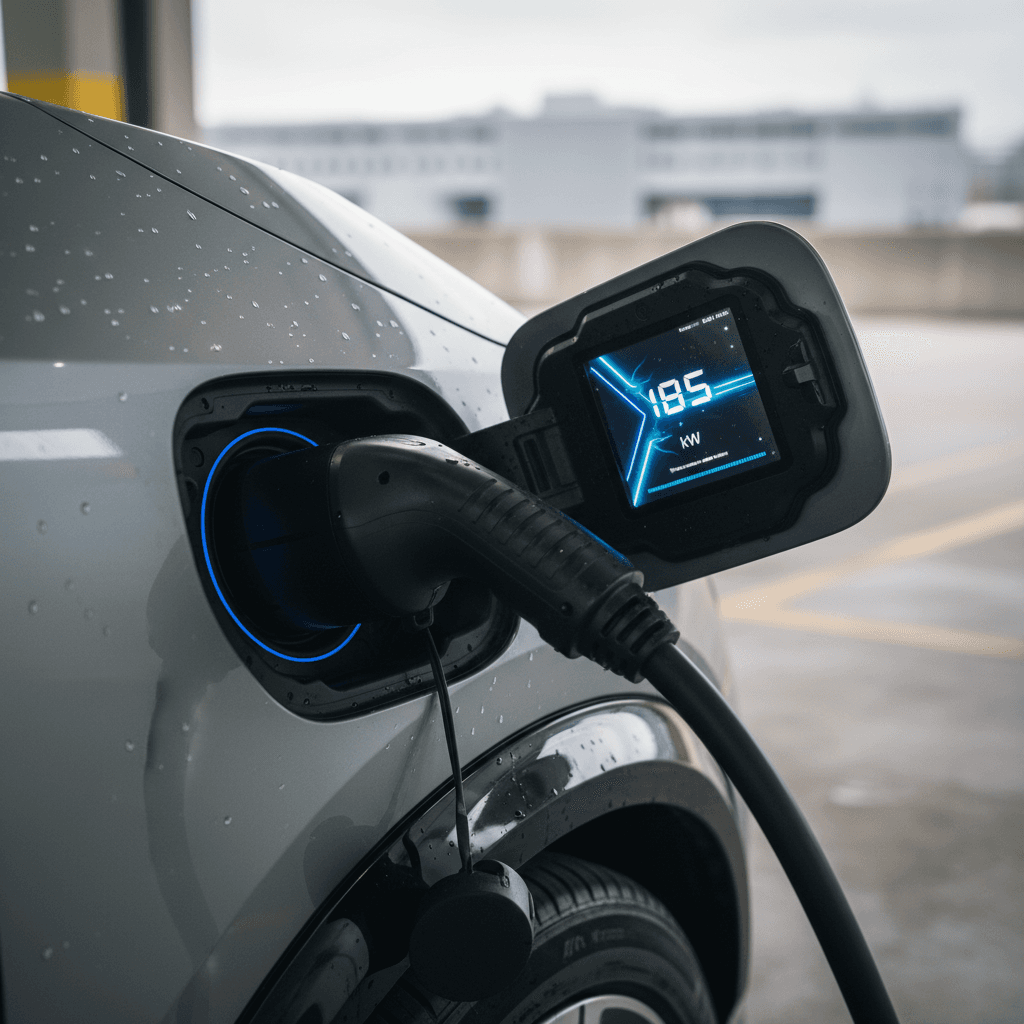
When you’re road‑tripping, the big lever is DC fast charging. Nissan and independent testers consistently show the Ariya’s battery packs topping out around 130 kW on CCS fast chargers, with a reasonably flat curve into the mid‑state‑of‑charge range. That translates into roughly half an hour for a solid chunk of range if you arrive low.
Typical Nissan Ariya DC fast charging times (good conditions)
Approximate 10–80% charge times for newer Ariya models, assuming a healthy battery and a capable DC fast charger.
| Battery pack | SOC window | Typical time | Approx. miles added* |
|---|---|---|---|
| ~63 kWh | 10% → 80% | ~30–35 minutes | ~140–160 miles |
| ~87–91 kWh | 10% → 80% | ~35–40 minutes | ~180–210 miles |
Plan for the high end of the range in winter or at older stations.
About those miles added
- The Ariya typically hits peak power (120–130 kW) somewhere in the 10–40% state‑of‑charge range.
- Charge power then gently tapers but often holds 70–90 kW well into the 60–70% range on a warm battery.
- Beyond about 80%, power drops sharply, fine if you need maximum range, but slow for time per mile.
Cold batteries charge slowly
Using Tesla Superchargers with a Nissan Ariya
Nissan now supports NACS (North American Charging Standard) access for the Ariya, which means you can tap into a huge Tesla Supercharger network with the right hardware. In the U.S., that usually takes the form of a factory‑approved NACS adapter kit sold through Nissan and included with some newer models or packages.
Ariya + Tesla Superchargers: what you need to know
Great coverage, same basic charging speeds as CCS when everything works right.
1. You need a NACS adapter
Your Ariya uses a CCS1 inlet. To plug into a Tesla Supercharger, you’ll need a CCS1→NACS adapter that’s approved for high‑power DC use. Nissan offers a kit; some used Ariyas may already include one, worth asking the seller.
2. Use the Tesla app for access
Most non‑Tesla Superchargers require the Tesla app to start and pay for a session. You select your stall, plug in, and let the Ariya and station negotiate charging power.
3. Expect similar 10–80% times
On a compatible Supercharger, your Ariya’s 130 kW DC limit still applies. In practice, you’ll see similar 10–80% charge times to a strong CCS station, often with better reliability and cleaner sites.
Buying used? Ask about the adapter
How to charge your Ariya faster on road trips
You can’t change the hardware in your Ariya, but you can absolutely change how patient you have to be on the road. The trick is to work with the charging curve instead of fighting it.
Road‑trip charging strategy for Nissan Ariya owners
1. Aim to arrive around 10–25% state of charge
The Ariya charges hardest when the battery is low but not empty. Targeting <strong>10–25%</strong> at each stop keeps you in the sweet spot where power is highest for longer.
2. Charge to 60–80%, then move on
Because power tapers as you climb past 70–80%, it’s often faster over a full trip to <strong>charge less per stop but stop more often</strong>, say 10–70% instead of 10–95%.
3. Use battery pre‑conditioning when possible
In cold weather, turn on the <strong>battery heater or pre‑conditioning</strong> 30–60 minutes before you reach a fast charger. A warm pack pulls much higher power right away.
4. Favor higher‑power stations
Look for DC fast chargers rated <strong>150 kW or higher</strong>. The Ariya can’t use all of a 350 kW unit, but those sites often have newer hardware and better cables that help you hit and hold your 130 kW peak.
5. Stack charging with meals and breaks
Plan stops where you’d naturally pause anyway, lunch, coffee, restrooms. If your Ariya hits 10–80% in 35 minutes while you’re eating, the stop doesn’t feel like a penalty.
Fast charging vs battery health on the Ariya
Like any modern EV, the Nissan Ariya uses a robust thermal management system and conservative battery buffers to protect long‑term health. Nissan’s own materials emphasize that repeated quick charging may slow charging speeds temporarily to protect the pack, but they don’t warn against using DC fast charging altogether. Your behavior, though, still matters over the long haul.
Battery‑friendly charging habits for your Nissan Ariya
You don’t have to baby the car, but a little care goes a long way.
Smart habits
- Use home Level 2 for most charging and save DC fast for trips.
- Try to live between 20–80% for daily use when it’s convenient.
- On road trips, unplug around 80–90% instead of waiting for 100%, unless you truly need it.
- Park in shade or a garage in very hot climates to reduce heat soak.
Habits to avoid
- Letting the car sit at 100% for days when you’re not traveling.
- Frequently running down to 0% and leaving it there.
- Hammering back‑to‑back DC fast charges from low to nearly full on blazing‑hot days.
- Ignoring obvious warnings about battery temperature or reduced charging power.
What we see in high‑mileage Ariyas
Is the Nissan Ariya “slow” to charge? How it compares
If you’ve fallen down a YouTube rabbit hole, you’ve probably heard that the Ariya is “slow” to charge. That’s only partly fair. Yes, its 130 kW peak looks modest against 200–350 kW claims from Hyundai, Kia, or some Teslas. But on a 400‑volt architecture like the Ariya’s, that number doesn’t tell the whole story.
DC fast charging: Ariya vs common rivals (simplified)
High‑level comparison of typical 10–80% DC fast charging behavior for mainstream EVs.
| Model | Battery size (usable, approx.) | Peak DC kW | 10–80% time (good conditions) |
|---|---|---|---|
| Nissan Ariya (63 kWh) | ~63 kWh | ≈130 kW | ~30–35 min |
| Nissan Ariya (87–91 kWh) | ~87–91 kWh | ≈130 kW | ~35–40 min |
| VW ID.4 | ~77 kWh | ≈135 kW | ~30–35 min |
| Hyundai Ioniq 5 (800 V) | ~77 kWh | ≈220 kW | ~18–25 min |
| Tesla Model Y Long Range | ~75 kWh | ≈250 kW (V3) | ~25–30 min |
Numbers are rounded, representative figures to illustrate where the Ariya sits in the pack.
Where Ariya fits in
Real-world charging scenarios and planning tips
Scenario 1: Commuter with home Level 2
You drive 35 miles a day round‑trip and have a 240 V charger in your garage.
- You plug in when you get home most nights.
- Your Ariya only needs 1–2 hours of charging to replace your commute.
- You might set a schedule to stop at 80–90% to be kind to the battery.
Scenario 2: Apartment dweller with mixed charging
You don’t control the wiring where you live, but you have Level 2 at work and a few public options nearby.
- Top up at work 2–3 days a week for a few hours.
- Use a DC fast charger once or twice a month to reset to a high SOC.
- Keep a portable Level 1 cord as a backup at home.
Scenario 3: 600‑mile family road trip
You’re driving an Ariya with the big battery and want to minimize drama.
- Start at or near 100% on departure morning.
- Plan two or three 10–80% DC fast stops every 150–200 miles.
- Stack charging with meals, playground breaks, or hotel check‑ins.
Check the network, not just the map pins
Nissan Ariya charging speed FAQ
Frequently asked questions about Nissan Ariya charging speeds
Wrap-up: Making the most of Nissan Ariya charging
The Nissan Ariya may not own the spec‑sheet crown, but its real‑world charging speed is more than enough for most owners. At home, a solid Level 2 setup quietly refills your battery overnight. On the road, planning 10–80% DC fast charge sessions in the 30–40 minute range, stacked with meals and breaks, turns long drives into a relaxed rhythm instead of a stopwatch exercise.
If you’re evaluating a used Ariya, the key is the health of the battery and how the previous owner charged it. That’s where tools like the Recharged Score come in, giving you a verified snapshot of pack condition before you buy. Get those fundamentals right, learn your particular Ariya’s charging curve, and you’ll find that living with its charging speeds is far easier, and more enjoyable, than the comment sections would have you believe.