If you’re driving, or thinking about buying, a Nissan Ariya, the health of its battery pack is one of the biggest factors in long‑term value. The good news: every Ariya sold in the U.S. comes with an 8‑year/100,000‑mile lithium‑ion battery warranty. The fine print, however, matters a lot, especially around how Nissan defines **capacity loss** and what can void coverage.
Quick Snapshot
Overview: Nissan Ariya Battery Warranty at a Glance
Core Nissan Ariya Battery Warranty Numbers
Nissan applies a common EV battery limited warranty to both the Leaf and Ariya. For the Ariya in the U.S., that means 8 years/100,000 miles of coverage for the high‑voltage battery pack, including protection against certain levels of capacity loss. Many Ariya shoppers hear the headline number and stop there, but understanding how the warranty works in real life is critical, especially if you plan to own the SUV long‑term or buy it used.
Model Status Note
How Long the Nissan Ariya Battery Warranty Lasts
The Nissan Ariya’s lithium‑ion battery warranty is structured as **“whichever comes first”** coverage. That means time and mileage are both ticking clocks, and the warranty ends when either one runs out.
Nissan Ariya Battery Warranty Time and Mileage Limits
How long key warranty components last on a new Ariya sold in the U.S.
| Coverage Type | What It Covers | Duration | Mileage Limit |
|---|---|---|---|
| Lithium‑ion battery limited warranty | Defects in materials/workmanship + qualifying capacity loss | 96 months (8 years) | 100,000 miles |
| Basic limited warranty | Most non‑wear components (bumper‑to‑bumper) | 36 months (3 years) | 36,000 miles |
| Powertrain warranty | Electric motor, reduction gear and related components | 60 months (5 years) | 60,000 miles |
| EV Carefree+ routine maintenance (2023+ Ariya) | Scheduled maintenance at specified intervals | 36 months (3 years) | 36,000 miles |
Actual coverage is based on the original in‑service date and odometer reading. Always confirm exact dates in the Warranty Information Booklet or with Nissan.
From a battery perspective, the headline is simple: you have coverage for 8 years or 100,000 miles, whichever you hit first. If you log heavy mileage and reach 100,000 miles in five years, the battery warranty ends at that point. If you drive lightly, you may still have coverage in year seven or eight even with relatively low mileage.
Pro Tip: Find Your In‑Service Date
What the Ariya Battery Warranty Actually Covers
Nissan’s Ariya battery warranty has two big pillars: coverage for defects in materials or workmanship and protection against excessive capacity loss. Both apply only within the 8‑year/100,000‑mile window and are subject to Nissan’s list of exclusions and owner responsibilities.
- Repair or replacement of lithium‑ion battery components that fail due to defects in materials or workmanship within 96 months/100,000 miles.
- Coverage for capacity loss if the battery drops below a specified level (less than 9 of 12 capacity bars) during the warranty period.
- Labor associated with approved battery repairs or replacement, when performed by an authorized Nissan EV dealer.
- Use of new or remanufactured parts, at Nissan’s discretion, to restore the battery to at least the warranted level of performance.
In practice, if your Ariya’s high‑voltage battery develops a covered defect or loses more capacity than Nissan considers normal within the warranty period, the automaker may repair or replace modules, or, in some cases, the entire pack, to bring performance back within spec.
Not a Bumper‑to‑Bumper Battery Guarantee
Battery Capacity Loss Coverage Explained
Where EV shoppers often get confused is the **capacity loss** portion of the warranty. Nissan doesn’t promise that your Ariya will have a specific number of miles of range after eight years. Instead, it ties coverage to the battery’s on‑screen capacity gauge.
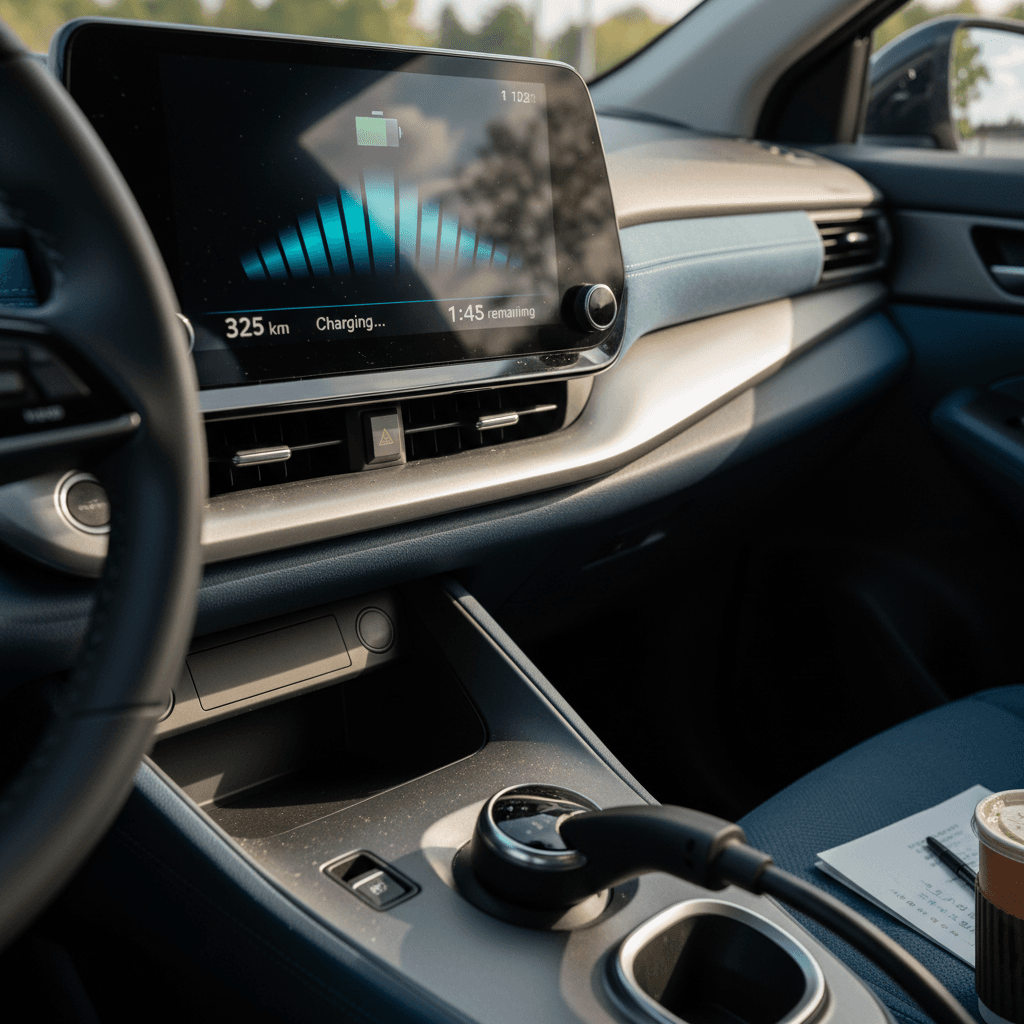
- The Ariya has a **12‑segment battery capacity gauge** on the instrument cluster.
- New vehicles typically display **all 12 bars** when the battery is at full health.
- Nissan’s battery capacity warranty protects you if the gauge drops to **fewer than 9 bars** (that is, 8 or less) within 96 months/100,000 miles.
- If that happens, and use hasn’t violated the warranty, Nissan may repair or replace battery components to restore capacity.
Those bars don’t translate perfectly to miles of range, but dropping from 12 to 8 bars usually signals **significant degradation** beyond what Nissan considers typical. That’s the line where warranty coverage can kick in, assuming the vehicle has been used and maintained within Nissan’s guidelines.
Track Capacity Over Time
What’s Not Covered: Exclusions and Owner Responsibilities
Like every EV battery warranty, the Ariya’s comes with caveats. You’re covered for defects and abnormal loss, but Nissan can deny claims if the battery has been misused, damaged, or exposed to conditions outside what the company considers normal operation.
Common Reasons a Nissan Ariya Battery Claim May Be Denied
Understanding the fine print can save you from surprises later.
Extreme heat or cold misuse
Regularly parking or storing the Ariya in extreme temperatures outside the recommended range, especially for long periods at 100% charge, can accelerate degradation and may be flagged as misuse.
Improper charging or equipment
Use of non‑approved chargers, damaged charge cables, or repeatedly forcing DC fast charging on a malfunctioning system can undermine coverage if Nissan determines it contributed to the damage.
Accident or physical damage
Collision damage, underbody impacts, or water intrusion from floods and deep water crossings are generally excluded from battery warranty coverage.
Unauthorized modifications
Aftermarket battery tampering, unapproved software tweaks, or non‑Nissan repairs inside the pack can void coverage for affected components.
You’re also expected to follow Nissan’s recommended maintenance and usage guidelines, including software updates and periodic inspections. Skipping required updates or ignoring warning lights for long stretches can become an issue if Nissan needs to determine whether the pack was properly cared for.
Don’t Ignore Warning Lights
EV Carefree+ and Related Coverage for Ariya Owners
Beyond the core battery warranty, Nissan wraps 2023 and newer Ariya models into its EV Carefree+ program. This doesn’t change the 8‑year/100,000‑mile battery promise, but it adds support that can indirectly help you take better care of the pack.
- 8‑year/100,000‑mile battery warranty on every Nissan EV, including Ariya.
- 3‑year/36,000‑mile routine maintenance included with purchase or lease of a new Ariya.
- 3‑year/36,000‑mile 24/7 roadside assistance, including EV‑specific help in many markets.
- Charging assistance offers and access to charging at participating Nissan dealers in some regions.
Routine maintenance and software updates matter more than people realize. Keeping the car on schedule gives Nissan a record that you’ve been maintaining the vehicle as intended, which can make warranty conversations smoother if you ever need help with the pack.
How Recharged Fits In
Ready to find your next EV?
Browse VehiclesWarranty Details for Used Nissan Ariya Buyers
Because the Ariya’s battery warranty is tied to the vehicle, not the first owner, used buyers inherit whatever coverage remains on that 8‑year/100,000‑mile clock. That’s a big plus, especially as more Ariyas enter the used market after Nissan’s decision to pause new imports.
Checklist: Evaluating Battery Warranty on a Used Ariya
1. Confirm the in‑service date
Ask the seller, or have a dealer or service like Recharged pull records, to confirm when the Ariya was first sold or leased. This date anchors the 8‑year clock.
2. Verify current mileage
Compare the odometer reading against the 100,000‑mile limit. A three‑year‑old Ariya with 60,000 miles has less remaining warranty than a five‑year‑old one with 30,000.
3. Check capacity bars at full charge
Charge the vehicle to 100% and verify that the capacity gauge still shows close to 12 bars. Anything at or below 9 bars warrants a deeper conversation.
4. Review service history
Look for records of software updates, recall work, and high‑voltage system checks at authorized Nissan EV dealers.
5. Ask about DC fast‑charging habits
Frequent fast charging isn’t automatically a problem, but it’s useful context when you’re judging battery health and future degradation.
6. Get an independent battery health report
A third‑party diagnostic, like the <strong>Recharged Score</strong>, can quantify available capacity and range, going beyond what the dash display shows.
If the original in‑service date was, say, March 2023, the battery warranty runs until March 2031, assuming the vehicle stays under 100,000 miles. A used Ariya purchased in 2028 could still have several years of battery coverage left, and that has real value when you’re comparing it to other EVs.
How to Make a Nissan Ariya Battery Warranty Claim
If you suspect your Ariya’s battery has a defect or has lost more capacity than it should, you’ll need to go through Nissan’s warranty process. It’s not complicated, but preparation helps.
- Schedule an appointment with an authorized Nissan EV dealer and describe your concern (range loss, warning lights, charging behavior, etc.).
- Bring your registration, proof of ownership, and any service records you have, especially from other Nissan dealers.
- Ask the dealer to perform a high‑voltage battery diagnostic and to document capacity, fault codes, and any thermal or cell‑level issues they find.
- Confirm that your Ariya is still within the 8‑year/100,000‑mile battery warranty window based on in‑service date and mileage.
- Request a written summary of the dealer’s findings and whether they’re submitting a warranty claim to Nissan on your behalf.
- If Nissan approves coverage, clarify what repairs or replacements will be performed and whether you’ll receive a loaner or rental reimbursement during the work.
Dealers Are Gatekeepers
Tips to Protect Your Ariya Battery, and Its Warranty
You can’t stop all battery degradation, but your habits have a measurable impact on how quickly your Ariya’s pack ages. Many of the same choices that protect the battery also protect your warranty position if you ever need help.
Everyday Charging Habits
- Aim for 20–80% for daily use. Reserve 100% charges for road trips or when you truly need the full range.
- Don’t leave it at 0% or 100% for long periods. Extended time at either extreme is hard on lithium‑ion cells.
- Favor Level 2 over DC fast charging when time allows. Occasional fast charging is fine; constant fast charging as your only method is less ideal.
Storage, Climate, and Software
- Park in shade or a garage during very hot or very cold weather whenever possible.
- Keep software up to date. Battery management tweaks often come through OTA or dealer updates.
- Address alerts promptly. High‑voltage or battery warnings should trigger a service visit, not a wait‑and‑see approach.
Used Buyer Advantage
FAQ: Nissan Ariya Battery Warranty Details
Frequently Asked Questions About the Nissan Ariya Battery Warranty
Key Takeaways for Ariya Owners and Shoppers
The Nissan Ariya’s 8‑year/100,000‑mile battery warranty is competitive with the broader EV market and offers real protection against both manufacturing defects and excessive capacity loss. But it’s not a blank check. Your charging habits, climate, maintenance history, and response to warning lights all help determine whether you’ll ever need that coverage, and how smoothly a claim will go if you do.
If you already own an Ariya, follow Nissan’s guidelines, keep good records, and periodically check your capacity gauge. If you’re shopping for a used one, look beyond the marketing headline. Confirm in‑service dates, remaining warranty, and actual battery health so you know what you’re paying for. Recharged was built to make that process simpler: every used EV we list includes a Recharged Score Report with verified battery diagnostics, transparent pricing, and specialist support from search to delivery.