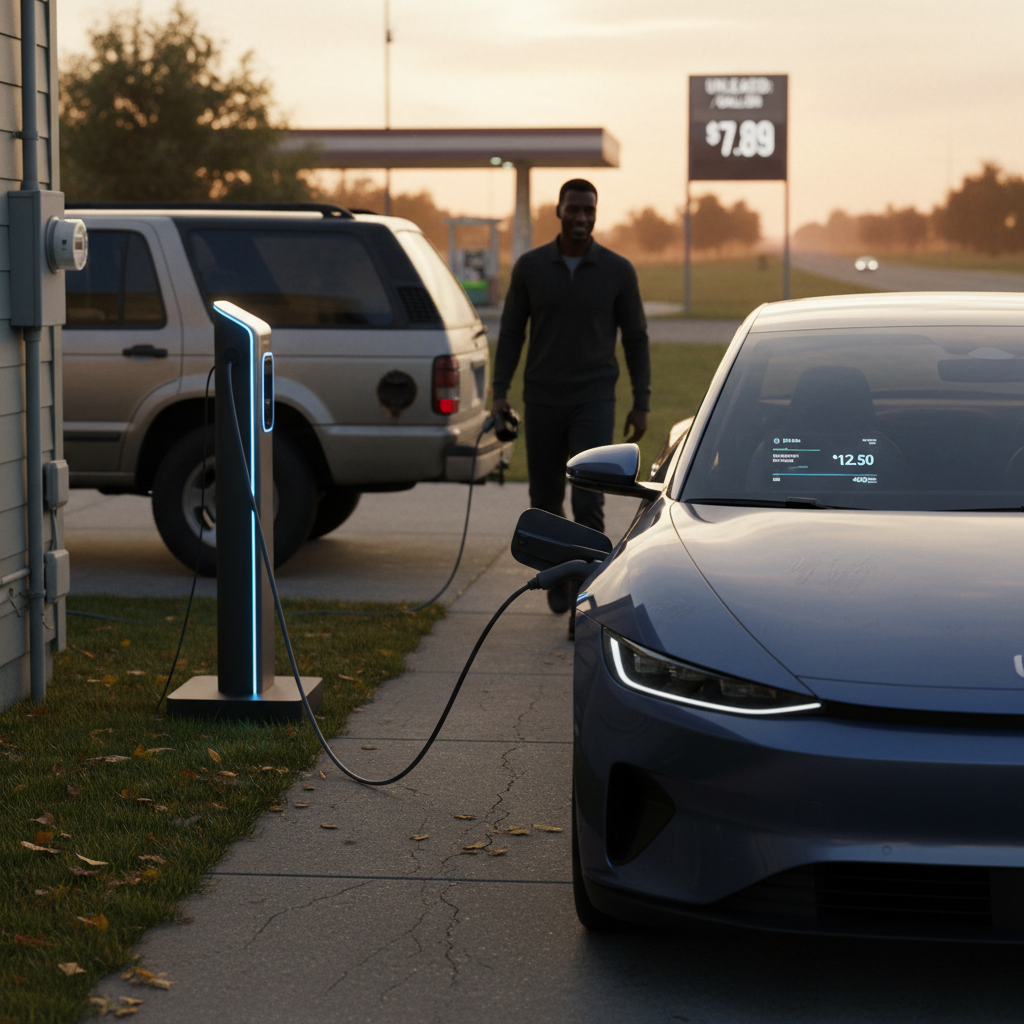
In 2026, the phrase “New York used EV incentives” is a little bittersweet. The firehose of federal tax credits that helped launch the EV market has been turned way down, especially for used cars. But if you’re shopping for a second‑hand electric vehicle in New York, there are still ways to stack savings, just not always where you expect them.
Context: why 2026 is different
Overview: New York used EV incentives in 2026
Let’s start with the blunt truth: there is no big, headline New York State rebate designed specifically for used EV purchases in 2026. The state’s flagship program, NYSERDA’s Drive Clean Rebate, is aimed squarely at new plug‑in vehicles purchased or leased from participating dealers.
- Federal used EV tax credits that survived the Inflation Reduction Act have largely sunset for purchases after September 30, 2025.
- New York’s Drive Clean Rebate is still active in 2026 but only for qualifying new EVs at participating dealers, not for private‑party or used‑car‑lot deals.
- There is no statewide, point‑of‑sale rebate program for used EVs comparable to the new‑car Drive Clean Rebate.
- However, New York drivers can still tap into a mix of utility rebates, charging incentives, local perks, and deeply discounted used EV prices to bring ownership costs down.
New York’s EV landscape heading into 2026
So while you can’t just show up at a dealer and knock $4,000 off a used EV with a single New York incentive, you can still design a purchase that takes advantage of what’s left on the table. The rest of this guide walks through each layer: federal, state, local, utility, and finally smart shopping tactics.
Where federal used EV tax credits stand in 2026
For a few shining years, the federal used clean vehicle credit offered up to $4,000 off a qualifying used EV bought from a dealer, with income and price caps. That was the cornerstone of many “used EV incentive” conversations.
Key change: federal used EV credit largely gone
- If you bought a qualifying used EV on or before September 30, 2025, you may still be dealing with the credit on your 2025 or 2026 tax returns, depending on when you filed and whether you transferred it at the point of sale.
- For purchases on or after October 1, 2025, the familiar 30% up to $4,000 used clean vehicle credit is no longer available.
- There is ongoing policy talk in Albany and Washington about supporting the used EV market, but as of April 2026 nothing comparable has replaced the old federal used EV credit.
The practical implication: when you’re running the numbers on a used EV in New York in 2026, treat the federal incentive line as zero. If anything changes mid‑year, Congress revives a credit, or the IRS clarifies edge cases, that’s gravy, not a foundation.
New York State incentives: do they help used EV buyers?
New York’s best‑known EV incentive is the Drive Clean Rebate for Electric Cars, administered by NYSERDA. It offers up to $2,000 at the point of sale when you buy or lease an eligible new plug‑in vehicle from a participating dealer. In 2026, the program continues to be funded and actively promoted, but it does not apply to used vehicles.
New York incentives and whether they apply to used EVs
Quick reference for which statewide programs can impact a used EV purchase in 2026.
| Program | Type | Applies to used EV purchases? | How it can still help a used EV owner |
|---|---|---|---|
| NYSERDA Drive Clean Rebate | Point‑of‑sale rebate on eligible new EVs | No | Indirect benefit: grows the pool of future used EVs and pushes down prices. |
| State EV sales tax exemption on first $35k (select areas) | Partial state/local sales tax break on qualifying EVs | Mostly structured around new sales | Impact on used EVs is limited and highly dependent on local adoption and specific vehicle pricing. |
| Charge Ready NY & Make‑Ready programs | Incentives for charging infrastructure | Not purchase‑specific | Can lower the cost of installing or accessing chargers at home, work, or multifamily buildings. |
| NYS clean transportation & climate funds | Grants, pilots, and fleet programs | Usually fleets/new purchases | Help bring more EVs into service fleets that eventually enter the used market. |
Most statewide dollars flow to new EVs and charging, not directly to used EV purchases.
Used ZEV rebate proposals
In other words, New York State is absolutely pro‑EV, but its money is still aimed primarily at the front end of the vehicle lifecycle. As a used‑EV shopper, you feel the benefit more through lower market prices and better infrastructure than through a single line item on your bill of sale.
Local, NYC and utility benefits for used EV owners
Where used‑EV buyers in New York can still win is in the messy but meaningful layer of local perks and utility‑run incentives. These rarely care whether your vehicle was new or used; they care that it’s electric.
Utility & local perks that still help used EV buyers
Most of these programs care about your plug, not your purchase date.
Time‑of‑use (TOU) electric rates
Utilities like Con Edison, National Grid, and NYSEG continue in 2026 to offer EV‑friendly TOU rates that reward you for charging overnight.
- Lower per‑kWh prices off‑peak
- Can cut annual charging costs by hundreds vs. flat rates
- Applies whether the car is new or used
Home charger & make‑ready rebates
NYSERDA and utilities run Charge Ready NY and make‑ready programs that help pay for Level 2 chargers and wiring, especially in multifamily and workplace settings.
Again, they don’t care if your EV is used, they care that someone will plug in.
Local parking & access perks
Some municipalities and private garages in NYC and other cities offer:
- Discounted EV parking passes
- Priority spots near chargers
- Occasional toll or congestion pilots favoring EVs
These are typically vehicle‑type based, not purchase‑date based.
None of this gives you that instant adrenaline hit of seeing $2,000 knocked off the purchase price. But over a 3–5‑year ownership window, cheaper home charging and better access can rival the value of a one‑time rebate, especially if you’re starting from a lower used‑car price.
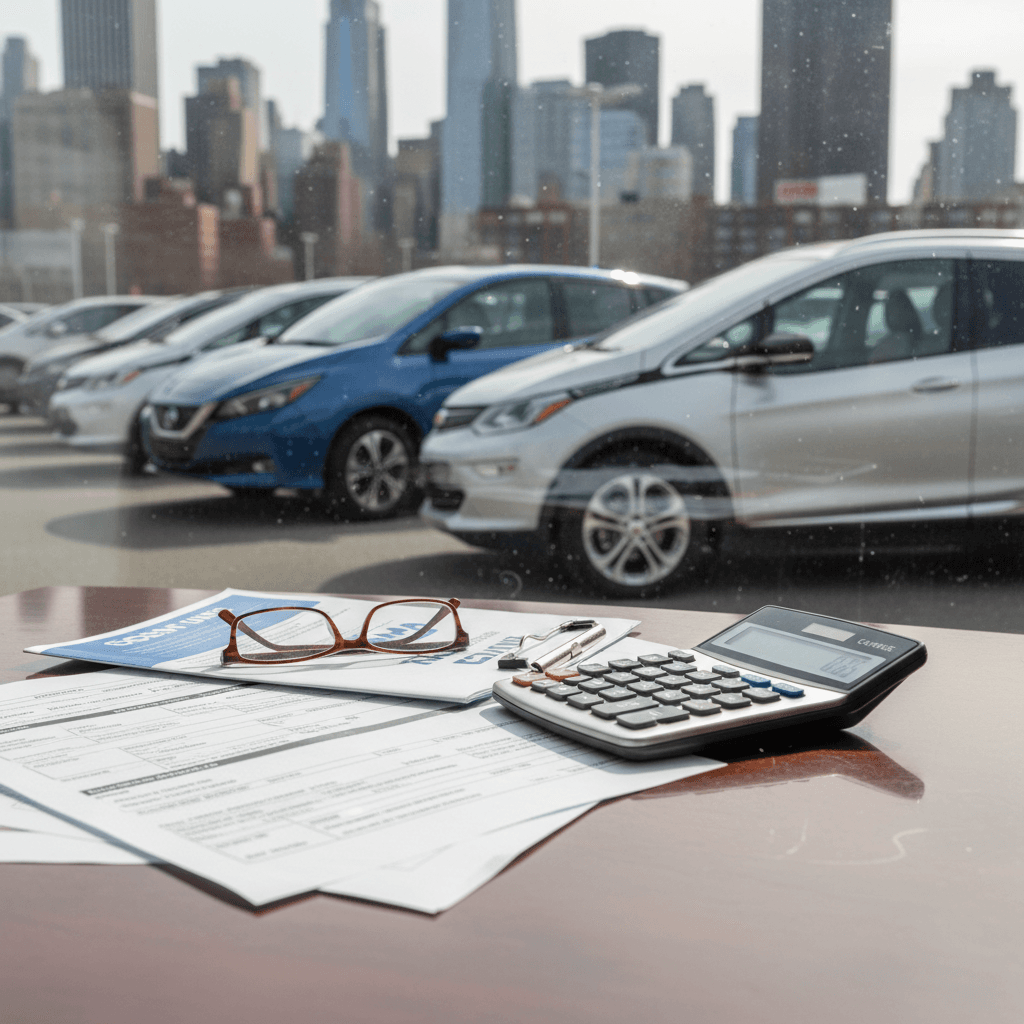
How much can you really save on a used EV in New York?
If you’re trying to decide between a new EV with a state rebate and a used EV without one, you’re not comparing apples to apples, you’re comparing total cost of ownership. Let’s sketch out a realistic 2026 scenario.
Scenario A: New EV with state rebate (no federal)
- MSRP: $42,000
- Dealer discount: −$1,000
- NYSERDA Drive Clean Rebate: −$2,000 (if eligible)
- Net price: $39,000 before taxes/fees
- Depreciation: steep in first 3 years
You get the latest tech and warranty, but you’re eating that early‑life value drop.
Scenario B: 3‑year‑old used EV in 2026
- Original MSRP: $50,000
- Typical 3‑year depreciation: 40–50%
- Realistic used price: $25,000–$30,000
- Direct incentives: usually $0
- Ownership costs: similar energy + maintenance profile
No rebate fireworks, but you’re starting from a much lower price floor.
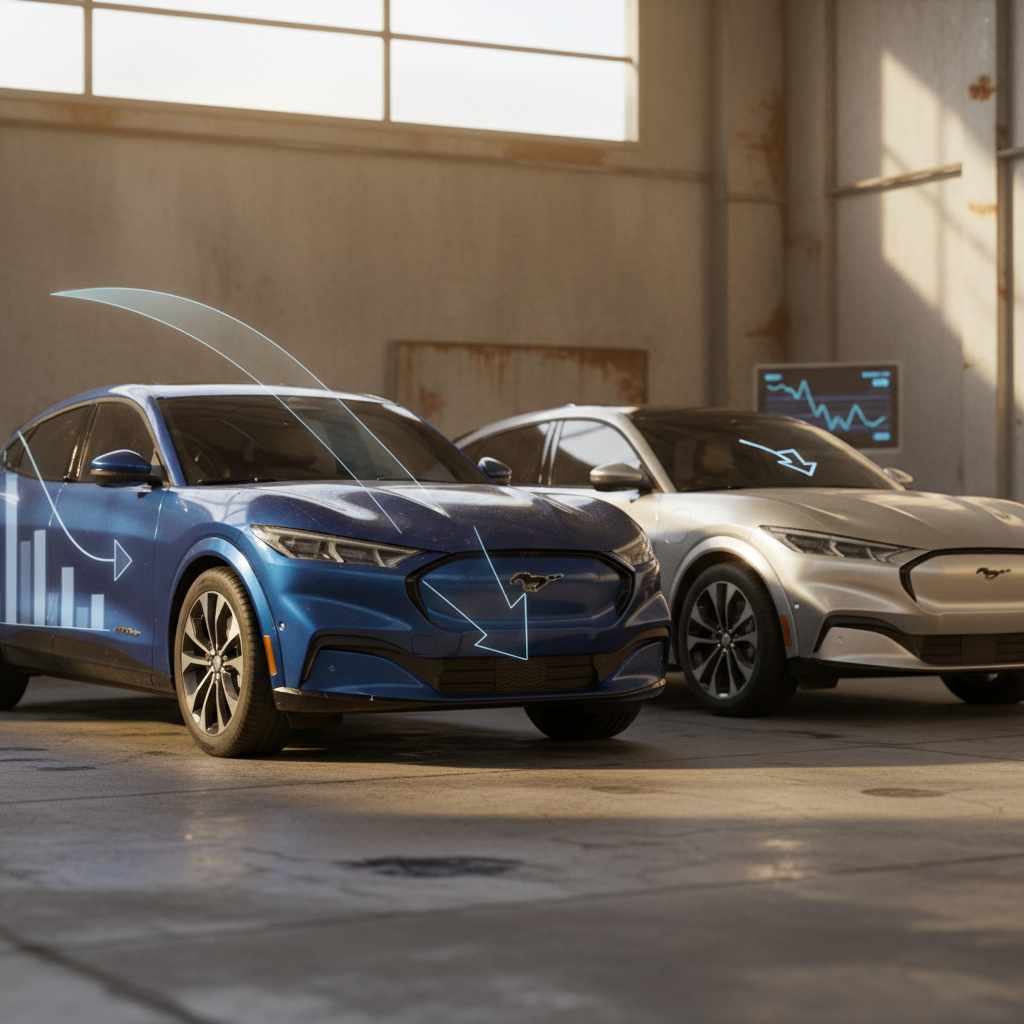
The hidden incentive: depreciation
This is why savvy shoppers treat purchase price, charging costs, and financing terms as their real incentives in 2026. The policy fireworks may have moved on, but the spreadsheet still smiles on the right used EV.
Eligibility rules & common fine print for used EV incentives
Even though the big federal and state rebates no longer drive the deal for used EVs, the programs that remain, utility rebates, charging incentives, even employer benefits, come with their own rulebooks. Miss a detail and you leave money on the table.
Fine print to check before you count on any incentive
1. New vs. used vehicle definitions
Some programs define “used” very specifically (for example, at least two years old, or previously titled to someone else). Make sure your EV meets the program’s legal definition, not just your gut sense of “pre‑owned.”
2. Dealer vs. private‑party purchase
Many historic credits applied only to purchases from a licensed dealer. In 2026, most remaining incentives target charging equipment or your electric bill, not the vehicle purchase itself, but if a local perk mentions a dealer, read that line twice.
3. Residency and registration requirements
State and utility programs typically require the car to be registered in New York and the service address (for electric bills) to sit in the right territory. Buying in New Jersey and registering in Brooklyn is fine; registering in Jersey and trying to claim a Con Edison EV rate is not.
4. Income caps and means‑testing
Where incentives do still exist for vehicles or charging hardware, they may favor low‑ and moderate‑income households. You might see tiered benefit levels or caps tied to household income and size.
5. Application deadlines & pre‑approval
Utility rebates, especially for home chargers, often require pre‑approval or proof of purchase within a set window (90 or 180 days). Don’t install a charger, toss the invoice, and assume you can claim a rebate a year later.
6. Stacking rules
Some programs explicitly allow or prohibit stacking with other incentives. In 2026 you’re mostly stacking <em>small</em> benefits, but if you’re combining, say, a Con Edison charger rebate with a NYSERDA program, confirm the order of operations in writing.
Strategies to save on a used EV even with fewer credits
In this new era, buying a used EV in New York is less about gaming tax code and more about picking the right car, at the right price, with the right running costs. Here’s how you tilt the board in your favor.
Four high‑impact ways to “create your own incentive”
You may not get a giant rebate check, but you can still win the math.
Target underrated models
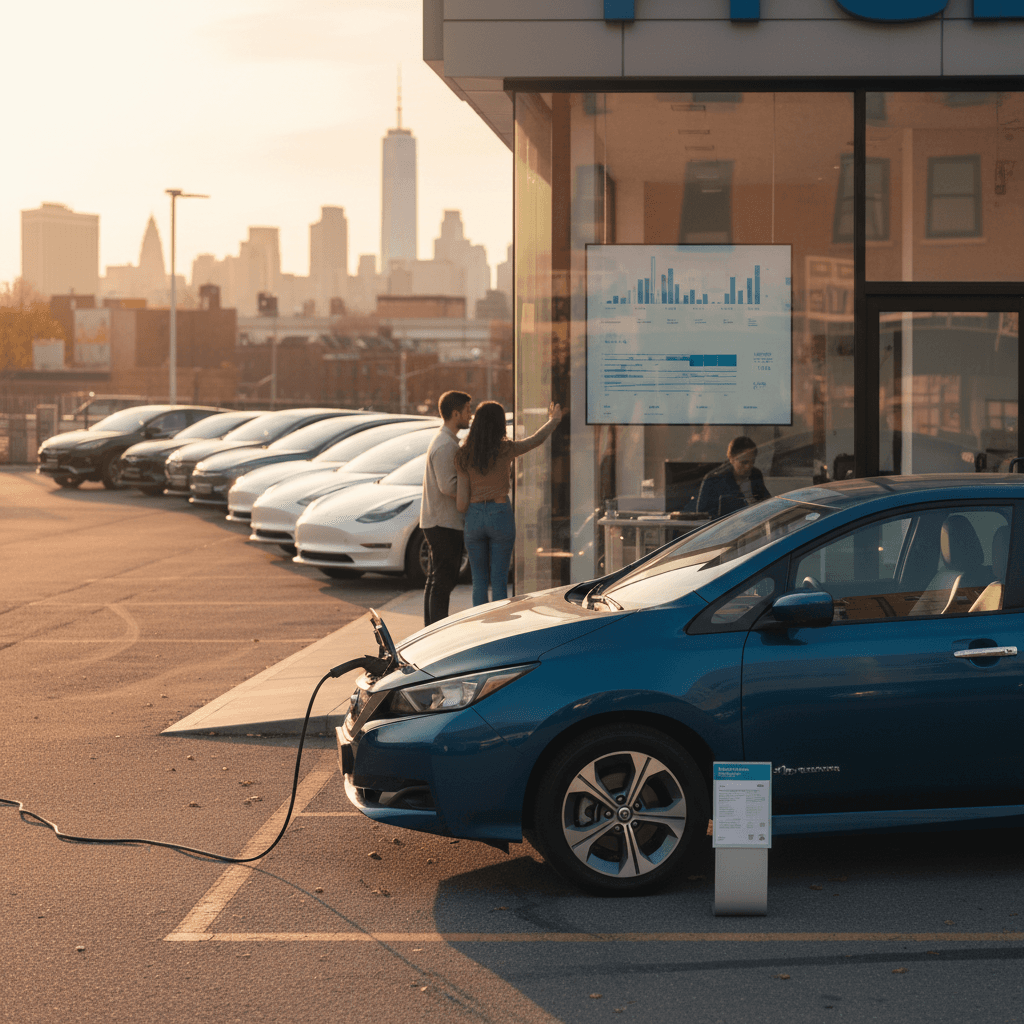
In 2026, certain used EVs are better than their resale values suggest, early Hyundai/Kia crossovers, Chevy Bolt EUVs, or previous‑gen Nissan Leafs, for example.
Because new EV prices stayed high while incentives shrank, these older models often deliver the best cost‑per‑mile value in the state.
Insist on real battery health data
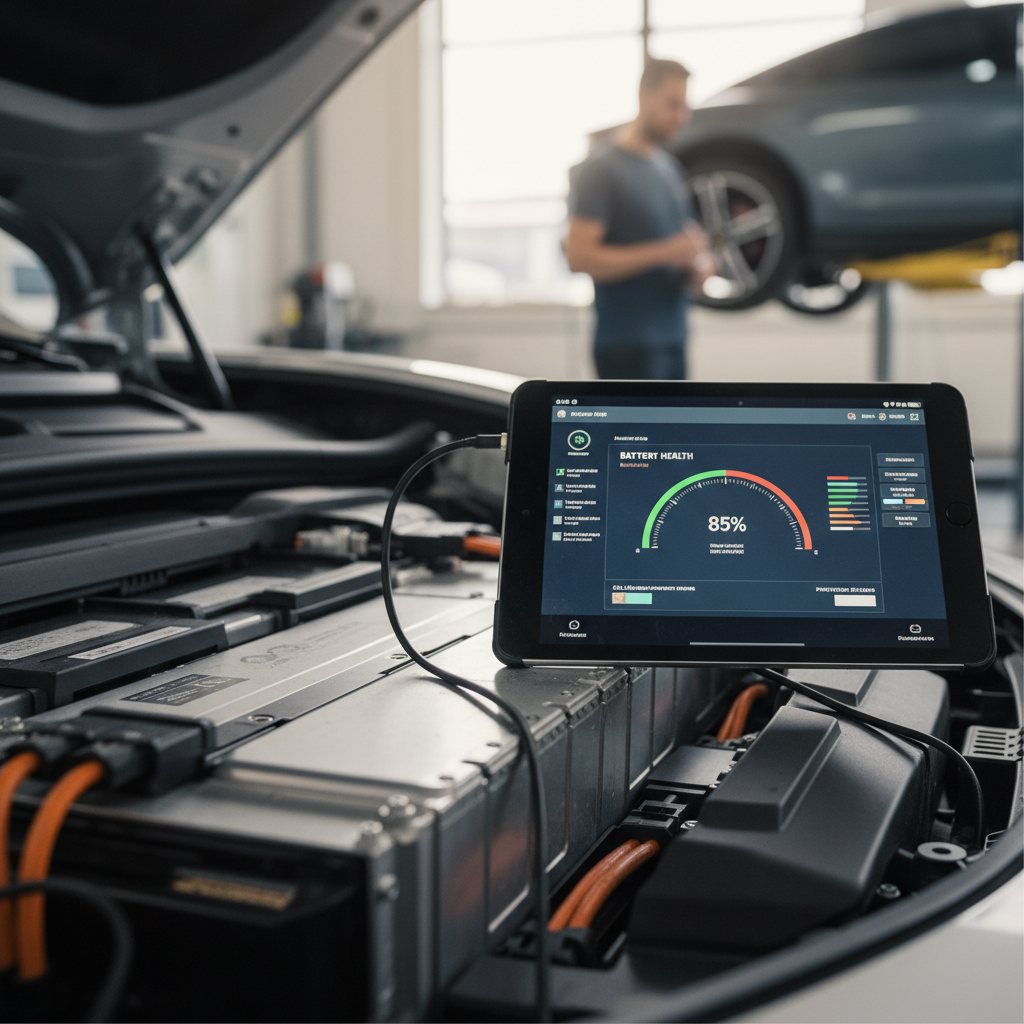
The battery is the heart of a used EV deal. Look for vehicles with third‑party battery diagnostics, such as a detailed health report instead of just a dashboard guess.
Every vehicle sold through Recharged comes with a Recharged Score Report that verifies battery health, so you aren’t buying range anxiety in disguise.
Use financing as a hidden incentive
With big tax credits gone, APR and loan structure matter more than ever. A slightly higher purchase price with a lower rate can beat a “cheaper” car with bad financing over 5–6 years.
Pre‑qualification tools, like Recharged’s digital financing flow, let you see your real terms without hurting your credit score.
Optimize your charging setup
Pair a used EV with a smart home‑charging plan and TOU rate. The difference between Manhattan street charging and Queens overnight Level 2 on a TOU plan can be $600+ a year.
Over five years, that’s the equivalent of a vanished tax credit quietly reappearing on your utility bill.
Think like a fleet manager
How Recharged helps New York shoppers navigate 2026 incentives
The incentives may have gotten more complicated, and less generous, but you shouldn’t need to become a tax attorney to buy a car. This is exactly the problem Recharged was built to solve for used EV shoppers.
- Transparent pricing on used EVs: Recharged benchmarks every car against fair‑market data, so you can see how much discount you’re really getting versus new models and versus comparable listings in New York.
- Recharged Score battery health diagnostics: Every vehicle includes a detailed battery report, so you can weigh the car’s health against any remaining factory warranty and your expected mileage.
- Financing built for EV buyers: You can pre‑qualify online with no impact to your credit, compare terms, and see how different down payments and APRs affect your real monthly cost.
- Trade‑in and instant offer options: Rolling a gas car into the deal can behave like an incentive of its own; Recharged can make an instant offer or consign your existing vehicle to maximize value.
- Guided help on incentives and rates: Our EV‑specialist team can walk you through which New York utility programs, TOU rates, or local perks might apply to your situation, and how to document them for your records.
- Nationwide delivery with a New York‑ready experience: Even if the car starts life outside New York, Recharged handles the details so you can register and plug in here with minimal drama.
From incentives to outcomes
Ready to find your next EV?
Browse VehiclesFAQ: New York used EV incentives in 2026
Frequently asked questions
Bottom line: buying a used EV in New York in 2026
If you came looking for a magic coupon labeled “New York used EV incentive 2026”, the reality is more nuanced. The era of simple, generous federal and state checks for used EVs has passed, for now. But the combination of a more mature used‑EV market, aggressive state climate goals, and quietly valuable utility programs means the deals didn’t disappear; they just got less obvious.
Treat incentives as a supporting actor, not the star. Choose a used EV with a rock‑solid battery, a sensible price, and a charging plan that takes advantage of New York’s evolving grid. If you’d like a co‑pilot for that process, Recharged brings together verified battery health, transparent pricing, expert EV guidance, and flexible financing so you can make a 2026‑proof decision, no tax gymnastics required.