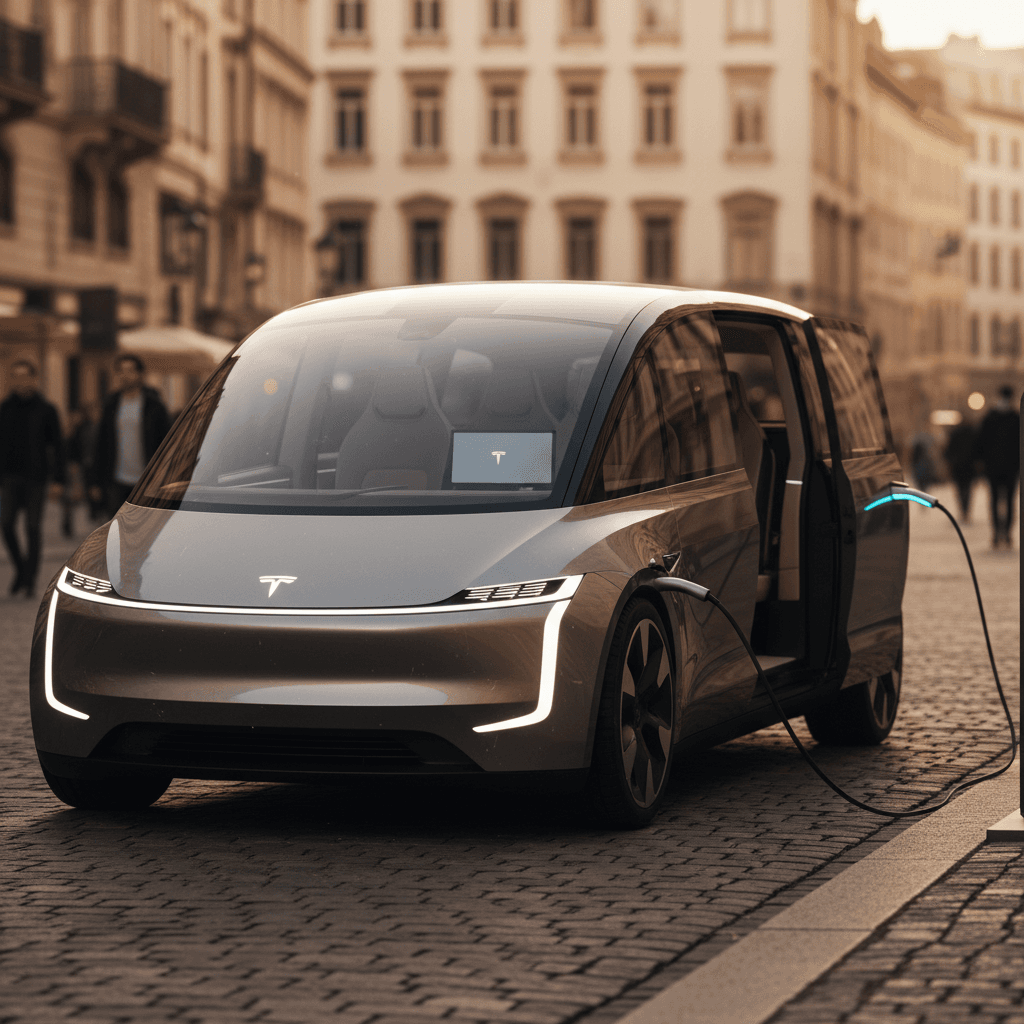
If you’ve been holding out for a new Tesla van, something that can haul kids, cargo, or clients with the same swagger as a Model 3, you’ve probably noticed a problem: it still doesn’t exist. There are plenty of rumors, a "Robo Van" concept, and hints from Elon Musk, but no production Tesla van you can order today. In the meantime, rival brands are quietly rolling out serious electric vans and three-row EVs you can actually buy or shop used right now.
Quick reality check
Does a new Tesla van actually exist yet?
Let’s start with the simplest part: no new Tesla van is on sale anywhere in the world today. There is no order page on Tesla’s site, no official specs, and no EPA-rated range numbers for any Tesla minivan, cargo van, or shuttle.
- No Tesla passenger van in production
- No Tesla commercial delivery van in production
- No firm reveal or launch date on Tesla’s official product roadmap
- Only hints, tweets, and offhand comments about future van ideas
Beware of "announcement" clickbait
What Elon Musk has actually said about a Tesla van
Tesla’s CEO has floated the idea of a van several times over the last few years, usually in broad strokes rather than concrete details. He’s referenced both a Robo Van intended for future autonomous transport and, more recently, a more conventional people mover/minivan idea after being called out for Tesla not having a truly big-family vehicle.
Two different Tesla van ideas Musk has teased
Neither is a production-committed product yet
Robo Van concept
A large, high-capacity vehicle Musk has linked to future robotaxi and shuttle use, moving 15–20+ people at a time. Tied to Tesla’s ambitions for autonomous ride-hailing, not today’s family-hauler market.
Family-oriented Tesla minivan
In response to questions about fitting more than seven passengers, Musk has acknowledged the gap and indicated Tesla is exploring a more conventional minivan or big-family EV. No timeline, specs, or design have been confirmed.
How to read Musk’s hints
How a Tesla van could fit into Tesla’s lineup
If Tesla does green‑light a van, it has two clear lanes: a family minivan to replace suburban SUVs, and a commercial van to compete with Rivian, Mercedes, GM and others. Each requires different trade‑offs in range, packaging, and pricing.
Family-focused Tesla van
- Three rows with adult-usable seating, plus real luggage space.
- Likely to share tech and components with existing Tesla platforms.
- Would need competitive range (250–300+ miles) and fast-charging to win road-trip duty.
- Interior UX would matter as much as 0–60 times: sliding doors, easy third-row access, kid-proof materials.
Commercial or shuttle Tesla van
- More like Rivian’s EDV or Chevrolet BrightDrop: prioritizing cargo volume and uptime over style.
- Ideal for urban delivery fleets or airport shuttles tied into Tesla’s software ecosystem.
- Could be a testbed for autonomy and Optimus robots working inside factories or depots.
- Pricing and durability would have to compete with incumbent van makers.
Where a Tesla van would sit in the EV landscape
Realistic timeline for any new Tesla van
Why a near-term Tesla van launch is unlikely
Between refreshing existing models, ramping Cybertruck, launching Robotaxi services, and pouring R&D into Optimus robots, Tesla’s bandwidth for an all‑new vehicle class is limited. Even if a van were green‑lit tomorrow, you’d still be looking at years, not months, before you could reasonably expect to take delivery.
Planning your own timing
Electric vans you can buy before any Tesla van arrives
While Tesla debates what a van should be, other automakers have actually shipped them. If you care more about moving people or packages than about the badge on the nose, there are already credible electric vans on the market, and increasingly on the used market.
Key electric vans on the market today
A snapshot of notable electric vans you may see new or used in the U.S. and globally.
| Model | Type | Key Use Case | High-Level Notes |
|---|---|---|---|
| Rivian EDV / Delivery | Cargo van | Parcel delivery, service fleets | Built for Amazon and now other fleets; multiple sizes (500/700/900); strong Rivian software integration. |
| Chevrolet BrightDrop | Cargo van | Urban and regional delivery | Ultium-based electric van; two lengths; sold via select Chevy dealers with growing fleet deployments. |
| Mercedes electric V-Class (coming) | Luxury minivan | Premium people mover | All-electric V-Class slated for U.S. around 2026 on VAN.EA platform; more shuttle and VIP than work van. |
| VinFast EC Van | Mini cargo van | Small urban businesses | Compact electric city van launched in Vietnam; shows how quickly non-U.S. brands are entering the segment. |
| Chinese and EU city vans | Compact vans | Last‑mile delivery | A growing wave of compact EV vans not all sold in the U.S. yet but important competitive pressure. |
Always verify exact specifications and U.S. availability by model year, ranges and configurations change quickly.
Think beyond the Tesla logo
Three-row EVs as practical Tesla van alternatives
Not everyone truly needs a van. If you’re mainly hauling five to seven people and weekend gear, a three-row EV SUV can be more efficient, easier to park, and easier to find on the used market today, Teslas included.
Common EV stand-ins for a future Tesla van
All available new or used well before any Tesla van arrives
Tesla Model X
The only Tesla with a true three-row layout. Not cheap, but on the used market you can avoid new‑car pricing while still getting long range, Supercharger access, and plenty of performance.
Tesla Model Y (7-seat)
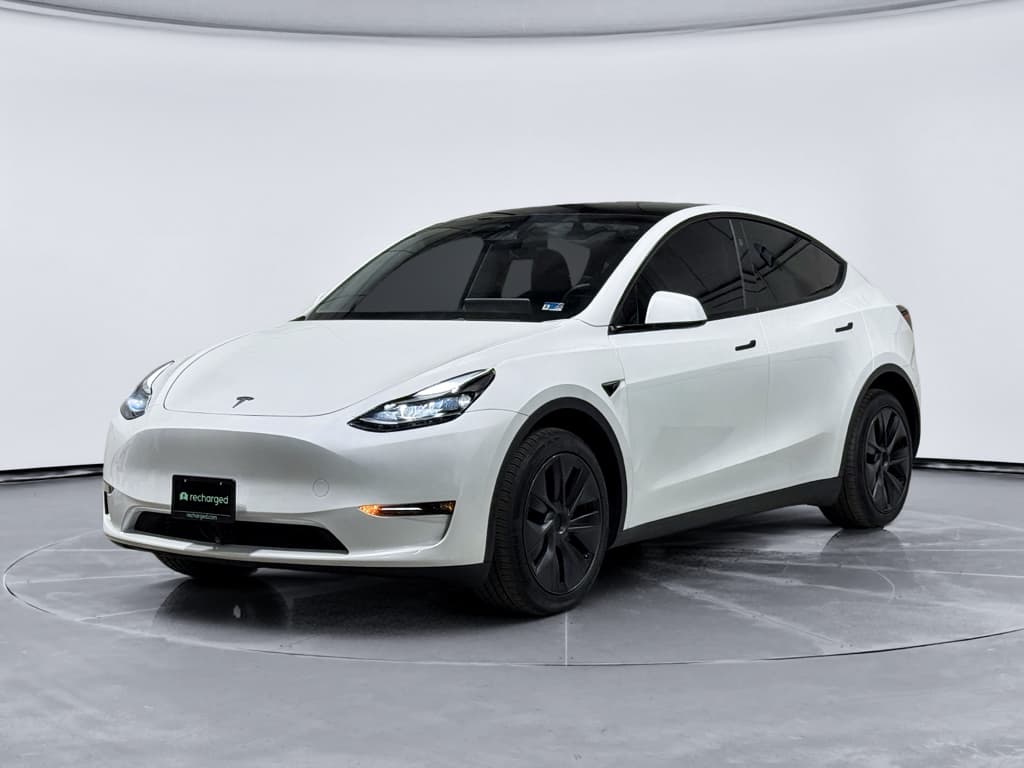
Optional third row is best for kids and short trips, but for many households it covers 95% of van duty. Used examples are plentiful and often more affordable than a new three-row ICE SUV.
Non-Tesla 3-row EVs
Depending on market and model year, options can include three-row EV crossovers and minivan-style models from Hyundai, Kia, Mercedes and others, many of which are now entering the used market.
Where Recharged fits in
Ready to find your next EV?
Browse VehiclesHow to shop used electric vans and 3-row EVs smartly
Whether you’re replacing a worn‑out minivan or electrifying a small fleet, the smartest move is to treat today’s options like a real market, not a placeholder until a hypothetical new Tesla van appears. That means focusing on fit for purpose, battery health, and total cost of ownership instead of future promises.
Checklist for evaluating a used EV van or 3-row EV
1. Start with the job, not the brand
Write down what you actually need: passengers, cargo volume, typical daily range, climate, and whether you can install home or depot charging. Then filter vehicles against that reality instead of chasing hype.
2. Look beyond EPA range
Real‑world range in winter, with a full vehicle and highway speeds, can be significantly lower than the sticker number. Use owner reports, independent tests, and route planning tools to pressure-test your use case.
3. Verify battery health
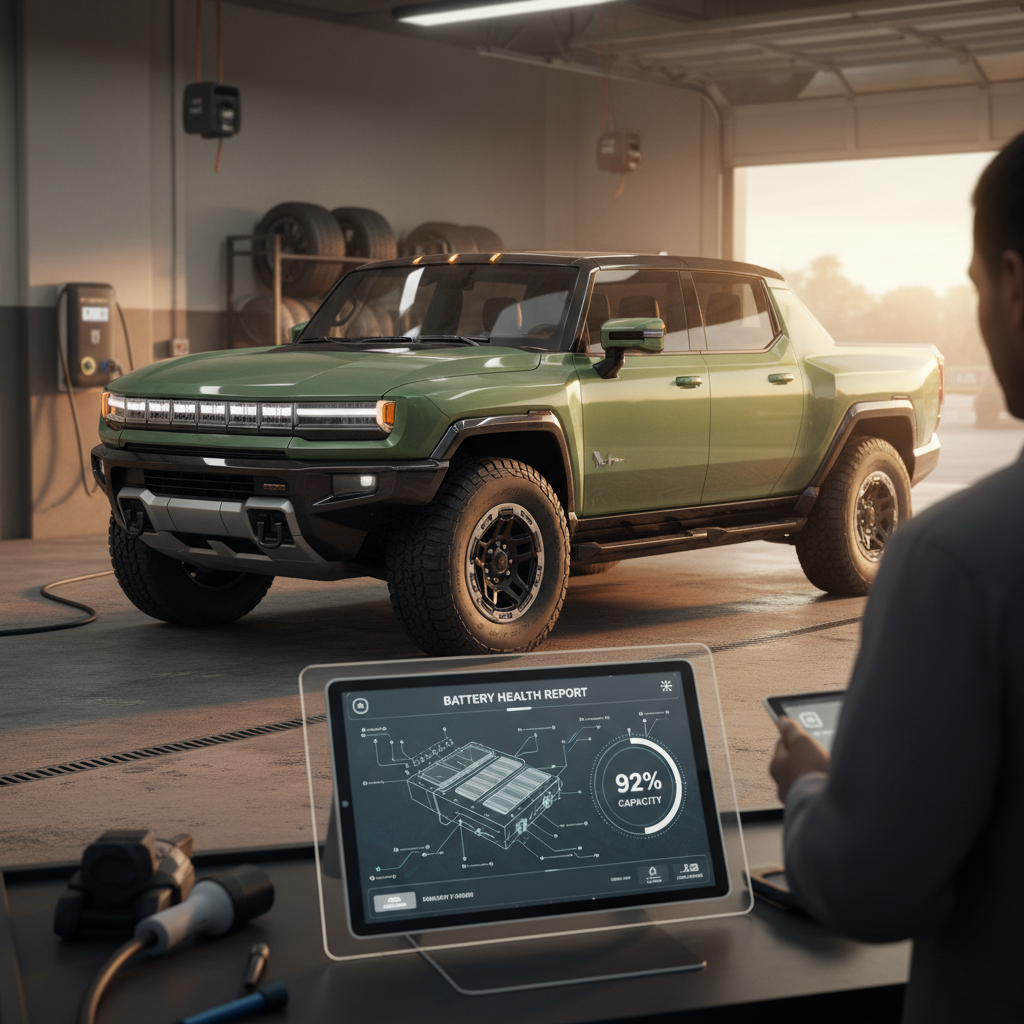
In a used EV, the battery is the big-ticket item. Recharged’s <strong>Score Report</strong> includes verified battery diagnostics so you know how much usable capacity remains before you buy.
4. Map out your charging strategy
For family use, Level 2 home charging is usually non‑negotiable. For fleets, depot charging combined with occasional DC fast charging can cut fuel and downtime dramatically compared with gas vans.
5. Model total cost of ownership
Compare monthly payment, electricity vs. fuel, maintenance, and any tax incentives over 5–8 years. A used EV can often beat a new gas van on cost, even if the upfront price looks similar.
6. Consider resale and flexibility
Ask yourself what happens if your needs change. Popular models with strong charging support and good battery health tend to hold value better and are easier to redeploy in a fleet or resell later.
Don’t let hype stall critical decisions
FAQ: New Tesla van rumors and buying decisions
Frequently asked questions about the new Tesla van
Bottom line: Should you wait for a new Tesla van?
A genuine new Tesla van, whether it’s a family minivan or a commercial workhorse, would be a big deal. Tesla’s software, charging ecosystem, and brand recognition could make it compelling. But until Tesla commits to a design, factory, and launch date, a van is just another item on an already crowded promise board.
If your need is theoretical, feel free to watch the rumors and dream. If your need is real, daily family duty, expanding a delivery fleet, replacing aging shuttles, the pragmatic move is to buy the best electric vehicle for your job today, not the one that might exist in three or four years.
That’s where Recharged comes in. You can shop used EVs online, from three-row SUVs to commercial vans, backed by a Recharged Score Report on battery health and pricing, financing and trade‑in options, nationwide delivery, and EV‑savvy humans who’ll walk you through the trade‑offs. If and when a new Tesla van finally becomes real, you’ll be in a far better position to decide if it’s worth your next upgrade.