Search trends for “new cars electric” have exploded for a reason: in 2025 you can buy an electric hatchback under $30,000, a three-row family SUV, or even a work-ready pickup, all powered by electrons, not gasoline. The challenge isn’t finding a new electric car; it’s figuring out which one actually fits your life and your budget.
Quick take
Why new electric cars matter in 2025
We’ve reached a turning point. Electric vehicles are no longer science projects or niche luxury toys. Mainstream brands, from Nissan and Hyundai to Ford and GM, now offer multiple EVs, and competition is finally pushing prices and monthly payments closer to traditional gas cars. At the same time, a wave of nearly-new used EVs coming off leases and first ownership cycles is reshaping what “smart” looks like when you shop new cars electric.
New electric cars by the numbers
Snapshot: The new electric car market in 2025
What’s different about new electric cars now
Three shifts that really affect you as a buyer in 2025
Better range & charging
Early EVs struggled to clear 150 miles of range. Today, mainstream models commonly offer 250–300+ miles and can add 150–200 miles in about 30 minutes at a DC fast charger.
Tighter pricing
Intense competition and more efficient batteries mean there are now several sub‑$35,000 EVs, plus aggressive lease deals where you effectively benefit from tax credits upfront.
Stronger used market
Millions of EVs have been on U.S. roads for years, which means more data on long‑term battery health and a growing supply of late‑model used EVs that can undercut the price of new cars.
Tip for first‑time EV buyers
Key new electric cars and what they offer
There are far more new EVs than we can list here, but a handful of models define the 2025 landscape. Think of them as benchmarks: if a new EV you’re considering can’t compete with these on price, range, or practicality, you should be asking why.
Representative new electric cars for 2025
Approximate pricing and headline specs for some of the most important new electric cars sold in the U.S. for the 2025 model year. Always verify current MSRP and incentives locally.
| Model | Segment | Approx. Starting MSRP | EPA Range (est.) | Key Strength |
|---|---|---|---|---|
| Nissan LEAF (redesigned 2026, arriving 2025) | Compact hatchback | $29,990 | ~303 miles | Most affordable long‑range EV with practical hatchback packaging. |
| Hyundai IONIQ 6 | Midsize sedan | Low $40Ks | ~305 miles | Highly efficient with sleek aero design and strong DC fast‑charging speeds. |
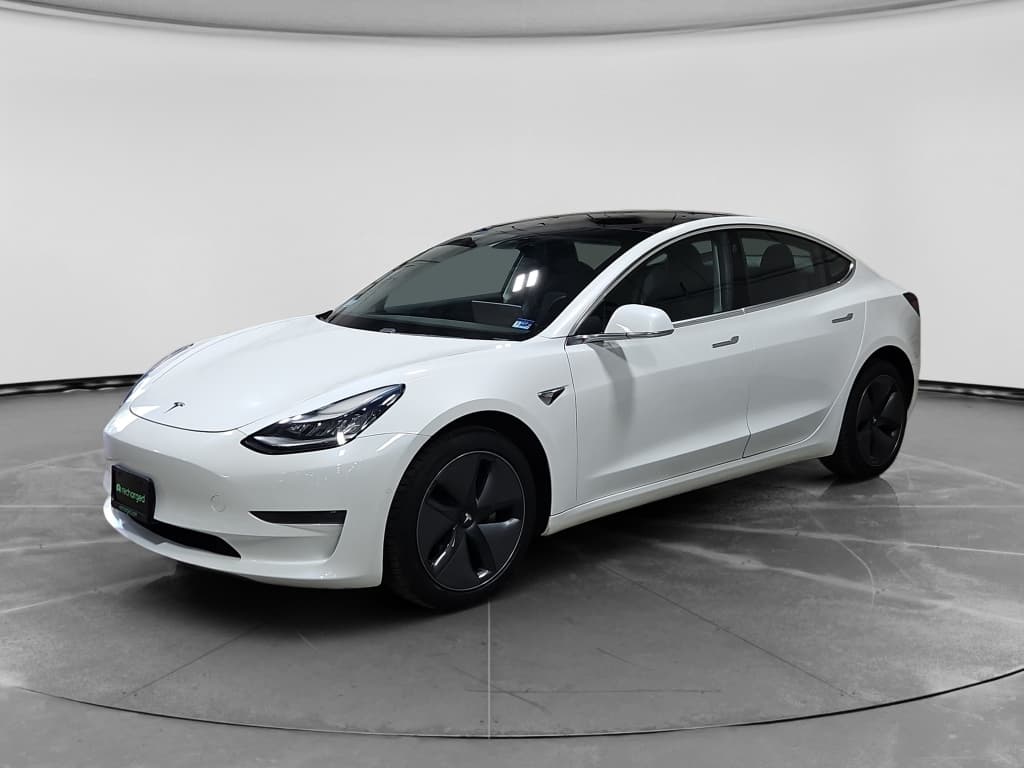
| Tesla Model 3 (updated) | Compact sport sedan | Mid $30Ks | ~300 miles | Mature charging network and strong performance, especially in RWD trims. |
| Hyundai IONIQ 5 / Kia EV6 | Compact crossover | Low–mid $40Ks | ~260–310 miles | Family‑friendly interior with ultra‑fast 800‑volt charging on many trims. |
| Chevrolet Equinox EV | Compact crossover | Around mid $30Ks (depending on trim) | ~250–300 miles | Mass‑market Chevy entry aimed at making EV crossovers mainstream. |
| Ford F‑150 Lightning (updated) | Full‑size pickup | $50Ks+ | ~240–320 miles | Work‑ready truck with bidirectional home‑backup power capability. |
Use this as a directional comparison, not a substitute for a dealer quote.
Watch the fine print
Most affordable new electric cars
If your search for “new cars electric” really means, “How do I get into an EV for roughly the price of a well‑equipped compact gas car?” you’re not alone. After the run‑up in prices earlier in the decade, automakers are finally rediscovering value.
Nissan LEAF (redesigned, 2026 model)
Nissan’s fully redesigned LEAF pushes the envelope on value: a base price just under $30,000 and a range of roughly 303 miles put it squarely in the sweet spot for budget‑minded commuters.
- Compact footprint, easy to park and maneuver
- Hatchback practicality for families or city dwellers
- Long EV legacy from one of the original mass‑market electric cars
If you like the idea of a simple, affordable commuter EV, also cross‑shop late‑model used LEAFs with documented battery health from a marketplace like Recharged.
Emerging budget options & lease deals
Beyond the LEAF, a crop of budget‑minded EVs and aggressive leases can bring monthly payments down to hybrid‑car territory.
- Smaller battery versions of popular crossovers often start in the low–mid $30Ks.
- Automaker‑subsidized leases can effectively pass along tax‑credit savings even when you don’t qualify directly.
- Some new entrants, including compact electric pickups from startups, target the mid‑$20Ks but may have limited range and later on‑sale dates.
When you see a surprisingly low lease payment on a new EV, compare it to a nearly‑new used EV payment, especially if you’re looking at a 36‑month term either way.
Value play: nearly‑new used EV
Ready to find your next EV?
Browse VehiclesNew electric SUVs and pickups
American buyers love SUVs and trucks, so it’s no surprise that’s where a lot of innovation is happening. If you need family space, towing, or light work capability, you don’t have to stick with gasoline anymore, but you do need to understand the trade‑offs.
How new electric SUVs and pickups stack up
Strengths and compromises compared to gas counterparts
Electric SUVs
New EV SUVs from brands like Hyundai, Kia, Tesla, Chevy, and others deliver roomy interiors and brisk acceleration.
- Many offer 250–300 miles of range.
- Low center of gravity improves handling and safety.
- Third‑row seating is available on some larger models.
Electric pickups
Trucks like the Ford F‑150 Lightning and other newcomers prove that pickups can go electric.
- Instant torque for towing and hauling.
- On‑board outlets for tools and tailgating.
- Range can drop significantly when towing heavy loads, plan accordingly.
Home‑backup power
Several new EVs support bidirectional charging, letting your truck or SUV power your home during an outage when paired with the right hardware.
This is one area where a newer EV can genuinely deliver more capability than many older models.
Range reality check for trucks
New electric car vs used EV: Which is smarter?
The biggest mistake I see shoppers make is assuming “new” automatically means “better.” With electric cars, depreciation and battery behavior make the math more nuanced. In many cases, a nearly‑new used EV is the sweet spot, especially if you have solid data on battery health.
When a brand‑new electric car makes sense
- You want the very latest tech: newer driver‑assist systems, longer range, or features like bidirectional charging.
- You plan to keep it 7–10 years: spreading depreciation over a long period can justify the higher upfront cost.
- You need a specific configuration: trim, color, or tow rating that’s scarce on the used market.
In these cases, make sure you’re getting competitive pricing and understand how incentives work in 2025.
When a used EV from Recharged is the better play
- Value is your top priority: 1–3‑year‑old EVs often cost thousands less than new yet feel just as modern.
- You want battery transparency: every Recharged vehicle includes a Recharged Score Report with verified battery health.
- You prefer a smoother process: Recharged offers trade‑ins, financing, and nationwide delivery in a single digital experience.
If you’re price‑sensitive, always compare new offers to a Recharged listing with similar range and equipment.
Incentives and tax credits for new electric cars in 2025
In the U.S., incentives for new cars electric have been a moving target. As of late 2025, the federal New Clean Vehicle Credit of up to $7,500 has been significantly curtailed: it only applies to qualifying vehicles acquired on or before September 30, 2025 and placed in service by that date or under a binding written contract. In practice, that means many shoppers browsing dealer lots late in the year won’t see the same straightforward federal rebate structure they might have read about a year or two ago.
What to check before you count on an incentive
1. Federal credit eligibility
Ask the dealer to show you, on paper, whether the specific VIN you’re considering still qualifies for any remaining federal clean vehicle credits, and under what acquisition dates. Don’t assume every EV gets $7,500.
2. State and local programs
Some states and utilities still offer rebates, bill credits, or discounted home‑charging rates for EV owners. These can be worth hundreds of dollars per year but vary widely by ZIP code.
3. Lease vs. buy math
Even when you don’t qualify directly for a tax credit, the leasing company might. In some cases, they pass that value through as a lower monthly payment, one reason EV leases can look especially attractive.
4. Total cost of ownership
Incentives are only part of the story. Lower fuel and maintenance costs, plus potential savings on city congestion fees or HOV lane access, can make the long‑term math favor an EV even without a large rebate.
Policy can change mid‑shopping
How to choose the right new electric car
Choosing the right new EV isn’t about finding the longest range or biggest touchscreen. It’s about matching the vehicle to your real‑world driving and ownership plans. Here’s a structured way to do it.
Step‑by‑step: Picking a new electric car that fits your life
1. Measure your real daily and weekly driving
Track your driving for a couple of weeks. Many Americans drive less than 40 miles per day. If that’s you, a 230–260‑mile EV may be plenty, especially with home charging.
2. Decide where you’ll charge
Home charging is the killer app for EV ownership. If you can install a Level 2 charger, prioritize that. If you rely heavily on public fast charging, choose an EV with strong DC charging speeds and a robust network.
3. Prioritize body style and space
Be honest about how often you need a third row, a big cargo area, or a truck bed. Right‑sizing the vehicle can save you thousands upfront and over the life of the loan.
4. Compare total monthly cost, not just MSRP
Look at monthly payment, insurance, energy costs, and expected maintenance. Then compare a new EV to a comparable late‑model used EV on Recharged to see which delivers more value for the payment you’re comfortable with.
5. Understand battery warranty and degradation
Most new EVs carry battery warranties of 8 years or 100,000 miles or more. Still, ask about typical degradation and how the automaker handles warranty claims. With used EVs, insist on a <strong>third‑party battery health report</strong> like the Recharged Score.
Common mistakes when buying a new electric car
- Chasing maximum range you’ll never use and overpaying for a bigger battery pack.
- Ignoring home‑charging plans until after you buy the car, then scrambling to install a proper outlet or wallbox.
- Assuming every EV qualifies for a big federal tax credit without checking the latest rules or your personal eligibility.
- Focusing only on the monthly payment and stretching to a longer term instead of negotiating the selling price.
- Skipping a comparison drive in a similar used EV, even when a nearly‑new option at Recharged could meet your needs for less.
Test‑drive strategy that works
Frequently asked questions about new electric cars
FAQ: New cars electric in 2025
Bottom line: How to shop new cars electric with confidence
New electric cars in 2025 give you more choice than ever, affordable commuters like the redesigned Nissan LEAF, sleek sedans like the Hyundai IONIQ 6 and Tesla Model 3, and capable SUVs and pickups that can double as home‑backup power. But choice cuts both ways. If you focus only on shiny tech and headline range, it’s easy to overspend on a new EV that doesn’t actually match your daily life.
Start instead with your driving patterns, home‑charging plan, and budget. Compare a few new EVs, then look at what a 1–3‑year‑old EV with verified battery health from Recharged would cost you each month. In many cases, that “almost new” option delivers 90% of the experience for significantly less money, and with Recharged’s digital buying process, financing, trade‑in support, and nationwide delivery, it can also be the least stressful way to go electric.