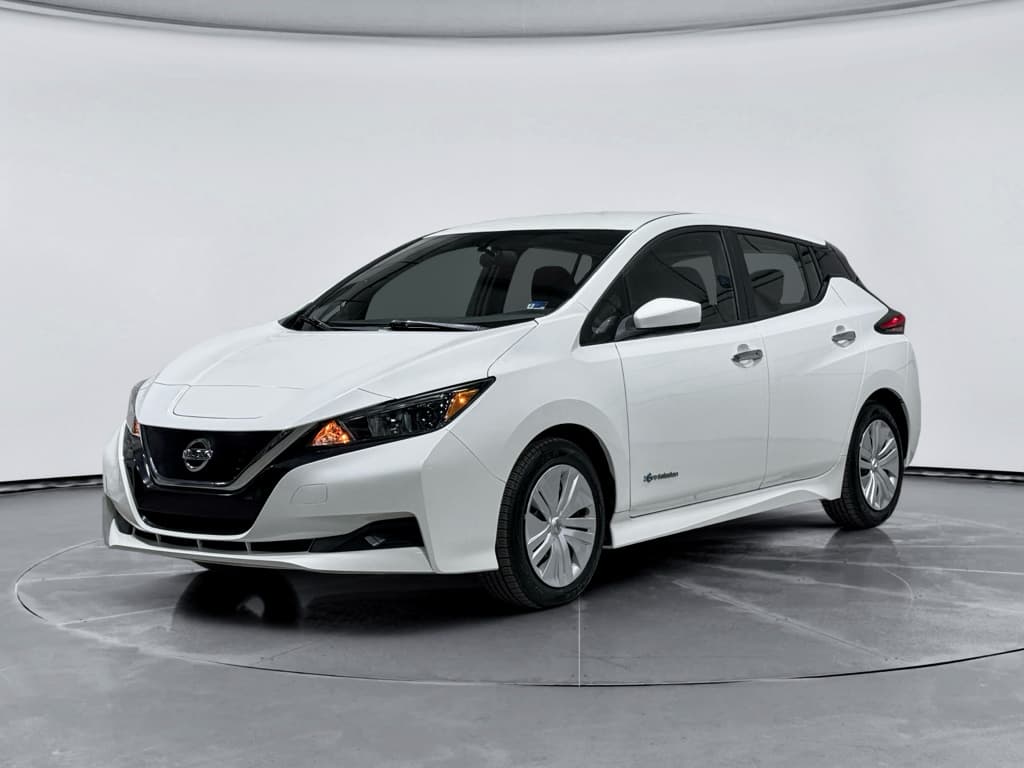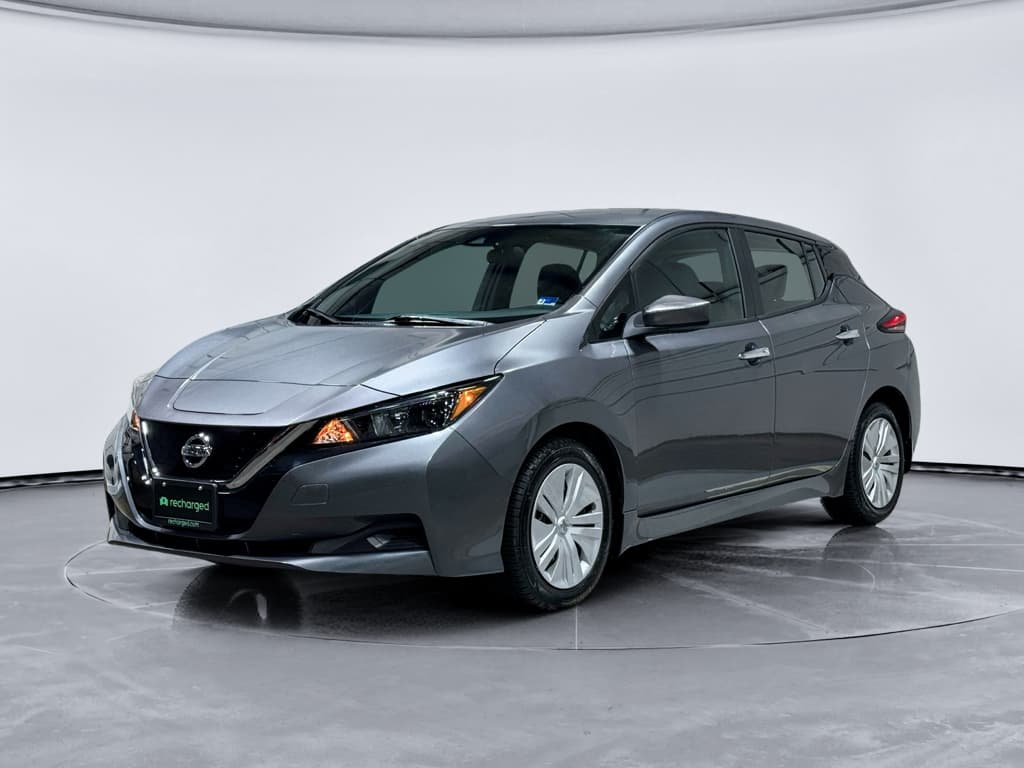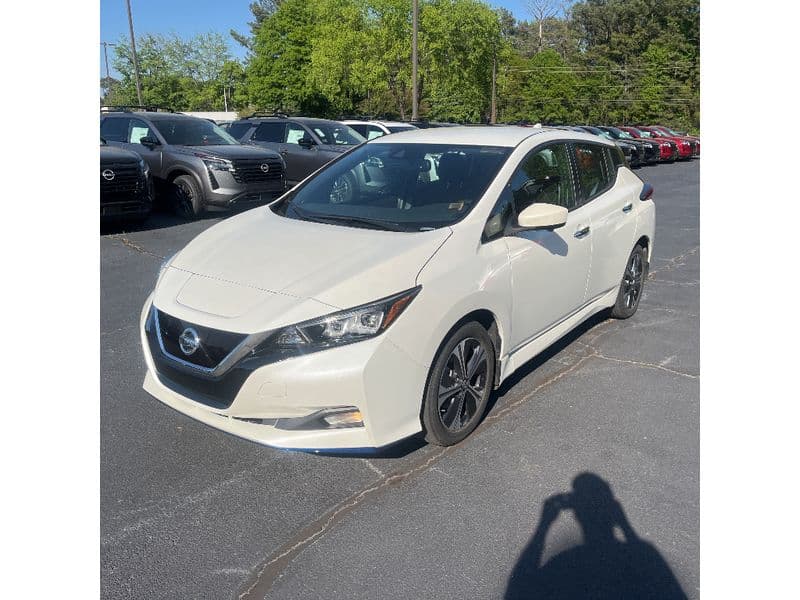
If you own or are considering a Nissan Leaf, the single most important line in the owner’s manual is the one about the battery warranty. Nissan Leaf battery warranty details can look like legal Sudoku at first glance, but they boil down to a simple promise: for roughly the first eight years and 100,000 miles, Nissan is on the hook if the pack degrades abnormally or outright fails. The trick is understanding where “normal” ends and “warranty claim” begins.
Key takeaway in one line
Overview: How the Nissan Leaf Battery Warranty Works
Nissan separates the Leaf’s coverage into a few buckets, but from a driver’s perspective you can think of it as two overlapping promises on the high‑voltage pack:
- Defect / failure coverage – if the lithium‑ion pack or related components fail due to defects in materials or workmanship within the warranty period, Nissan repairs or replaces the battery at no cost to you.
- Capacity loss coverage – if the battery loses too much usable capacity (measured by the dashboard’s 12‑bar gauge) before the time/mileage limit, Nissan will restore it to at least 9 bars, typically by repairing or replacing the pack.
For most U.S. Leafs from about mid‑2013 onward, the headline number is an 8‑year / 100,000‑mile lithium‑ion battery warranty. Earlier cars started with similar failure coverage and later added explicit capacity‑loss protection after owners (especially in hot‑weather markets) started reporting rapid degradation.
Where to find your exact coverage
What the Nissan Leaf Battery Warranty Actually Covers
Two Layers of Leaf Battery Protection
Failure versus capacity loss, in plain English
1. Defects & Failures
This is the classic warranty most people think of.
- Covers defects in materials or workmanship in the lithium‑ion battery pack and related high‑voltage components.
- If the pack won’t charge, throws repeated high‑voltage errors, or a module fails prematurely, Nissan repairs or replaces it.
- Coverage window is typically 8 years / 100,000 miles from first in‑service date.
2. Capacity Loss Coverage
Unique to EVs, and what worries buyers most.
- The Leaf’s warranty promises that the battery will not drop below 9 of 12 capacity bars on the dashboard within the coverage period.
- If it does, Nissan must perform repairs to restore capacity to at least 9 bars.
- This is about unusual or accelerated degradation, not every mile of normal aging.
It’s important to separate this from the rest of the vehicle’s warranty. The Leaf’s EV system components (like the electric motor and inverter) generally have their own 5‑year/60,000‑mile coverage, and the basic bumper‑to‑bumper warranty is shorter still. The battery is the long‑tail commitment.
Your dealer isn’t the final word
Understanding Capacity Bars and the 9‑Bar Rule
All Leafs display long‑term battery health using a separate capacity gauge next to the usual charge meter. When the car is new, you see 12 small bars. As the pack ages and loses usable capacity, those bars disappear in steps.
- 12 bars – essentially 100% of original usable capacity
- 11 bars – slight degradation, often imperceptible in daily driving
- 10 bars – you’ll notice some lost range on long days
- 9 bars – roughly in the 70%–75% capacity neighborhood, depending on model year and calibration
- Below 9 bars – the official warranty trigger for many Leafs with capacity coverage
What “below 9 bars” really means
The exact percent per bar isn’t carved in stone, but most owners’ data points to each bar representing around 6–8% of original capacity. That makes the warranty threshold somewhere in the mid‑60s to low‑70s percent remaining. If your range has fallen off a cliff and you’re still showing 10 or 11 bars, the warranty is unlikely to help you, painful, but honest.
Time and Mileage Limits by Model Year
Nissan has tweaked the Leaf’s battery warranty over the years, but the broad strokes are consistent for U.S. cars:
Leaf Battery Warranty Snapshot by Era (U.S.)
Always verify your specific year and trim, but this gives you the big picture.
| Model years | Typical battery failure coverage | Capacity loss coverage | Notes |
|---|---|---|---|
| 2011–early 2013 | 8 years / 100,000 miles | Initially not explicit; capacity warranty added later (5 years / 60,000 miles on many cars) | Early 24 kWh packs; hot‑climate degradation issues led to added capacity coverage. |
| Mid‑2013–2017 | 8 years / 100,000 miles | Capacity loss below 9 bars for 5 years / 60,000 miles (check booklet) | 24 kWh and 30 kWh packs; 30 kWh cars in particular saw faster capacity loss. |
| 2018–2022 | 8 years / 100,000 miles | Capacity loss below 9 bars for 8 years / 100,000 miles | 40 kWh and 62 kWh packs; chemistry and management improved vs early cars. |
| 2023–2025 (2nd‑gen Leaf) | 8 years / 100,000 miles | Capacity loss below 9 bars for 8 years / 100,000 miles | Refinements to thermal management and pack design; still CHAdeMO fast charging. |
| 2026+ (3rd‑gen Leaf) | Expected 8 years / 100,000 miles (check your booklet) | Coverage details similar but always confirm for new generation | Larger 75 kWh pack on many trims; details may evolve with future updates. |
Coverage is measured from the original in‑service date, not from when you buy the car used.
How to read the fine print fast
What’s Not Covered (and What Can Void Coverage)
No EV maker is going to cover every imaginable abuse of a battery pack, and Nissan is no different. The Leaf’s battery warranty is generous by combustion‑engine standards, but it does have sharp edges.
- Normal gradual degradation that doesn’t cross the 9‑bar threshold, even if you’re unhappy with the range.
- Damage from misuse – like physical impact, improper towing, or unapproved modifications to the high‑voltage system.
- Tampering or non‑Nissan repair of the pack or battery management system, including DIY module swaps and certain aftermarket upgrades.
- Neglecting required maintenance or software updates where specified by Nissan, especially if the omission contributes to battery problems.
- Environmental or accident damage – flood, fire, collision, vandalism, and similar events are insurance territory, not warranty.
Easy ways to shoot your warranty in the foot
Real‑World Battery Life, Degradation, and Warranty Claims
On paper, the Leaf battery warranty is a cliff: stay above 9 bars and you’re on your own; fall below 9 in time and Nissan steps in. In the real world, things are more nuanced. Climate, driving habits, and pack chemistry all influence whether you’ll ever see that fateful eighth bar drop while you’re still under coverage.
Nissan Leaf Battery Longevity: Real‑World Patterns
Early 24 kWh Leafs (2011–2014) in very hot regions were the canaries in the lithium‑ion coal mine, sometimes losing 3–4 bars within a few years. Nissan’s amped‑up capacity warranty was, in effect, an extended apology. Later packs, especially the 40 kWh and 62 kWh units from 2018 onward, have fared much better, with many drivers seeing only 1–2 bar loss after 5–7 years in temperate climates.
Good news for used‑Leaf shoppers
How the Battery Warranty Works on a Used Nissan Leaf
Here’s the part many used‑EV shoppers miss: the Leaf’s battery warranty follows the car, not the first owner. If you buy a 5‑year‑old Leaf with 50,000 miles, you’re stepping into years 6–8 of Nissan’s promise, as long as the clock and odometer haven’t run out.
How to check remaining coverage
- Ask for the in‑service date (original sale/lease date) from a dealer or prior service records.
- Subtract that from today to see how many of the 8 years are left.
- Confirm the odometer is under 100,000 miles for full lithium‑ion coverage.
- Turn the car on and count the capacity bars on the dash.
What a Recharged Score adds
When you shop a used Leaf through Recharged, every car comes with a Recharged Score Report that includes a verified battery health assessment, not just the dash bars. We use diagnostic tools to look at state of health, charge history, and other factors, so you know whether the remaining warranty is a nice safety net or likely to be needed.
Negotiating with the warranty in mind
Leaf Battery Replacement Costs and Alternatives
If your Leaf falls out of warranty, or never qualifies for a capacity claim, you’re in the adult‑swim end of the EV pool: replacement or re‑evaluation. Replacement costs have come down over the last decade, but they’re still serious money compared with the resale value of some older Leafs.
Typical Nissan Leaf Battery Replacement Cost Ranges (Parts Only)
Very rough U.S. market ballpark figures as of 2024–2025; labor usually adds $1,000–$2,000.
| Pack size & era | Approx. replacement cost (OEM / high‑quality) | Common use case |
|---|---|---|
| 24 kWh (2011–2017) | $3,000–$6,500 (refurbished or OEM‑equivalent) | Keeping an otherwise solid early Leaf as a short‑range commuter. |
| 30 kWh (2016–2017) | $5,500–$8,800 | Addressing rapid‑degrading packs that missed or outlived warranty fixes. |
| 40 kWh (2018–2022) | $8,000–$12,500 | Breathing new life into a mid‑range Leaf you plan to keep for many years. |
| 60–62 kWh (Leaf Plus, 2019–2023) | $10,000–$12,000+ | Restoring full range on a higher‑value Plus model. |
| Newer 75 kWh class (2026+) | TBD – likely four‑figure to low five‑figure | Too early to know precise pricing; expect downward trend over time. |
Always get a current quote; pack prices and availability move quickly as battery tech evolves.
Replace the battery or replace the car?
Checklist: Protect Your Leaf Battery and Its Warranty
Everyday Habits That Help Your Leaf’s Battery (and Warranty)
1. Watch temperatures
Whenever possible, avoid leaving the car full and baking in direct sun for days at a time. High heat plus high state of charge is the perfect storm for degradation.
2. Treat DC fast‑charging as a tool, not a lifestyle
Use CHAdeMO fast‑charging for road trips and genuine needs, not every single day. Repeated back‑to‑back fast charges in hot weather are rough on any pack.
3. Aim for a middle‑of‑the‑road charge level
Day‑to‑day, keeping the battery somewhere between about 20% and 80% is easier on the cells than constantly yo‑yoing between very low and 100%.
4. Keep up with software updates and recalls
Visit a Nissan dealer for recommended EV system updates, especially if there are service campaigns related to the battery management system.
5. Document your bar count
Take a clear photo of the capacity gauge and odometer every few months. If you ever need a warranty claim, that history is your friend.
6. Get a professional battery health report
Before the warranty expires, or before you buy a used Leaf, have the pack’s health checked with proper diagnostics. A Recharged Score Report builds this into the buying process.
FAQ: Nissan Leaf Battery Warranty Details
Frequently Asked Questions About Leaf Battery Warranty
Bottom Line: How to Use the Leaf Battery Warranty to Your Advantage
The Nissan Leaf’s battery warranty is both a safety net and a truth serum. On one hand, there’s genuine peace of mind in knowing that for roughly the first eight years and 100,000 miles, Nissan is on the hook if the pack degrades abnormally. On the other, the 9‑bar rule forces you to be realistic about your needs: you’re not buying immunity from any and all range loss, you’re buying protection against the worst‑case scenarios.
If you already own a Leaf, the smartest move is to treat the pack kindly, keep records of its capacity, and know exactly when your coverage expires. If you’re shopping used, the winning play is to combine remaining warranty with verified battery health so you’re not relying on a guess and a handshake. That’s precisely why every used EV on Recharged comes with a Recharged Score Report, we believe the only good surprise, when it comes to batteries, is no surprise at all.