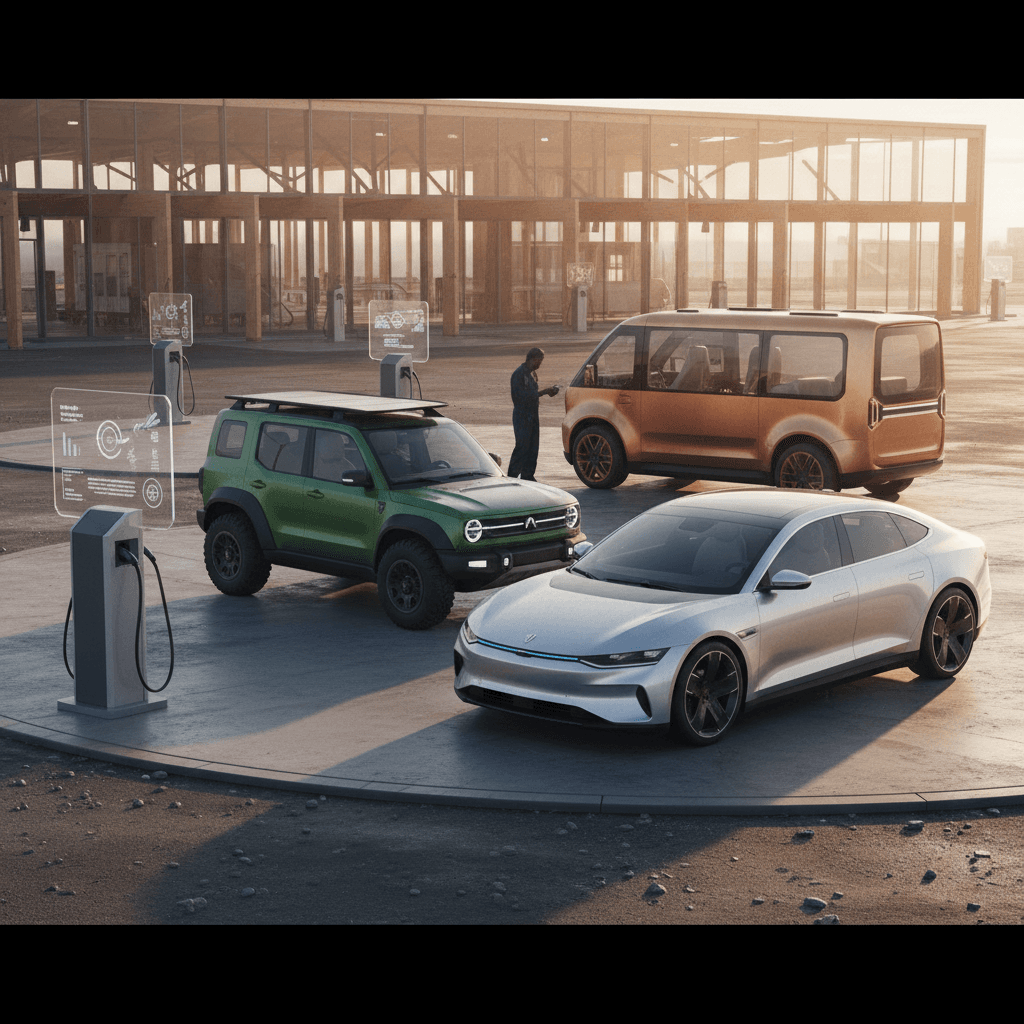
If it feels like new car companies are popping up every month, you’re not imagining things. The shift to electric vehicles has torn up the old playbook, opening the door for fresh brands, especially in EVs, to challenge century‑old automakers on price, software, and design. As a shopper, though, more logos can mean more confusion.
What this guide covers
Why new car companies matter in 2025
New car companies aren’t just adding more choices on the lot, they’re reshaping pricing, technology, and resale values across the market. In EVs especially, software and batteries move fast. That speed favors younger brands that can iterate quickly, but it also creates real concerns about longevity, service coverage, and long‑term support.
What’s exciting about new brands
- Lower prices: Several startups are targeting sub-$30,000 EVs and simpler trims rather than fully loaded luxury spec.
- Fresh ideas: Compact electric pickups, ultra‑luxury off‑roaders, and micro‑EVs are all coming from newer names.
- Software-first design: Over‑the‑air updates, app‑centric ownership, and driver‑assist features are standard, not add‑ons.
What’s risky about new brands
- Business risk: Some EV startups have already failed or pulled back from markets, leaving owners with orphaned models.
- Service networks: Limited dealerships or service centers can mean long drives for repairs.
- Unproven resale: It’s hard to predict used values for brands with short track records.
Remember the early EV shake‑out
Four types of new car companies to know
Not every “new” brand is the same. Some are clean‑sheet startups; others are spin‑offs of big automakers. For EV shoppers, understanding what type of new company you’re dealing with says a lot about risk and support.
The main types of new car companies
Most new EV brands fall into one of these buckets
1. Pure EV startups
2. Corporate spin-offs & sub-brands
3. New-to-you foreign brands
4. Revived or niche brands
New US EV startups to watch
In the U.S., the first wave of high‑profile EV startups, brands like Rivian and Lucid, are now moving from “new” to “established challengers.” The truly new names in 2025 lean toward affordability and clever packaging rather than headline‑grabbing supertrucks.
Illustrative new and emerging U.S. EV companies
A snapshot of some notable newer EV‑focused brands or projects relevant to U.S. shoppers.
| Brand | Focus | Notable Vehicle Type | Positioning |
|---|---|---|---|
| Slate Auto | Bare‑bones EV value | Compact electric pickup that can convert to a small SUV | Aggressively affordable, simple hardware |
| Telo Trucks | Urban utility | Mini electric pickup for city use | Space‑efficient truck alternative |
| Rivian (next wave) | Adventure EVs | R2 mid‑size SUV (coming mid‑decade) | Down‑market follow‑up to R1T/R1S |
| Also Inc. | Micromobility | Small, lightweight EVs and e‑bikes | City‑scale alternatives rather than full cars |
Always verify availability in your state; several startups are rolling out in phases.
Don’t ignore upstart trucks
Chinese new car companies going global
If you track new car companies globally, China dominates the conversation. Dozens of EV‑only brands have sprung up there, and several are now exporting to Europe, Latin America, and, in limited cases, North America. Even when a particular name isn’t yet selling in the U.S., its pricing and technology put pressure on established brands you’re familiar with.
Examples of newer Chinese EV brands and sub‑brands
Most are still China‑focused but shape global competition
Yangwang (BYD)
Stelato
Firefly (Nio)
Why U.S. drivers should still care
Legacy automakers and their new EV sub-brands
Some of the most important new car companies are actually new names riding on top of very old companies. Instead of reinventing everything under a single badge, legacy automakers are spinning up EV‑focused sub‑brands to move faster and speak to a different audience.
- Honda’s Ye series in China focuses exclusively on battery‑electric models, the first step in a plan to launch multiple EVs in that market.
- Several European and Korean brands are carving out EV‑only lines, even if they don’t always use a separate logo on the grille.
- Luxury groups are experimenting with ultra‑premium EV badges and limited‑run halo cars to test new drivetrains and software stacks.
Why sub‑brands can be safer bets
How new car companies affect used EV prices
When a wave of new EV brands hits the market, it doesn’t just change what’s in showroom windows, it reshapes the used EV market as well. As an outlet focused on used EVs, Recharged pays close attention to how startups and fresh sub‑brands move the numbers.
1. Faster depreciation on some new nameplates
New brands without a long track record often see sharper early depreciation. Shoppers worry about parts, software support, and brand survival, which can push resale values down compared with established badges.
For used buyers, that can be an opportunity, if you understand the risks.
2. Downward pressure on mainstream EV prices
When startups advertise affordable EV pickups or compact crossovers, big automakers have to respond. Over a few model years, that can drag transaction prices down and make used EVs more accessible for first‑time buyers.
How Recharged can help
Battery tech and software: how new brands differentiate
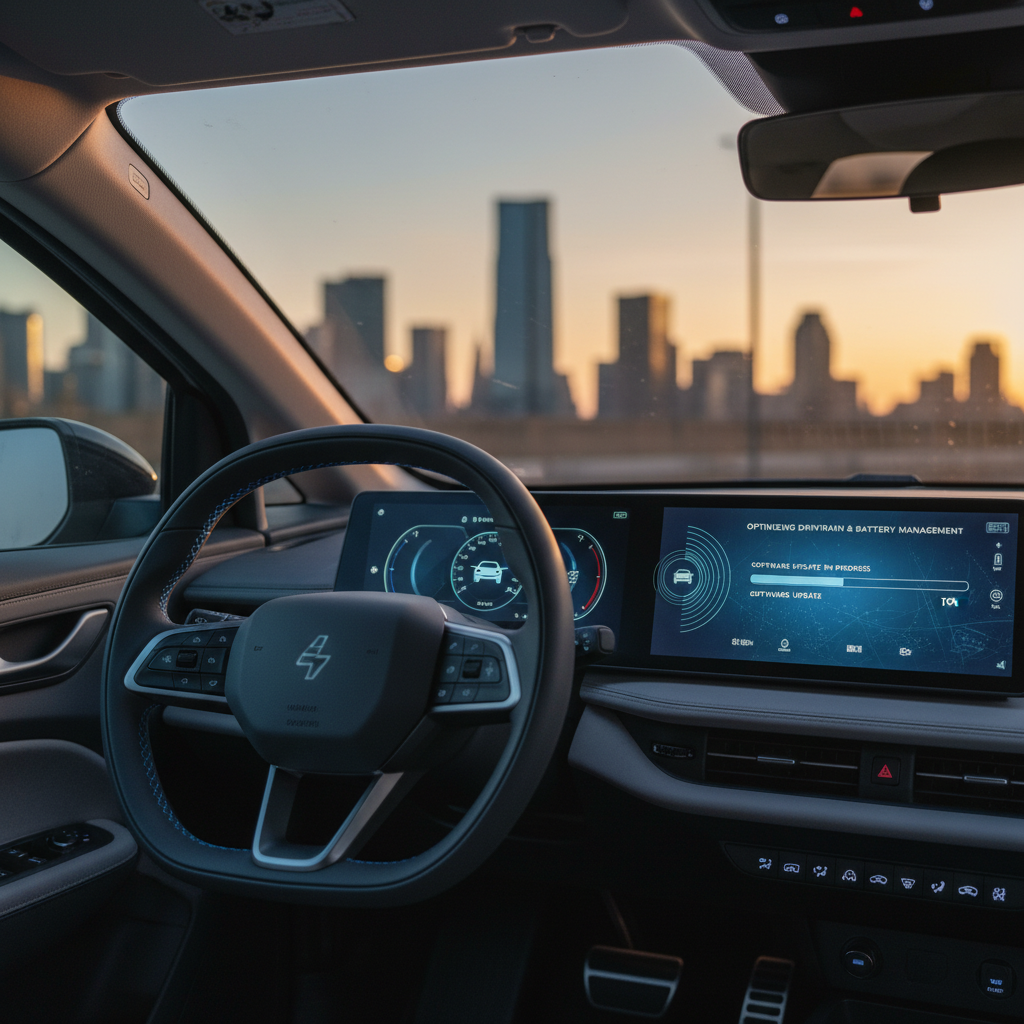
Most of today’s new electric car companies aren’t beating legacy players with raw build quality. Their edge is in batteries and software, how far you can go on a charge, how quickly the car learns your habits, and what updates arrive over time.
What to look for in a new EV brand’s tech stack
Battery chemistry & warranty
Check whether the brand uses LFP or NMC packs, and compare <strong>battery warranties</strong> (years and mileage). A stronger warranty can offset some brand‑risk concerns.
Charging speed and network access
Look at maximum DC fast‑charge rates and whether the vehicle supports major networks or adapters. With many brands adopting NACS, ask when native support arrives.
Over‑the‑air (OTA) update policy
Good software support means frequent OTA updates that genuinely improve the car, range tweaks, new features, and bug fixes, not just occasional map refreshes.
Driver‑assist transparency
New brands often tout advanced driver assistance. Focus on <strong>clear labeling and safety</strong> rather than marketing buzzwords, and see how they perform in independent testing.
Avoid beta‑testing safety features with your family
Buying a used EV from a young brand: checklist
Shopping the used market is where new car companies become especially interesting. You’ll often find steeper discounts on 2‑ to 4‑year‑old EVs from younger brands compared with similar‑age models from mainstream automakers. The key is separating smart value from unnecessary risk.
Checklist for buying a used EV from a newer brand
1. Confirm the brand’s current status
Verify that the company is still operating, selling cars, and supporting existing owners. Check for recent announcements about exits from specific markets.
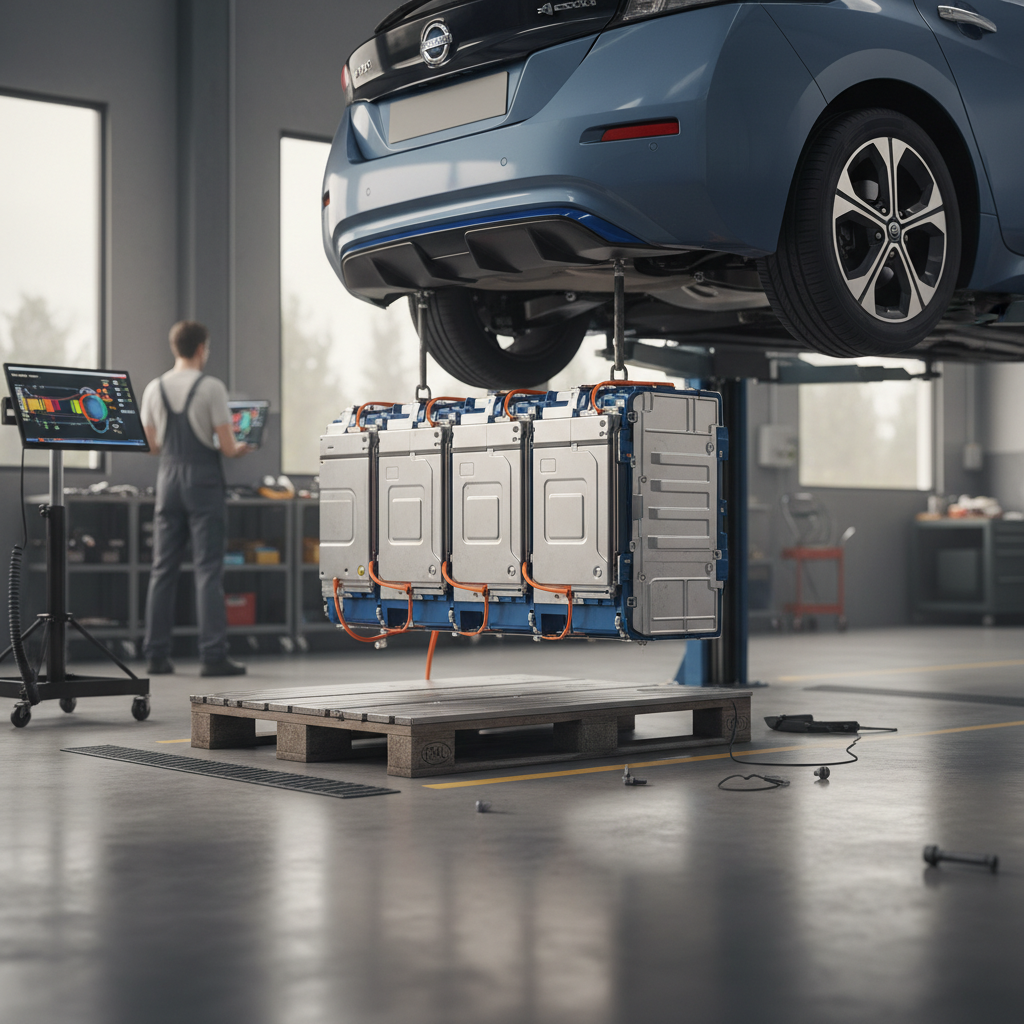
2. Inspect battery health, not just mileage
A used EV with a strong pack can be a bargain even from a less‑known brand. At Recharged, the <strong>Recharged Score</strong> includes third‑party battery diagnostics to give you a clear picture.
3. Map out service options near you
Before you fall in love with a low price, confirm you have realistic access to authorized service or high‑quality independent EV shops in your region.
4. Review software and app support
Make sure the companion app still works in your country, and that OTA updates are active for the specific model year you’re considering.
5. Compare total cost of ownership
Factor in potential parts delays, resale uncertainty, and insurance quotes. Sometimes a slightly more expensive EV from a stable brand is cheaper over 5–7 years.
6. Consider financing flexibility
Some lenders are cautious with newer brands. Platforms like Recharged can help you <strong>line up financing</strong> for used EVs, even from younger manufacturers.
By the numbers: new EV brands in 2024–2025
Snapshot: how fast new EV brands are scaling
What these numbers mean for you
FAQ about new car companies and EV startups
Frequently asked questions about new car companies
Bottom line: how to navigate all these new car companies
The rise of new car companies is the natural outcome of the EV transition. Startups and fresh sub‑brands are attacking price points, body styles, and software experiences that legacy automakers were slow to prioritize. That competition is healthy, but it also means you need a sharper filter when you choose your next EV.
If you’re shopping new, focus on brand backing, charging access, and software support, not just style. If you’re shopping used, focus tightly on battery health, service options, and total cost of ownership over 5–10 years. And wherever you land, whether it’s a household name or a newer badge, consider using a platform like Recharged that puts verified data, financing, trade‑in options, and EV‑specialist support on your side from start to finish.