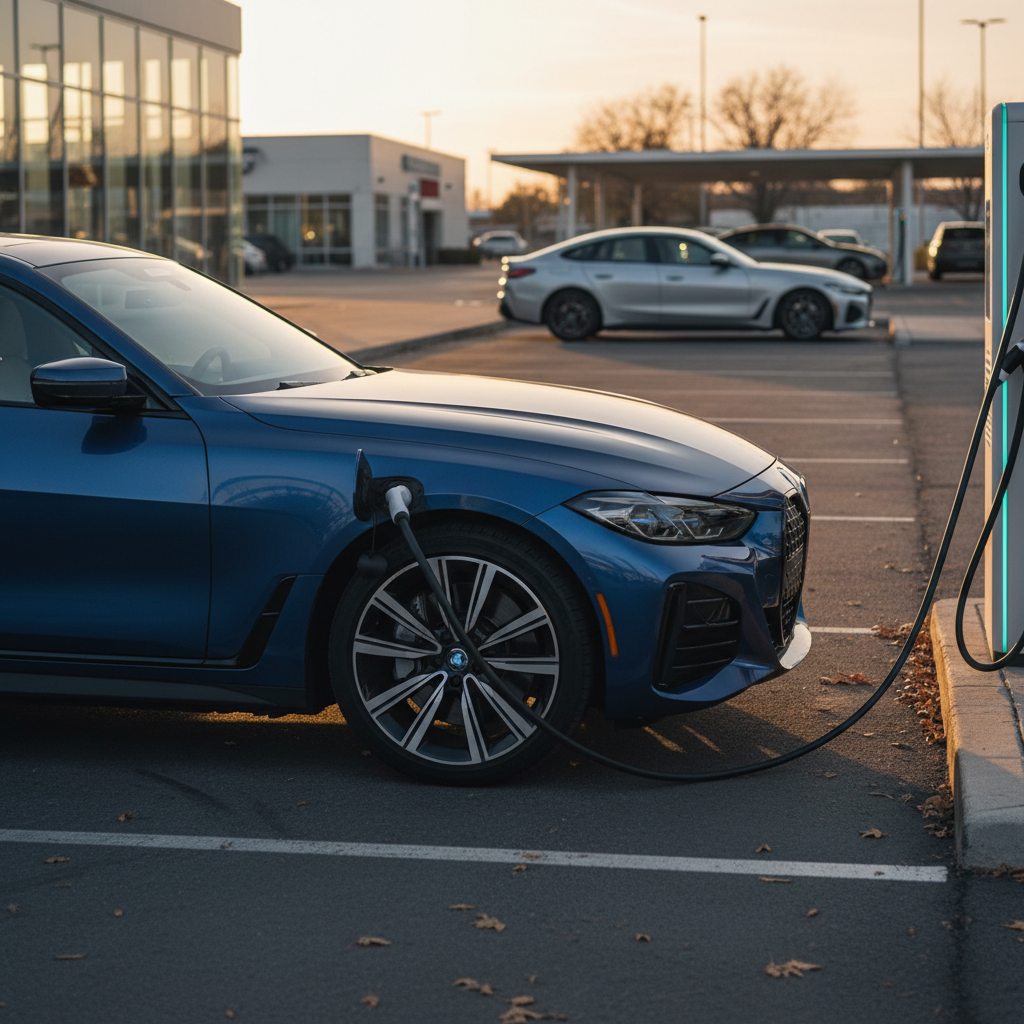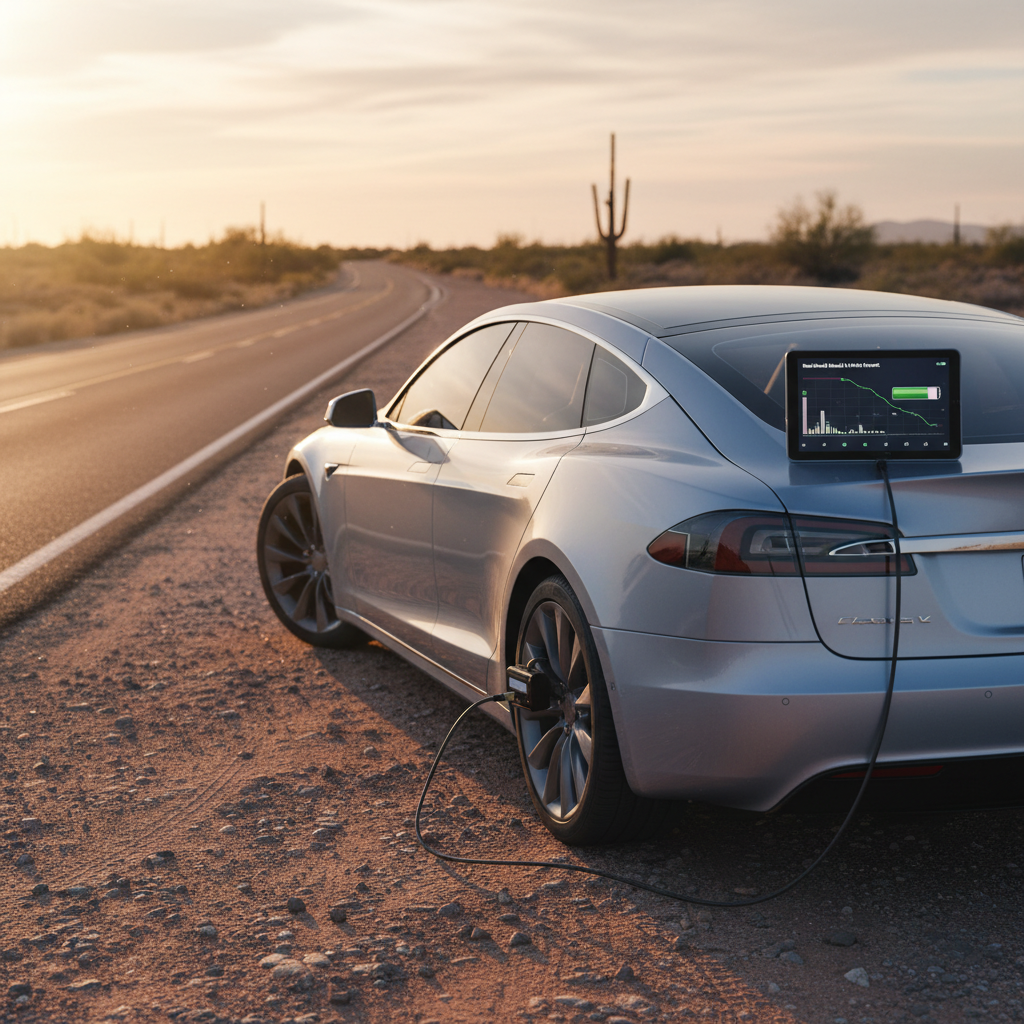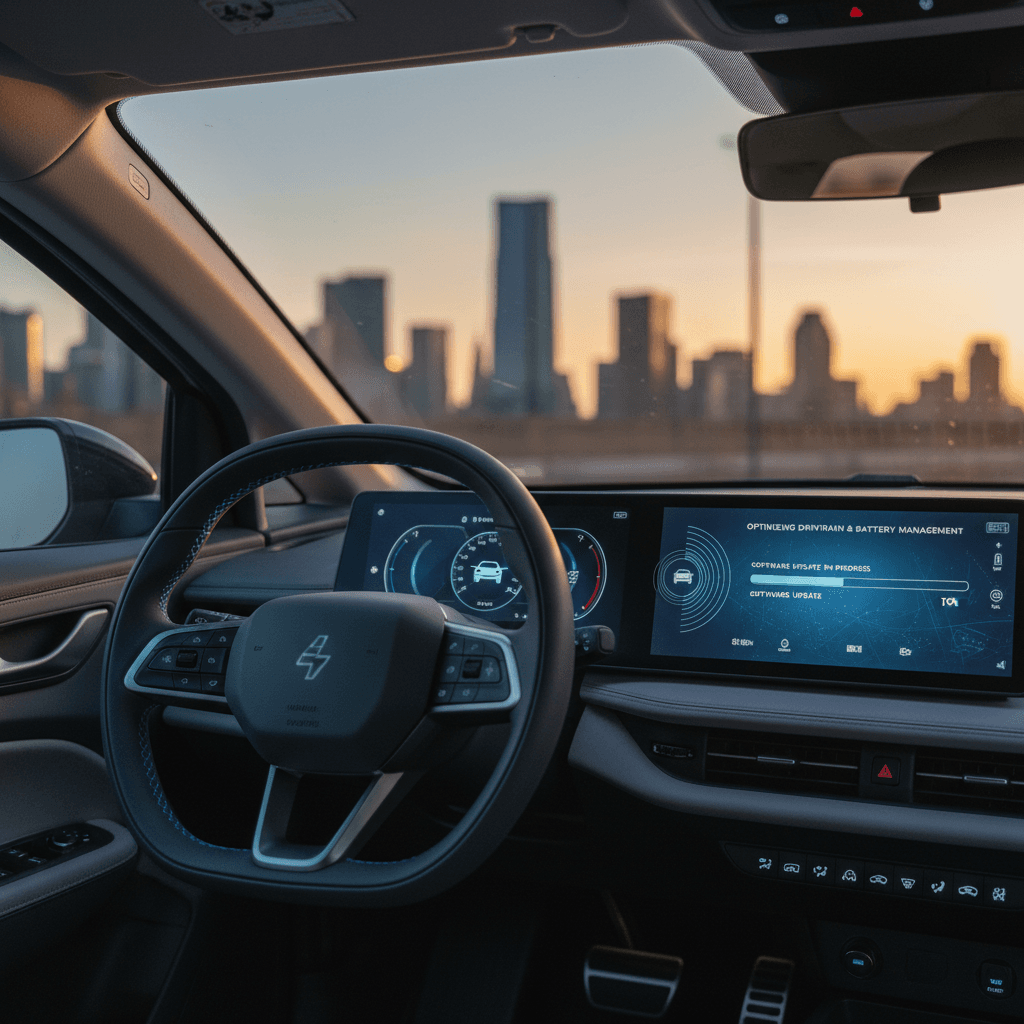
If you grew up with gas cars, you’re used to a simple rule: once you drive off the lot, your vehicle slowly gets worse. Parts wear out, technology goes out of date, and the next model year makes yours feel old. With modern electric vehicles, that story is changing. Many EVs genuinely **improve with software updates**, sometimes in ways you can feel every time you drive.
From machines to software-defined vehicles
Why EVs Improve With Software Updates
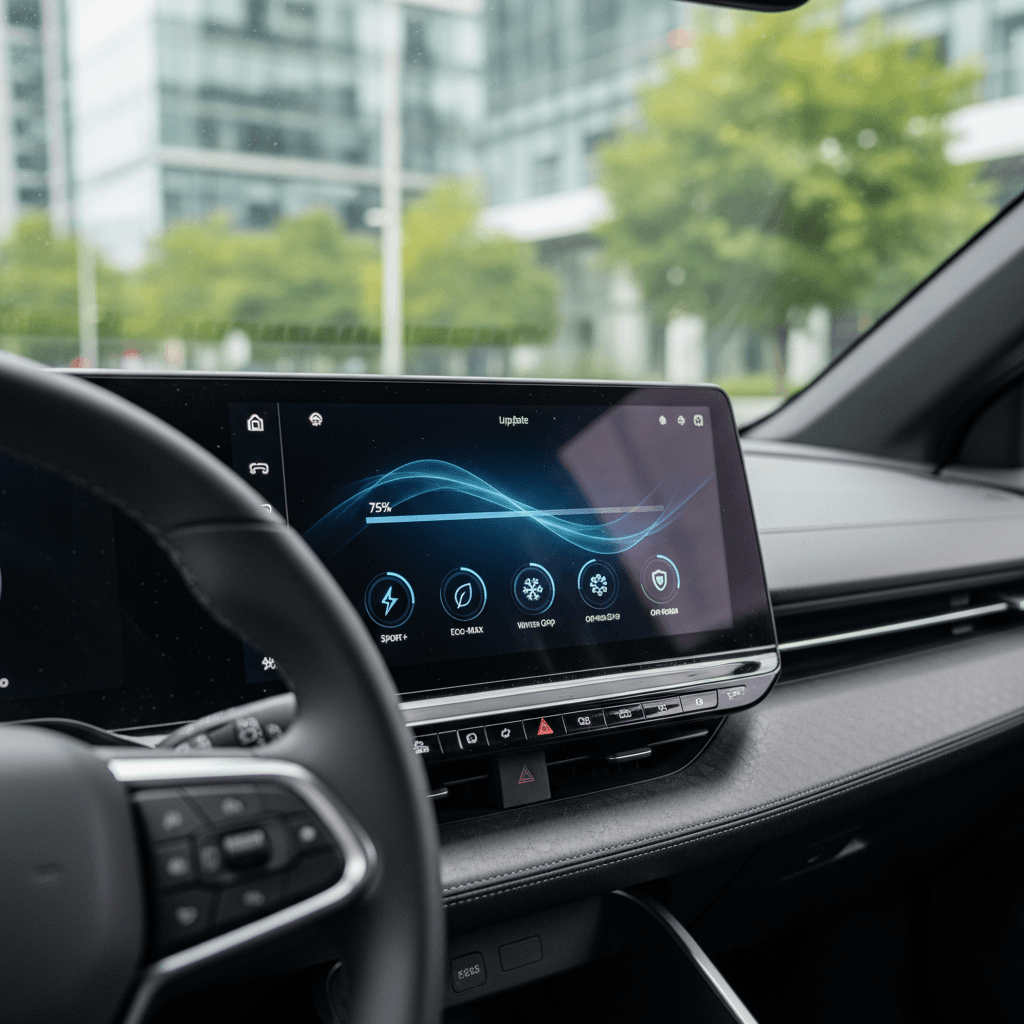
Under the skin, most modern EVs are closer to smartphones on wheels than to old-school mechanical cars. A network of computers (ECUs) controls your **motor, battery, brakes, steering, climate, driver assistance, and infotainment**. When the automaker sends a new software version over the air (OTA), it can change how all of those systems behave, without touching a single bolt.
The shift to software-defined EVs
This software-first approach is why a 2022 EV can drive, charge, and route-plan noticeably better in 2026 than it did when it left the factory, if you keep it updated.
What Can a Software Update Actually Change?
Ways your EV can improve with software
Not every automaker unlocks everything, but these are the main levers.
1. Driving feel & performance
Updates can adjust how quickly power comes in, tweak traction and stability control, and even unlock more acceleration in some models. You might feel:
- Stronger passing power
- Smoother throttle response
- Refined steering or suspension behavior (on cars with adaptive dampers)
2. Efficiency & range estimates
Software can’t magically make your battery bigger, but it can:
- Refine how energy flows in and out of the pack
- Improve regenerative braking behavior
- Give more accurate remaining-range estimates for real-world driving
3. Charging behavior
Automakers routinely update:
- Peak DC fast-charging speeds and how long the car holds them
- When and how the battery preconditions for fast charging
- Compatibility with new public charging networks and “plug & charge” billing
4. Safety & driver assistance
Modern driver-assist systems, lane keeping, adaptive cruise, parking aids, are mostly software. Updates can tighten up how confidently the car stays centered in a lane, how it handles curves, and how well it recognizes new traffic situations.
In some models, entirely new features, like hands-free highway assistance on specific roads, can arrive via software long after you buy the car.
5. Infotainment & everyday convenience
This is where many owners notice the biggest quality-of-life gains:
- Cleaner, more intuitive screen layouts
- Better route planning that understands charging stops
- New streaming apps, voice controls, or even in-car gaming
- Improvements to phone-as-key, profiles, and remote app control
In 2024–2025, for example, Kia rolled out OTA updates that add streaming services, smarter route planning, and improved voice controls to several EVs.
Real-World Examples of EVs Improving Over Time
If "software updates" sounds abstract, it helps to look at what’s already happened in the real world. Here are a few high-profile examples of EVs getting measurably better via code, not wrenches.
How software updates have changed real EVs
Representative examples from recent model years. Specific numbers vary by configuration and region.
| Brand | Model / Years | What Changed via Software | Why Owners Cared |
|---|---|---|---|
| Tesla | Model 3 & Y (various years) | Optional Acceleration Boost upgrades cut 0–60 times by roughly half a second; other updates refined throttle mapping and traction control. | Noticeably quicker launches and passing without any hardware swap. |
| Rivian | R1T & R1S (first-gen, before 2024 refresh) | OTA updates improved energy efficiency and DC charging behavior, adding meaningful miles of usable range on road trips. | More real-world range and faster road-trip charging from the same battery. |
| Hyundai | Ioniq 5 (2025+) | Over-the-air update adds Plug & Charge billing at compatible stations and other connected features. | Less fiddling with apps and RFID cards, just plug in and charge. |
| Kia | EV3 / EV6 / EV9 | Updates have added richer in-car entertainment, smarter route planning, and better voice control. | Driving and charging become simpler and more pleasant without visiting a dealer. |
| BMW & others | Next-gen “software-defined” EVs | New platforms are built to deliver regular performance, safety, and UX upgrades for years. | Your car’s tech stays competitive much longer, even as new models launch. |
These updates happened after cars were sold, owners woke up to vehicles that could do more than the day before.
Yes, many EVs really do get better
Do Software Updates Increase Range and Performance?
This is the question most shoppers care about: can a software update actually make your EV go farther or faster? The honest answer is **sometimes, within limits**.
How software can improve range
Software can’t add kilowatt-hours to your battery, but it can help you squeeze more miles out of what you already have.
- Smarter thermal management: Better control of battery temperature during driving and charging can cut energy waste.
- Refined motor control: Small changes in how the inverter manages power delivery can improve efficiency.
- Regen tuning: Adjusting how aggressively the car recovers energy when you lift off the accelerator can add range in city driving.
Some automakers have pushed updates that bumped EPA-rated or displayed range for certain trims, largely through more accurate modeling and efficiency tweaks.
How software can improve acceleration
EVs often leave the factory with a safety and reliability buffer. Through software, automakers can:
- Increase peak power output briefly for launches
- Sharpen throttle response for a more eager feel
- Offer paid performance unlocks that deliver faster 0–60 times
Tesla’s paid Acceleration Boost upgrades for the Model 3 and Model Y, for example, have cut 0–60 mph times by about half a second in some trims, no new hardware required.
But there are tradeoffs
How Updates Improve Charging and Trip Planning
Even if your EV never gains a single extra mile of official range, software can still make every road trip easier. Charging and trip-planning updates are some of the most valuable improvements owners see.
- Better DC fast‑charging curves, holding higher power for longer when conditions are right.
- Automatic battery preconditioning when you navigate to a fast charger, so you see top speeds more often.
- New “Smart Charging” or scheduled-charging features at home to save money on off‑peak electricity rates.
- Plug & Charge support, where billing happens automatically when you plug into participating networks.
- Smarter in‑car trip planners that factor in weather, elevation, charger reliability, and your driving style.
Plan around software, not just hardware
Safety and Driver-Assist Improvements
In a software-defined EV, the same cameras, radar, and computing hardware can get smarter over time. Automakers regularly update **lane-keeping, adaptive cruise control, blind-spot monitoring, and even automated parking** through software.
How safety tech can improve after you buy
Hardware stays the same; the brain gets an upgrade.
Cleaner lane-keeping
Updates can reduce the “ping-pong” effect between lane lines, handle shallow curves better, and react more naturally when markings are poor.
Smarter cruise control
Adaptive cruise can learn to brake more smoothly, respond faster to cut-ins, and maintain safer gaps in heavy traffic.
New assist features
Depending on the brand, OTA updates may add new capabilities like automated lane changes, highway hands-free modes on mapped roads, or better obstacle detection.
Regulation still matters
The Downsides and Risks of EV Software Updates
So far we’ve talked about the upside, but the software-first approach isn’t all roses. There are real tradeoffs you should understand as an owner, or as someone buying a used EV.
Common risks and frustrations to watch for
Temporary bugs or regressions
Just like on your phone, a new release can introduce glitches, Bluetooth issues, charging quirks, or infotainment freezes, until the next patch arrives.
Features that change or disappear
Automakers sometimes redesign interfaces or retire little‑used features. That can make your car feel unfamiliar, or remove something you relied on.
Mandatory updates tied to warranty
Some brands now require you to install critical OTA updates within a set window to maintain warranty coverage on affected systems. Skipping them can hurt you later if something fails.
Data privacy & connectivity
Smarter software usually means more data collected about how and where you drive. Read the privacy settings, and know that updates rely on a solid data connection.
Subscription creep
Performance boosts, premium driver-assist, or advanced connectivity may be locked behind one-time fees or monthly subscriptions delivered via software, not standard equipment.
Updating is usually the safer bet
Software Updates and Used EVs
If you’re considering a used EV, software history is now as important as service records. A car that’s been consistently updated can be safer, nicer to drive, and sometimes worth more than the same model that’s been left behind on an old version.
Why update history matters for used EVs
- Battery health & efficiency: Battery-management updates can improve how the pack ages and how accurately the car reports range.
- Charging compatibility: Older software may struggle with newer public chargers or miss out on plug-and-charge features.
- Resale value: Shoppers increasingly expect modern driver assists, phone apps, and route planners to work like they do on newer cars.
Think of it this way: would you rather buy a five-year-old smartphone that’s still getting security and feature updates, or one stuck on day-one software?
How Recharged factors software into used EVs
At Recharged, every vehicle comes with a Recharged Score Report that looks beyond paint and tires. Our EV specialists review:
- Battery health and charging behavior using advanced diagnostics
- Vehicle software version and update capability when data is available
- Feature sets like driver-assist, apps, and connectivity that affect daily usability
That way, you’re not guessing whether a used EV can still benefit from future updates, or already has.
How to Handle EV Updates as an Owner
You don’t need to become a software engineer to live happily with a modern EV, but a few habits will help you get the benefits of updates without the headaches.
Simple habits to get the most from EV software updates
1. Turn on notifications in the app
Make sure your car’s companion app is allowed to send alerts about new updates, and skim the release notes before you tap “install.”
2. Schedule installs for downtime
Most EVs let you pick an installation time. Choose late evening or early morning when you’re not likely to need the car, and keep it parked with enough charge.
3. Prioritize critical and safety updates
If an update mentions battery management, charging reliability, or safety systems, don’t wait. Those fixes are usually more important than UI tweaks.
4. Note how the car feels after big updates
After a major release, pay attention to any changes in acceleration, range estimates, charging behavior, or driver assists. If something feels off, document it and contact support.
5. Keep your login and connectivity healthy
Many updates require good Wi‑Fi or cellular. Keep your account credentials current and make sure the car regularly connects at home or work.
6. For paid upgrades, do the math
Before buying a software performance or feature unlock, ask: Will I use this daily, and does it meaningfully improve my ownership experience for the price?
FAQs: EVs and Software Updates
Frequently Asked Questions
Bottom Line: Do EVs Improve With Software Updates?
In a word, yes, many EVs absolutely improve with software updates. Performance can sharpen, charging gets smarter, safety tech grows more capable, and everyday features feel fresher. You’re no longer locked into the exact car you drove home on day one; you own a platform that can evolve.
That doesn’t mean every update is perfect, or that every automaker treats software as seriously as the leaders do. It does mean that when you shop for an EV, especially a used one, you should look at software support, update history, and battery health right alongside range and price.
If you want help sorting through which used EVs are most likely to age gracefully in software as well as hardware, Recharged is built for that job. With transparent battery diagnostics, fair market pricing, and EV‑specialist guidance, we make it easier to choose a car that won’t just hold its value, it might quietly get better every time it updates overnight.