If you’re shopping for the most reliable inexpensive cars in 2025, you’re playing the hardest game in the car market: prices are high, interest rates bite, and the wrong choice can saddle you with repair bills you absolutely didn’t budget for. The good news is that there are still genuinely solid, affordable cars out there, both gas and electric, if you know where to look and how to evaluate them.
What this guide covers
Why reliability matters more when you’re on a budget
Unexpected repairs hit harder
When you’re stretching to afford any car payment, a $1,500 transmission or engine repair can be the difference between keeping and losing the car. Choosing a model with a long track record for durability and cheap parts is effectively part of your financing plan, even if your lender never talks about it.
Depreciation can help or hurt you
Some brands, classic examples include Toyota and Honda compacts, hold their value because they’re reliably boring in all the right ways. Others, especially some EVs, have dropped quickly in price even when they’re mechanically solid. If you understand which is which, you can turn depreciation into a discount instead of a risk.
Don’t chase the very cheapest car
How much car can you really afford in 2025?
2025 affordability snapshot
- Under $25,000 for a new car with a proven reliability record.
- $10,000–$18,000 for a used gas car that’s 5–10 years old.
- $18,000–$28,000 for a used EV with verified battery health, often offset further by incentives.
If your budget sits well below those numbers, reliability matters even more, you’ll almost certainly be looking at older, higher‑mileage vehicles where model choice, maintenance history, and inspection quality make or break the purchase.
Most reliable inexpensive new cars: our shortlist
Let’s start with new cars that are both relatively cheap and have strong reliability reputations. Data‑driven outlets like Consumer Reports and others consistently surface a familiar cast of small cars and compact crossovers that punch above their price in dependability.
Reliable inexpensive new cars in 2025
Representative starting prices and why these models keep showing up on reliability shortlists.
| Model | Type | Approx. Starting Price (USD) | Why it’s a smart budget choice |
|---|---|---|---|
| Toyota Corolla | Compact sedan/hatch | ≈ $23,000 | Legendary reliability, excellent fuel economy, wide dealer/service network. |
| Hyundai Elantra | Compact sedan | ≈ $23,000 | Strong value, long warranty, good safety tech even on lower trims. |
| Nissan Sentra | Compact sedan | ≈ $21,000 | Comfortable, efficient commuter with improving reliability scores. |
| Hyundai Venue | Subcompact SUV | ≈ $21,000 | One of the cheapest crossovers; simple, efficient, easy to park. |
| Kia Forte / K4* | Compact sedan | ≈ $21,000–$23,000 | Good fuel economy, solid feature content for the price. |
| Mazda3 | Compact sedan/hatch | ≈ $24,000 | More premium feel, great driving dynamics, strong reliability history. |
| Subaru Impreza | Compact hatch (AWD) | ≈ $24,500 | Standard all‑wheel drive and strong safety reputation at a reasonable price. |
Always confirm exact pricing and trim equipment locally, these are ballpark 2025 figures.
Note on the Kia K4 name
Should you buy new or used for maximum reliability?
Two smart paths for budget shoppers
Path 1: Cheap but solid new car
Pick a historically reliable compact like a Corolla, Elantra, or Mazda3, keep the options modest, and finance conservatively. You get a full factory warranty, known maintenance history (because you’re the first owner), and modern safety tech.
This path fits if you need maximum predictability and don’t want to think about repairs for 5–7 years.
Path 2: High‑quality used car
Target a 6–8‑year‑old Civic, Corolla, or similar that’s been well‑maintained. You’ll pay less, and if you choose wisely, you’ll still have years of reliable service.
Here is where doing your homework, maintenance records, independent inspection, and careful model selection, matters more than the odometer alone.
Best reliable used cars under $15,000
The sub‑$15,000 used market is where reliability and running costs really separate the winners from the heartaches. You won’t be choosing options from the factory order sheet; you’ll be choosing among cars that have lived real lives in the hands of previous owners.
Used gas cars under $15,000 that are usually worth a look
Exact years and prices will vary by mileage and condition, but these nameplates are unusually safe bets when maintained properly.
| Model | Typical Years Under $15K | Why it’s a strong budget pick |
|---|---|---|
| Honda Civic | ≈ 2014–2018 | Excellent reliability record, cheap to run, huge parts and service ecosystem. |
| Toyota Corolla | ≈ 2015–2019 | One of the safest long‑term bets in the entire used‑car market. |
| Toyota Camry | ≈ 2013–2017 | Roomier than a Corolla, still famously durable if maintained. |
| Mazda3 | ≈ 2014–2018 | Fun to drive, generally reliable, just watch for rust in harsh‑winter regions. |
| Hyundai Elantra | ≈ 2016–2020 | Strong value; later cars benefit from improved quality and long warranties. |
| Subaru Impreza | ≈ 2014–2018 | Useful AWD for snow belts; prioritize models with documented maintenance. |
| Kia Soul | ≈ 2015–2020 | Boxy practicality, good safety scores, reasonable ownership costs. |
Assuming roughly 60,000–130,000 miles and clean histories.
Model is half the story, history is the other half
Budget EVs and hybrids: reliable, inexpensive electric options
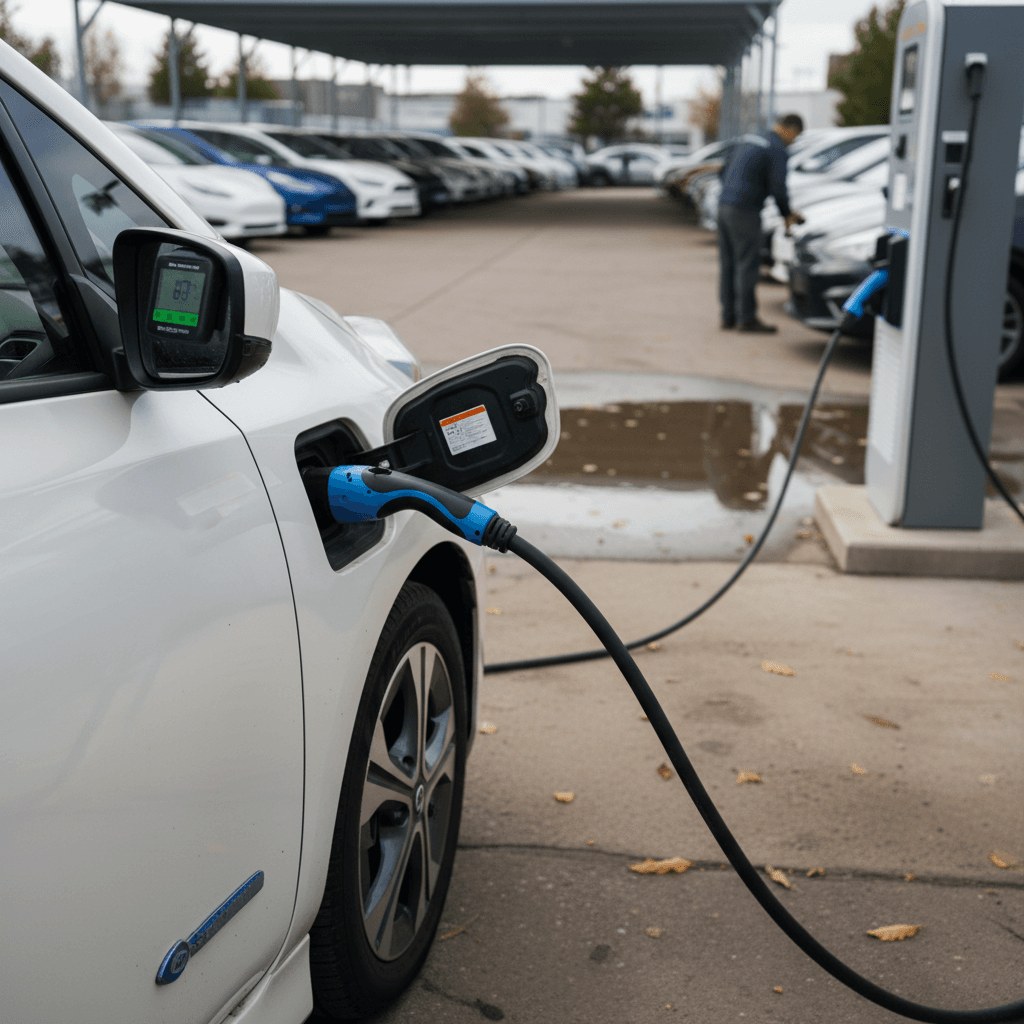
It’s not 2015 anymore: used EV prices have fallen hard, and in 2025 you can often buy a well‑equipped used electric car for what a mid‑trim compact gas car costs new. The trick is separating the quiet bargains from the battery‑health time bombs.
Used EVs and plug‑ins that punch above their price
These models commonly appear in the mid‑$20Ks or less, especially with incentives.
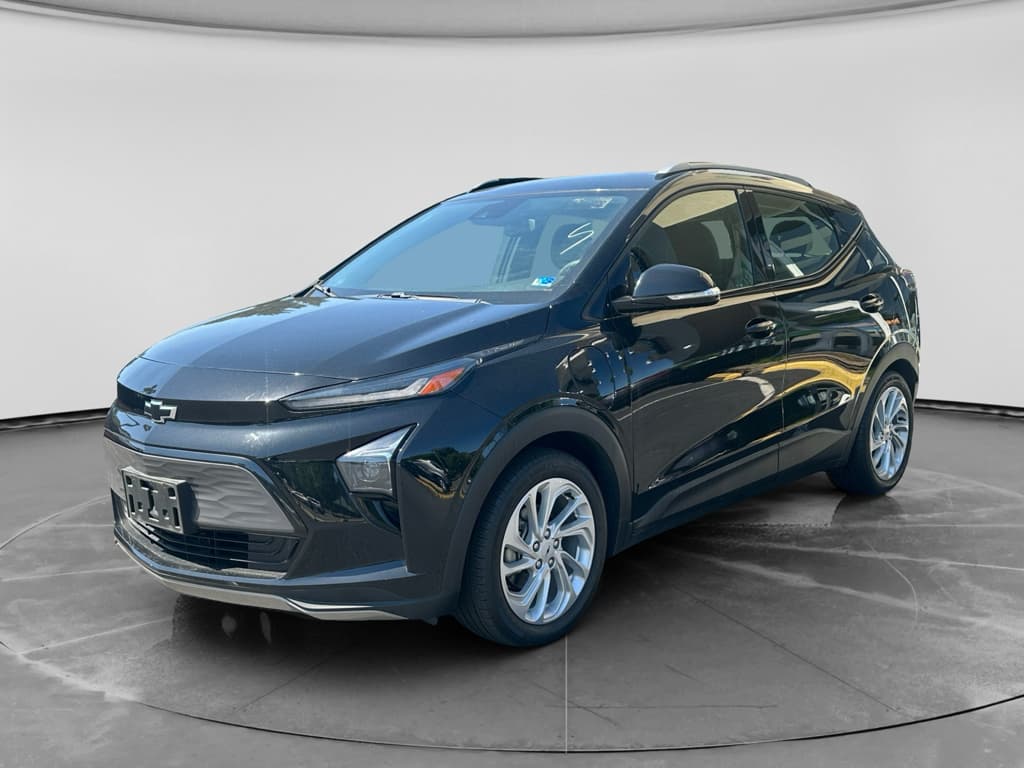
Chevrolet Bolt EV / EUV
Why it’s compelling: Excellent efficiency, simple packaging, and one‑pedal driving make the Bolt a favorite among frugal commuters. Post‑battery‑recall cars have new packs and improved warranties in many cases.
Watch for: Charging access if you road‑trip a lot; DC fast‑charging is modest by 2025 standards, but perfectly fine for occasional intercity travel.
Tesla Model 3 (earlier years)
Why it’s compelling: With heavy depreciation and fleet sell‑offs, it’s increasingly possible to see high‑mileage Model 3s dipping below $20K. You get long range, fast charging, and over‑the‑air updates.
Watch for: Battery warranty remaining, prior fleet use (for example, former rental), and any signs of rapid fast‑charging‑only use.
Nissan Leaf (2nd gen)
Why it’s compelling: City‑friendly range and simple packaging make later Leafs affordable runabouts. For many households they’re the perfect second car.
Watch for: Battery health in hot climates and the CHAdeMO fast‑charge standard, which is slowly fading in North America.
Where Recharged fits in
Ready to find your next EV?
Browse VehiclesDon’t ignore plug‑in hybrids either. Models like the Toyota Prius Prime or Hyundai Sonata Plug‑in Hybrid give you electric commuting for short trips plus gasoline backup for longer drives, often with excellent reliability and lower prices than full‑battery EVs.
Gas vs EV on a budget: which is actually cheaper to own?
Gas car: cheaper to buy, pricier to run
- Pros: More choice under $15K, easy fueling everywhere, independent shops can fix almost anything.
- Cons: Higher fuel costs, more moving parts (transmission, exhaust, fluids) that can fail, emissions checks in many states.
For low purchase budgets (under $10K–$12K), a well‑chosen gas car is still the only realistic option. Above that, the math starts to shift.
Used EV: often similar price, lower running costs
- Pros: Very low “fuel” cost per mile when you charge at home, almost no routine maintenance (no oil changes, no timing belts), smooth and quiet.
- Cons: Battery health and range are critical; public fast‑charging is still inconsistent in many regions.
At ~12,000 miles per year, the savings from electricity versus gas can easily reach four figures over a few years, if you buy a car with a healthy pack.
The EV budget buyer’s biggest mistake
How to spot a reliable cheap car in 10 minutes
Quick reliability checklist for any inexpensive car
1. Check the VIN history first
Run a reputable history report to look for salvage titles, major accidents, airbag deployments, or frequent ownership changes, big red flags on a budget car.
2. Scan for open recalls
Use the VIN on a manufacturer or NHTSA site to see if major recalls are outstanding. Many can be fixed for free, but too many unresolved issues suggest neglect.
3. Inspect for leaks and obvious abuse
On a gas car, pop the hood and look under the car for oil, coolant, or transmission leaks. Inside, heavy wear on pedals and seats versus low mileage can indicate odometer or usage concerns.
4. Verify basic electronics
In a few minutes you can test windows, locks, infotainment, lights, HVAC, backup camera, and key fobs. Fixing many of these on a modern car isn’t cheap.
5. Drive it like you’ll own it
On the test drive, listen for clunks over bumps, vibration at highway speeds, or transmission shudder. In an EV, pay attention to range estimates and any warning lights.
6. Demand a pre‑purchase inspection
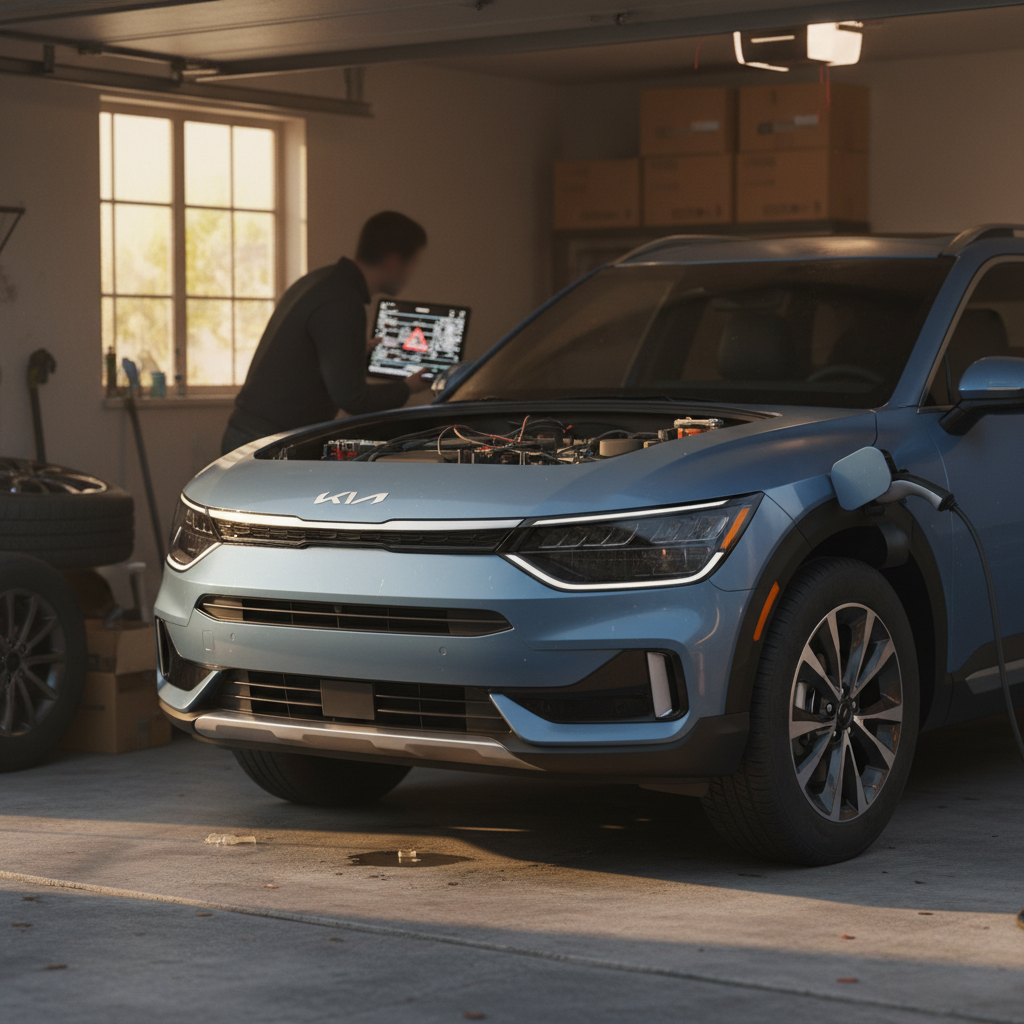
A $150–$300 inspection by a trusted independent mechanic, or for EVs, a specialist with the right diagnostic tools, is the best money you’ll spend in the entire process.
For EVs, insist on deep diagnostics
Financing and trade‑in strategies to stretch your budget
The right car at the wrong finance terms is not a good deal. With rates higher than they were a few years ago, structure matters just as much as price, especially when you’re already shopping at the inexpensive end of the market.
Smart budget moves most buyers overlook
Small changes that can save you thousands over the life of the loan.
Right‑size the loan term
Longer loans (72–84 months) lower your payment but increase total interest and keep you “upside‑down” longer. Aim for the shortest term you can comfortably afford, especially on older used cars.
Use your current car as leverage
Get multiple trade‑in or instant‑offer quotes, including from digital retailers, before you step onto a lot. Knowing your car’s real market value gives you negotiating power.
Recharged can provide an instant offer or help you consign your EV, which can net more money than a traditional trade‑in.
Pre‑qualify before you shop
Walking in with pre‑qualification from a bank, credit union, or online lender turns financing from a mystery into a line item. You can then compare dealer offers against a real baseline.
Recharged also works with financing partners who understand EVs and can help you line up terms before you pick a car.
Match the loan to the car’s remaining life
Frequently asked questions about reliable inexpensive cars
Common questions about cheap reliable cars (and EVs)
Key takeaways: how to get a reliable cheap car without regrets
The hunt for the most reliable inexpensive cars in 2025 isn’t about finding a magic model that never breaks. It’s about stacking the odds in your favor: choosing nameplates with proven reliability, insisting on good maintenance history and inspections, and structuring your financing so a surprise repair doesn’t wreck your budget.
- If you want new, look to compact stalwarts like the Toyota Corolla, Hyundai Elantra, Mazda3, and Subaru Impreza, keep options modest and prioritize safety and reliability over cosmetics.
- If you’re shopping used under $15,000, target Civic, Corolla, Camry, Mazda3, Elantra, and similar mainstream compacts and sedans with clean histories.
- If you’re EV‑curious, don’t ignore used Chevrolet Bolt, Tesla Model 3, and Nissan Leaf models, just make sure you have real battery‑health data in hand.
- Regardless of powertrain, never skip a pre‑purchase inspection or VIN history check. Those two steps are your best defense at the bottom of the market.
- Consider buying your used EV through a specialist like Recharged, where verified battery health, fair pricing, and end‑to‑end support turn a risky‑feeling purchase into a transparent decision.
Do those things, and you’re no longer just hunting for the cheapest car on the lot. You’re deliberately buying a low‑drama, low‑cost companion that does exactly what a budget car should: quietly get you where you need to go, every single day, without trying to become the main character in your financial life.