If you’re hunting for the most reliable EV SUV, you’ve probably noticed something: the internet is full of range numbers and 0–60 times, but light on real talk about what actually holds up after a few years. Let’s fix that. In this guide, we’ll walk through the EV SUVs that are earning a reputation for dependability, the ones you might want to think twice about, and how to shop smart, especially if you’re considering a used electric SUV.
A quick reality check
Why EV SUV reliability looks different from gas SUVs
With a traditional SUV, reliability conversations usually revolve around engines, transmissions, and cooling systems. EV SUVs toss most of that in the trash. There’s no oil to change, no spark plugs, no multi-speed transmission shifting itself to death in rush-hour traffic. Instead, long-term dependability comes down to batteries, software, and how well all the new tech plays together.
Where EV SUVs have an advantage
- Fewer moving parts mean fewer classic wear items.
- Brake pads can last much longer thanks to strong regenerative braking.
- No oil changes, timing belts, or transmission rebuilds lurking in the future.
Where EV SUVs struggle today
- Infotainment and driver-assist systems cause a lot of the complaints.
- New platforms mean more "first-year" bugs.
- Fast-charging hardware and battery management software are still evolving.
Why surveys still say EVs are “less reliable”
How reliability is actually measured for EV SUVs
When you see a headline about the "most reliable" or "least reliable" electric SUV, it usually traces back to big owner surveys from organizations like Consumer Reports or J.D. Power. They collect repair and complaint data on hundreds of thousands of vehicles, then score models based on the number and severity of issues across everything from power electronics to squeaks and rattles.
EV SUV reliability by the numbers
How to read “reliability scores”
Most reliable EV SUVs right now (new and nearly new)
No one study can crown a single, uncontested "most reliable EV SUV." But if you blend owner-survey data, early repair histories, and how long each model has been on the road, a few patterns emerge. Here are EV SUVs that are shaping up as safe bets, especially in 2024–2026 model years, along with a quick note on what they get right.
Standout EV SUVs for reliability (2026 snapshot)
These models are building reputations as relatively low‑drama electric SUVs, especially once early build years are skipped.
| Model | Size/Class | Why it’s a reliability standout | Years to favor |
|---|---|---|---|
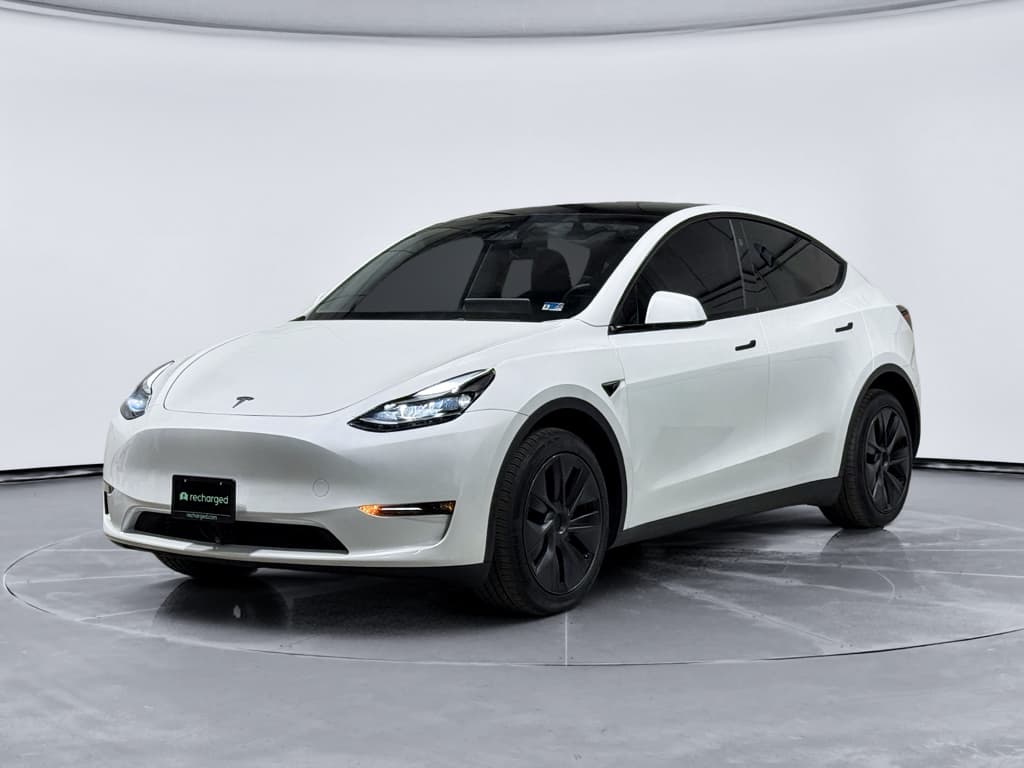
| Tesla Model Y | Compact 2-row | Mature platform with many bugs ironed out; recent surveys show big improvement in brand reliability, and the Y’s issues are trending toward minor trim and software quirks. | 2022–2025, with extra scrutiny on very early 2020–2021 builds |
| Hyundai Ioniq 5 | Compact 2-row | Strong real-world owner satisfaction, robust battery/charging hardware, and relatively few high-voltage failures reported once first-year software updates were applied. | 2023–2025 after early software recall period |
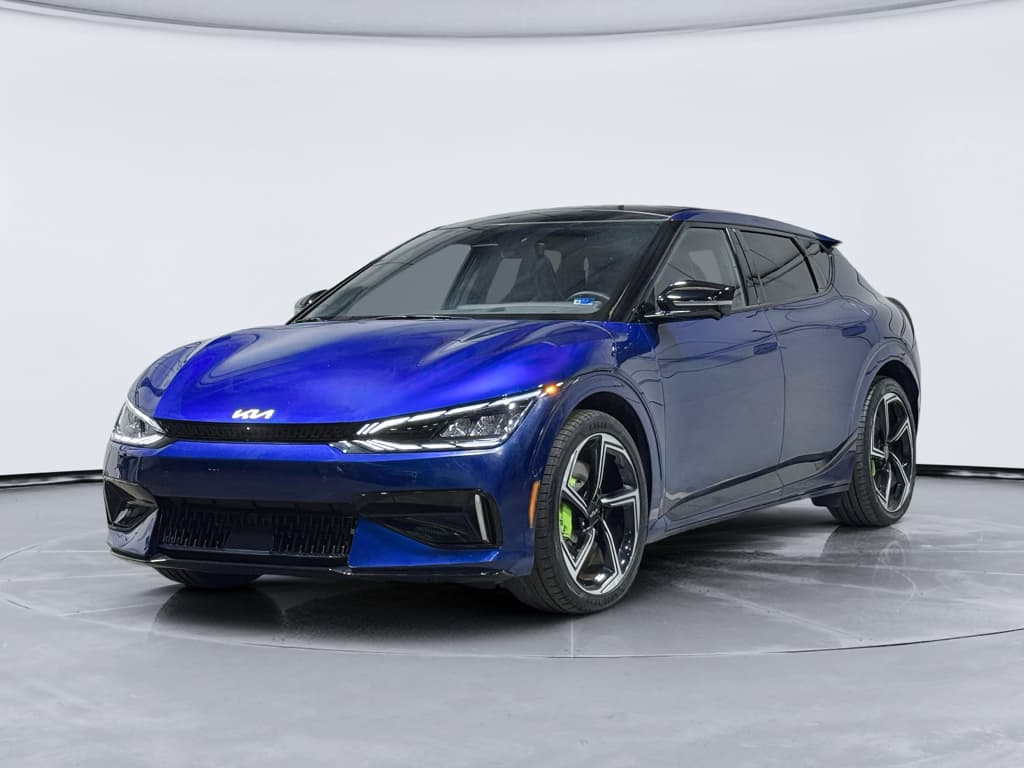
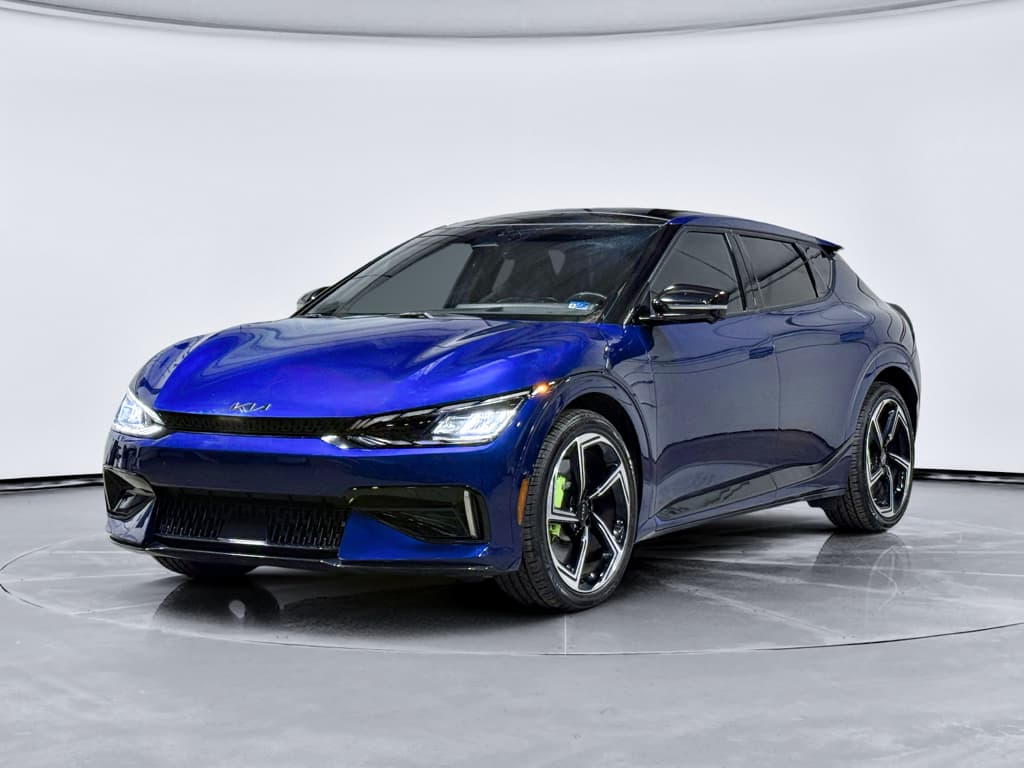
| Kia EV6 | Compact 2-row | Shares proven E-GMP platform with Ioniq 5; owners praise day-to-day dependability once charger software and recall work are up to date. | 2023–2025 |
| Kia EV9 | Large 3-row | Early data suggests solid hardware and charging performance; the key is making sure recalls and software campaigns are fully current on any example you buy. | 2024–2026, with preference for post-launch build dates |
| Lexus RZ | Compact-luxury 2-row | Lexus is leaning on its hybrid reliability reputation; the RZ’s predicted reliability has tested strong, with relatively few serious complaints so far. | 2024–2026 |
| Audi Q4 e-tron | Compact-luxury 2-row | Built on a mature VW Group MEB platform; European owner reports suggest it has fewer major headaches than some flashier rivals. | 2023–2025 |
Always cross-check the specific model year and options you’re considering, reliability can change after a refresh or major software update.
New doesn’t automatically mean reliable
Used EV SUVs that are proving dependable
If you’re shopping used, you want models that have already survived a few winters and road trips without drama. Here are EV SUVs that are aging relatively gracefully in the real world, and what to watch for on the test drive.
Used EV SUV models with a growing reliability track record
Aim for clean history reports, documented software updates, and a clear picture of battery health.
Tesla Model Y (2021–2023)
You’ll find more used Model Ys than any other EV SUV. That volume actually helps: we have clearer patterns.
- Look for cars that have had all recall and service campaigns completed.
- Inspect for suspension clunks and wind noise, common owner complaints.
- Check that basic features (doors, windows, cameras) behave flawlessly.
Hyundai Ioniq 5 (2022–2024)
Early software recalls and 12V battery issues scared some buyers, but updated cars are settling into a calm, low‑maintenance groove.
- Confirm DC fast‑charging works properly on a public charger.
- Ask for proof of completed software updates.
- Listen for creaks from the rear suspension over bumps.
Volkswagen ID.4 (2021–2023, later builds)
The ID.4 had a rocky launch, mostly on software. Later builds and updated vehicles are notably more civilized.
- Favor 2022+ or 2021s with complete software history.
- Verify all driver-assist features work smoothly, without warning lights.
- Check charge-port door and cables for damage.
Lean on long warranties
EV SUVs with more than their share of issues
Every reliability conversation has two sides. Some EV SUVs have a higher‑than‑average rate of owner complaints, service visits, or serious hardware faults. That doesn’t mean you should never buy one, but it does mean you should go in with open eyes, a careful inspection, and maybe a backup choice.
- Early-build Ford Mustang Mach‑E: persistent reports of electrical gremlins, charging issues, and recalls in early years. Later software updates have helped, but history matters.
- GM Ultium SUVs (Cadillac Lyriq, Chevy Blazer EV, early Hummer EV SUV): impressive on paper, but owner surveys and headlines have flagged charging problems, software breakdowns, and quality-control issues in their first years.
- Rivian R1S: beloved by owners for capability and design, but ranked near the bottom of some reliability lists thanks to frequent fit-and-finish and electronics issues early on.
- Subaru Solterra and Toyota bZ4X: both saw well-publicized early recalls; later builds are improved, but you’ll want to confirm recall work and inspect wheels, tires, and charging behavior carefully.
Don’t just memorize a “bad list”
Battery health: the heart of EV SUV reliability
When people ask about the "most reliable EV SUV," what they’re usually worried about, whether they know it or not, is battery life. Will this thing still deliver useful range in eight years? Or am I buying a future paperweight?
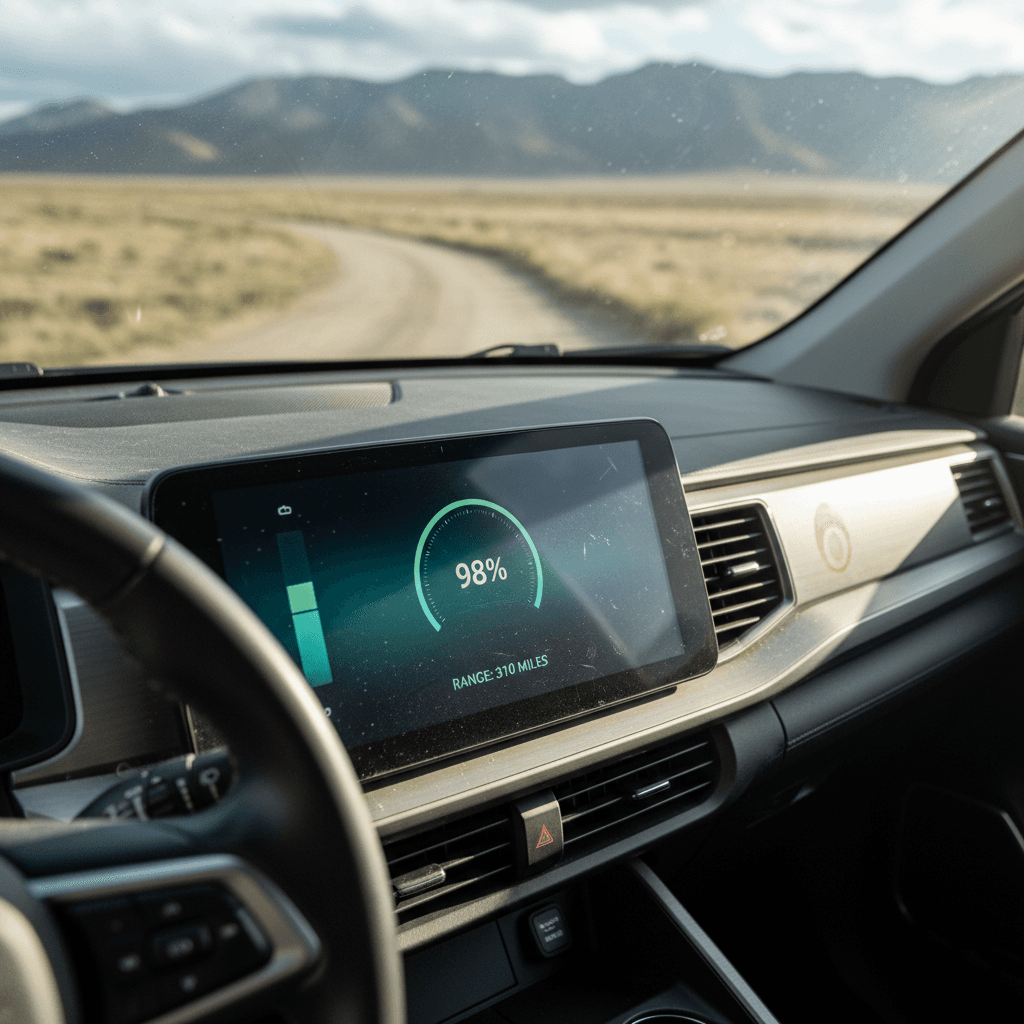
The good news: multiple real‑world studies of used EVs show that most batteries degrade more slowly than early skeptics predicted. A large European study of over a thousand used EVs found the majority still had 90% or more of their original capacity after several years on the road. And long‑term tests on popular models have shown only modest range loss even past 100,000 miles, when they’re cared for properly.
- Avoid living at 100% charge and full‑power fast charging every single day if you can; it stresses the pack.
- Parking long‑term at extreme heat with a full battery is harder on cells than sitting at moderate charge in a garage.
- Software updates can materially improve battery management and estimated range; keep them current.
Why independent battery checks matter
Checklist: buying a reliable used EV SUV
Shopping used is where reliability really matters. You’re not just betting on the badge; you’re betting on how a particular vehicle was built, maintained, and updated. Use this checklist to tilt the odds in your favor.
Essential checks for a dependable used EV SUV
1. Start with the right models and years
Begin with EV SUVs that have at least a few model years under their belt and decent owner‑reported reliability, think later‑build Tesla Model Y, Hyundai Ioniq 5/6 SUVs, Kia EV6/EV9, or Lexus RZ. Be especially cautious with first‑model‑year vehicles and radical redesigns.
2. Demand a clear battery health report
Battery condition is the single biggest reliability and value lever. Look for <strong>verified battery health data</strong>, not just a guess from the dash display. Every vehicle sold through Recharged includes a Recharged Score Report with an independent battery-health assessment.
3. Verify recall and software history
Ask the seller for a printout of completed recalls and service campaigns. On a test drive, confirm the vehicle is running current software, outdated code can cause glitches that look like hardware failures.
4. Test charging in the real world
If possible, plug into both a Level 2 public charger and, if the vehicle supports it, a DC fast charger. Watch for error messages, unusually slow speeds, or the session dropping unexpectedly, those can be signs of deeper hardware or thermal‑management problems.
5. Scan for warning lights and phantom alerts
Turn the vehicle fully on and cycle through drive modes and features: cameras, parking sensors, adaptive cruise, lane‑keep. Intermittent warnings about driver‑assist or charging systems can point to expensive high‑voltage or sensor network issues.
6. Inspect the basics like it’s any other SUV
Reliability isn’t just about batteries. Check tires for uneven wear, look for underbody scrapes near the battery pack, listen for suspension clunks, and verify that doors, hatches, and seats operate smoothly. A beat‑up body often signals beat‑up electronics.
How Recharged simplifies this
Cost of ownership: how reliability hits your wallet
One upside of a reliable EV SUV is obvious: fewer surprise repairs. But there’s more going on under the surface. Because EVs have so few wear items, most of your long‑term cost of ownership comes down to electricity, tires, and avoiding big-ticket failures like batteries, inverters, and charge hardware.
Where reliable EV SUVs save you money
- No oil changes, spark plugs, or transmission services.
- Brake wear is reduced thanks to regenerative braking.
- Electricity is usually cheaper and more predictable than gas.
- Fewer moving parts mean fewer catastrophic mechanical failures.
Where problems get expensive fast
- Out‑of‑warranty battery or high‑voltage component failure.
- Repeated dealer visits to chase software or charging bugs.
- Rapid tire wear on heavy, powerful EV SUVs.
- Outdated tech hurting resale if buyers lose confidence in the model.
Think in 8–10 year chunks
How Recharged helps you buy a reliable used EV SUV
Reliability isn’t just a spec sheet number, it’s how an individual vehicle has been treated, charged, and updated. That’s hard to see when you’re standing in a lot staring at a glossy paint job. Recharged was built to close that gap for used EV shoppers.
What you get when you shop for an EV SUV with Recharged
Less guessing, more knowing.
Recharged Score Report
Every vehicle comes with a Recharged Score that includes a battery health diagnostic, pricing analysis, and condition summary.
You get transparency on the part of EV reliability that matters most, and that’s usually the hardest to see.
EV-specialist inspection
Our EV-focused team knows where these SUVs typically fail and how to spot red flags early.
From charging hardware to suspension clunks, you’re not walking in blind.
Financing, trade-in, delivery
Recharged can help you finance your EV SUV, value your trade, or even sell your current vehicle outright.
You can handle the entire process online, or visit our Experience Center in Richmond, VA if you prefer to see vehicles in person.
Ready to find your next EV?
Browse VehiclesBuilt for used EV buyers
FAQ: most reliable EV SUVs
Common questions about reliable EV SUVs
Bottom line: choosing your most reliable EV SUV
The search for the most reliable EV SUV isn’t about chasing a single magic model. It’s about stacking the odds in your favor: choosing a mature platform with a solid track record, targeting the right model years, and insisting on clear, honest battery and service history, especially on a used vehicle.
If you start with EV SUVs that have already proved themselves, skip first‑year experiments, and lean on tools like independent battery health diagnostics, you can absolutely find an electric SUV that’s more appliance than adventure. And if you’d like a head start, browsing used EV SUVs on Recharged means every choice comes with a Recharged Score Report and EV‑savvy support built in, so reliability isn’t a guessing game.