When shoppers search for the most reliable EV sedan, they’re usually trying to answer two questions at once: “Which models break the least?” and “Which batteries will actually last?” With electric sedans, reliability isn’t just about avoiding repairs; it’s about protecting range, resale value and your confidence every time you plug in.
Quick take
Why reliability matters so much for EV sedans
With a conventional sedan, reliability worries usually center on engines, transmissions, and complex emissions equipment. In an EV sedan, the powertrain has far fewer moving parts, but the stakes are higher around the high-voltage battery pack, on‑board electronics and charging hardware. A weak 12‑volt battery or failed charge module can park an otherwise healthy car; a degraded main pack can slash your usable range and resale value.
EV reliability and batteries in 2024–2025: the context
How we define the “most reliable EV sedan”
Different outlets slice this question in different ways. Consumer reliability surveys, warranty data and owner forums don’t always line up perfectly, but they do point to a consistent set of criteria. For this guide, a reliable EV sedan is one that: (1) has a strong track record in large‑sample owner surveys, (2) shows stable battery performance over time, (3) isn’t plagued by repeated software or electronics glitches, and (4) offers warranty and support that actually solves problems when they appear.
- Owner‑reported reliability in large surveys (Consumer Reports, J.D. Power and similar owner‑feedback studies).
- Powertrain and battery issues versus minor annoyances like trim or infotainment bugs.
- Battery chemistry, thermal management and real‑world degradation data from fleet studies and independent research.
- Warranty coverage on both the vehicle and high‑voltage components.
- Repair complexity and part availability for out‑of‑warranty fixes.
- How these factors play out on the used market, where value and risk matter most.
A note on the data
Quick ranking: most reliable EV sedans in 2025
Based on current owner surveys, independent testing and emerging battery‑longevity research, here’s where the conversation around the most reliable EV sedan generally lands in 2025. This list focuses on models widely available in North America and favored by used‑EV shoppers.
Most reliable EV sedans in 2025 (new & used focus)
These rankings blend owner‑reported reliability, battery behavior and practicality on the used market. Exact ordering can vary by survey; treat this as a directional guide, not a verdict carved in stone.
| Rank | Model | Years to Target (US) | Why It’s Here | Best For |
|---|---|---|---|---|
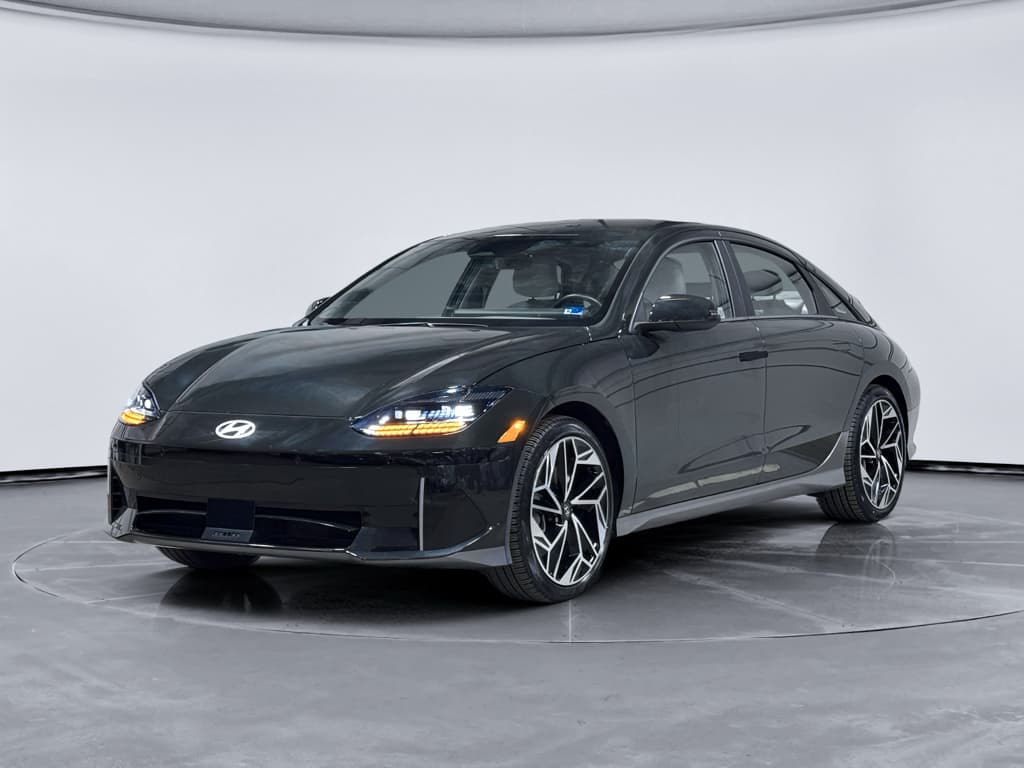
| 1 | Hyundai Ioniq 6 | 2023–present | Strong early reliability scores, efficient powertrain, generous warranty and improving software support. | Drivers who want a long‑range, modern sedan with a full factory warranty window. |
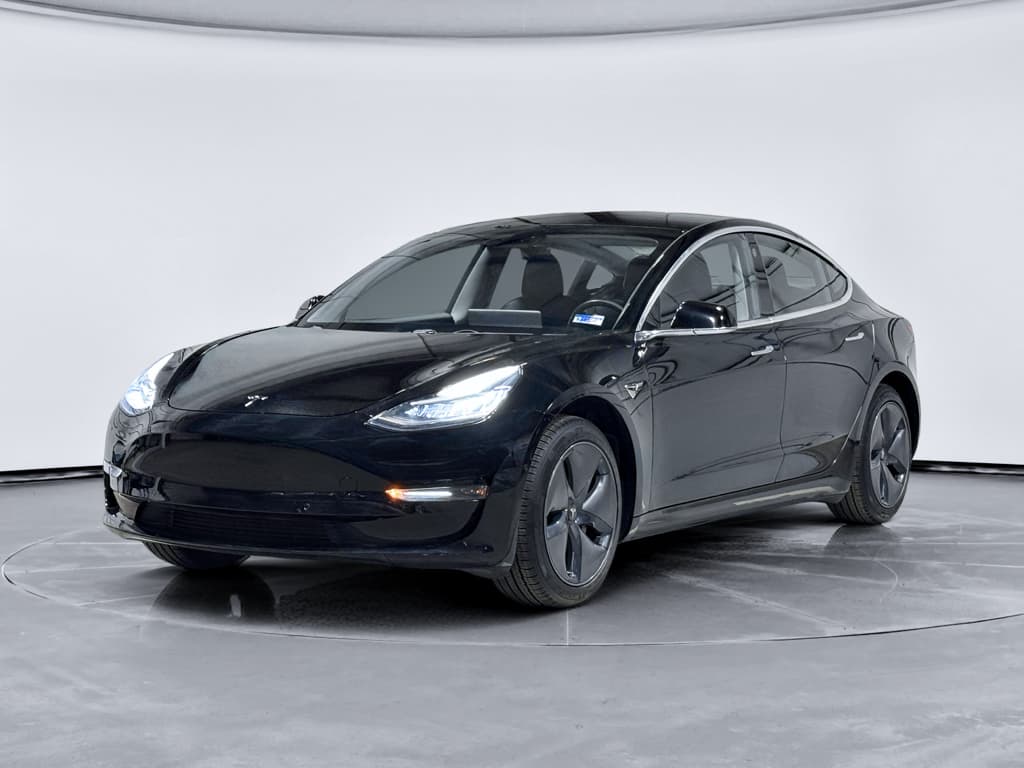
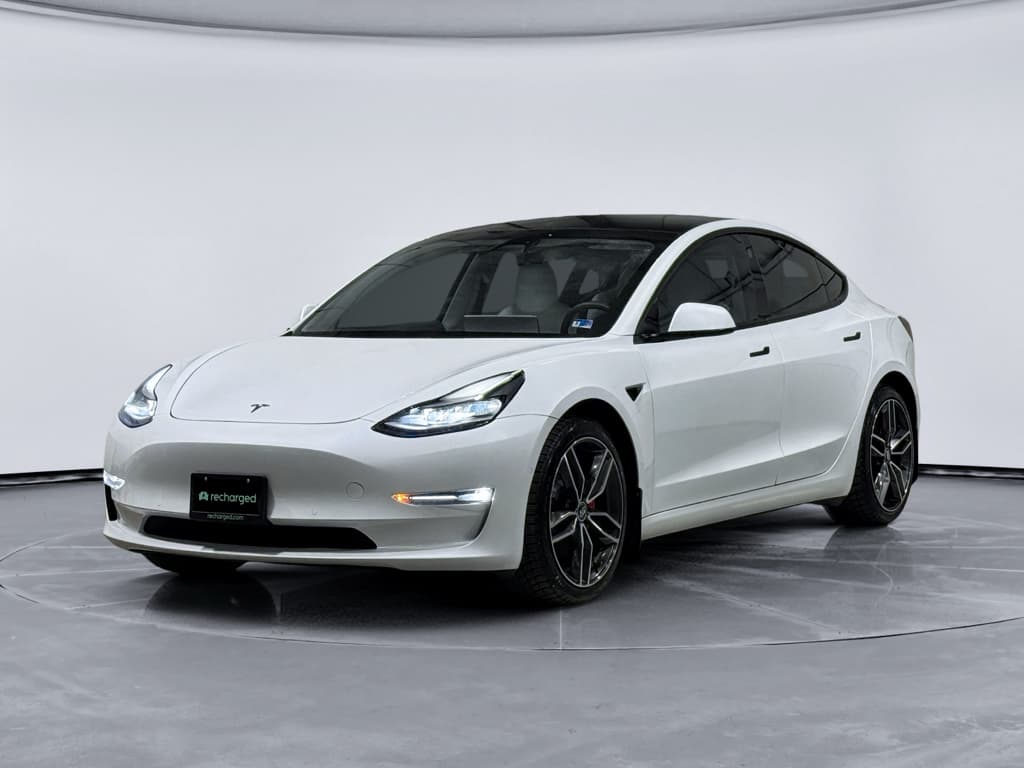
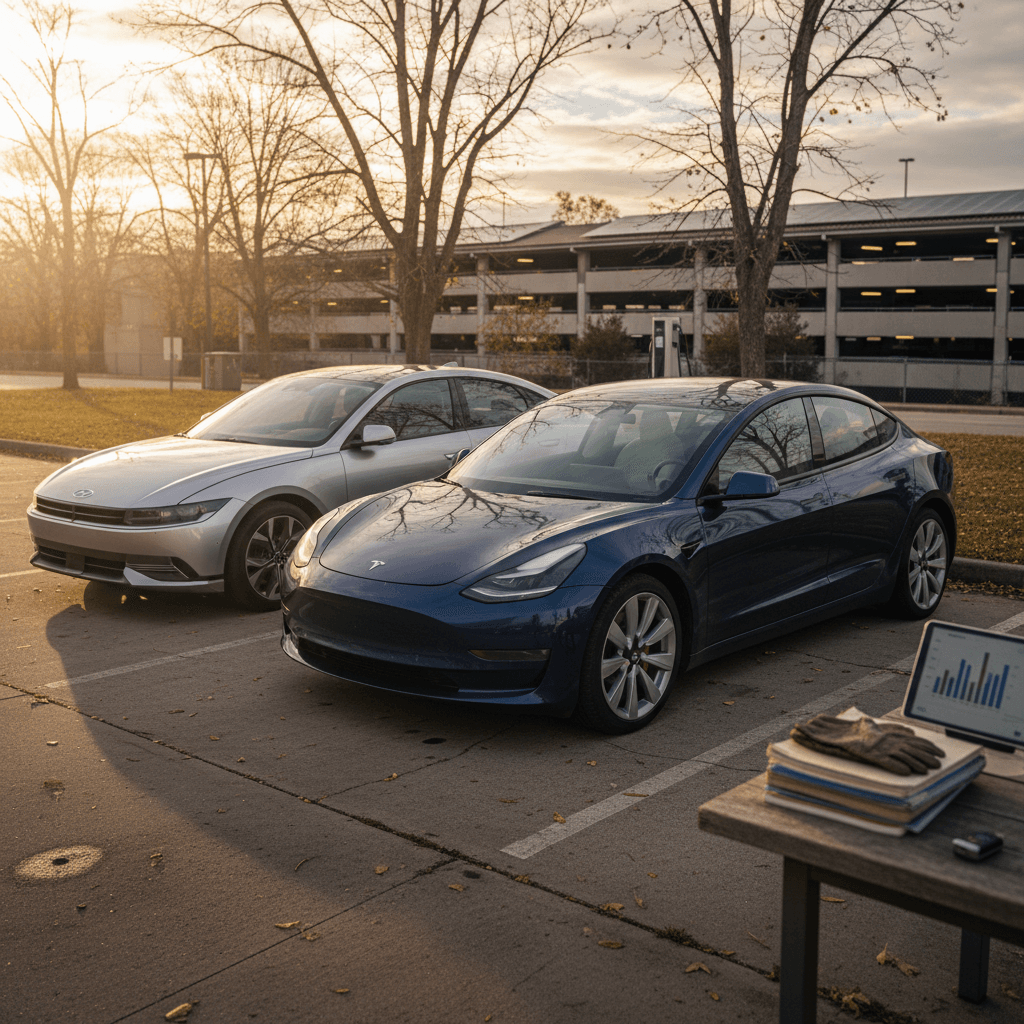
| 2 | Tesla Model 3 | 2019–present | Mature platform, massive data set, battery and drive units aging well, charging network advantage. | High‑mileage commuters and road‑trippers who value charging convenience. |
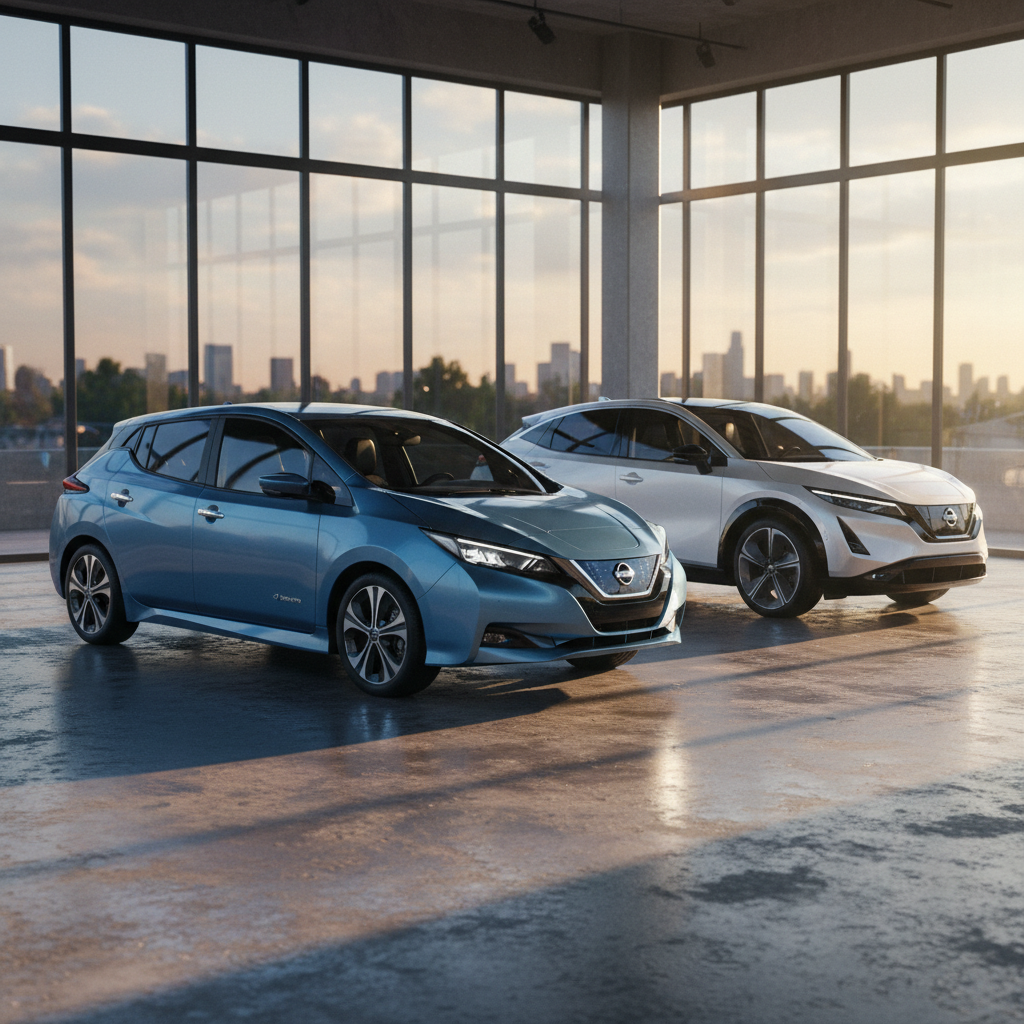
| 3 | Nissan Leaf (2nd gen hatchback, sedan alternative) | 2018–2022 | Simple, proven design with strong owner‑reported reliability; limited range and passive‑cooled battery on early years. | Budget buyers with short daily drives who prioritize low running costs. |
| 4 | BMW i4 | 2022–present | Built on BMW’s long‑running 3‑/4‑Series architecture with solid reliability so far; higher parts and service costs. | Drivers wanting a premium feel and willing to pay more for maintenance. |
| 5 | Polestar 2 | 2021–present | Good owner satisfaction, decent reliability record, and strong battery thermal management; smaller dealer footprint. | Urban and suburban drivers comfortable with a newer brand and app‑centric experience. |
The right choice for you depends on budget, range needs and how long you plan to keep the car.
Why you see crossovers in some rankings
Model spotlights: what makes these EV sedans dependable
Hyundai Ioniq 6: the rising reliability star
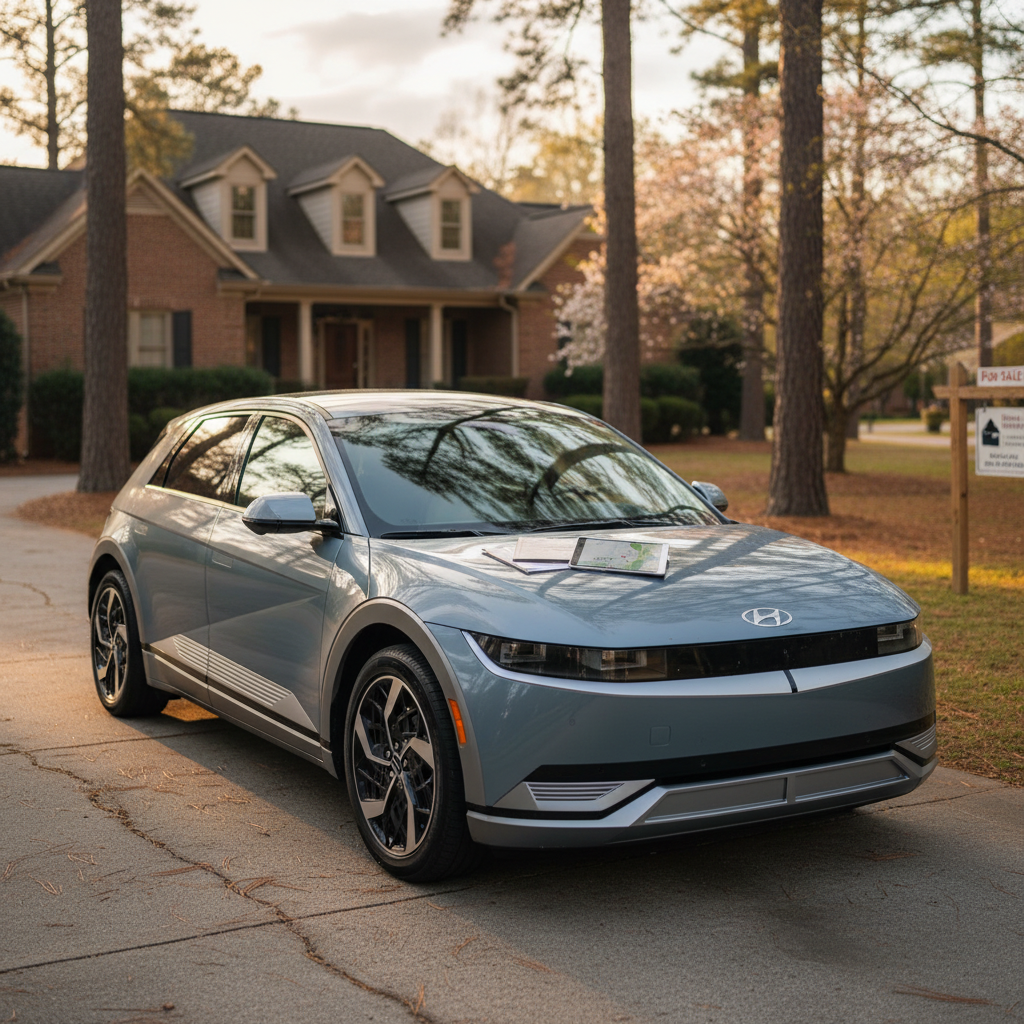
Hyundai’s Ioniq 6 doesn’t sell in the volumes of a Model 3, but it keeps showing up in reliability and satisfaction lists. The car rides on the E‑GMP platform shared with the Ioniq 5 and Kia EV6, but owners report fewer early‑run teething issues than those higher‑profile siblings. The Ioniq 6 pairs a highly efficient powertrain with a long battery warranty and relatively conservative fast‑charging behavior, which all favor long‑term durability.
Where the Ioniq 6 shines is everyday predictability: quiet ride, stable range even at highway speeds, and a cabin that feels closer to a traditional midsize sedan than a minimalist tech pod. Early reports of issues like ICCU (charging control unit) failures have led to software updates and hardware revisions; if you’re shopping used, aim for late‑2024 or newer builds or verify that recall work has been completed.
Tesla Model 3: proven powertrain, maturing quality
The Tesla Model 3 is the volume benchmark for electric sedans, which means we have more real‑world reliability and battery data on it than almost any other EV. Independent studies using millions of miles of telemetry show Tesla packs generally retaining a large share of their original capacity well past 100,000 miles, and owner surveys increasingly separate long‑term battery health from smaller issues like rattles or infotainment bugs.
Build quality complaints on early Model 3s were common, but more recent cars tend to be better put together. What continues to stand out is the robustness of the motor and battery system and the simplicity of the powertrain, which means fewer mechanical failure points than a gas sedan. As Tesla’s software matures and more bugs are ironed out over‑the‑air, long‑term reliability perceptions have followed suit, especially for 2020+ cars.
Nissan Leaf (2nd gen): budget reliability play
The second‑generation Nissan Leaf isn’t a sedan in the traditional sense, but many shoppers cross‑shop it with compact sedans because of its footprint and price. The Leaf’s powertrain is simple, and long‑term owner surveys consistently rate it as one of the more dependable EVs overall.
The trade‑off is range and battery tech. Earlier second‑gen Leafs rely on passive air cooling, which can accelerate degradation in hot climates and with heavy fast‑charging. If you’re shopping a Leaf as a reliable commuter, prioritize cooler‑climate history, low DC‑fast‑charge counts and a verified battery‑health report.
BMW i4 and Polestar 2: premium, with caveats
BMW’s i4 and the Polestar 2 both appeal to buyers moving out of premium gas sedans. Their reliability stories so far are cautiously positive: no systemic battery disasters, but the usual mix of software bugs and minor electrical gremlins you expect from tech‑heavy luxury cars.
Because they’re newer and sold in lower volumes, we simply don’t have as deep a reliability record as we do for the Model 3 or Leaf. Parts and service can also be pricier and more dealer‑dependent. For used shoppers, that makes a thorough pre‑purchase inspection and battery‑health check even more important.
Battery longevity: the core of EV sedan reliability
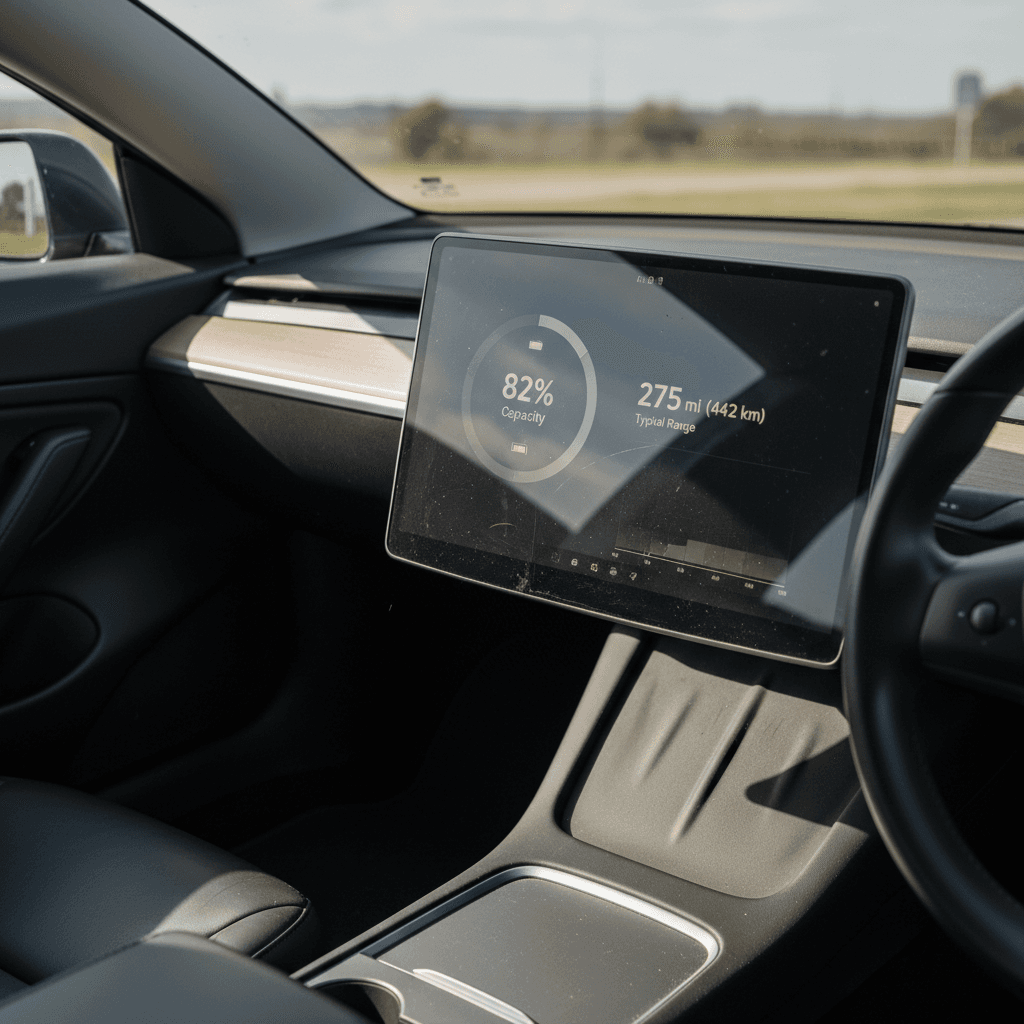
When you’re comparing “most reliable EV sedans,” what you’re really comparing is how the battery, charging hardware and electronics age together. A door handle motor can fail on any car; a battery that has lost 30% of its usable capacity turns a 300‑mile sedan into a 200‑mile sedan overnight, with a direct hit to resale value.
What shapes an EV sedan’s long‑term battery reliability?
Four levers matter more than most shoppers realize.
Thermal management
Liquid‑cooled packs (Tesla, BMW, Polestar, Hyundai E‑GMP) usually degrade more slowly than air‑cooled designs, especially in hot climates.
Fast‑charging habits
Frequent DC fast‑charging from very low to very high state‑of‑charge can stress cells. Occasional road‑trip fast‑charging is fine; living on it isn’t.
Time & storage
Calendar age matters. Letting an EV sit at 100% or near 0% SOC for long periods can age the pack faster than regular, moderate use.
Software & buffers
How conservatively a manufacturer sets usable capacity buffers, thermal limits and charging curves has a big impact on real‑world longevity.
What recent battery studies show
New vs. used: which EV sedans make the best used buys?
Reliability looks different when you’re staring at a brand‑new window sticker versus a six‑year‑old used listing. New EV sedans benefit from full factory warranties and the latest hardware revisions; used EV sedans can offer huge value, but only if the first owner’s habits and the battery’s condition line up in your favor.
When a new EV sedan makes sense for reliability
- Hyundai Ioniq 6, BMW i4, Polestar 2: Still early in their lifecycle, with evolving software and occasional recalls. Buying new (or nearly new CPO) keeps you under full warranty coverage while the bugs get ironed out.
- Latest Tesla Model 3 revisions: If you want the newest hardware and incremental fit‑and‑finish improvements, a new or very recent car minimizes early‑build surprises.
- Long keeping period: If you plan to drive the car 8–10+ years, starting the clock with a fresh battery and full warranty can be worth the premium.
Why many shoppers go used for reliability + value
- Proven generations: 2019–2022 Model 3 and 2018–2022 second‑gen Leaf have meaningful reliability histories and big depreciation already priced in.
- Battery reality vs. fear: Data now suggests many EV packs age more gracefully than early headlines implied, so a five‑year‑old sedan with a healthy pack can be a smart buy.
- Lower monthly cost: Even if a used EV sedan needs a minor repair or two, the savings on purchase price, fuel and routine maintenance can outweigh the risk for many buyers.
The used‑EV trap to avoid
Checklist: how to evaluate a used EV sedan’s reliability
If you’re shopping the used market, the way you inspect an EV sedan should look different from how you’d inspect a used gas car. Here’s a reliability‑focused checklist you can walk through or hand to a trusted shop.
Used EV sedan reliability checklist
1. Get a true battery‑health report
Ask for a <strong>third‑party or dealer‑grade battery assessment</strong>, not just the in‑car display. Tools like the Recharged Score use diagnostic data to estimate remaining capacity and spot potential degradation patterns.
2. Review DC fast‑charging history
Heavy fast‑charging doesn’t automatically kill a battery, but frequent 0–100% DC sessions are a yellow flag. If possible, review charging logs or ask the seller about typical charging habits (home Level 2 vs. roadside fast‑charging).
3. Check for recalls and software updates
Many EV sedans have had software or hardware recalls related to charge modules, inverters or battery‑management software. Verify that any open campaigns have been performed before you sign anything.
4. Inspect high‑voltage and 12‑volt systems
Have a technician familiar with EVs check for diagnostic trouble codes, coolant leaks around the battery and drive unit, and the condition of the 12‑volt battery that powers control systems.
5. Evaluate climate history and usage
Cars from extremely hot regions or those that sat parked for long stretches at near‑full charge can show more degradation. Prefer vehicles with documented regular use and moderate climates when possible.
6. Drive‑test for software and electronics quirks
On the test drive, focus on infotainment stability, driver‑assist behavior, AC performance and any warning lights. Many EV reliability complaints are about <strong>software glitches</strong> rather than hardware catastrophes.
Where Recharged fits in for used EV sedans
For most buyers, the hard part of finding the most reliable EV sedan isn’t reading lists, it’s knowing whether the specific used car in front of you lives up to the reputation of its badge. That’s where Recharged comes in.
How Recharged helps you buy a reliable used EV sedan
Less guesswork, more verified data.
Recharged Score battery health report
Every vehicle on Recharged comes with a Recharged Score Report, including verified battery‑health diagnostics. That means you see real battery data, not just a dash gauge, before you buy.
Fair pricing & financing
Because the Recharged Score bakes battery health into the valuation, pricing stays aligned with the car’s true condition. You can also arrange EV‑friendly financing and even trade‑ins or consignment through a fully digital process.
Nationwide support & delivery
Whether you browse online or visit the Recharged Experience Center in Richmond, VA, EV specialists guide you through model selection, reliability questions and home‑charging basics, then organize nationwide delivery to your driveway.
Ready to find your next EV?
Browse VehiclesWhy this matters for reliability
FAQ: most reliable EV sedan questions, answered
Frequently asked questions about reliable EV sedans
Bottom line: how to choose your most reliable EV sedan
If you’re chasing the most reliable EV sedan, you’re really chasing the right mix of proven hardware, careful software updates and a battery that’s aging gracefully. Today, models like the Hyundai Ioniq 6 and Tesla Model 3 set the pace, while budget‑minded shoppers can still find excellent value in a well‑cared‑for Nissan Leaf or other compact EVs.
The key is to stop thinking in terms of badges alone and start thinking in terms of individual cars. That means verifying battery health, digging into software and recall history, and being honest about your range needs and budget. Whether you buy through a traditional dealer, a private seller, or a specialist marketplace like Recharged, with its Recharged Score battery diagnostics, EV‑savvy support and nationwide delivery, you’ll be in a much better position to pick an electric sedan that feels boringly reliable for years to come instead of exciting only on delivery day.