If you’re trying to figure out the most reliable electric car in 2026, you’ve probably noticed something: every list seems to say something different. One outlet crowns the Tesla Model 3, another swears by the BMW i4, while owner forums tell horror stories about issues across the board. In this guide, we’ll cut through the noise with a data-first look at EV reliability and show you which new and used electric cars are actually proving dependable in the real world.
Key takeaway up front
Why EV reliability still looks “weird” in 2026
When you ask, “what’s the most reliable electric car in 2026?” you’re bumping into three overlapping realities:
- EVs are still newer as a fleet, so we have fewer 8–10‑year‑old examples than with gas cars.
- Early EVs were often experiments with brand‑new platforms and software, which increased teething problems.
- Most problems aren’t with the battery or motor, but with infotainment, charging electronics, and build quality, exactly the areas where many brands have been learning on the fly.
Recent reliability surveys in 2025 and early 2026 show two simultaneous truths: EVs, on average, still report more issues per vehicle than gas cars; but a growing cluster of mainstream EVs now land at average or better‑than‑average reliability. Compact and midsize models from BMW, Hyundai–Kia, Nissan, Lexus/Toyota, Audi, Porsche, Genesis, Ford and Tesla form the core of that improving group.
Don’t confuse brand hype with reliability
How we picked the most reliable electric cars for 2026
Instead of chasing a single “#1 most reliable electric car 2026” trophy, it’s more honest, and useful, to group EVs into tiers based on how much evidence we have. For this guide, we leaned on three pillars:
Our reliability framework for 2026
What actually counts when you’re buying a used or new EV
Longitudinal survey data
We look at multi‑year reliability data from large owner surveys where available, focusing on:
- Powertrain and battery issues
- Charging and electronics problems
- Body, trim, and noise complaints
Battery longevity evidence
Published testing, warranty data, and real‑world degradation studies tell us how well packs hold up over:
- 4–8 years of use
- High‑mileage duty cycles
Platform maturity & complexity
EVs that share proven platforms and avoid first‑generation tech risk tend to be more reliable. We favor:
- Conservative engineering choices
- Brands with strong ICE reliability track records
Why “boring” can be good
Top 10 most reliable electric cars for 2026
Based on current data through early 2026, these models stand out as strong bets for reliability, especially if you’re shopping the used market for 2020–2024 model years. We’ve grouped them by confidence level, not by marketing hype.
Reliability tiers at a glance
Most reliable electric cars for 2026 (U.S. focus)
Models are listed alphabetically within each tier; always verify specifics by model year and trim.
| Tier | Model | Typical Strengths | Key Watch‑Outs |
|---|---|---|---|
| 1 – High confidence | BMW i4 | Proven 4‑Series underpinnings, strong battery management, solid build quality | Options and repairs can be pricey; wheel/tire damage on rough roads |
| 1 – High confidence | Hyundai Ioniq 5 | Excellent efficiency, mature E‑GMP platform, strong owner satisfaction | Early DC fast‑charging quirks; software updates important |
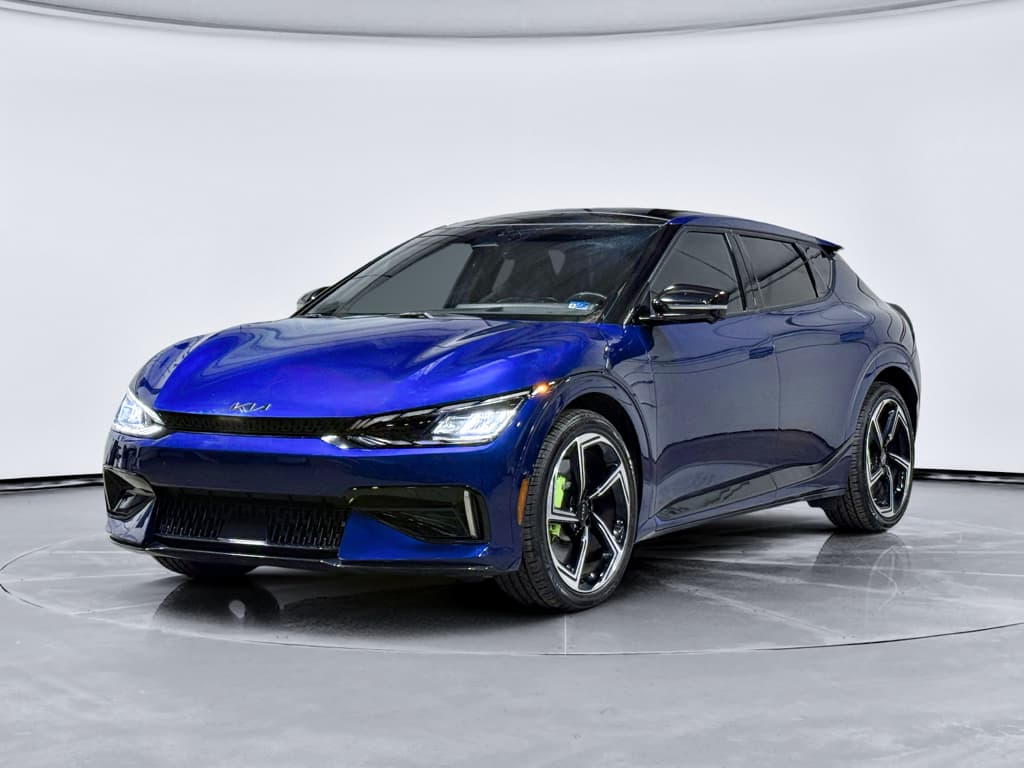
| 1 – High confidence | Kia EV6 | Shares hardware with Ioniq 5; strong real‑world reliability so far | Low‑profile tires and sporty setup can mean more wear items |
| 1 – High confidence | Nissan Leaf (2nd gen, 2018+) | Simple, proven drivetrain; fewer complex systems; strong used value | Limited DC fast‑charging speed; older cars in hot climates need careful battery checks |
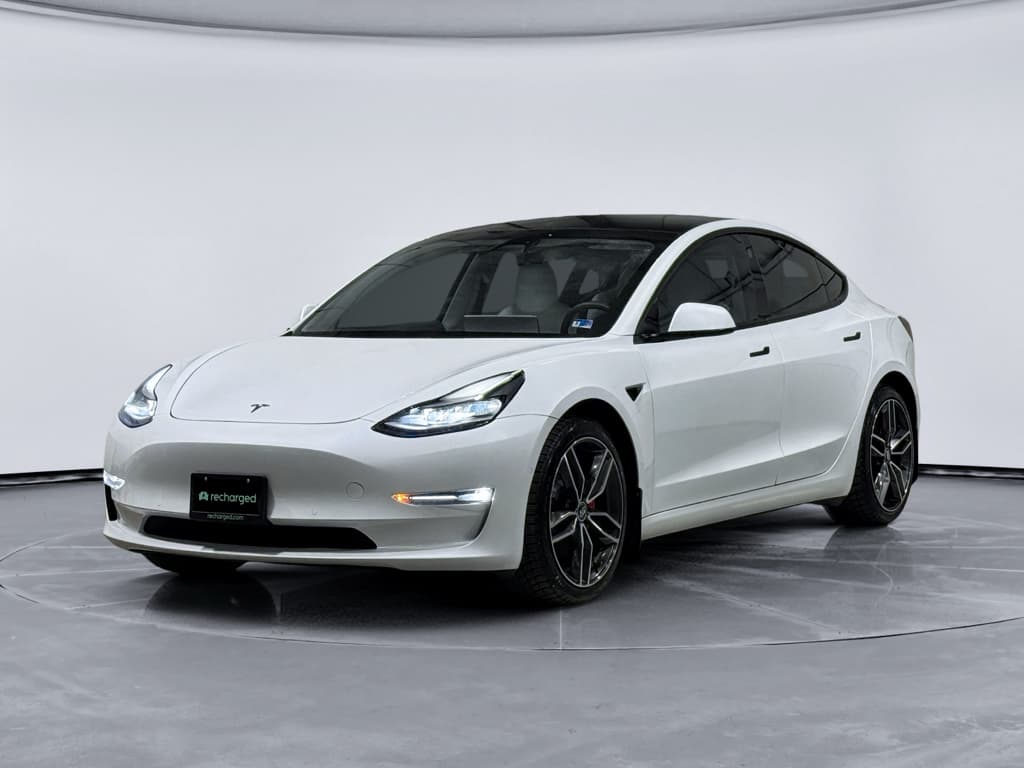
| 1 – High confidence | Tesla Model 3 (2020+ esp. RWD/LFP) | Efficient, robust battery management, fewer moving parts; improving build quality in recent years | Body trim and software bugs still appear; repairs can be expensive out of warranty |
| 1 – High confidence | Tesla Model Y | Shares much with Model 3; strong battery longevity data; huge owner base | Same concerns as Model 3; check panel gaps, water leaks, and suspension noises |
| 2 – Promising | BMW iX / i5 | Premium build, good reliability so far, conservative German engineering on a modern platform | High complexity means expensive fixes; limited long‑term data |
| 2 – Promising | Hyundai Ioniq 6 | Streamlined sedan variant of E‑GMP; strong efficiency and early reliability data | Newer model, less long‑term data; low ride height vulnerable to scrape damage |
| 2 – Promising | Kia Niro EV (2nd gen) | Compact, efficient, practical; less stressed hardware than large SUVs | Some infotainment and trim issues; verify recall/software history |
| 2 – Promising | Lexus RZ / Toyota bZ4X | Backed by Lexus/Toyota’s broader reliability culture; modest power output | Early bZ4X recall history; still fewer units and shorter EV track record than their hybrids |
Use this as a starting point, then dig into year‑by‑year reliability and a detailed inspection for any used example.
Quick answer: a conservative pick
Battery health: the real foundation of EV reliability
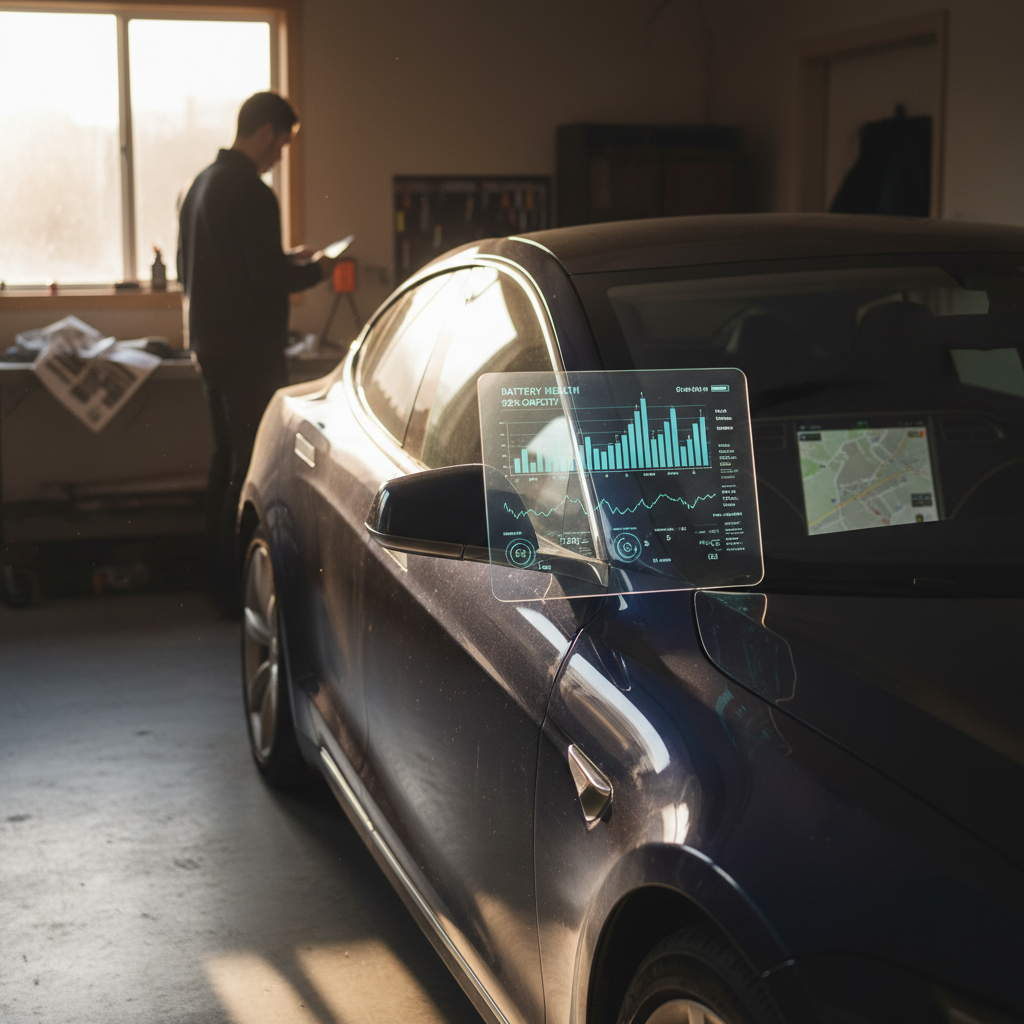
With gas cars, reliability talk tends to center on engines and transmissions. With EVs, the single biggest long‑term variable is battery health. The good news: modern packs are holding up better than many early skeptics predicted.
What the data shows
- Long‑term testing of popular EVs in Europe and the U.S. shows many packs retaining ~90% capacity after 4–5 years and ~100,000 miles when properly cooled and managed.
- Brands using robust liquid‑cooled packs and conservative charge buffers (BMW, Hyundai–Kia, Tesla, VW, Nissan’s newer packs) are seeing slower degradation.
Where degradation is still a risk
- Early, air‑cooled packs in hot climates (older Leafs) can lose range more quickly.
- DC fast‑charging exclusively, especially at high states of charge, can accelerate wear over time.
- High‑performance variants driven hard and charged aggressively will usually age faster than base trims.
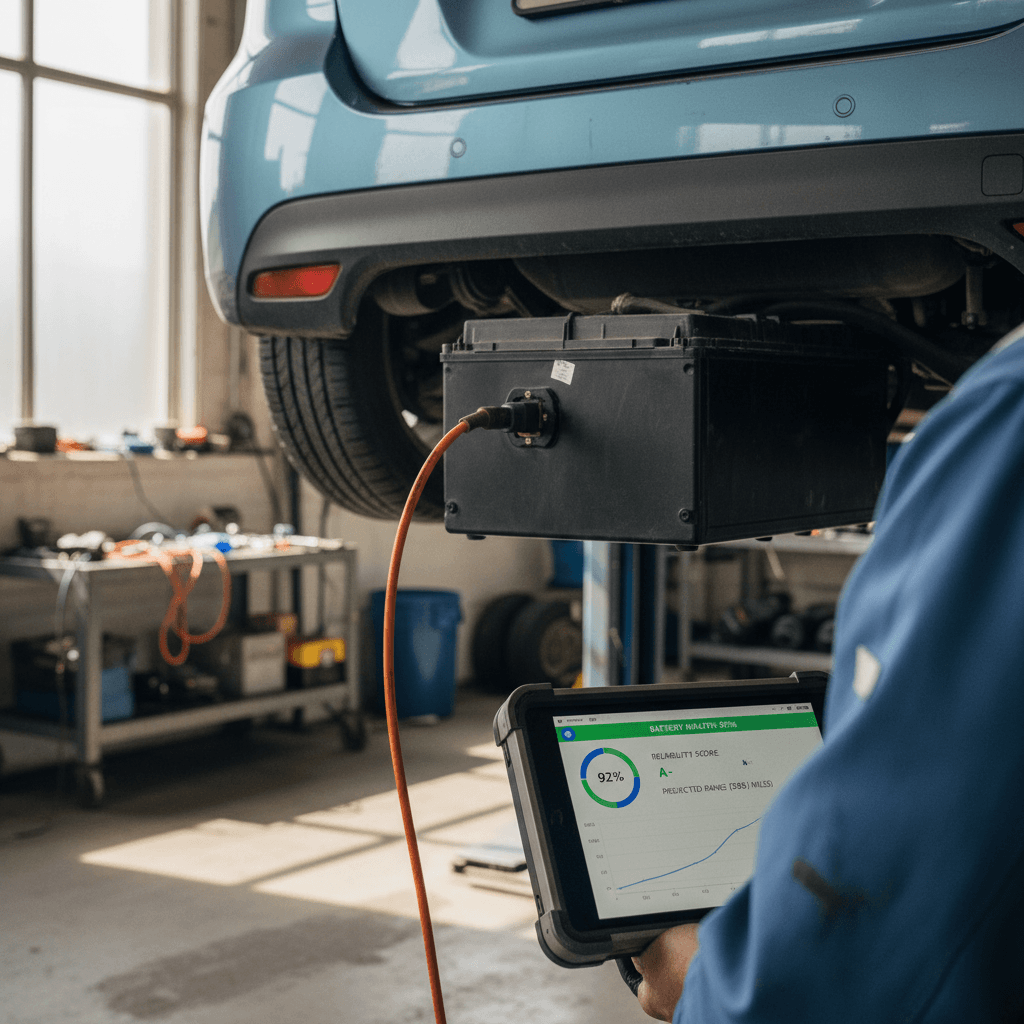
Always get a battery health report
Reliability risks: EVs that look great but struggle in the data
Not every high‑profile EV is a reliability hero. Some models combine first‑generation hardware, complex features, and heavy curb weights, all of which raise risk, especially once they hit the used market.
Patterns that tend to hurt EV reliability
It’s less about one “bad” model and more about recurring themes
Oversized 3‑row SUVs
Big battery, big weight, big complexity. Think three‑row electric SUVs that launched in the last couple of years:
- More air suspension, rear‑steer, and advanced driver assists to fail
- Harder on tires, brakes, and suspension
First‑gen platforms
EVs that debut entirely new platforms and software stacks often have:
- Teething issues with charging electronics
- More recalls and over‑the‑air fixes
Feature overload
Power doors, elaborate HUDs, complex seat mechanisms and experimental infotainment all add failure points that don’t exist in simpler EVs.
Be extra cautious with early‑build years
Used vs. new: where reliability actually favors used EVs
It sounds backwards, but for EVs, a carefully chosen used car can be a better reliability bet than a brand‑new one. That’s because a 3–4‑year‑old EV has already gone through the painful early years of software updates, recalls, and component tweaks.
Why a used EV can be the smarter reliability play
1. Problems already surfaced
If a model had chronic charging, battery, or electronics issues, they typically show up in the first few years. By 2026, you can see that history instead of guessing.
2. Recalls and campaigns handled
Many used EVs have already had recall work completed, especially for early bZ4X, VW ID.4, or first‑wave software bugs. That’s a reliability plus if documented.
3. Real‑world battery track record
With a 3–6‑year‑old EV, you can compare real degradation data against the original rated range, not just trust marketing numbers.
4. Lower tech risk per dollar
A $25k–$35k used EV like a Leaf, Ioniq 5, EV6 or Model 3 spreads your risk across proven hardware rather than betting $60k+ on a brand‑new platform.
Where new still makes sense
How to choose a reliable EV in 2026 (step-by-step)
Instead of chasing one “most reliable electric car 2026” headline, use a process that filters out bad bets and surfaces EVs that fit your life and your risk tolerance.
Step‑by‑step paths for different EV shoppers
Daily commuter (under 60 miles/day)
Target compact/midsize EVs like Nissan Leaf, Model 3, BMW i4, or Kia Niro EV.
Prioritize battery health over performance, base trims are often more reliable.
Look for documented Level 2 home charging history rather than constant DC fast‑charging.
Strong candidates: low‑mile 2020–2023 models with clean service records.
Family road‑tripper
Focus on Ioniq 5, EV6, Model Y, or other midsize crossovers with robust charging speeds.
Skip the biggest, heaviest three‑row SUVs unless you truly need them.
Check that DC fast‑charging curves are healthy and that all recall/software work is up to date.
Test drive on highway and rough pavement; listen for suspension or wind‑noise issues.
Budget‑conscious first‑time EV buyer
Consider older, simpler EVs (2nd‑gen Leaf, early Kona/Niro EV, base Model 3) with verified battery health.
Don’t stretch for an early‑build version of a complex premium SUV just because the price looks tempting.
Calculate total cost of ownership: lower fuel and maintenance can offset a slightly higher purchase price for a more reliable model.
Shop where you can see an independent battery report and detailed photos, not just a generic “passed inspection” line.
Tech‑savvy early adopter
If you insist on the latest tech, stick with brands that pair innovation with solid reliability baselines: BMW, Hyundai–Kia, Lexus/Toyota, Tesla.
Buy with a plan: extended warranty coverage, budget for possible software‑related service visits, and choose dealers or specialists who truly understand EVs.
Avoid stacking risks, first model year, all‑new platform, and maximum performance trim all at once. Pick two at most, preferably one.
Universal checklist before you sign for any EV
Confirm independent battery state of health
Ask for a quantified SoH report (not just “looks good”). Packs above ~85–90% capacity for age/miles are generally healthy; steep drops deserve extra scrutiny.
Review charging and software history
Look for completed recalls, up‑to‑date software, and no pattern of DC fast‑charging failures or repeated fault codes.
Inspect common wear areas
On a test drive, pay attention to suspension clunks, wind noise, panel misalignment, and water leaks, issues EV powertrains can’t hide.
Check brand support and parts availability
A reliable car still needs service. Make sure you have access to EV‑literate technicians and reasonably available parts in your area.
Validate total cost of ownership
Estimate electricity vs. fuel costs, insurance, tires, and potential out‑of‑warranty repairs. A slightly pricier but more reliable EV can still be the cheaper choice long‑term.
How Recharged derisks used EV reliability
If you’re shopping for a used EV, you shouldn’t have to reverse‑engineer reliability data, scan forums, and decode battery jargon just to avoid a bad car. That’s exactly the pain Recharged set out to solve.
What Recharged does differently for used EV reliability
Beyond a basic “safety inspection”
Recharged Score battery diagnostics
Every vehicle on Recharged comes with a Recharged Score Report that includes:
- Verified battery state of health
- Charging performance checks
- Thermal system behavior under load
Data‑driven model curation
Recharged emphasizes EVs with strong reliability patterns, like Model 3/Y, Ioniq 5/6, EV6, Leaf, BMW i4, while being selective about early, high‑risk models.
Transparent pricing & support
Fair‑market pricing, EV‑specialist guidance, available financing and trade‑in options, plus nationwide delivery and an Experience Center in Richmond, VA, make the process simpler and more transparent.
Ready to find your next EV?
Browse VehiclesShop smarter, not harder
FAQ: Most reliable electric car 2026
Common questions about EV reliability in 2026
Bottom line: which electric car is most reliable in 2026?
In 2026, there is no single, perfect answer to “what is the most reliable electric car?” But the pattern is clear: compact and midsize EVs from brands with conservative engineering and maturing platforms, BMW i4, Hyundai Ioniq 5/6, Kia EV6/Niro EV, Nissan Leaf, and Tesla Model 3/Y, have pulled ahead as the safest bets, especially in the used market.
If you want a pragmatic answer, it’s this: pick a proven model in that group, avoid risky first‑year builds and oversize flagship SUVs, and insist on a verified battery health report before you commit. Whether you shop locally or through a digital retailer like Recharged, treating reliability as a data problem, not a brand loyalty contest, is the best way to end up with an electric car you trust for years to come.