If you search for “Tesla Model Y pros and cons”, you’ll mostly see hype on one side and horror stories on the other. The reality is more nuanced. The Model Y helped define the electric crossover segment, but by 2026 it’s no longer the only game in town. Understanding where it still leads, and where rivals have caught or passed it, is critical before you sign for a new or used one.
Context: A Moving Target
Tesla Model Y at a Glance in 2026
Launched in 2020, the Tesla Model Y quickly became one of the best‑selling EVs in the world. In the U.S. it sits in a sweet spot: compact SUV footprint, hatchback practicality, and access to Tesla’s Supercharger network. The 2025–2026 updates (often referred to as the “Juniper” refresh) brought tweaked styling, more range, a quieter cabin with better materials, and a newly updated Performance trim.
Model Y Fast Facts (Recent U.S. Models)
Key Tesla Model Y Specs and What They Mean
Recent Tesla Model Y Specs Snapshot (U.S.)
Representative figures for late‑2024 through 2026 U.S. models. Always verify exact specs for the VIN you’re considering.
| Trim (Recent Years) | Drivetrain | EPA Range (mi) | 0–60 mph | Approx. New Price* |
|---|---|---|---|---|
| RWD / Standard Range | RWD | ~260–300 | ~5.9 sec | Mid–$40Ks |
| Long Range AWD | Dual‑motor AWD | ~300–330 | ~4.5 sec | High–$40Ks to low–$50Ks |
| Performance AWD | Dual‑motor AWD | ~290–310 | As quick as 3.3 sec | High–$50Ks to low–$60Ks |
Approximate specs; pricing and range depend on configuration, wheels, and software options.
About Pricing & Range
Tesla Model Y Pros: Where It Really Shines
Major Tesla Model Y Pros
The reasons the Model Y became the default EV crossover for many buyers.
Strong Range & Efficiency
Compared with many compact electric SUVs, the Model Y delivers competitive real‑world range and good highway efficiency. Recent Long Range versions hover around 300 miles EPA, and you can often road‑trip with fewer stops than in rivals like the Mustang Mach‑E or Ioniq 5 of similar price.
Supercharger Network Access
The single biggest practical advantage is plug‑and‑charge access to Tesla’s Supercharger network. You pull in, plug in, and billing is automatic, no RFID cards or apps to juggle. As more non‑Teslas join the network via NACS, having a Tesla still tends to mean the smoothest experience.
Quick, Confident Performance
Even the non‑Performance trims are genuinely quick by gas‑SUV standards, and the updated Performance variant pushes into sports‑car territory. Instant torque makes merging and passing stress‑free, and dual‑motor AWD provides strong traction in bad weather.
Practical Hatchback Utility
The Model Y’s shape is more egg than SUV, but you get usable cargo space, a big hatch opening, a frunk, and a low load‑in height. The flat floor and folding rear seats make it easy to stash strollers, bikes, or home‑improvement runs.
Simple, Software‑First Interface
Tesla’s big center screen and over‑the‑air updates are still a differentiator. You get frequent software improvements, new features, and an intuitive navigation/energy interface that many owners find easier than traditional button‑heavy dashboards.
Strong Safety Scores
Recent Model Y years earn top crash‑test ratings from IIHS and NHTSA, plus robust active‑safety tech like automatic emergency braking and lane‑keeping. For families, this is a major checkmark in the "pro" column.
- Smooth one‑pedal driving and strong regenerative braking when enabled.
- Flat, responsive handling for a tall vehicle, especially in newer Performance models.
- Access to a huge owner community and third‑party accessory ecosystem.
- No traditional dealership: purchase and service are handled directly through Tesla.
Leaning Into the Pros on a Test Drive
Tesla Model Y Cons: Tradeoffs to Know Before You Buy
Major Tesla Model Y Cons
Where the Model Y shows its age, or its priorities.
Build Quality & Reliability
Owner surveys consistently report above‑average issues with body hardware, trim, and paint compared with competitors. Squeaks, rattles, panel alignment, and paint chips are common complaints, especially in earlier years. Later cars are better, but if reliability is your top priority, there are more conservative choices.
Firm Ride & Road Noise
The Model Y trades comfort for control. Many owners describe the ride as on the firm side, particularly on 20" and 21" wheels. Road and wind noise are improved in refreshed models but still not class‑leading. If you’re coming from a quiet luxury SUV, test carefully.
Wind Sensitivity & Highway Manners
The tall, relatively light body can feel twitchy in crosswinds, and the steering tuning doesn’t give much feedback. Lane‑keeping and Autopilot reduce workload but can also add their own quirks, so you should plan to stay actively engaged.
Service Experience & Parts Delays
Tesla’s service model is improving but still inconsistent by region. Mobile service is convenient when available, but some owners face long waits for body parts or appointments, especially after collisions. Independents can’t fix everything because Tesla tightly controls parts and diagnostics.
Autopilot & FSD Expectations
Autopilot is a good driver‑assist system, but not a self‑driving car. Optional Full Self‑Driving add‑ons are expensive, evolve over time, and remain controversial. If you buy used, you’ll need to check carefully whether FSD is included, transferable, or subscription‑only, and decide if it’s actually worth paying for.
Minimalist Interior Isn’t For Everyone
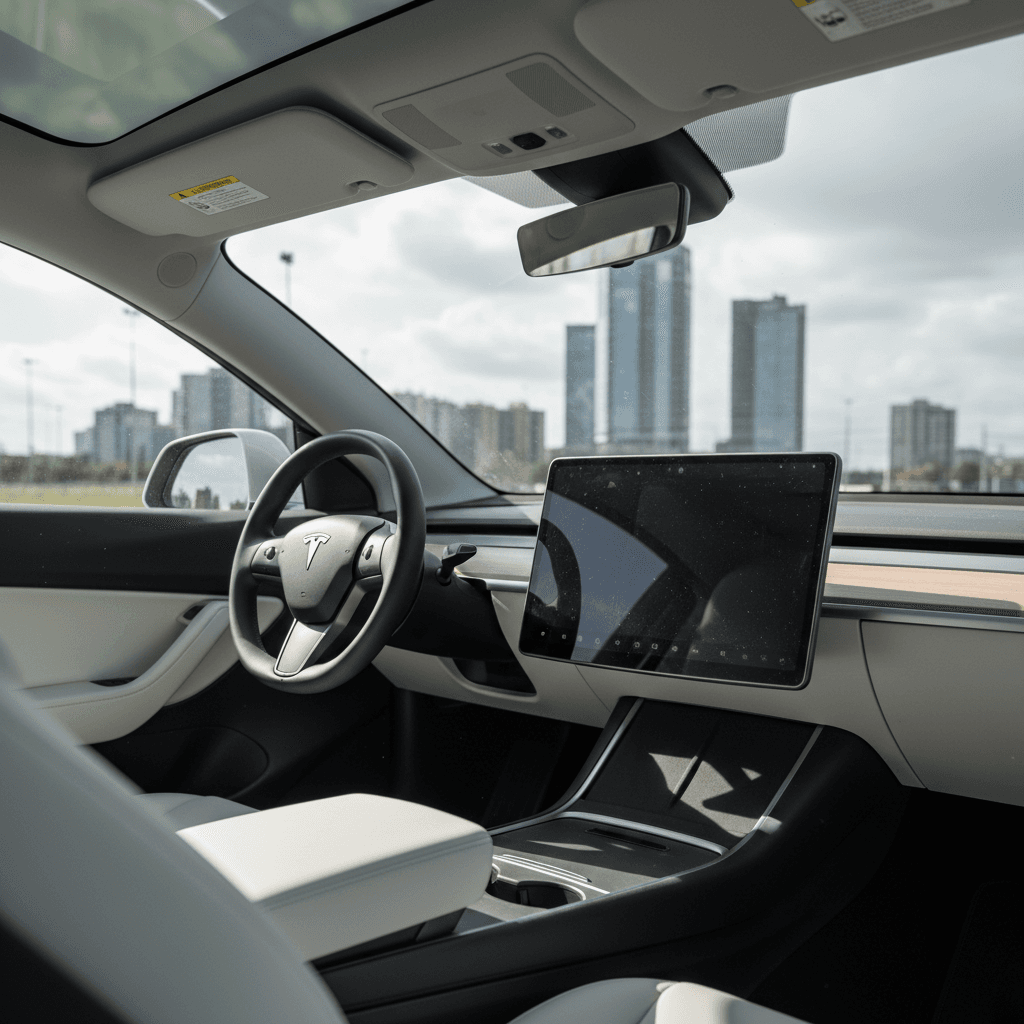
The cabin’s simplicity appeals to some and frustrates others. No instrument cluster behind the wheel, almost all controls on the center screen, and limited physical buttons mean a steeper learning curve. If you prefer knobs and dedicated climate/audio controls, this is a real downside.
Pay Attention to Door Releases
Driving & Ownership: What Living With a Model Y Feels Like
Day-to-Day Driving
The Model Y feels like a tall Model 3: quick off the line, responsive, and easy to place in traffic. One‑pedal driving in "Standard" regen quickly becomes second nature. The steering is light but precise, which makes parking lots and city streets straightforward.
On highways, adaptive cruise and lane‑keeping (Autopilot) reduce fatigue, but you’ll still need to babysit the system. Sudden slowdowns for cut‑ins or mis‑read curves can happen, so treat it as advanced cruise control, not autonomy.
Comfort, Space & Family Use
Front seats are supportive, and newer models add better bolstering and optional ventilation. Rear seating is generous for a compact SUV, though taller adults may find the bench a bit low. The panoramic glass roof adds a sense of airiness but can mean more heat and light; Tesla’s tint and climate control do most of the work, but sun‑sensitive passengers may want shades.
Cargo space is a strong point: you get both a rear hatch and a usable frunk. For families, stroller + groceries + luggage is feasible without games of Tetris.
Charging Experience Advantage
Who the Tesla Model Y Is (and Isn’t) Right For
The Model Y Is a Strong Fit If…
You value charging convenience over soft‑touch everything
If you road‑trip or rely on public fast charging, having default access to Tesla’s best‑maintained chargers is a significant everyday advantage.
You like tech-forward, minimalist design
If you’re comfortable with apps, software updates, and using a single screen for most controls, the Model Y’s interface will feel modern rather than intimidating.
You want quick performance without a huge footprint
Dual‑motor acceleration and tight packaging give you legitimate performance in a family‑friendly size, without jumping to a massive SUV.
You can tolerate some quirks
If the occasional rattle, software oddity, or service delay won’t ruin your week, the value proposition makes more sense.
The Model Y May Not Be Ideal If…
You prioritize plush ride and silence
Crossovers like the Hyundai Ioniq 5, Kia EV6, or some luxury‑brand EVs deliver a softer ride and quieter cabin, even if they sacrifice some efficiency or charging simplicity.
You live far from a Tesla service center or body shop
Collision repairs and certain hardware fixes may require Tesla‑authorized facilities. If the nearest one is hours away, factor that into your decision.
You dislike screens for basic tasks
If you want physical knobs for climate, volume, and wipers, the Model Y will likely frustrate you every day.
You want bulletproof long‑term reliability
If your risk tolerance is low and you intend to keep the car past warranty with minimal hassle, some more conservative EVs or hybrids may fit better.
Buying a Used Tesla Model Y: Extra Pros and Cons
The used Tesla Model Y market is large and increasingly attractive. Depreciation has brought many early‑build cars into the price range of new compact gas SUVs, and even refreshed 2024–2025 models are showing up with meaningful discounts. But used EVs add a critical dimension: battery health.
Used Model Y: Additional Pros and Cons
What changes when you shop used instead of new.
Extra Pros of Buying Used
- Lower entry price: Early‑year Model Ys can undercut new EVs with similar range.
- Included options: You may find cars with paid extras (premium wheels, tow package) at no additional cost compared with a bare‑bones new build.
- Known history: You can read owner forums and recall history for specific years and hardware revisions.
Extra Cons & Risks
- Battery & charging behavior: Fast‑charging‑heavy histories, frequent 100% charges, or high mileage can impact usable range over time.
- Hardware differences: Tesla quietly changes sensors, cameras, and interiors. Two cars from the same year can feel very different.
- Warranty timing: You may be closer to the end of the battery or bumper‑to‑bumper warranty than you realize.
Why Battery Health Testing Matters
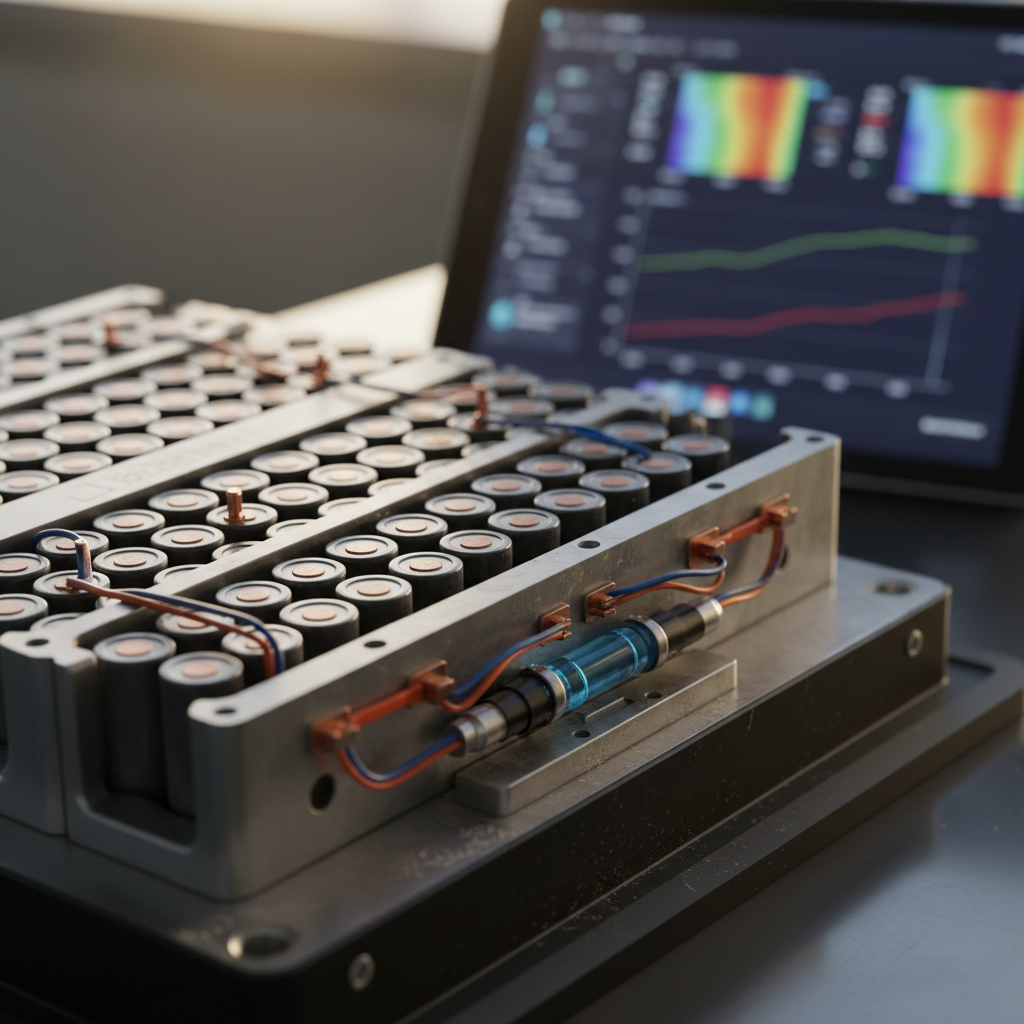
Every used EV listed on Recharged includes a Recharged Score battery health report that measures real‑world capacity and charging behavior, along with fair‑market pricing and transparent reconditioning details. That means you’re not guessing about whether a used Model Y still delivers the range you’re paying for.
How Recharged Helps With a Used Model Y
FAQ: Common Questions About Tesla Model Y Pros and Cons
Tesla Model Y Pros and Cons: FAQ
Bottom Line: Should You Buy a Tesla Model Y?
When you strip away the hype and skepticism, the Tesla Model Y is still one of the most well‑rounded EV crossovers you can buy, especially if you care about charging convenience, quick performance, and software. Its main weaknesses are build quality, ride refinement, and a service ecosystem that doesn’t always match traditional expectations.
If those tradeoffs sound acceptable, the Model Y’s pros outweigh its cons, particularly on a well‑specced used example with verified battery health and a clean history. If you’re more comfort‑ or reliability‑focused, use the Model Y as a benchmark, then cross‑shop newer rivals carefully.
Either way, go into your search with data, not vibes: look at range, charging access in your area, battery health on any used car, and your real daily needs. And if you want help navigating those numbers on a used Model Y, Recharged’s combination of battery diagnostics, pricing transparency, and EV‑specialist support is built to make that decision a lot less stressful.