If you’re shopping for the most efficient electric car, the spec sheets can feel like alphabet soup: MPGe, kWh/100 miles, miles per kWh, heat pumps, drag coefficients. The good news is that you don’t need an engineering degree to pick an ultra‑efficient EV, you just need to know which numbers actually matter, and how they translate into your monthly costs and charging stops.
Quick take
Why “most efficient electric car” matters more than ever
For gasoline cars, efficiency is about miles per gallon. For EVs, efficiency is about how much electricity you use to go a given distance. As public fast‑charging prices creep up and home electricity rates vary widely, a more efficient EV can save you hundreds of dollars a year, especially if you drive a lot.
- Lower efficiency (higher kWh/100 miles) means you pay more every time you plug in.
- Higher efficiency (lower kWh/100 miles or higher MPGe) means more miles from every kWh you buy.
- Efficient EVs usually go farther on the same battery size, which means fewer charging stops on road trips.
Rule of thumb
How EV efficiency works: MPGe, kWh/100 miles, miles per kWh
You’ll see three main metrics when you compare the most efficient electric cars: MPGe, kWh/100 miles, and mi/kWh. They all describe the same thing from different angles, how far the car goes on a given amount of energy.
Three ways to talk about EV efficiency
Same idea, different yardsticks
MPGe
Miles per gallon equivalent converts electricity use into the same units you know from gas cars. Higher MPGe = better. The top EVs in 2025 are in the 130–146 MPGe range.
kWh/100 miles
This is the EPA’s most honest metric. It measures how many kilowatt‑hours the car uses to go 100 miles. Lower is better. Today’s best EVs sit around 23–27 kWh/100 mi.
Miles per kWh
This flips the kWh/100 miles metric. Here, higher is better. Many mainstream EVs fall between 3–4 mi/kWh. Top efficiency champs can exceed 4.3 mi/kWh in EPA testing.
Don’t overthink the decimals
The most efficient electric cars of 2025 (EPA data)
EPA ratings are updated every model year, but as of late 2025 a few nameplates consistently sit at the top of the efficiency list. Below is a snapshot of some of the most efficient electric cars you can buy new in the U.S. market, based on recent EPA numbers and manufacturer data.
Efficiency hall of fame – 2025 highlights
Cheat sheet: today’s efficiency all‑stars
Approximate EPA combined ratings for some of the most efficient electric cars available in 2025. Exact numbers vary slightly by trim and wheel size.
| Model (2024–2025) | EPA combined MPGe* | kWh/100 miles* | EPA range (mi, approx.) | Segment |
|---|---|---|---|---|
| Lucid Air Pure RWD (19" wheels) | ≈146 MPGe | ≈23 kWh | ≈420 | Luxury sedan |
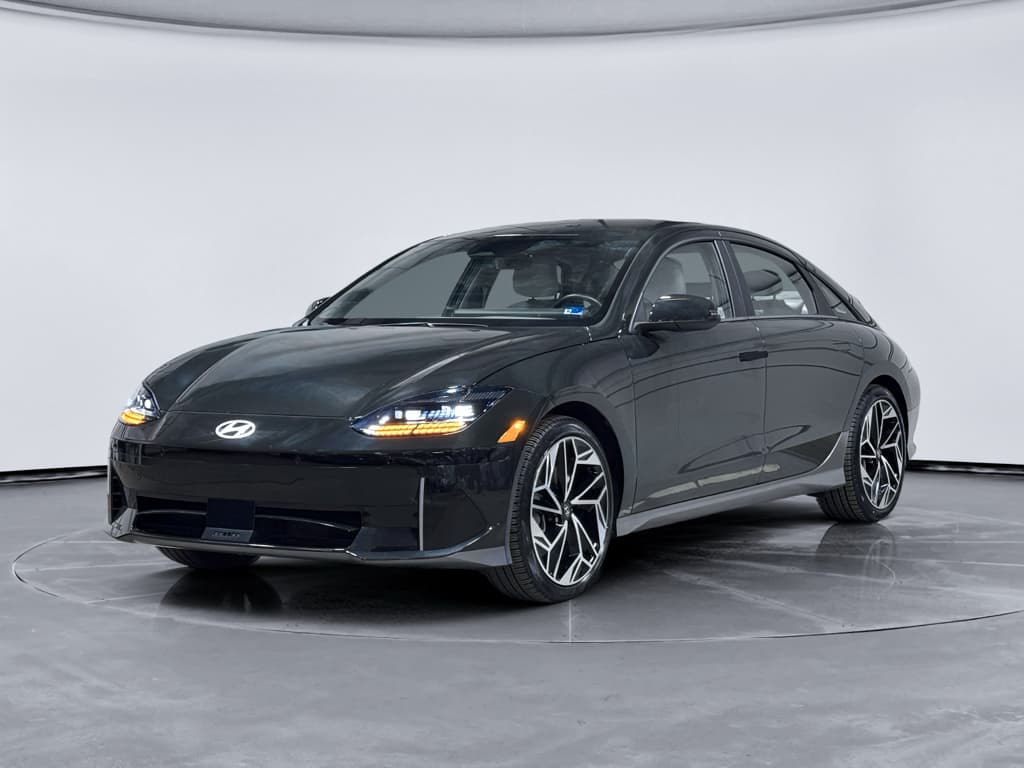
| Hyundai Ioniq 6 SE Standard Range RWD | ≈135 MPGe | ≈25 kWh | ≈240 | Midsize sedan |
| Hyundai Ioniq 6 SE Long Range RWD | ≈140 MPGe | ≈24 kWh | ≈361 | Midsize sedan |
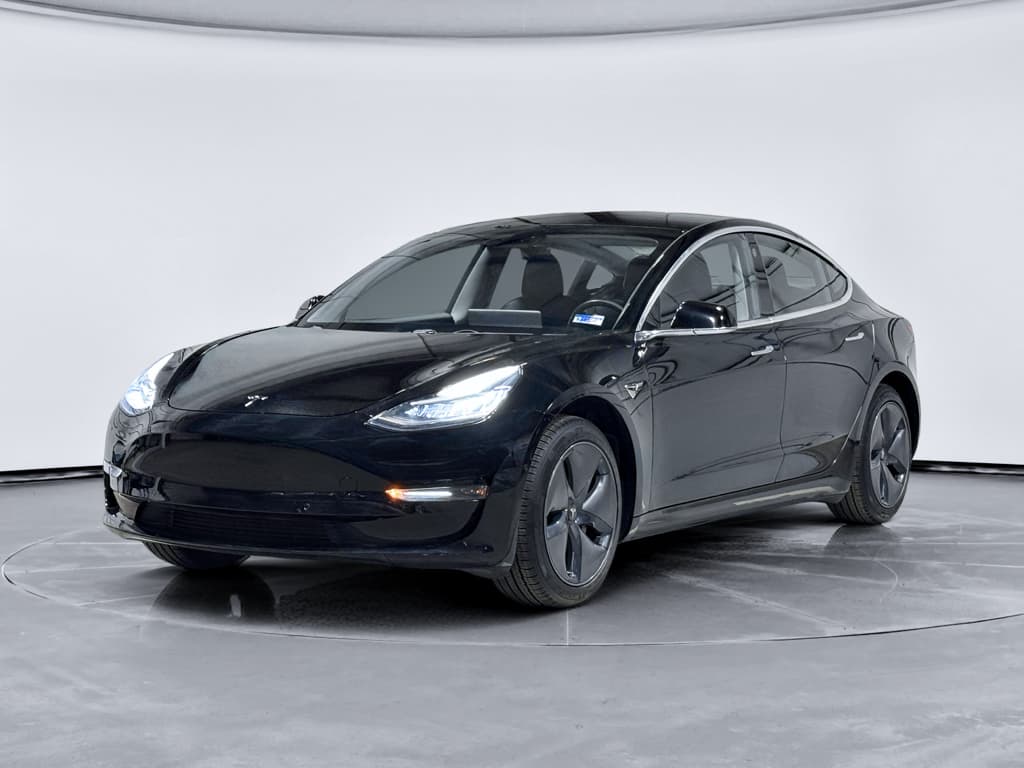
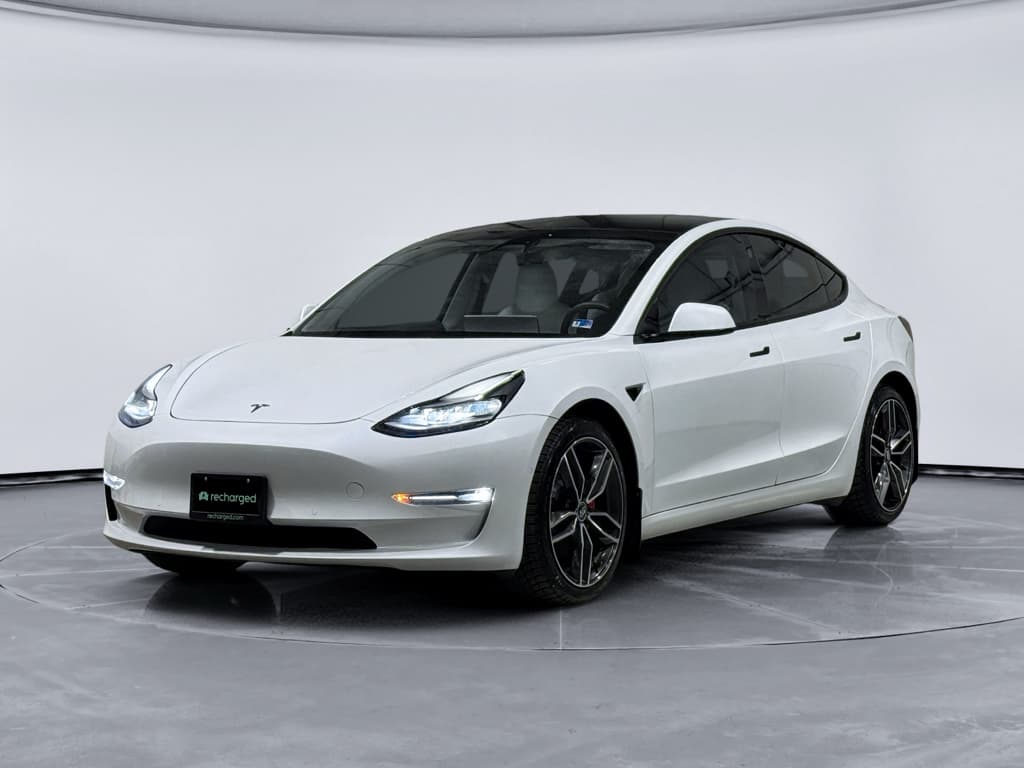
| Tesla Model 3 Long Range RWD | ≈137 MPGe | ≈25 kWh | ≈363 | Compact sedan |
| Tesla Model 3 RWD (base) | ≈132 MPGe | ≈25 kWh | ≈272 | Compact sedan |
| Tesla Model S Dual‑motor | ≈122 MPGe | ≈28 kWh | ≈405 | Large luxury sedan |
| Tesla Model Y Long Range RWD | ≈120 MPGe | ≈27–28 kWh | ≈310–330 | Compact crossover |
| Lexus RZ 300e FWD | ≈125 MPGe | ≈27 kWh | ≈266 | Luxury crossover |
| Toyota bZ4X FWD | ≈119–120 MPGe | ≈28 kWh | ≈252 | Compact crossover |
| Hyundai Kona Electric (Std Range) | ≈120 MPGe | ≈29 kWh | ≈200–220 | Subcompact crossover |
Use this as a directional guide; always verify the exact trim you’re considering on fueleconomy.gov.
About those asterisks
Efficiency vs. range and price: what you actually feel day to day
Efficiency and your monthly costs
If you charge mostly at home, efficiency shows up on your electric bill. For a driver doing 1,000 miles a month at $0.15/kWh:
- An EV that uses 25 kWh/100 mi burns about 250 kWh → around $37/month.
- An EV at 35 kWh/100 mi needs 350 kWh → around $53/month.
That’s nearly $200 a year back in your pocket, more if your rates are higher or you drive more than average.
Efficiency and real‑world range
Range is simply battery size × efficiency. A 77 kWh pack in a car that uses 25 kWh/100 miles yields about 308 miles of EPA range. The same pack in an inefficient brick of an SUV at 40 kWh/100 miles drops to just 192 miles.
That’s why sleek sedans like the Lucid Air and Hyundai Ioniq 6 can match or beat much larger vehicles on range with smaller batteries.
Sweet spot shopping
Most efficient electric cars that make great used buys
If you’re efficiency‑minded and shopping the used market, you’re in a strong position. Many of the most efficient EVs of the last few years are now coming off lease, and their efficiency is every bit as impressive as when they were new, sometimes at half the price.
Efficient EVs to target on the used market
These models balance strong efficiency with more approachable pricing as used cars.
Tesla Model 3 (all years)
The Model 3 has been on or near the top of EPA efficiency rankings since launch, with many trims around 132–137 MPGe. Used examples often undercut new prices significantly.
Look for: solid service history, no unusual tire wear, and a clear battery‑health picture.
Hyundai Ioniq 6
Hyundai’s aero‑focused sedan is one of the most efficient EVs ever tested. As early 2023–2024 cars hit the used market, they’ll be a compelling choice if you value range and low energy use.
Look for: remaining factory warranty coverage and clean fast‑charging history.
Hyundai Kona Electric & Kia Niro EV
These compact crossovers have quietly delivered high‑30s mi/gallon‑equivalent performance (around 120–130 MPGe) for years. They’re excellent options if you want efficiency in a small SUV format.
Look for: rust‑belt cars with underbody inspections and up‑to‑date recall work.
Use data, not guesses, on battery health
Beyond the sticker: real‑world factors that change efficiency
EPA tests are a useful equalizer, but your actual efficiency will move up or down based on how and where you drive. When you’re evaluating the “most efficient electric car,” keep these real‑world factors in mind.
- Speed: Above about 65 mph, aerodynamic drag ramps up quickly. The sleekest cars lose the least, but every EV takes a hit at 75–80 mph.
- Temperature: Cold weather can cut range by 20–40% for short trips because the battery and cabin need more heating. Heat pumps and preconditioning help.
- Driving style: Smooth acceleration and gentle braking take advantage of regenerative braking; constant hard launches waste energy.
- Wheel and tire choice: Big wheels and sticky tires look great and grip well, but they almost always reduce efficiency versus the smallest aero wheels offered.
- Cargo and roof racks: Extra weight and drag chip away at efficiency, especially on the highway. Remove crossbars and boxes when you’re not using them.
Cold‑weather reality check
How to choose the right efficient EV for you
Step‑by‑step: picking an efficient EV that fits your life
1. Define your real daily range needs
Look at a normal week, not your once‑a‑year road trip. For many drivers, <strong>150–200 miles of real‑world range</strong> is plenty if home charging is available.
2. Decide where you’ll charge most
Home charging makes efficiency primarily a cost issue. Heavy reliance on DC fast‑charging makes efficiency a comfort issue too, because less efficient EVs spend more time plugged in.
3. Shortlist high‑efficiency nameplates
Focus on cars consistently rated near the top: Lucid Air, Tesla Model 3 and Model Y, Hyundai Ioniq 6, Hyundai Kona Electric, Kia Niro EV, Toyota bZ4X, and similar models.
4. Balance price vs. efficiency gains
Ask yourself: will paying several thousand more for a slightly more efficient trim or model really pay off? Often, a well‑priced used EV with "good" efficiency beats a pricier new one with "great" efficiency.
5. Check battery health and warranty
Make sure the car’s battery is performing as expected and that you understand what coverage remains. Degraded packs reduce both range and effective efficiency.
6. Test‑drive with an eye on the efficiency gauge
On your test drive, watch the real‑time mi/kWh readout at city and highway speeds. It’s a quick way to see whether the EPA numbers match how you actually drive.
How Recharged helps you shop smart on efficiency
If you’re shopping for an efficient used EV, the challenge isn’t just finding the right nameplate, it’s finding the right individual car. This is where a transparent marketplace designed around EVs, like Recharged, can make the process a lot easier.
Why efficiency‑focused buyers like shopping with Recharged
Tools and data that go beyond the window sticker.
Recharged Score battery health diagnostics
Every vehicle on Recharged includes a Recharged Score Report with verified battery‑health data. That means you can confidently compare two otherwise similar Model 3s or Ioniq 6s, knowing which one is likely to deliver closer to its original efficiency.
Fair pricing, financing & trade‑in
Because Recharged benchmarks vehicles against the fair market, you can see whether that energy‑sipping EV is actually a good deal. You can finance, trade in your current car, or even get an instant offer or consignment, entirely online or with help from EV specialists.
Ready to find your next EV?
Browse VehiclesDigital first, with human backup
You can browse, compare, and buy entirely online with nationwide delivery. When questions about efficiency, charging, or battery health pop up, Recharged’s EV‑specialist team is there to walk you through the details, just like a trusted adviser, not a commission‑driven salesperson.
Try before you commit
If you’re near Richmond, VA, Recharged operates an Experience Center where you can see vehicles in person, talk through charging options, and get a feel for different high‑efficiency models before you sign anything.
FAQ: most efficient electric car
Frequently asked questions about EV efficiency
Bottom line: chasing efficiency the smart way
If you want the bragging rights of owning the most efficient electric car money can buy, the Lucid Air Pure RWD currently wears the crown. But for most shoppers, the sweet spot is broader: Tesla’s Model 3 and Model Y, Hyundai’s Ioniq 6 and Kona Electric, and similar models deliver excellent efficiency, long range, and increasingly attractive pricing on the used market.
Focus first on getting the right size and range for your life, then aim for an EV with solid efficiency, ideally under about 27 kWh/100 miles. From there, concentrate on the individual car: battery health, charging history, and price. That’s exactly where Recharged comes in, giving you verified battery diagnostics, fair market pricing, expert EV guidance, and nationwide delivery so you can enjoy years of efficient, low‑cost electric driving with fewer surprises.