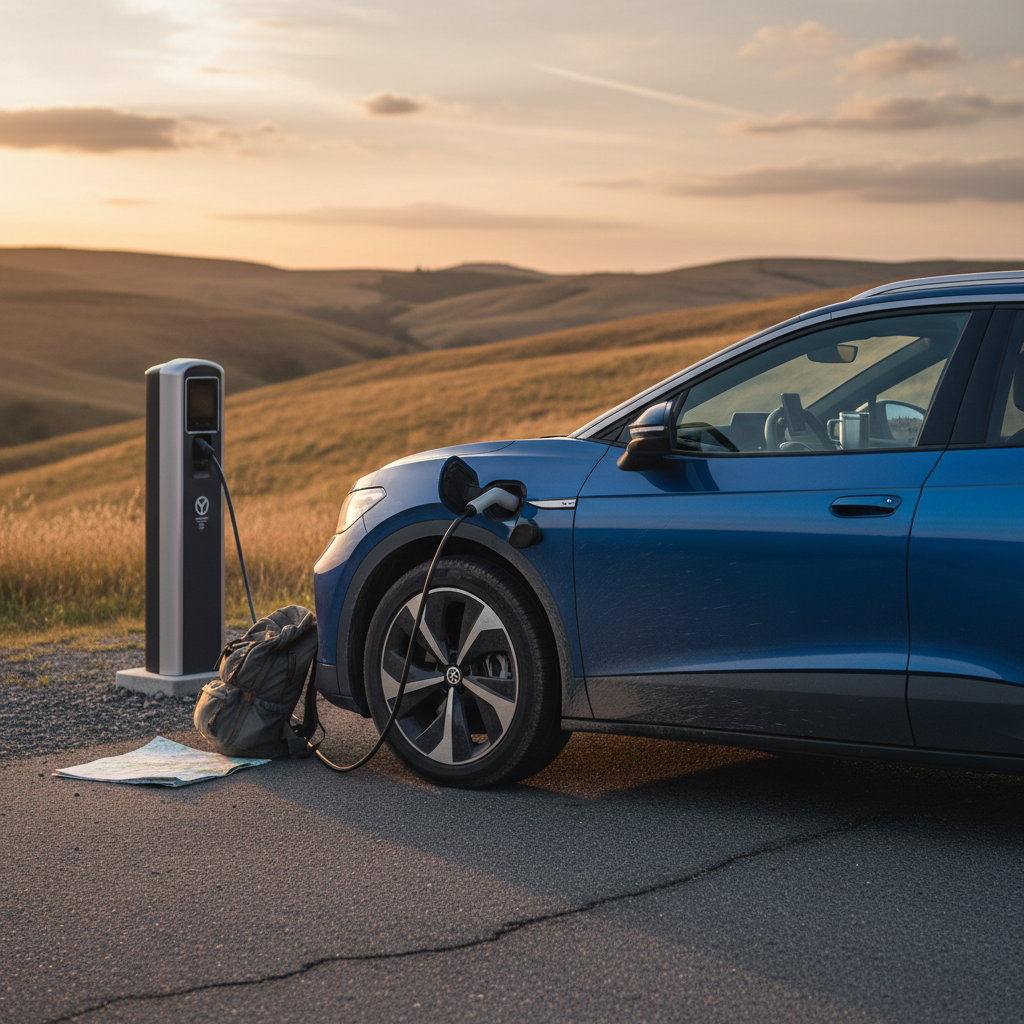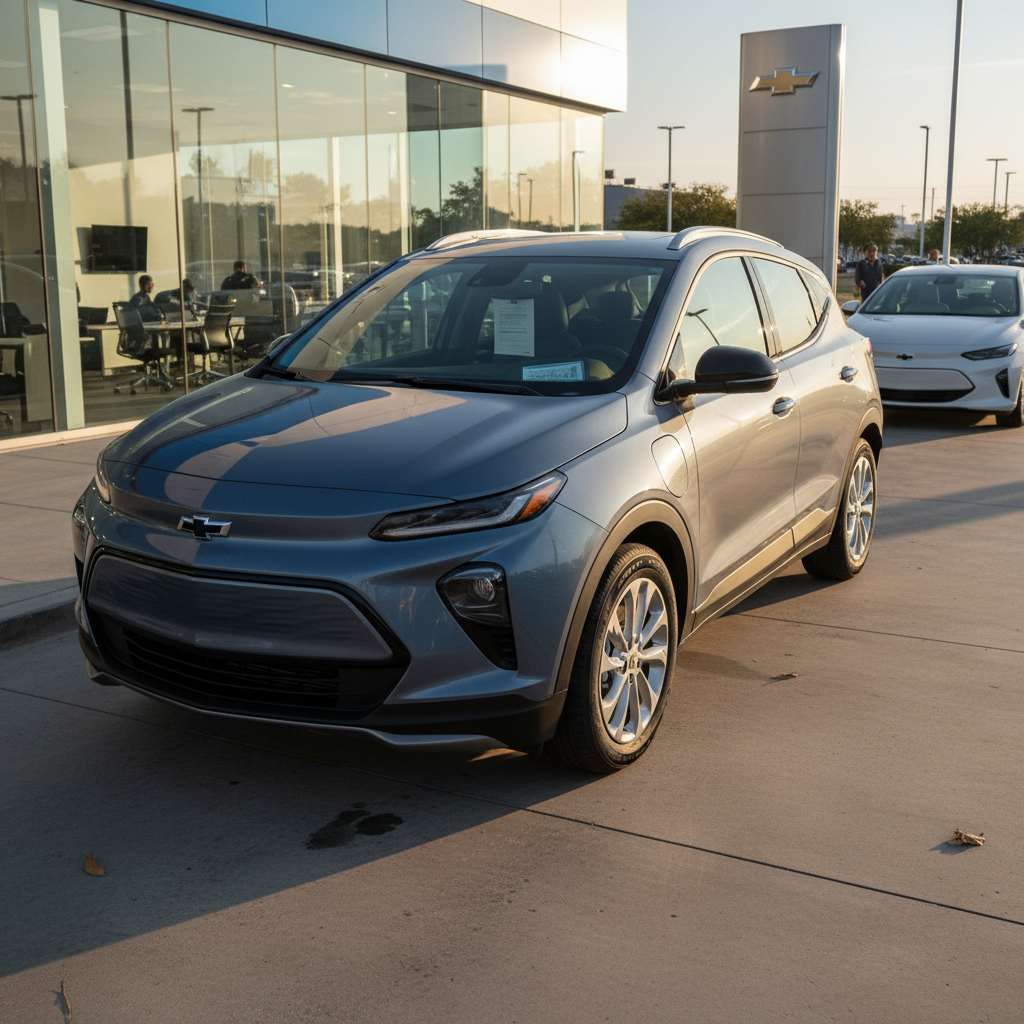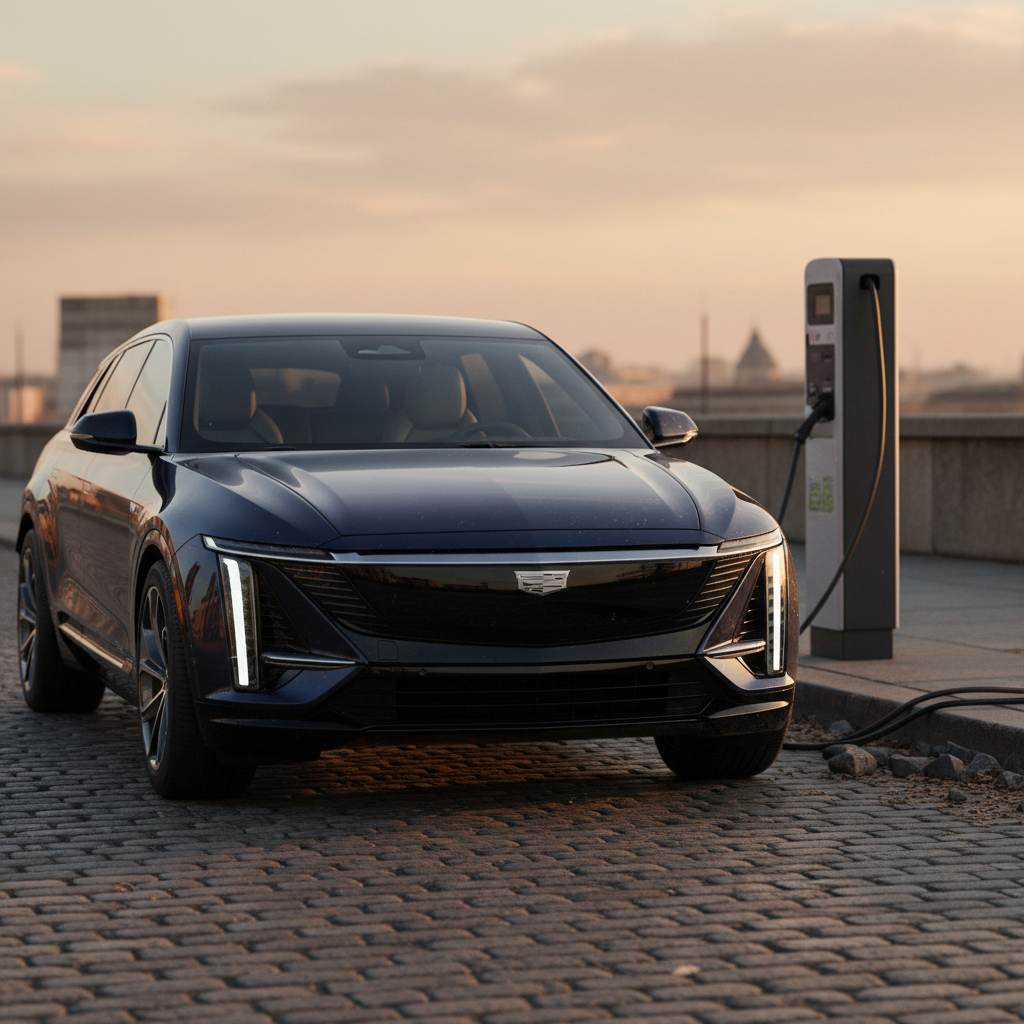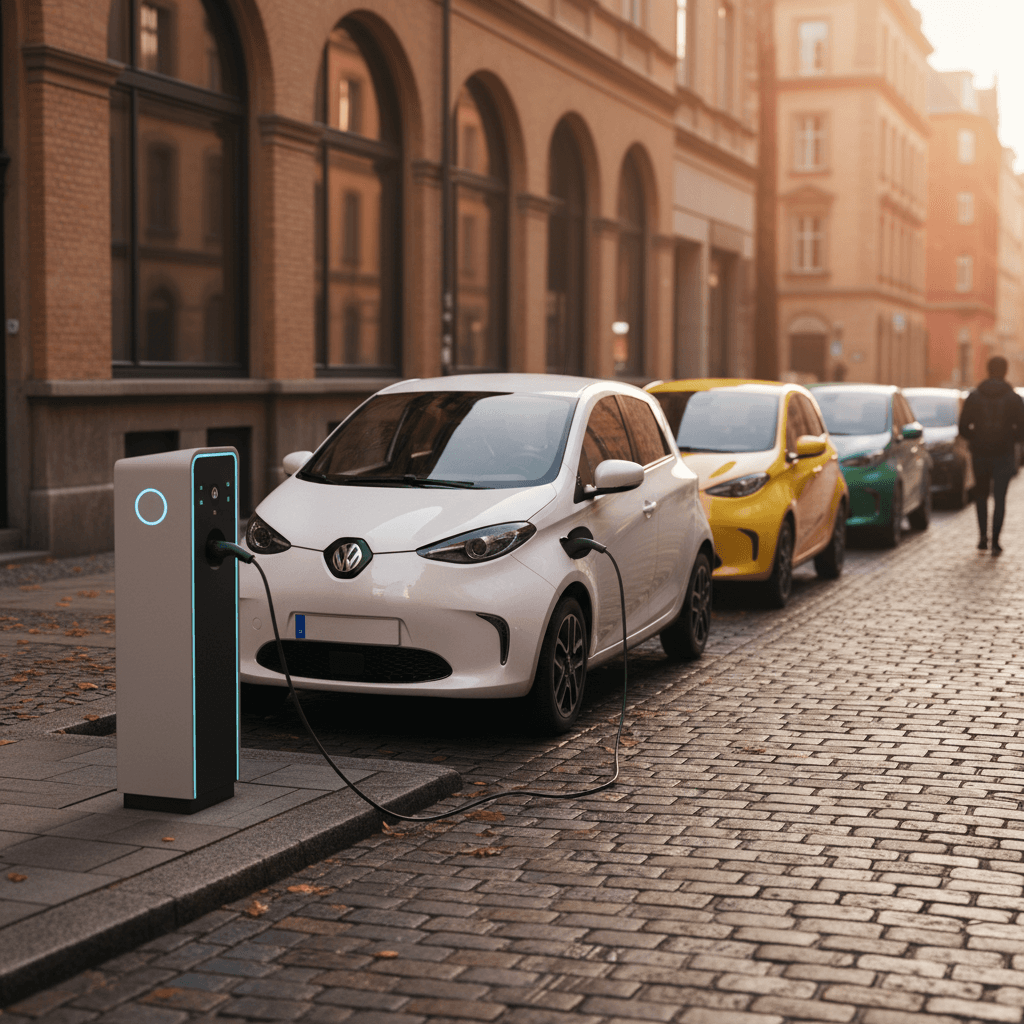
Search for “miniature electric” today and you’ll find everything from tiny city runabouts in China to premium small EVs in Europe, and, increasingly, a handful of compact models in the U.S. What they share is simple: they’re small, electric, and built to squeeze the most usefulness out of the least space. The question is whether one fits your life as neatly as it fits a parking space.
Quick definition
What Does “Miniature Electric” Really Mean?
Carmakers don’t use an official “miniature electric” badge, but they do talk about city cars, microcars, and superminis. These sit below traditional compacts and crossovers in length, width, and sometimes in top speed or power. Think of them as the EV equivalent of the old city runabout: just enough car for school runs, errands, and tight urban streets.
Size, roughly speaking
- Micro EVs / quadricycles: About 100–120 inches long, narrow, often strict 2‑seaters.
- City EVs: Around 135–150 inches long (shorter than a typical compact), usually 4 seats.
- Small premium EVs: Still compact, but with more power, safety tech, and interior space.
What they’re built for
- Short commutes and urban errands.
- Easy street parking and tight garages.
- Lower purchase prices and running costs.
- Efficient use of battery and materials.
Watch the fine print
Why Miniature Electric Cars Are Having a Moment
The appeal of going small and electric
Globally, we’re seeing a wave of tiny electric city cars. In Europe, models like the Microlino and Hyundai’s small Inster EV target tight medieval streets and high fuel prices. In China, boxy mini EVs pack four seats into packages barely longer than some golf carts. Even if those exact models never reach the U.S., they’re shaping how automakers think about the next generation of small EVs.
Think of them as mobility tools
Common Types of Miniature Electric Cars
Three flavors of miniature electric cars
From ultra‑tiny runabouts to genuinely useful small family EVs
1. Micro EVs & quadricycles
These are the smallest of the small: often two seats, narrow width, and modest top speeds built purely for city streets.
- Extremely easy to park.
- Lightweight, low energy use.
- Limited highway ability or none at all.
2. City hatchbacks
Slightly larger, with 4 seats and enough structure to feel like a “real car,” just scaled down.
- Usable back seats for kids or adults on short trips.
- High efficiency and agile handling.
- Usually fine for short highway hops.
3. Small but premium EVs
Cars that are still compact on the outside but offer more power, range, and refinement.
- Better noise isolation and ride comfort.
- More crash structure and safety tech.
- Higher prices, but still thriftier than big SUVs.
Real-World Range: Can a Mini EV Handle Your Life?
Range anxiety doesn’t magically disappear just because a car is small. If anything, owners worry more because most miniature electric cars carry smaller battery packs to keep weight and costs down. You’ll commonly see usable ranges in the 90–180‑mile window, depending on battery size, climate, and driving style.
Quick range sanity check
1. Map your weekly routine
Write down your typical commute, grocery run, school drop‑offs, and weekend errands. Add them up and see how many days you’d comfortably go between charges with a 120–150‑mile real‑world range.
2. Stress‑test your worst day
Think about your longest regular day, maybe a client visit across town plus after‑school activities. Could you plug in at work or at a public charger and top off?
3. Consider climate
Cold weather can temporarily shave 20–30% off range, especially in small packs. If you live in a northern climate, build that buffer into your decision.
4. Factor in battery aging
All EV batteries lose some capacity over time. On a miniature EV with a small pack, a 10–15% loss is more noticeable. That’s why verified <strong>battery health</strong> matters so much when you shop used.
Cold-weather reality check
Charging a Miniature Electric Car
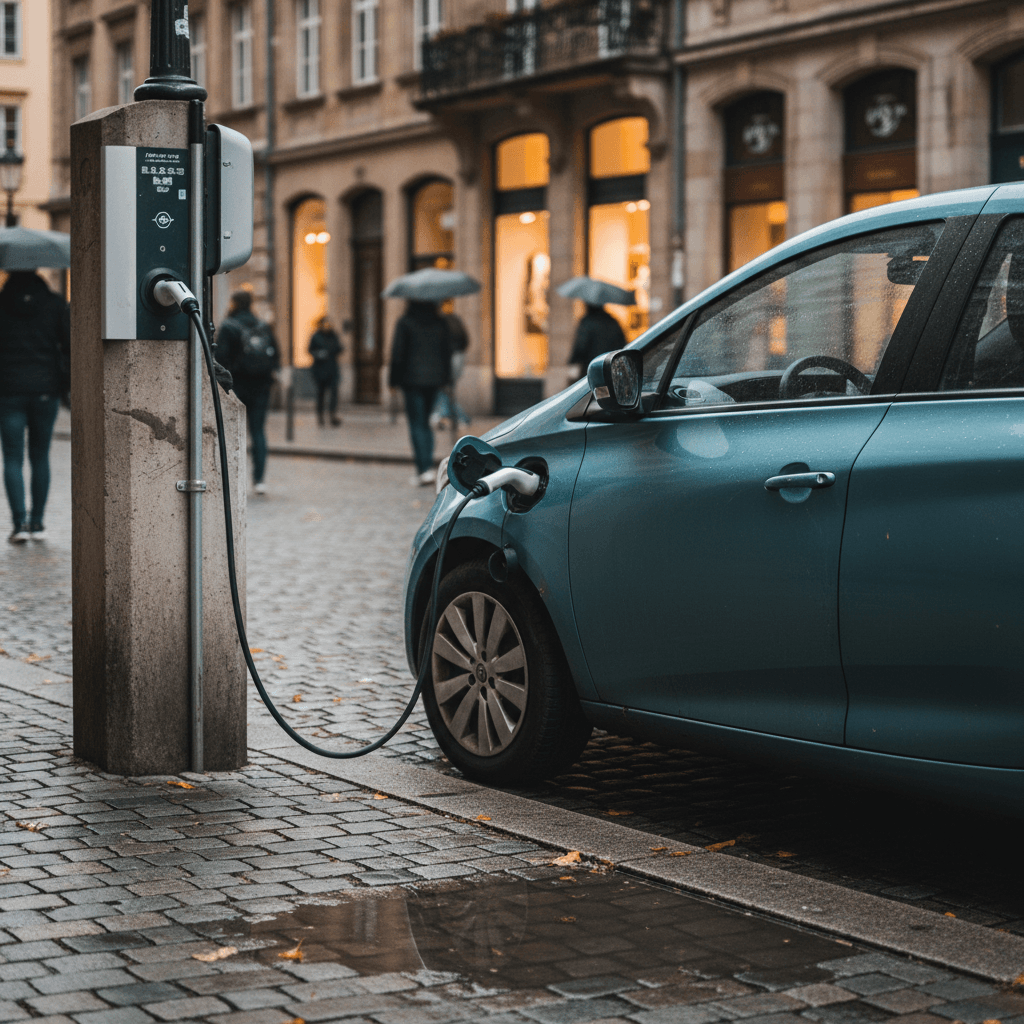
The good news is that small EVs sip electrons. Even a modest Level 2 charger at home can refill a miniature electric car overnight without breaking a sweat. Many models also support DC fast charging, but because their packs are small, you often don’t need the highest power stations to get back on the road quickly.
Typical charging options for miniature electric cars
Numbers will vary by model, but this gives you a ballpark feel for how living with a small EV compares by charging speed.
| Charging type | Power source | Typical use | What it feels like |
|---|---|---|---|
| Level 1 | 120V household outlet | Overnight top‑ups, very short daily miles | Adds ~3–5 miles of range per hour, fine if you don’t drive much. |
| Level 2 | 240V home or workplace | Primary charging for most owners | Adds ~20–35 miles of range per hour; an overnight session usually fills even a larger pack. |
| DC fast charging | Public fast‑charge stations | Road trips or quick top‑ups | 10–45 minutes can add a big chunk of range on a tiny pack, depending on the station and car. |
Always double‑check official specs for your specific vehicle; used EVs may charge a bit slower as batteries age.
Right‑sizing your home charger
If you’re new to EVs and want a deeper dive on plugs, charge speeds, and how public networks work, bookmark a broader primer like EV charging basics alongside this guide.
Comfort, Safety, and Practicality in Tiny EVs
The biggest surprise for many shoppers is that a well‑done city EV doesn’t feel like a toy at all. Battery packs mounted under the floor keep the center of gravity low, so even small cars can feel planted and confident around town. The trade‑offs are usually in ride comfort at highway speeds, cabin noise, and cargo flexibility.
What tends to be better than you expect
- Low‑speed stability: The battery in the floor helps the car feel steady in corners.
- City visibility: Large windows and upright seating make it easy to see pedestrians and cyclists.
- Cabin packaging: Short noses and wheels pushed to the corners can give more interior room than the footprint suggests.
Where you may feel compromises
- Highway comfort: Short wheelbases can feel busy over expansion joints.
- Crosswinds and trucks: Tall, narrow bodies can get nudged around more than heavier cars.
- Cargo space: Groceries and strollers, sure; bulk warehouse runs, not so much.
Safety perspective
Costs, New vs. Used, and Total Cost of Ownership
The romance of a tiny EV is easy to sell, low running costs, easy parking, a dash of cute. The spreadsheet still matters, though. Miniature electric cars often undercut larger EVs on price, but batteries remain the single most expensive component, and that matters a lot when you’re browsing used listings.
Where miniature electric cars save you money, and where they don’t
Ownership costs that tend to be lower
- Energy use: Smaller packs and lighter weight mean fewer kWh per mile.
- Maintenance: Like any EV, there’s no oil to change and fewer moving parts.
- Tires and brakes: Typically smaller, cheaper components than large SUVs.
Costs to keep an eye on
- Battery replacement: On older or high‑mileage cars, a tired pack can erase the savings.
- Insurance: Some small EVs have high parts costs even if sticker prices are low.
- Depreciation: Range and charging speed heavily influence used values over time.
Don’t forget incentives
Buying a Used Miniature Electric: What to Check
Shopping used is where the phrase “miniature electric” can get risky. A small car with a small battery and a decade of use behind it may still look adorable on the curb, but feel frustrating on the highway if you discover that range has quietly shrunk.
Used miniature electric car checklist
1. Battery health, not just mileage
Two identical cars with the same odometer reading can have very different battery health depending on climate and how they were charged. Look for a <strong>verified battery health report</strong> rather than guessing from a dashboard bar graph.
2. Charging speed and connectors
Confirm whether the car supports DC fast charging and which plug standard it uses. Some older small EVs have slow fast‑charge speeds or uncommon connectors, which can limit road‑trip flexibility.
3. Past and remaining warranty
EV batteries typically carry separate warranties from the rest of the car. Check in‑service dates and mileage caps so you know whether battery coverage is still active or long gone.
4. Urban wear and tear
City cars lead hard lives: curb rash, tight parking scrapes, worn suspensions from potholes. Inspect wheels, tires, and alignment for signs of repeated impacts.
5. Rust and water exposure
Short‑trip, all‑weather duty can be tough on underbodies and connectors. Have a trusted shop or EV specialist look underneath for corrosion or prior flood damage.
Don’t rely on a full charge test alone
How Recharged Helps With Small Used EVs
If you decide a miniature electric car fits your life, the next step is finding one that fits your standards. That’s where Recharged comes in. Whether you’re after a small hatchback that can slip into city spaces or a compact crossover that still feels easy to park, we’re built around making used EV ownership simple and transparent.
What you get when you buy a used EV through Recharged
Recharged Score battery report
Fair pricing & financing
Digital buying & delivery
Ready to find your next EV?
Browse VehiclesTry small without guessing
Miniature Electric Cars: FAQ
Frequently Asked Questions About Miniature Electric Cars
Is a Miniature Electric Car Right for You?
Miniature electric cars aren’t about bragging rights or cross‑country adventures. They’re about solving the everyday grind, street parking, stop‑and‑go traffic, and short trips that never let a gas engine warm up properly. If most of your miles look like that, a tiny EV can feel like a custom‑tailored solution instead of a compromise.
The key is to be honest about your driving, clear‑eyed about range, and picky about battery health, especially when you’re shopping used. With the right match, and a transparent Recharged Score Report backing up what you’re told, a miniature electric can quietly become the car you reach for every time you grab the keys.