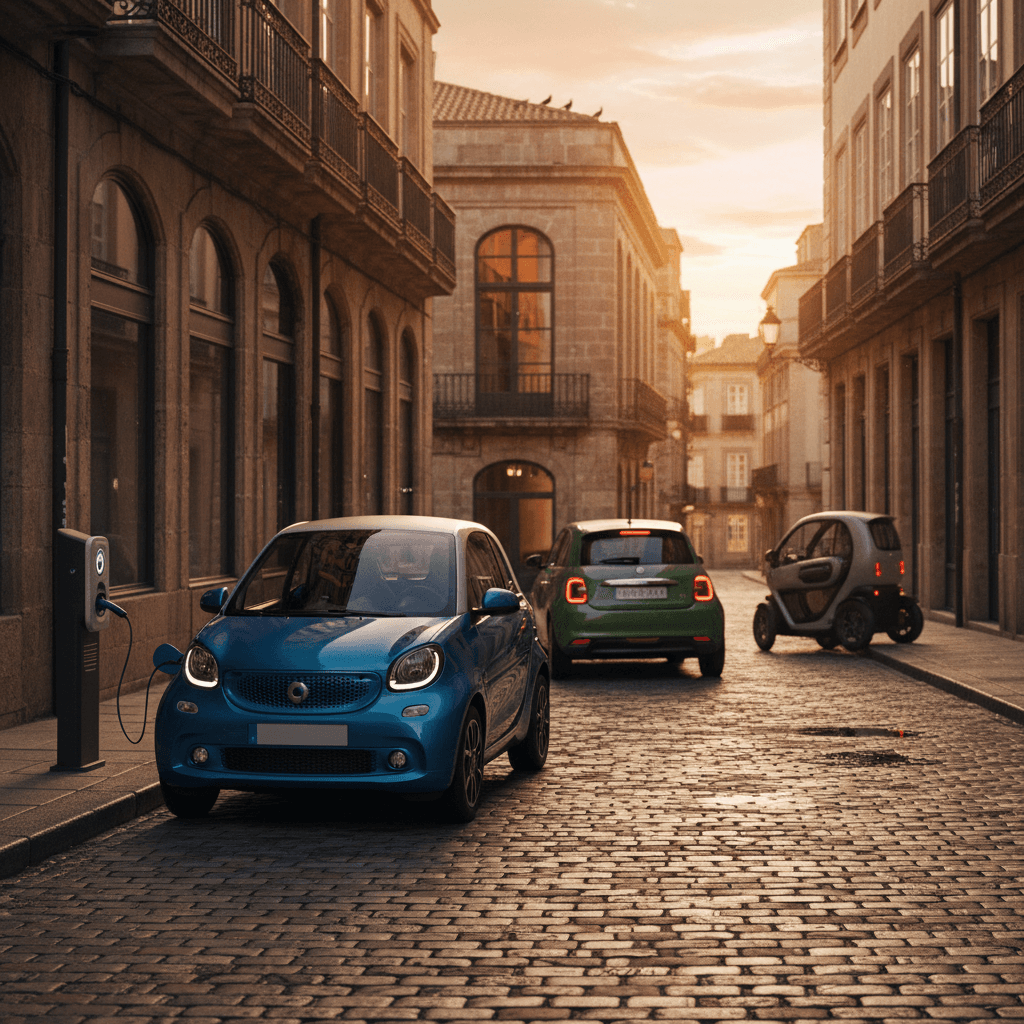
If you want a small, stylish EV that’s easy to park and cheap to run, the **Mini Cooper Electric** and **Fiat 500e** are probably on your short list. Both are city-friendly hatchbacks with big personality, but they don’t play the same role once you look closely at range, comfort, and long‑term value, especially in the used market.
Two very different "small EV" strategies
Mini Cooper Electric vs Fiat 500e: Overview
Before we dive into numbers, it helps to define which versions you’re likely to see on U.S. roads and in the used‑EV market:
- Mini Cooper Electric / Mini Cooper SE (U.S., first gen): Three‑door hatchback with a 28.9 kWh battery and an EPA range of about 114 miles. Built for fun first, efficiency second.
- New‑generation Mini Cooper Electric (E and SE, global): Larger battery (roughly 40–54 kWh) and projected ~190–250 miles WLTP; U.S. EPA figures are expected to land closer to ~200 miles for the larger pack as the car rolls into North America.
- Fiat 500e (2024+ U.S.): Three‑door hatchback with a 42 kWh battery, ~141–149 miles of EPA range and impressive real‑world efficiency, often exceeding 4 mi/kWh in city driving.
Think like a used‑EV shopper
Key Specs: Mini Electric vs Fiat 500e
Mini Cooper Electric vs Fiat 500e: Core Specs
A snapshot of the most relevant specs for daily use. Ranges are approximate and may vary by model year and conditions.
| Spec | Mini Cooper Electric (U.S. SE, previous gen) | New Mini Cooper Electric SE (projected, global basis) | Fiat 500e (2024–2025 U.S.) |
|---|---|---|---|
| Battery capacity | 28.9 kWh | ~54 kWh | 42 kWh |
| EPA / estimated range | ~114 miles | ~200 miles (est. EPA) | ~141–149 miles |
| Motor output | ~181 hp, FWD | ~215 hp, FWD | 117 hp, FWD |
| 0–60 mph (approx.) | ~6–6.5 seconds | ~6.7 seconds | ~8.5–9.0 seconds |
| Max DC fast‑charge rate | Up to ~50 kW on U.S. SE | Up to ~95 kW | Up to 85 kW |
| Charging connector | CCS1 | Likely NACS/CCS depending on timing | CCS1 |
| Seats | 4 | 4 | 4 |
| Body style | 3‑door hatchback | 3‑door hatchback | 3‑door hatchback |
Use this table as a quick reference, then read the sections below for real‑world context.
Why these two are city‑EV standouts
Range and Efficiency
Range is the first filter for most EV shoppers. Here, the Fiat 500e has an edge over the first‑generation Mini Cooper SE, and it remains very competitive even against the new‑gen Mini Electric.
Fiat 500e: Small battery, big efficiency
The Fiat 500e uses a 42 kWh battery and delivers roughly 141–149 miles of EPA range, depending on trim. Real‑world testing has shown over 4.2 mi/kWh, meaning careful city driving can nudge real‑world range toward 170+ miles on a full charge.
Efficiency is the Fiat’s superpower. If most of your driving is urban stop‑and‑go, the 500e squeezes a lot of miles out of a relatively modest battery, which helps keep weight and energy costs down.
Mini Cooper Electric: Fun first, range second
The previous U.S. Mini Cooper SE pairs a 28.9 kWh pack with about 114 miles of EPA range. That’s enough for many commutes but gives you less buffer for unplanned errands or winter range loss.
The new‑generation Mini Electric boosts battery capacity to roughly 54 kWh on SE versions with an estimated ~200 miles EPA‑equivalent, which will significantly reduce range anxiety. If you’re considering a newer Mini Electric once it’s more common in the used market, it closes the range gap with the Fiat, and then some.
Plan for winter and battery aging
Charging Speed and Ports
Range is only half the equation. How quickly you can refill those miles, at home and on the road, matters just as much.
Charging: Mini Electric vs Fiat 500e
Both are easy to live with if most charging happens at home.
Home charging
Both cars are ideal for Level 2 home charging. On a 7–11 kW home charger, you’re looking at roughly:
- Mini SE (28.9 kWh): ~4 hours from low to full
- New Mini SE (~54 kWh): ~7–8 hours
- Fiat 500e (42 kWh): ~4–5 hours
DC fast charging
On a DC fast charger:
- Mini SE: roughly 50 kW peak, ~35–40 min for 10–80%
- New Mini SE: up to ~95 kW, about 30–35 min for 10–80%
- Fiat 500e: up to 85 kW, about 35 min for 0–80%
Plenty for quick top‑ups on a weekend trip.
Connector types
U.S. versions use:
- CCS1 on Fiat 500e
- CCS1 or potentially NACS on future Mini Electric depending on rollout timing
Either way, both work with most major public charging networks.
Leverage city DC fast chargers sparingly
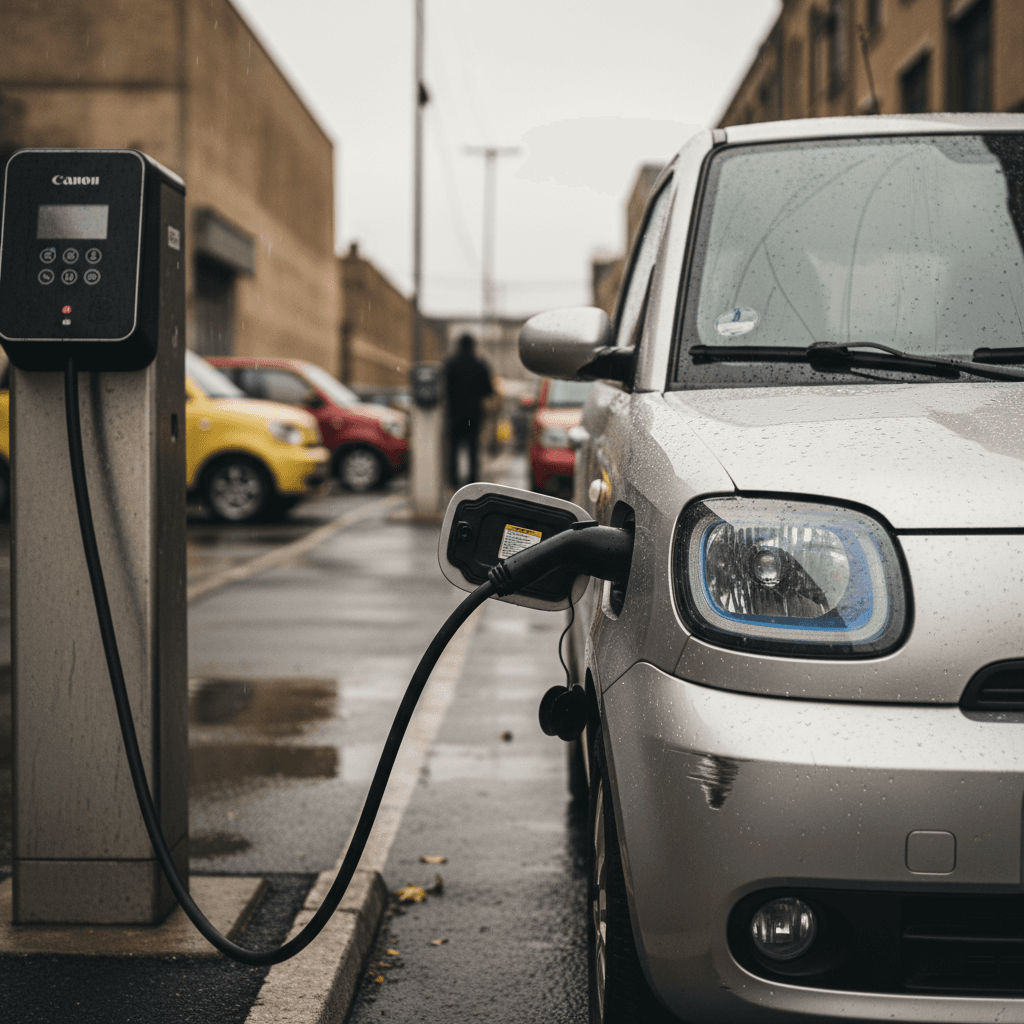
Driving Experience and Comfort
Here’s where the Mini and Fiat feel the most different. Both are charming, but they deliver that charm in very different ways.
Mini Cooper Electric: Go‑kart feel
The Mini’s calling card is its sharp steering and low, planted stance. Electric torque plus a relatively powerful motor (around 181 hp in the SE) make it feel much quicker than its numbers suggest. If you enjoy back‑road driving or just like a car that feels eager in city traffic, the Mini is the driver’s choice.
The suspension is on the firm side, and larger wheels can make potholes more noticeable. It’s fun, but you’ll feel the road.
Fiat 500e: Relaxed and efficient
The Fiat 500e puts comfort and style first. With about 117 hp, it’s not slow, but it’s tuned more for smooth, easy progress than for canyon carving. In tight cities, its ultra‑short length and light steering make it a breeze to park and maneuver.
Ride quality is surprisingly compliant for such a small car, and the interior design leans into Italian flair, simple, modern, and airy given the footprint.
If you love driving, lean Mini
Practicality, Space, and Daily Use
Neither of these is a family hauler, but there are differences that affect real‑world usability.
Living with a Tiny EV
Both seat four, but in slightly different ways.
Interior space
On paper, the Mini and Fiat have similar seating capacity, both are technically four‑seat hatchbacks. The Mini’s slightly larger footprint translates to a bit more shoulder and cargo room, and adults will find the front seats very comfortable.
The Fiat’s rear seats are tight for adults and better reserved for kids or short trips. Up front, though, the upright seating position and large windows make it feel bigger than it is.
Cargo and practicality
Neither car offers a huge trunk. Expect roughly 7–9 cubic feet behind the rear seats, with more when you fold them flat. The Mini generally wins by a small margin on cargo volume, but the difference won’t change your life, both will swallow a week’s groceries or a couple of carry‑ons.
Where they shine is curbside parking: both are incredibly easy to slot into small urban spaces.
Highway vs. city usage
Ownership Costs and Used EV Value
Purchase price, running costs, and long‑term value are where many shoppers ultimately make their decision. For U.S. buyers, both the Mini Cooper Electric and Fiat 500e are typically cross‑shopped as **used EVs** rather than new, at least for the first generation of Mini and early years of the 500e.
Cost Picture: Mini Electric vs Fiat 500e
Think beyond sticker price, consider depreciation, energy, and battery health.
Purchase price
New Fiat 500e models start in the low‑to‑mid $30,000s before incentives. Earlier Mini SEs, when new, were priced similarly or slightly higher depending on options.
On the used market, older Mini Cooper Electrics can be very attractively priced because of their short range. The Fiat’s stronger range and fresh design may help it retain value better over time.
Energy and maintenance
Both cars are extremely cheap to run compared with gas equivalents. The Fiat’s efficiency advantage means slightly lower electricity costs per mile, especially in city driving.
Maintenance is minimal, no oil changes, fewer moving parts. Expect mostly tires, cabin filters, and brake fluid over time.
Battery health and value
Battery condition is the big wild card in any used EV. Short‑range cars like the early Mini SE are more sensitive to even modest degradation because you have less range to start with.
This is where a structured battery health report, like the Recharged Score on used EVs, can make a big difference in understanding true value.
How Recharged helps with used Mini and Fiat EVs
Which City Driver Fits Each EV?
Both of these cars are niche EVs in a good way, they’re not trying to be everything to everyone. The right choice comes down to how and where you drive.
Who Should Choose the Mini Cooper Electric vs Fiat 500e?
Mini Cooper Electric is best if…
You want a <strong>fun‑to‑drive</strong> EV with sharp handling and quick acceleration.
Your daily driving is mostly <strong>short commutes</strong> (under 50–60 miles round‑trip), with occasional longer days handled by public charging.
You’re okay trading some range for a more premium, driver‑focused feel and a richer options list.
You value the Mini brand, styling, and interior quality, and you’re comfortable planning around the car’s range.
Fiat 500e is best if…
You live in a dense city and care more about <strong>efficiency and parking ease</strong> than raw power.
You’d like a bit more practical range than the early Mini offers, around <strong>140–150 EPA miles</strong>, with the ability to exceed that in the right conditions.
You prefer a <strong>softer ride</strong> and low‑stress driving over back‑road thrills.
You want a modern interior, strong tech (wireless CarPlay/Android Auto), and a fresh model with a long runway ahead in the market.
Checklist: How to Choose Between Mini Electric and Fiat 500e
Practical Steps Before You Decide
1. Map your real daily range needs
Track a typical week of driving. If you rarely exceed 60–70 miles in a day, either car can work. If you routinely push 90–120 miles, the Fiat 500e or new‑gen Mini Electric will feel more comfortable than the older Mini SE.
2. Think about where you’ll charge
Do you have easy access to Level 2 home or workplace charging? If yes, range anxiety shrinks dramatically. If you rely on public charging, prioritize the car with the better range and faster DC capability on your common routes.
3. Decide if driving fun matters
If you truly enjoy driving, the Mini’s go‑kart handling and stronger acceleration are worth a lot. If you mainly want a stylish, easygoing EV that sips electrons, the Fiat 500e is the smarter play.
4. Inspect cargo and passenger space in person
Sit in both front and rear seats, bring your child seats if you use them, and load your typical gear. Specs on paper don’t always match how a cabin feels to you.
5. Prioritize battery health on used examples
Always ask for a <strong>battery health report</strong>. With Recharged, the Recharged Score gives you that data up front so you can compare a used Mini or Fiat on more than just mileage and price.
6. Compare total cost of ownership, not just price
Factor in energy costs, insurance, maintenance, and any available incentives. A slightly more expensive car that’s more efficient and holds value better can still be the cheaper choice over 3–5 years.
Frequently Asked Questions: Mini Cooper Electric vs Fiat 500e
Mini Cooper Electric vs Fiat 500e FAQ
Bottom Line: Mini Cooper Electric or Fiat 500e?
When you put the **Mini Cooper Electric vs Fiat 500e** side by side, they’re not competing to be the only car in your life, they’re competing to be the best small, stylish, second (or city‑primary) car you own.
Choose the **Mini Cooper Electric** if you want an EV that makes even a short commute entertaining and you’re comfortable working within modest range limits or you’re targeting the newer, higher‑range generation. Choose the **Fiat 500e** if you prioritize efficiency, modern tech, and a bit more usable range in a package that’s tailor‑made for tight streets and short‑to‑medium daily drives.
If you’re shopping used examples of either car, the smartest move you can make is to focus on **battery health, real‑world range, and total cost of ownership**, not just mileage and price on a window sticker. That’s exactly where a verified Recharged Score Report, financing options, and EV‑specialist guidance from Recharged can help you find the right Mini or Fiat, and buy it with confidence.