If you’ve gone all‑in on a Mini Cooper Electric, whether that’s the Mini Cooper SE Hardtop or the newer all‑electric Mini, it’s natural to wonder how often it needs service and what’s different from a gas Mini. The good news: your Mini EV’s maintenance schedule is simpler, but there are a few EV‑specific items you absolutely should not ignore, especially if you’re planning to keep the car, or buy one used.
Mini Electric models this guide covers
Mini Cooper Electric maintenance overview
Mini builds its EVs on BMW Group engineering, so the maintenance philosophy is the same: longer service intervals, condition‑based service reminders, and a complimentary maintenance period on new cars. Compared with a gas Mini, your electric Mini has no engine oil, spark plugs, or exhaust to maintain, but you still need to stay on top of brakes, tires, cabin filters, and fluids like brake fluid and battery coolant.
Why Mini EV maintenance is simpler than gas
Where your Mini Cooper Electric saves you time and money
No oil changes
Fewer wear items
Regenerative braking
Watch the car’s own reminders
How Mini schedules service for its electric models
If you’re coming from an older gas car with a 5,000‑mile oil change sticker on the windshield, Mini’s EV schedule can feel almost too relaxed. Most late‑model Minis, including the Cooper Electric, use a mix of fixed time intervals (especially for brake fluid) and condition‑based items triggered by sensors and mileage. In the U.S., new Minis also include a complimentary maintenance plan for the early years.
Mini maintenance basics for electric models
Condition Based Service (CBS)
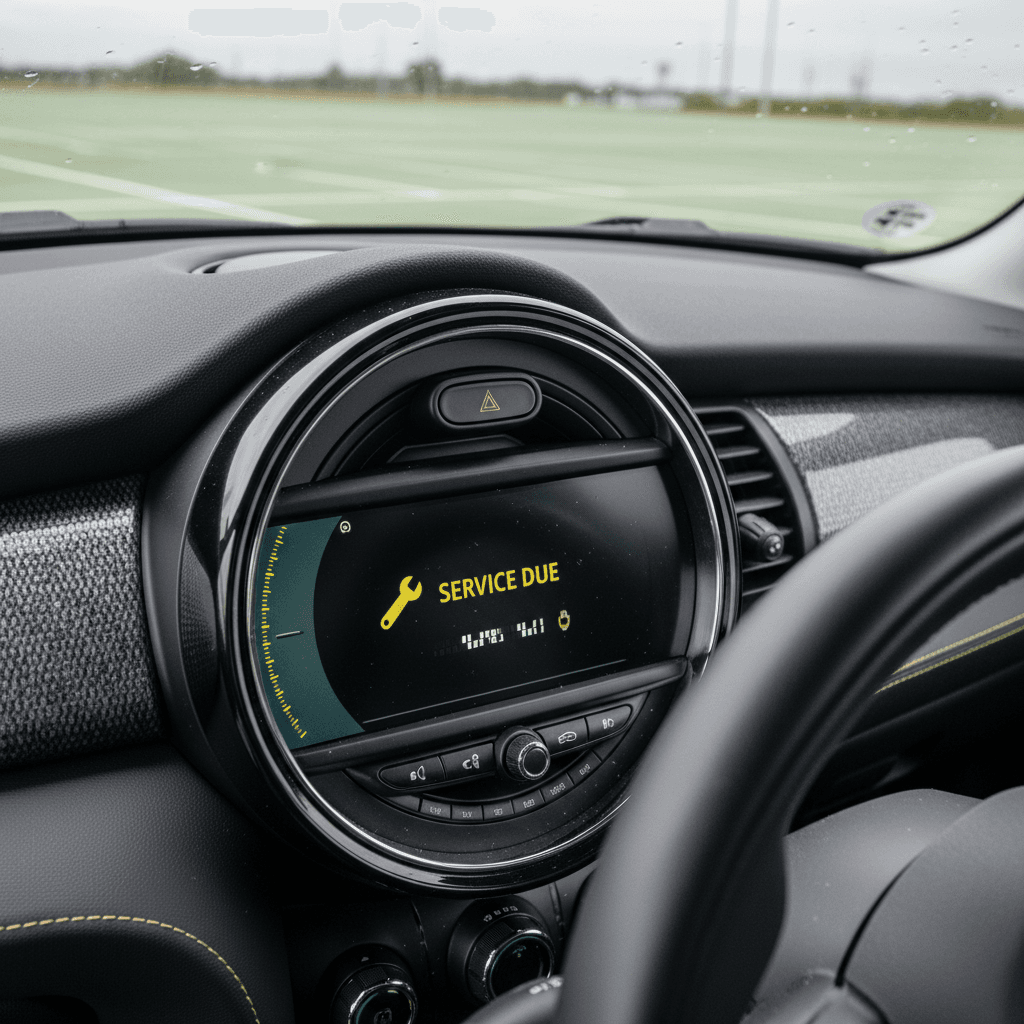
Mini’s CBS logic looks at time, mileage, and sensor data to decide when services are due. On an electric Mini, that primarily means things like brake fluid, cabin filters, and general inspections.
When something comes due, you’ll see a reminder in the instrument cluster and, in newer cars, in the MINI app. You can usually see projected due dates and mileages in the vehicle menu.
Complimentary maintenance and plans
In the U.S., new Minis come with complimentary scheduled maintenance for the first 3 years or 36,000 miles. There are also optional maintenance plans (sometimes branded as MINI Maintenance+) that prepay for additional years and services, including Mini’s newer electric models.
If you’re buying used, ask whether those plans are still active and whether they follow the car by VIN, because they often do.
Don’t let “lifetime” fluids lull you to sleep
Mini Cooper Electric maintenance schedule by mileage & time
Exact intervals can vary slightly by model year and market, so always double‑check your owner’s manual or MINI app. But if you’re driving a Mini Cooper Electric in the U.S., this conservative schedule will keep you in a very safe zone, even if you’re buying the car used and don’t fully trust its history.
Approximate Mini Cooper Electric maintenance schedule
A practical, owner‑friendly schedule that aligns with typical Mini guidance for modern models. Always confirm against your manual.
| Mileage / Time | What to service | Details |
|---|---|---|
| Every 10,000 miles or 12 months | Tires, brakes, inspection | Check tire pressures and tread, inspect brakes, suspension, steering, lights, wipers, and top up washer fluid. Many Mini dealers use 10k as their basic check‑in rhythm for modern cars. |
| Every 20,000 miles or 24 months | Brake fluid, cabin filter | Replace brake fluid every 2 years to prevent moisture‑related corrosion, and replace the cabin microfilter to keep HVAC and heat pump efficient. |
| Every 30,000–40,000 miles | Coolant inspections, alignment | Have the high‑voltage battery and power electronics coolant levels inspected; align wheels if you notice uneven tire wear or pull. |
| Every 50,000–60,000 miles | Brake pads & rotors (as needed) | Regeneration means brakes can last longer, but EVs are heavy. Have pads and rotors measured; replace when worn or if rotors are rust‑pitted from light use. |
| Every 6–8 years (time‑based) | Battery coolant service (if specified) | Some EVs call for coolant replacement around the 8‑year mark. Mini historically leans toward “lifetime,” but many specialists recommend a preventative coolant change in that window. |
| As needed | 12‑volt battery, tires, wipers | Most EVs go through a 12‑volt auxiliary battery about every 4–6 years. Expect tires every 25,000–40,000 miles depending on driving style and climate. Wipers yearly. |
Time‑based items like brake fluid matter just as much as mileage on a low‑miles EV.
Quick rule of thumb
EV-specific maintenance items on the Mini Electric
Electric Minis share a lot with their gas cousins, suspension, body hardware, most of the interior, but they also bring a few EV‑only components that deserve special attention. Understanding these helps you read between the lines of a generic “Mini Cooper maintenance schedule” and adapt it to your EV.
What’s unique about Mini Cooper Electric maintenance?
Where EV ownership changes the service conversation
High‑voltage battery
Battery & inverter cooling
Onboard charger & charge port
Simple checks Mini Electric owners can do at home
1. Check tires monthly
Electric Minis are quick off the line and relatively heavy for their size. Check pressures monthly, more often in temperature swings. Under‑inflated tires eat range and wear prematurely.
2. Glance at the brake fluid date
Most brake fluid reservoirs or service stickers show when fluid was last changed. If it’s been 2+ years, put it at the top of your to‑do list.
3. Listen for brake noises
Because EV cabins are quieter, you’ll hear squeaks and grinds sooner. Light surface rust after rain is normal; persistent noise, vibration, or reduced stopping power is not.
4. Keep the charge port clean
Inspect the port for debris or bent pins when you wash the car. Don’t spray high‑pressure water directly into the port; use a damp cloth around the opening instead.
5. Watch range and charging behavior
A gradual drop in range over many years is normal. Sudden drops, dramatic fast‑charge slowdowns, or repeated charging errors are reasons to schedule a diagnostic visit.
High‑voltage = do not DIY
Mini Electric maintenance costs and service plans
Because there’s no engine oil or spark plugs, routine Mini Cooper Electric maintenance usually costs less than an equivalent gas Mini over the same period. The big variables are where you service the car, whether you’re still in the complimentary maintenance window, and how you bundle services.
Typical Mini Cooper Electric service items & cost ranges
These are ballpark U.S. retail prices at dealership or high‑quality independent shops; your local numbers may differ.
| Service | Suggested interval | Typical shop cost (USD) |
|---|---|---|
| Brake fluid flush | Every 2 years | $150–$250 |
| Cabin air filter | Every 2 years / 20,000 miles | $80–$160 installed |
| Tire rotation & inspection | Every 10,000 miles (if tire type allows) | $30–$80 (often included with other service) |
| Comprehensive inspection | Every 10,000–20,000 miles | Often bundled with other services |
| 12‑volt battery replacement | Every 4–6 years | $250–$400 installed |
| Coolant inspection / eventual replacement | Check every service; consider replacement around 8–10 years | Inspection usually included; coolant service varies widely |
Bundling inspections with time‑based items like brake fluid helps keep costs predictable.
How Mini’s prepaid plans fit in
If you’re looking at a Mini Cooper Electric on the used market, ask specifically about remaining complimentary maintenance or prepaid plans. Many of these are tied to the car’s VIN rather than the original owner. If they’re still active, you may be able to use any remaining coverage at participating Mini retailers.
Maintenance tips for used Mini Cooper Electric buyers
A Mini Cooper SE or newer Mini Cooper Electric can be a fantastic used EV, snappy, easy to park, and relatively affordable, but only if the previous owner didn’t treat the maintenance schedule as optional. When you’re shopping used, you’re really evaluating the car and its service history.
Used Mini Cooper Electric maintenance checklist
1. Verify brake fluid changes
Look for at least one documented brake fluid flush every 2 years since new. If you can’t confirm this, budget to do it immediately after purchase.
2. Confirm recall and campaign history
Ask the seller for Mini dealer paperwork or run the VIN through a Mini retailer to check for outstanding recalls or service campaigns, especially on early SE models.
3. Review battery health
Use the car’s own range estimates, charging behavior, and any available diagnostic reports to get a sense of <strong>high‑voltage battery health</strong>. A reputable seller will be transparent here.
4. Inspect tires and brakes
Uneven tire wear or deeply grooved rotors can point to alignment issues or hard driving. Factor potential replacements into your total cost, not just the sticker price.
5. Ask for charging history
It’s a positive sign if the prior owner mostly charged at home on Level 2 and only fast‑charged on trips. Occasional DC fast charging is fine; daily rapid charges on a hot battery are less ideal long term.
How Recharged helps with Mini EV maintenance history
DIY vs dealer servicing for Mini EVs
Mini’s heritage attracts hands‑on owners, and plenty of jobs on a Mini Cooper Electric are still DIY‑friendly. But an EV also introduces high‑voltage components and sophisticated electronics that demand the right tools and training. The trick is knowing where to draw the line.
What’s realistically DIY‑friendly
- Tires & wheels – seasonal wheel swaps, tire rotations (if your tires aren’t directional or staggered), and pressure checks.
- Cabin filter & wipers – easy gains for comfort and visibility, often behind the glovebox or under the cowl.
- Basic inspections – checking for fluid leaks, loose underbody panels, or torn suspension boots whenever the car is on a lift.
- 12‑volt battery – replacement is similar to a gas Mini, though you should follow the proper registration procedure if required.
What’s better left to Mini or an EV specialist
- High‑voltage battery or inverter work – anything involving orange cables, contactors, or the pack.
- Coolant system service – air pockets in EV cooling circuits can cause overheating or shutdowns.
- Software updates & diagnostics – modules on a Mini EV talk to each other; you want factory‑grade tools and up‑to‑date software.
- Complex brake work – especially if there are electronic parking brakes or regen‑brake coordination issues.
If you use an independent shop…
Mini Cooper Electric maintenance FAQ
Frequently asked questions about Mini Cooper Electric maintenance
Key takeaways for Mini Cooper Electric maintenance
Owning a Mini Cooper Electric should feel like a treat, not a homework assignment. The maintenance schedule is shorter and cleaner than a gas Mini’s, but that doesn’t mean you can skip the basics. Plan on a yearly inspection, a brake‑fluid and cabin‑filter visit every two years, and a deeper look at coolant, brakes, and the 12‑volt battery as the car ages.
If you’re shopping used, the real story lives in the service history and the battery. That’s where a transparent marketplace like Recharged earns its keep, pairing every used EV with a Recharged Score Report, expert guidance, and fair‑market pricing. Whether you already own a Mini Cooper Electric or you’re just starting to fall for one, a little attention to the maintenance schedule will keep the car feeling playful and predictable for years to come.