The Mini Cooper Electric (often called the Cooper SE or Mini Electric) is one of the most fun city EVs on the market, but like any car, it has a few common problems and quirks. If you’re shopping used, or already own one, understanding those issues and the typical fixes can save you real money and headaches.
What this guide covers
Mini Cooper Electric at a Glance
Mini Cooper Electric fast facts
Mechanically, the Mini Cooper Electric uses a BMW‑engineered electric drivetrain derived from the i3, paired with the familiar F56 Mini chassis. That’s good news for long‑term durability: many failure points from older gas Minis (timing chains, VANOS, exhaust components) simply don’t exist here. Most issues owners report are around charging hardware, sensors, electronics, and typical city‑car wear items rather than catastrophic powertrain failures.
Where Recharged fits in
How Reliable Is the Mini Cooper Electric?
Owner forums and long‑term reports paint the Mini Cooper Electric as more reliable than many earlier gas Minis, especially once you separate out general Mini quirks from true EV‑specific problems. Many drivers report several years and tens of thousands of miles with no major issues beyond routine maintenance and a few recalls being addressed at the dealer.
- Most major issues are software, sensors, or external hardware (charge flap, active grille shutters), not the motor itself.
- High‑voltage battery failures are rare, but an important recall affects 2020–2024 cars (covered below).
- Fast depreciation means you can often buy a well‑equipped Mini Electric used for far less than its original MSRP, if you know what to look for.
Don’t assume “Mini problems” = “Mini Electric problems”
High-voltage battery and recall issues
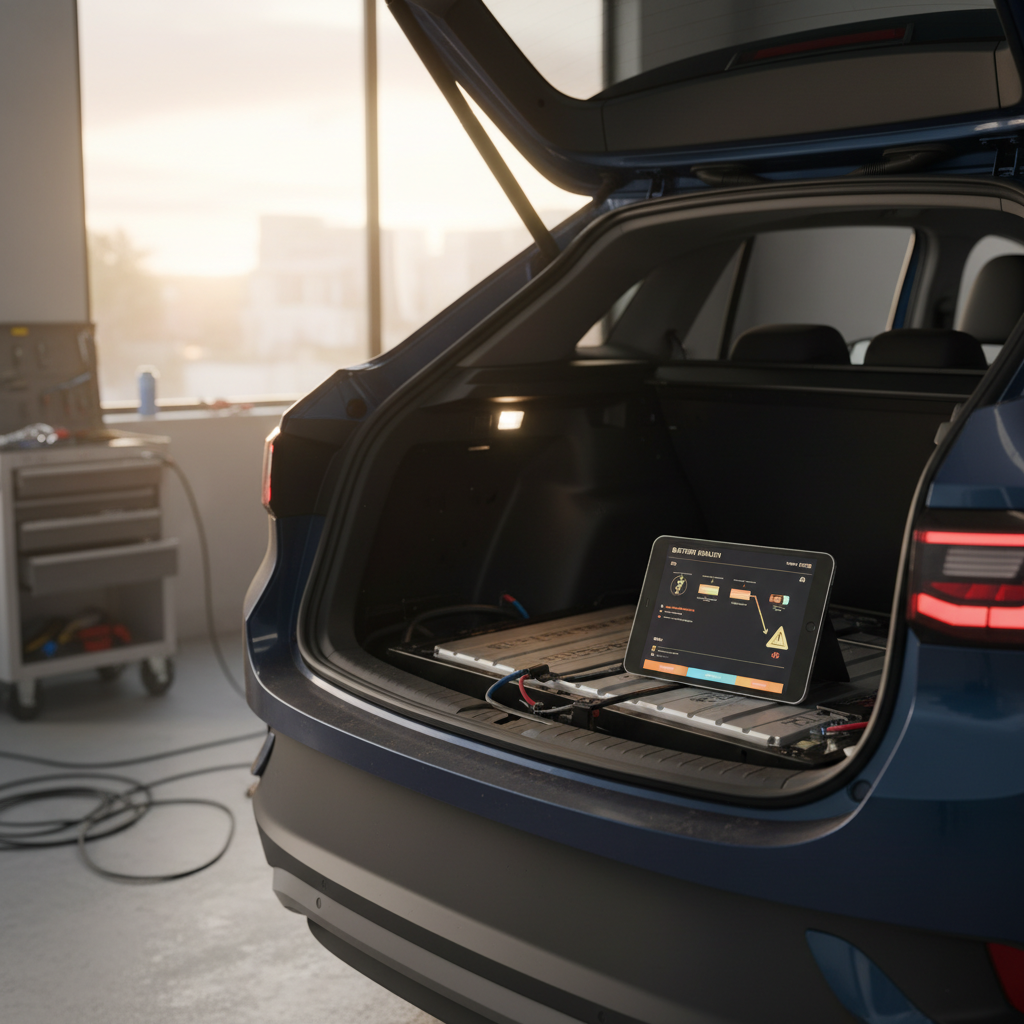
The most serious Mini Cooper Electric problems involve the high‑voltage battery pack and its sealing. In 2024, BMW/Mini issued recalls on 2020–2024 Cooper SE models for potential battery manufacturing defects that could lead to internal short circuits or water ingress and, in extreme cases, increased fire risk.
Key Mini Cooper Electric battery-related issues
Check any used Mini Electric against these recall and battery‑health items before you buy.
| Issue | What you’ll notice | Typical fix | Who pays? |
|---|---|---|---|
| Battery manufacturing defect recall (2020–2024) | Warning messages about high‑voltage system, car may enter reduced‑power mode or advise parking outside. | Dealer software update and inspection; affected modules repaired or replaced if needed. | Recall work should be free at authorized Mini dealers. |
| Battery housing not sealed properly (water ingress) | Warning lights, reduced performance, or the car refusing to charge; in rare cases, risk of thermal event. | Dealer leak test and reseal; in severe cases, pack repair or replacement. | Covered under recall/high‑voltage warranty if within terms. |
| General battery degradation | Noticeably less range than peers, especially in mild weather; frequent charges needed. | Battery health test; update software and driving/charging habits; pack replacement only in extreme cases. | Capacity loss is often not covered unless it drops below the warranty threshold. |
A Mini‑savvy dealer or service center can run the VIN and confirm recall completion in minutes.
If you see an HV battery warning
On the used market, your goal is to verify that all battery‑related recalls have been completed and that the pack is healthy for its age and mileage. At Recharged, the Recharged Score pulls real‑world battery data from the car to estimate current usable capacity and highlight any concerning fault codes, so you’re not relying on guesswork or a “seems fine to me” test drive.
Charging port and flap sensor problems
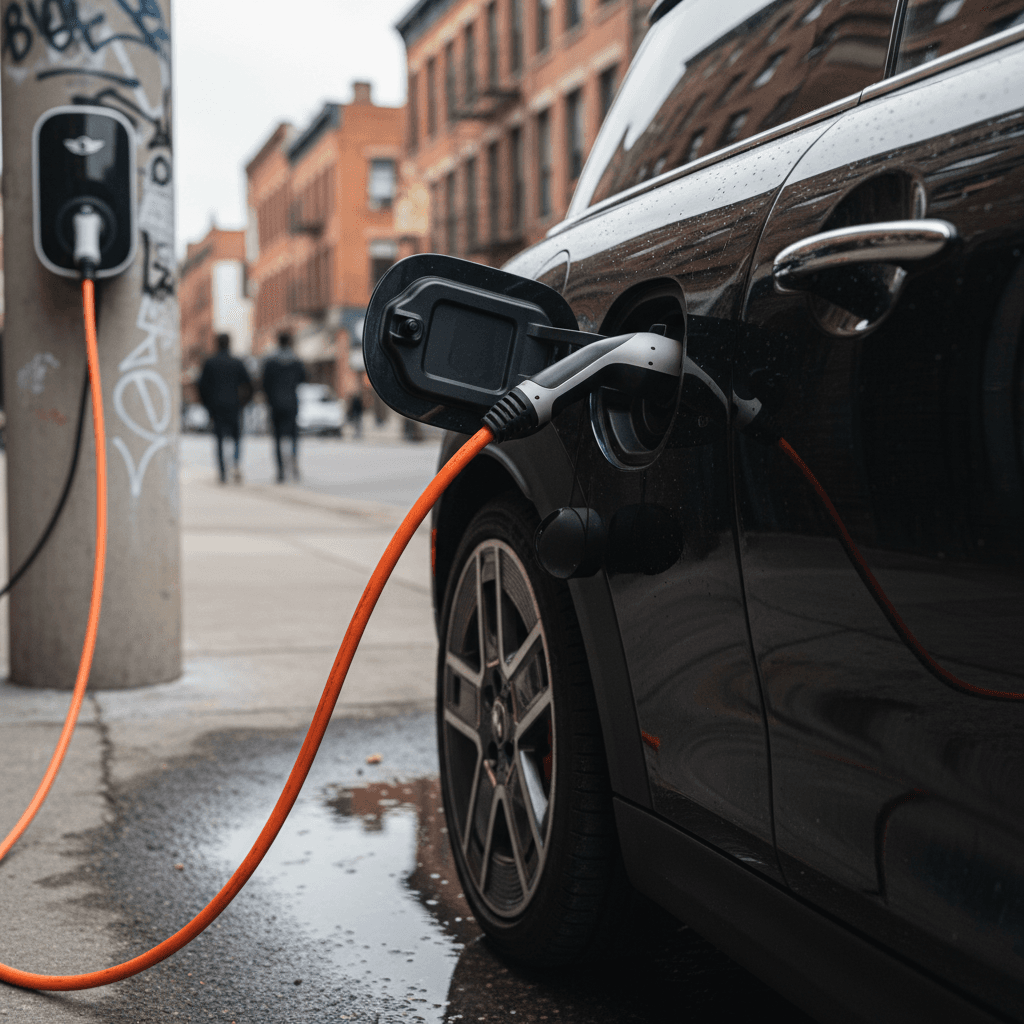
One of the most frequently reported Mini Cooper Electric common problems is the charging flap sensor. Owners describe the car insisting the charge flap is open when it’s closed, triggering warning lights or preventing charging. This is usually caused by moisture or corrosion in the tiny sensor around the flap.
- Random warnings that the charge door is open when it’s visibly closed.
- Car refusing to start a charge session until the error clears.
- Error messages that are more common after heavy rain or frequent outdoor charging.
Simple checks before replacing parts
Charge flap & inlet: common faults and fixes
Typical labor and cost ranges will vary by region and whether you’re under warranty.
| Problem | Likely cause | DIY‑friendly? | Notes |
|---|---|---|---|
| False "charge flap open" warning | Water ingress or corroded micro‑switch/sensor. | Moderate (for experienced DIYers). | Requires removing trim around flap; many owners let a dealer handle it. |
| Charge port won’t lock/unlock cable | Stuck locking pin or debris in the port. | Sometimes. | Try compressed air and gentle cleaning; if motor fails, replacement is dealer work. |
| Slow AC charging on first plug‑in | Software "handshake" quirk between EVSE and car. | Yes. | Unplug/re‑plug once; if it always happens, ask dealer about software updates. |
Many charge‑flap repairs have been handled as goodwill by dealers, especially on newer cars.
12-volt battery and cold-weather warnings
Like every EV, the Mini Electric uses a small 12‑volt battery to power control modules, locks, and safety systems. The high‑voltage pack keeps it topped up, but the 12‑volt battery can still age or be stressed by extreme temperatures and accessories. Some owners see mysterious low‑battery or electrical system warnings on cold mornings or during pre‑conditioning even when the main traction battery is well charged.
- Error messages about limited power or electrical system faults that clear after the car warms up.
- Car refusing to wake up or unlock electronically if the 12‑volt is very weak.
- Earlier recalls in some markets for potential 12‑volt overheating or vent‑cap issues.
Don’t ignore a struggling 12‑volt battery
Quick 12‑volt battery health check
1. Ask about battery age
On a used Mini Electric, assume the original 12‑volt battery is due after 4–6 years in harsh climates. Ask for receipts if it’s supposedly been replaced.
2. Scan for stored low‑voltage codes
A basic OBD scanner or professional diagnostic tool can reveal repeated low‑voltage events, your clue that the 12‑volt is on its way out.
3. Look for aftermarket drains
Hard‑wired dashcams, radar detectors, or audio upgrades can slowly drain the 12‑volt. Make sure any accessories are fused and wired correctly.
4. Budget for replacement
A quality 12‑volt replacement and labor typically cost far less than major EV repairs. It’s a reasonable preventive expense on an older Mini Electric.
Front active grille shutters and cooling parts
Several Mini Cooper Electric owners report failures of the front active grille shutters, those movable slats that open and close to manage cooling and aerodynamics. On the Cooper SE they’re used far less aggressively than on gas cars, but they can still loosen, rattle, or break.
- Noticeable rattling or "clattering" from the lower grille area at certain speeds.
- Shutters visibly misaligned or hanging slightly open/closed on one side.
- Warning lights if the shutter actuator fails completely.
Why it matters
Active grille shutter: repair options
What Mini Electric owners typically do when shutters fail.
| Scenario | Best fix | Approximate difficulty | Comment |
|---|---|---|---|
| Loose but still attached shutters | Re‑secure or replace broken clips and hardware. | DIY‑possible with basic tools. | Often a cosmetic/noise issue more than a critical fault. |
| Cracked shutter assembly | Replace shutter unit (and any damaged trim). | Professional recommended. | Part cost can be modest, but labor adds up if bumper removal is required. |
| Cooling warnings + shutter faults | Diagnostic scan, inspect for coolant leaks or fan issues as well. | Professional required. | Don’t drive far with cooling warnings; overheating can damage components. |
A thorough pre‑purchase inspection should include a look behind the front bumper for broken plastic and leaks.
Shifter and electronic control glitches
Another Mini Cooper Electric common problem you’ll see in owner stories is a malfunctioning gear selector/shifter. The symptom: the car drives normally in D and R, but refuses to go into Park, or throws shifter error messages. Dealers often replace the entire shifter assembly rather than repairing the small failed component inside.
- Repeated messages such as "Gear selector malfunction" or "Unable to engage P".
- Shifter physically moves, but the car’s cluster doesn’t show that it’s in Park.
- Car insists on using the parking brake instead of mechanical Park.
Typical fix: shifter replacement under warranty
Mini Electric quirks to expect
- Occasional connectivity or CarPlay bugs that resolve with a restart.
- Navigation and infotainment less sophisticated than newer EVs.
- Rare but annoying "ghost" warnings from sensors or modules.
What’s not common
- System‑wide infotainment failures.
- Chronic motor or inverter failures.
- High‑voltage contactor failures on the scale seen in some other brands.
Range, heat pump and climate-control quirks
The Mini Cooper Electric’s small battery means range swings are very noticeable. Many owners see real‑world range of 110–120 miles in mild weather, but winter, highway speeds, and heavy climate‑control use can drop that sharply. That’s not exactly a “problem,” but it’s the number‑one complaint from new owners who didn’t account for it.
- Range can drop 20–40% in cold weather, especially on lots of short trips where the cabin and battery never fully warm up.
- Cars equipped with a heat pump can be more efficient in moderate cold, but the system can still fail like any HVAC component.
- Some owners mention odd noises or "thunks" when maximum regenerative braking engages at low speeds, usually normal behavior unless very loud.
How to stress-test range on a test drive
Quick ways to reduce range complaints
Especially important on a small‑pack EV like the Mini Cooper Electric.
Plan around realistic range
Charge more, not fuller
Use seat & wheel heaters
Suspension, tires and city wear items
The Cooper SE is a short‑wheelbase hatch with punchy torque and relatively firm suspension. On rough pavement or aggressive city driving, that combination can chew through tires, bushings, and alignment faster than a larger, softer EV.
- Uneven tire wear on the inside edges from potholes or curb hits.
- Clunks over speed bumps from worn sway‑bar links or bushings.
- Shakes in the steering wheel at highway speeds from bent wheels or flat‑spotted tires.
Wheel and tire checks are critical on used Minis
Pre-purchase checklist for a used Mini Electric
Mini Cooper Electric used-buy checklist
1. Run the VIN for open recalls
Confirm that all high‑voltage battery and 12‑volt related recalls have been completed. A Mini dealer can do this quickly, and Recharged includes recall status in our vehicle reports.
2. Get a real battery health report
Don’t rely on guess‑o‑meter range alone. Ask for a scan that shows current usable capacity versus original, and check for high‑voltage fault codes. Every Recharged listing includes a Recharged Score with battery health baked in.
3. Inspect the charging flap and port
Open and close the flap several times, then plug into AC power. Watch for flap warnings or failures to start charging. Look closely for corrosion or damage around the inlet.
4. Test DC fast charging (if possible)
On a public fast charger, confirm the car ramps up toward its expected 50 kW peak and doesn’t immediately throttle down due to cooling or battery errors.
5. Exercise the shifter repeatedly
In a safe area, cycle between P, R, N and D several times with your foot on the brake. Any reluctance to go into Park or error messages deserve further investigation.
6. Listen for front‑end noises
Drive over rough pavement at low speed with the windows cracked. Rattles from the grille or clunks from the suspension may point to shutter or bushing issues.
7. Check tires, wheels and alignment
Look for mismatched tires, uneven wear, or steering that pulls. These are negotiable items on price, even if they aren’t deal‑breakers.
8. Review charging history and use case
Ask the seller how the car was used. Lots of short urban trips and frequent fast‑charging don’t automatically kill a Mini Electric, but they change how you assess battery health and value.
When to walk away, and when a Mini Electric is a steal
When to walk away
- Multiple unresolved battery or high‑voltage warnings, especially if the seller brushes them off.
- Open battery‑related recalls that the seller refuses to address with a dealer.
- Severe range loss in mild weather with no documentation of diagnostics.
- Evidence of flood damage: corrosion in the charge port, musty cabin smell, water lines in the trunk or under seats.
When it’s a great buy
- All recalls completed and documented, with a clean high‑voltage scan.
- Battery health still strong for the mileage, with realistic range on a long test drive.
- Only minor issues like worn tires or a loose grille shutter, easy to budget for.
- Price reflects typical Mini Electric depreciation, not wishful thinking.
If you’re working with Recharged, our pricing models and Recharged Score help you see exactly how that particular Mini stacks up against the market and other used EVs.
Mini Cooper Electric common problems: FAQ
Frequently asked questions about Mini Cooper Electric problems
The Mini Cooper Electric isn’t perfect, but most of its weak spots are well understood and manageable. If you check for battery recalls, flap sensors, shifter behavior, and city‑car wear, you can end up with a fun, distinctive EV at a fraction of its original price. Whether you’re buying privately or through a marketplace like Recharged, combining a thorough inspection with a proper battery‑health report is the best way to enjoy Mini’s character without Mini‑sized surprises.